
Genesis 14:9
in Genesis 14against Chedorlaomer king of Elam, Tidal king of Goiim, Amraphel king of Shinar, and Arioch king of Ellasar—four kings against five.
BSB
The same verse in ASV and KJV ▾
ASV
against Chedorlaomer king of Elam, and Tidal king of Goiim, and Amraphel king of Shinar, and Arioch king of Ellasar; four kings against the five.
KJV
With Chedorlaomer the king of Elam, and with Tidal king of nations, and Amraphel king of Shinar, and Arioch king of Ellasar; four kings with five.
⋯
This verse in Genesis 14
Commentary
3 notes on this verseWith Chedorlaomer king of Elam,.... Who is here mentioned first, being the principal in the war, and against whom the kings of Sodom, &c. had rebelled: and with Tidal king of nations, and Amraphel king of Shinar, and Arioch king of Ellasar; who were his allies, confederates, and auxiliaries: four kings with five; those four last mentioned, with the other five before spoken of, that is, they fought with them; or rather four kings against five, as the Vulgate Latin and Tigurine versions, and some others.
This site's exposition
marched out and arrayed themselves for battle
on Genesis 14:8-10
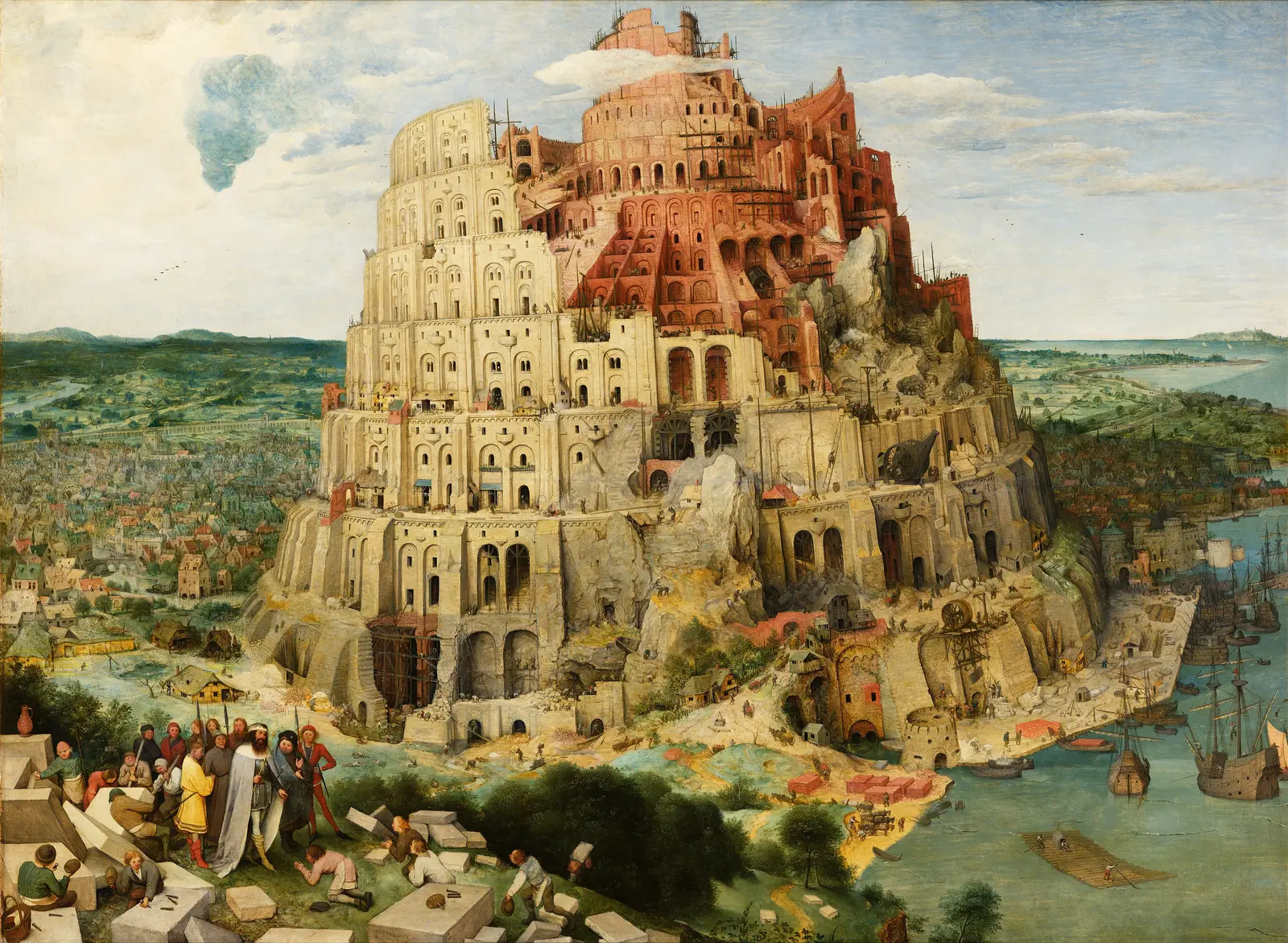
Five kings march out to fight, and the ground beats them, a valley full of tar pits. That tar is what the builders used for mortar at Babel in chapter 11. The survivors run for the hill country, where Lot is sent in chapter 19.
This site's exposition
four kings against five
Chedorlaomer is named first, where verse 1 had named Amraphel first, and John Gill reads the order as marking him the principal in the war. Gill calls the other three his allies. He follows the Latin Vulgate in reading the count as four kings against five.
How the passage was read
What the Jewish commentators add
On the verses either side of this one
‘BE’EROTH BE’EROTH CHEIMAR’ (FULL OF SLIME PITS). There were many pits there since they removed earth to be used as clay for building purposes.
This section is reception history: how the passage was read and kept in the Jewish tradition. Where a reading parts from an essential of the Christian faith, the section says so at that point.
Texts and citation data: Sefaria; each excerpt follows its version’s licence. 4 further sources are cited on this chapter that carry no English text this site may quote or only restate the verse.
The words behind it
17 Hebrew wordsEvery Hebrew word of this verse in the order it stands, with what it means and the door to its own study. The last column counts the times a word stands in the whole Bible: the rarer the word, the more the places it appears belong together.
| Hebrew | Sound | Meaning | Word study | In the Bible |
|---|---|---|---|---|
| אֵ֣ת | ʾet | with | H854 → | 929 times |
| כְּדָרְלָעֹ֜מֶר | kedarelaomer | Kedorlaomer | H3540 → | 5 times |
| מֶ֣לֶךְ | melekh | [the] king of | H4428 → | 2525 times |
| עֵילָ֗ם | ʾeilam | Elam | H5867 → | 28 times |
| וְתִדְעָל֙ | vetidal | and Tidal | H8413 → | |
| מֶ֣לֶךְ | melekh | [the] king of | H4428 → | 2525 times |
| גּוֹיִ֔ם | goyim | Goyim | H1471 → | 561 times |
| וְאַמְרָפֶל֙ | veamrafel | and Amraphel | H569 → | |
| מֶ֣לֶךְ | melekh | [the] king of | H4428 → | 2525 times |
| שִׁנְעָ֔ר | shinar | Shinar | H8152 → | 8 times |
| וְאַרְי֖וֹךְ | vearyokh | and Arioch | H746 → | |
| מֶ֣לֶךְ | melekh | [the] king of | H4428 → | 2525 times |
| אֶלָּסָ֑ר | ʾelasar | Ellasar | H495 → | |
| אַרְבָּעָ֥ה | ʾarbaah | four | H702 → | 318 times |
| מְלָכִ֖ים | melakhim | kings | H4428 → | 2525 times |
| אֶת־ | ʾet- | with | H854 → | 929 times |
| הַחֲמִשָּֽׁה׃ | hachamishah | the five | H2568 → | 343 times |
אֵ֣תwith
ʾetH854 →929 times
כְּדָרְלָעֹ֜מֶרKedorlaomer
kedarelaomerH3540 →5 times
מֶ֣לֶךְ[the] king of
melekhH4428 →2525 times
עֵילָ֗םElam
ʾeilamH5867 →28 times
וְתִדְעָל֙and Tidal
vetidalH8413 →
מֶ֣לֶךְ[the] king of
melekhH4428 →2525 times
גּוֹיִ֔םGoyim
goyimH1471 →561 times
וְאַמְרָפֶל֙and Amraphel
veamrafelH569 →
מֶ֣לֶךְ[the] king of
melekhH4428 →2525 times
שִׁנְעָ֔רShinar
shinarH8152 →8 times
וְאַרְי֖וֹךְand Arioch
vearyokhH746 →
מֶ֣לֶךְ[the] king of
melekhH4428 →2525 times
אֶלָּסָ֑רEllasar
ʾelasarH495 →
אַרְבָּעָ֥הfour
ʾarbaahH702 →318 times
מְלָכִ֖יםkings
melakhimH4428 →2525 times
אֶת־with
ʾet-H854 →929 times
הַחֲמִשָּֽׁה׃the five
hachamishahH2568 →343 times
A shaded row is a word that stands 400 times or fewer in the Bible.
Where this verse is studied
On this page
Studies14
On this verse
On this chapter
Show the next 6 titles
Show the next 1 title
About Genesis
Who and where
1 name in this verse with a page on the site.
This page draws on John Gill, Exposition of the Old Testament (1748-1763); John Gill, Exposition of the Old Testament and Matthew Henry, Commentary on the Whole Bible.