
Genesis 8:13
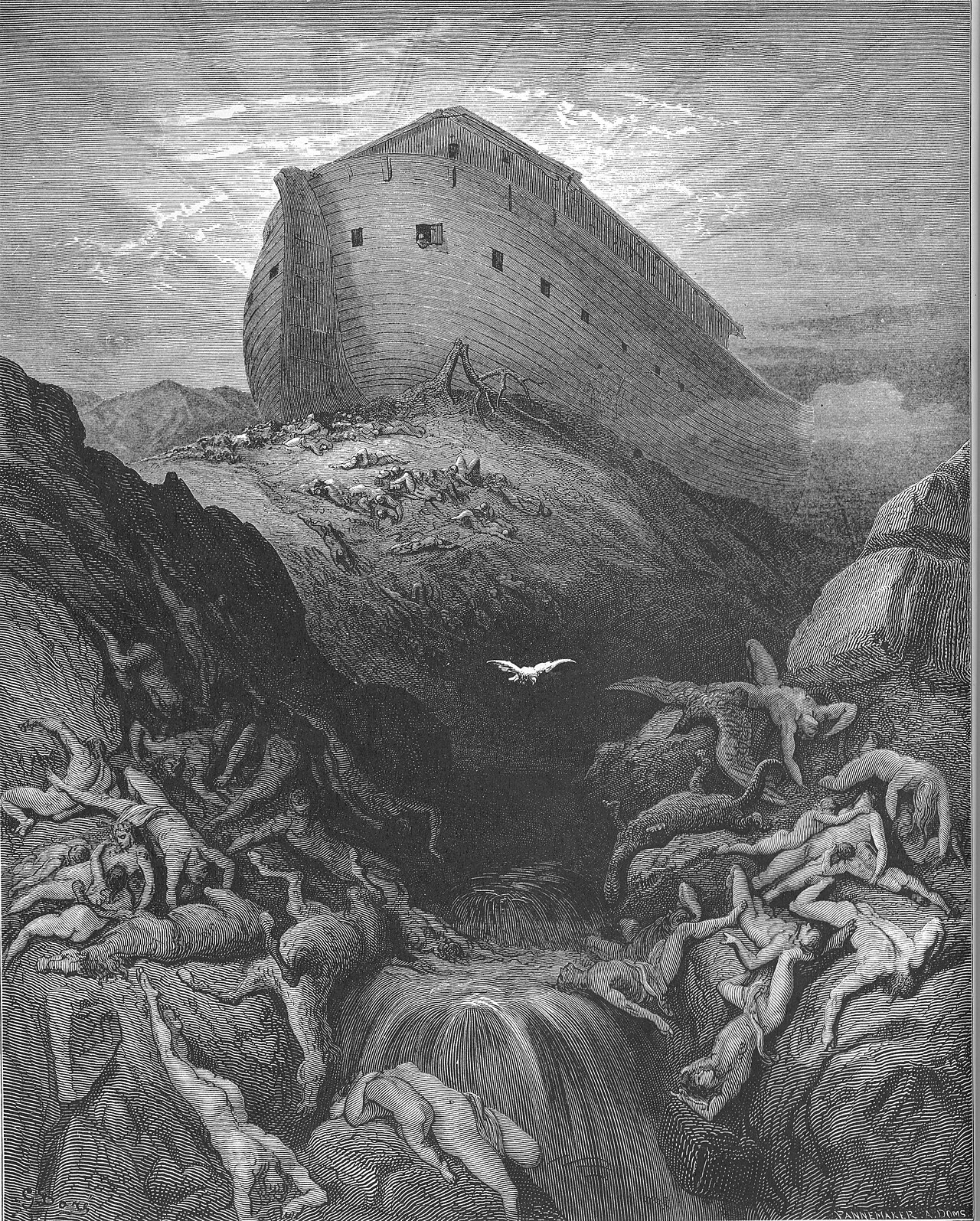
in Genesis 8In Noah’s six hundred and first year, on the first day of the first month, the waters had dried up from the earth. So Noah removed the covering from the ark and saw that the surface of the ground was dry.
BSB
The same verse in ASV and KJV ▾
ASV
And it came to pass in the six hundred and first year, in the first month, the first day of the month, the waters were dried up from off the earth: and Noah removed the covering of the ark, and looked, and, behold, the face of the ground was dried.
KJV
And it came to pass in the six hundredth and first year, in the first month, the first day of the month, the waters were dried up from off the earth: and Noah removed the covering of the ark, and looked, and, behold, the face of the ground was dry.
⋯
This verse in Genesis 8
Commentary
8 notes on this verseA commentator
Charles Spurgeon1834–1892
The Metropolitan Tabernacle Pulpit, Sermon No. 2373: “The Weary Dove's Return” (lightly modernized text, CCEL edition) · Written before 1892.
NOAH knew that God would, in due time, let him out of the ark. He was quite sure that the Lord had not put him into the ark to make a great coffin of it—that he and all those living creatures that went in with him should perish there. And, because he believed in God, he, therefore, removed the covering of the ark and looked abroad, expecting, by-and-by, to see not only the tops of the mountains, but also a dry and green earth once more. True faith often goes to the window.
This site's exposition
In Noah's six hundred and first year
on Genesis 8:13-14
The waters have dried up by the first day of the first month, a new year opening on a new world. Noah removes the covering from the ark and sees dry ground. He waits almost two more months for the earth to be fully dry. He entered on the seventeenth day of the second month at 7:11 and comes out on the twenty-seventh, a year and ten days.
The record, by era
The Medieval Church1 voice
Therefore, in the six hundred and first year, in the first month, on the first day of the month, the waters were dried from the earth; and Noah, opening the covering of the ark, looked out and saw that the surface of the ground was …
The Puritans and the Awakening4 voices
Noah removed the covering of the ark - Not the whole covering, but so much as would suffice to give him a prospect of the earth about it: and behold the face of the ground was dry.
For behold, behold and wonder, the face of the ground was dry. Note, (1.) It is a great mercy to see ground about us. Noah was more sensible of it than we are; for mercies restored are much more affecting than mercies continued.
Noah removed the covering of the ark - Not the whole covering, but so much as would suffice to give him a prospect of the earth about it: and behold the face of the ground was dry.
And it came to pass, in the six hundred and first year,.... Of Noah's life, and so the Septuagint adds, in the first month: the first day of the month; so that it was the first day of the year, New Year's Day, and a joyful one it was to Noah and his family, when they saw dry ground; which they had not seen for above ten months: according to R. Joshua, this was the month Nisan, which was the first month with the Jews on sacred accounts; but according to R.
1 more voice on this verse
The Puritans and the Awakening1 voice
For behold, behold and wonder, the face of the ground was dry. Note, (1.) It is a great mercy to see ground about us. Noah was more sensible of it than we are; for mercies restored are much more affecting than mercies continued.
How the passage was read
What the Jewish commentators add
Only the surface of the earth dried; the soil itself was swampy and hence not yet firm enough to walk upon.
1 more on this passage, in their own words ▾
Va-yiyyachel (and he stayed) is a nifal and is penultimately accented. Because of the vav conversive (Weiser).
This section is reception history: how the passage was read and kept in the Jewish tradition. Where a reading parts from an essential of the Christian faith, the section says so at that point.
Texts and citation data: Sefaria; each excerpt follows its version’s licence. 3 further sources are cited on this chapter that carry no English text this site may quote or only restate the verse.
The words behind it
22 Hebrew wordsEvery Hebrew word of this verse in the order it stands, with what it means and the door to its own study. The last column counts the times a word stands in the whole Bible: the rarer the word, the more the places it appears belong together.
| Hebrew | Sound | Meaning | Word study | In the Bible |
|---|---|---|---|---|
| וַֽ֠יְהִי | vayhi | and it was | H1961 → | 3559 times |
| בְּאַחַ֨ת | beachat | in one | H259 → | 971 times |
| וְשֵׁשׁ־ | veshesh- | and six | H8337 → | 216 times |
| מֵא֜וֹת | meot | hundred<s> | H3967 → | 581 times |
| שָׁנָ֗ה | shanah | year | H8141 → | 877 times |
| בָּֽרִאשׁוֹן֙ | barishon | in the first [month] | H7223 → | 182 times |
| בְּאֶחָ֣ד | beechad | on [day] one | H259 → | 971 times |
| לַחֹ֔דֶשׁ | lachodesh | of the month | H2320 → | 284 times |
| חָֽרְב֥וּ | charevu | they were dried up | H2717 → | |
| הַמַּ֖יִם | hamayim | the waters | H4325 → | 581 times |
| מֵעַ֣ל | meal | from on | H5921 → | 5755 times |
| הָאָ֑רֶץ | haaretz | the earth | H776 → | 2504 times |
| וַיָּ֤סַר | vaiyasar | and he removed | H5493 → | 299 times |
| נֹ֙חַ֙ | noach | Noah | H5146 → | 46 times |
| אֶת־ | ʾet- | <obj.> | H853 → | 10935 times |
| מִכְסֵ֣ה | mikhseh | [the] covering of | H4372 → | |
| הַתֵּבָ֔ה | hatevah | the ark | H8392 → | 28 times |
| וַיַּ֕רְא | vaiyar' | and he saw | H7200 → | 1300 times |
| וְהִנֵּ֥ה | vehineh | and there! | H2009 → | 843 times |
| חָֽרְב֖וּ | charevu | they were dried up | H2717 → | |
| פְּנֵ֥י | penei | [the] surface of | H6440 → | 2123 times |
| הָֽאֲדָמָֽה׃ | haadamah | the ground | H127 → | 225 times |
וַֽ֠יְהִיand it was
vayhiH1961 →3559 times
בְּאַחַ֨תin one
beachatH259 →971 times
וְשֵׁשׁ־and six
veshesh-H8337 →216 times
מֵא֜וֹתhundred<s>
meotH3967 →581 times
שָׁנָ֗הyear
shanahH8141 →877 times
בָּֽרִאשׁוֹן֙in the first [month]
barishonH7223 →182 times
בְּאֶחָ֣דon [day] one
beechadH259 →971 times
לַחֹ֔דֶשׁof the month
lachodeshH2320 →284 times
חָֽרְב֥וּthey were dried up
charevuH2717 →
הַמַּ֖יִםthe waters
hamayimH4325 →581 times
מֵעַ֣לfrom on
mealH5921 →5755 times
הָאָ֑רֶץthe earth
haaretzH776 →2504 times
וַיָּ֤סַרand he removed
vaiyasarH5493 →299 times
נֹ֙חַ֙Noah
noachH5146 →46 times
אֶת־<obj.>
ʾet-H853 →10935 times
מִכְסֵ֣ה[the] covering of
mikhsehH4372 →
הַתֵּבָ֔הthe ark
hatevahH8392 →28 times
וַיַּ֕רְאand he saw
vaiyar'H7200 →1300 times
וְהִנֵּ֥הand there!
vehinehH2009 →843 times
חָֽרְב֖וּthey were dried up
charevuH2717 →
פְּנֵ֥י[the] surface of
peneiH6440 →2123 times
הָֽאֲדָמָֽה׃the ground
haadamahH127 →225 times
A shaded row is a word that stands 400 times or fewer in the Bible.
The walk
5 stopsEach card is a verse this one points to, and under it the verses that one points to in turn. Where several paths arrive at the same place, that place is listed first: the text keeps returning to it.
Through
Genesis 7:11In the six hundredth year of Noah’s life, on the seventeenth day of the second month, all the fountains of the great deep burst forth, and the floodgates of the heavens were opened.
it leads to
- Genesis 8:2
The springs of the deep and the floodgates of the heavens were closed, and the rain from the sky was restrained.
- Proverbs 8:28–29
when He established the clouds above, when the fountains of the deep gushed forth,
- Malachi 3:10
Bring the full tithe into the storehouse, so that there may be food in My house. Test Me in this,” says the LORD of Hosts. “See if I will not open the windows of…
- Amos 9:5–6
The Lord GOD of Hosts, He who touches the earth and it melts, and all its dwellers mourn—all the land rises like the Nile, then sinks like the river of Egypt—
- Psalms 78:23–24
Yet He commanded the clouds above and opened the doors of the heavens.
- Genesis 8:2
Where this verse is studied
On this page
About Genesis
Who and where
1 name in this verse with a page on the site.
This page draws on Adam Clarke, Commentary on the Bible; Bede, Commentary on Genesis (Hexaemeron); Charles Spurgeon, The Metropolitan Tabernacle Pulpit, Sermon No. 2373: “The Weary Dove's Return” (lightly modernized text, CCEL edition); John Gill, Exposition of the Old Testament; John Gill, Exposition of the Old Testament (1748-1763); John Wesley, Explanatory Notes upon the Old Testament and Matthew Henry, Commentary on the Whole Bible.