
Exodus 30:16
in Exodus 30Take the atonement money from the Israelites and use it for the service of the Tent of Meeting. It will serve as a memorial for the Israelites before the LORD to make atonement for your lives.”
BSB
The same verse in ASV and KJV ▾
ASV
And thou shalt take the atonement money from the children of Israel, and shalt appoint it for the service of the tent of meeting; that it may be a memorial for the children of Israel before Jehovah, to make atonement for your souls.
KJV
And thou shalt take the atonement money of the children of Israel, and shalt appoint it for the service of the tabernacle of the congregation; that it may be a memorial unto the children of Israel before the Lord, to make an atonement for your souls.
⋯
This verse in Exodus 30
Commentary
4 notes on this verseThis site's exposition
from twenty years old and above
on Exodus 30:14-16
The rich shall not give more and the poor shall not give less, which makes this the one offering in the book with no scale in it, because a ransom is priced by what is redeemed rather than by what the payer holds. Exodus 38:27 follows the money and says where it went, a hundred talents cast into a hundred silver sockets at a talent apiece. The boards of the dwelling place therefore stand in atonement money, and Charles Spurgeon preached that point from these verses in Silver Sockets, Redemption the Foundation.
The record, by era
The Puritans and the Awakening2 voices
And thou shall take the atonement money of the children of Israel,....
Thus we must honour the Lord with our substance, and reckon that best laid out which is laid out in the service of God. Money indeed cannot make an atonement for the soul, but it may be used for the honour of him who has made the atonement, and for the maintenance of the gospel by which the atonement is applied.
The Nineteenth Century1 voice
WILL you kindly open your Bibles to Exodus 30, for I must commence my discourse by expounding that passage. When the account was taken of the number of the children of Israel, the Lord commanded that every male over 20 years of age should pay half a shekel as Redemption money, confessing that he deserved to die, acknowledging that he was in debt to God and bringing the sum demanded as a type of a great Redemption which would, by-and-by, be paid for the souls of the sons of men. The truth was thus taught that God's people are a redeemed people—they are elsewhere called, "the redeemed of the Lord." If men reject the Redemption which He ordains, then they are not His people, for of all His chosen it may be said—"The Lord has redeemed Jacob and ransomed him from the hand of him that was stronger than he." Whenever we attempt to number the people of God, it is absolutely necessary that we count only those who at least profess to have brought the Redemption price in their hands and so have taken part in the Atonement of Christ Jesus. David, when he numbered the people, did not gather from them the Redemption money and, therefore, a plague broke out among them. He had failed in obedience to the Lord's ordinance and counted his subjects, not as redeemed people, but merely as so many heads. Let us always beware of estimating the number of Christians by the number of the population of the countries called Christian, for the only true Christians in the world are those who are redeemed from iniquity by the blood of the Lamb and have personally accepted the ransom which the Lord has provided—personally brought their Redemption money in their hands by taking Christ to be theirs and presenting Him, by an act of faith, to the great Father.
The words behind it
22 Hebrew wordsEvery Hebrew word of this verse in the order it stands, with what it means and the door to its own study. The last column counts the times a word stands in the whole Bible: the rarer the word, the more the places it appears belong together.
| Hebrew | Sound | Meaning | Word study | In the Bible |
|---|---|---|---|---|
| וְלָקַחְתָּ֞ | velakachta | and you will take | H3947 → | 966 times |
| אֶת־ | ʾet- | <obj.> | H853 → | 10935 times |
| כֶּ֣סֶף | kesef | [the] money of | H3701 → | 403 times |
| הַכִּפֻּרִ֗ים | hakipurim | <the> atonement<s> | H3725 → | 8 times |
| מֵאֵת֙ | meet | from with | H854 → | 929 times |
| בְּנֵ֣י | benei | [the] people of | H1121 → | 4930 times |
| יִשְׂרָאֵ֔ל | yisrael | Israel | H3478 → | 2507 times |
| וְנָתַתָּ֣ | venatata | and you will give | H5414 → | 2011 times |
| אֹת֔וֹ | ʾoto | <obj.> it | H853 → | 10935 times |
| עַל־ | ʾal- | on | H5921 → | 5755 times |
| עֲבֹדַ֖ת | ʾavodat | [the] service of | H5656 → | 145 times |
| אֹ֣הֶל | ʾohel | [the] tent of | H168 → | 345 times |
| מוֹעֵ֑ד | moed | meeting | H4150 → | 223 times |
| וְהָיָה֩ | vehayah | and it will become | H1961 → | 3559 times |
| לִבְנֵ֨י | livnei | for [the] people of | H1121 → | 4930 times |
| יִשְׂרָאֵ֤ל | yisrael | Israel | H3478 → | 2507 times |
| לְזִכָּרוֹן֙ | lezikaron | <into> a memorial | H2146 → | 24 times |
| לִפְנֵ֣י | lifnei | <to> before | H6440 → | 2123 times |
| יְהוָ֔ה | yahweh | Yahweh | H3068 → | 6520 times |
| לְכַפֵּ֖ר | lekhaper | to make atonement | H3722 → | 102 times |
| עַל־ | ʾal- | on | H5921 → | 5755 times |
| נַפְשֹׁתֵיכֶֽם׃ פ | nafshoteikhem | selves your | H5315 → | 754 times |
וְלָקַחְתָּ֞and you will take
velakachtaH3947 →966 times
אֶת־<obj.>
ʾet-H853 →10935 times
כֶּ֣סֶף[the] money of
kesefH3701 →403 times
הַכִּפֻּרִ֗ים<the> atonement<s>
hakipurimH3725 →8 times
מֵאֵת֙from with
meetH854 →929 times
בְּנֵ֣י[the] people of
beneiH1121 →4930 times
יִשְׂרָאֵ֔לIsrael
yisraelH3478 →2507 times
וְנָתַתָּ֣and you will give
venatataH5414 →2011 times
אֹת֔וֹ<obj.> it
ʾotoH853 →10935 times
עַל־on
ʾal-H5921 →5755 times
עֲבֹדַ֖ת[the] service of
ʾavodatH5656 →145 times
אֹ֣הֶל[the] tent of
ʾohelH168 →345 times
מוֹעֵ֑דmeeting
moedH4150 →223 times
וְהָיָה֩and it will become
vehayahH1961 →3559 times
לִבְנֵ֨יfor [the] people of
livneiH1121 →4930 times
יִשְׂרָאֵ֤לIsrael
yisraelH3478 →2507 times
לְזִכָּרוֹן֙<into> a memorial
lezikaronH2146 →24 times
לִפְנֵ֣י<to> before
lifneiH6440 →2123 times
יְהוָ֔הYahweh
yahwehH3068 →6520 times
לְכַפֵּ֖רto make atonement
lekhaperH3722 →102 times
עַל־on
ʾal-H5921 →5755 times
נַפְשֹׁתֵיכֶֽם׃ פselves your
nafshoteikhemH5315 →754 times
A shaded row is a word that stands 400 times or fewer in the Bible.
The walk
8 stopsEach card is a verse this one points to, and under it the verses that one points to in turn. Where several paths arrive at the same place, that place is listed first: the text keeps returning to it.
Through
Luke 22:19And He took the bread, gave thanks and broke it, and gave it to them, saying, “This is My body, given for you; do this in remembrance of Me.”
it leads to
- 1 Corinthians 11:23–29
For I received from the Lord what I also passed on to you: The Lord Jesus, on the night He was betrayed, took bread,
- 1 Corinthians 10:16
Is not the cup of blessing that we bless a participation in the blood of Christ? And is not the bread that we break a participation in the body of Christ?
- Mark 14:22–24
While they were eating, Jesus took bread, spoke a blessing and broke it, and gave it to the disciples, saying, “Take it; this is My body.”
- Luke 22:20
In the same way, after supper He took the cup, saying, “This cup is the new covenant in My blood, which is poured out for you.
- Matthew 26:26–28
While they were eating, Jesus took bread, spoke a blessing and broke it, and gave it to the disciples, saying, “Take and eat; this is My body.”
- 1 Corinthians 11:23–29
Through
Exodus 12:14And this day will be a memorial for you, and you are to celebrate it as a feast to the LORD, as a permanent statute for the generations to come.
it leads to
- 2 Kings 23:21
The king commanded all the people, “Keep the Passover of the LORD your God, as it is written in this Book of the Covenant.”
- Exodus 12:24
And you are to keep this command as a permanent statute for you and your descendants.
- Exodus 13:9–10
It shall be a sign for you on your hand and a reminder on your forehead that the Law of the LORD is to be on your lips. For with a mighty hand the…
- 2 Kings 23:21
Where this verse is studied
On this page
About Exodus
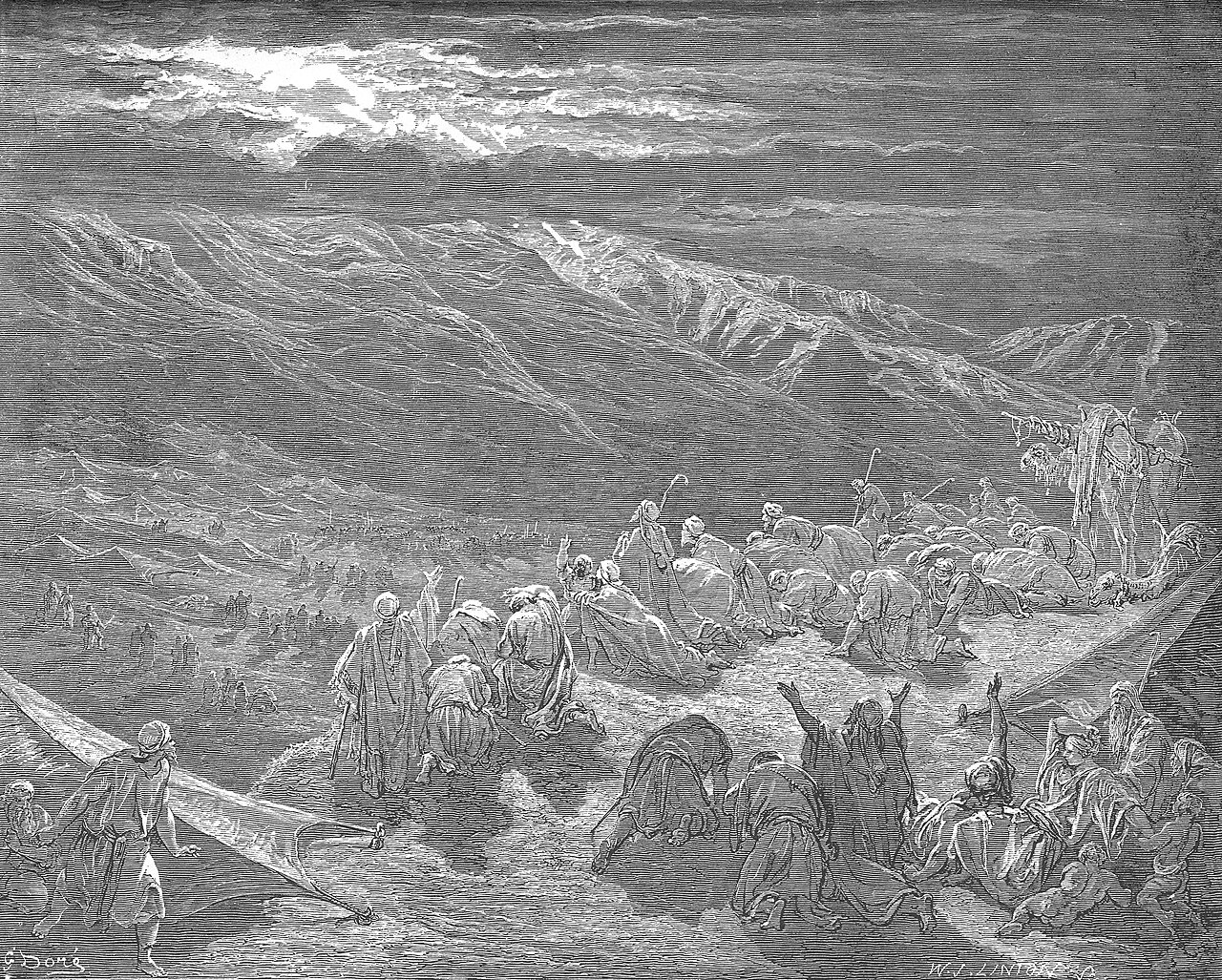
This page draws on Charles Spurgeon, The Metropolitan Tabernacle Pulpit, Sermon 1581: Silver Sockets, Redemption the Foundation; Charles Spurgeon, The Metropolitan Tabernacle Pulpit, Sermon No. 1581: “Silver Sockets—Redemption the Foundation!” (lightly modernized text, CCEL edition); John Gill, Exposition of the Old Testament (1748-1763) and Matthew Henry, Commentary on the Whole Bible.