
Deuteronomy 14:26
in Deuteronomy 14Then you may spend the money on anything you desire: cattle, sheep, wine, strong drink, or anything you wish. You are to feast there in the presence of the LORD your God and rejoice with your household.
BSB
The same verse in ASV and KJV ▾
ASV
and thou shalt bestow the money for whatsoever thy soul desireth, for oxen, or for sheep, or for wine, or for strong drink, or for whatsoever thy soul asketh of thee; and thou shalt eat there before Jehovah thy God, and thou shalt rejoice, thou and thy household.
KJV
And thou shalt bestow that money for whatsoever thy soul lusteth after, for oxen, or for sheep, or for wine, or for strong drink, or for whatsoever thy soul desireth: and thou shalt eat there before the Lord thy God, and thou shalt rejoice, thou, and thine household,
⋯
This verse in Deuteronomy 14
Commentary
4 notes on this verseOr for strong drink - What the sikera or strong drink of the Hebrews was, see in the note on Lev 10:9 (note). This one verse sufficiently shows that the Mosaic law made ample provision for the comfort and happiness of the people.
This site's exposition
Thou shalt truly tithe all the increase
on Deuteronomy 14:22-27
Numbers 18:21 gave the tithe to the Levites, and the tithe here is eaten by the man who brings it, at the place the Lord shall choose to place his name. Readers have taken that two ways: the older Jewish reckoning, which Josephus and Clarke follow, counts a second tithe distinct from the Levites' tenth, while others read one tithe described from another angle in another book. When the road is long the produce may be sold, the money bound up in the hand and carried, and spent at the sanctuary on oxen, sheep, wine or strong drink, whatsoever thy soul desireth. The reason attached to the meal is that thou mayest learn to fear the Lord thy God always, which makes the feast itself the lesson.
The record, by era
The Puritans and the Awakening1 voice
And thou shall bestow that money for whatsoever thy soul lusteth after,....
The Nineteenth Century1 voice
A commentator
Jamieson, Fausset & Brown1802–1910
Commentary Critical and Explanatory on the Whole Bible (1871)
proposed
Thou shalt truly tithe all the increase of thy seed--The dedication of a tenth part of the year's produce in everything was then a religious duty. It was to be brought as an offering to the sanctuary; and, where distance prevented its being taken in kind, it was by this statute convertible into money.
How the passage was read
On Deuteronomy 14:22-29On Deuteronomy 14:22-29
The tithe system behind the mint and cumin
The Torah's tithe was agricultural: a tenth of grain, wine, and oil, eaten before the LORD or given, in the third year, to the Levite, the sojourner, the fatherless, and the widow. The oral tradition extended the duty far beyond the named crops. The Mishnah's tractate on tithes opens with the general rule: “whatever is food, and is looked after, and grows from the land, is liable for tithes” (Maasrot 1:1). Under that rule even kitchen herbs were tithed, a scruple carried out leaf by leaf.
That is the practice behind Jesus' words about tithing “mint and dill and cumin” (Matthew 23:23). Read His sentence whole: “these you ought to have done, without neglecting the others.” He affirms the scruple and indicts the inversion of weight, the tithed herb beside the neglected justice, mercy, and faithfulness. The woe is about proportion, not about tithing.
This section is reception history: how the passage was read and kept in the Jewish tradition. Where a reading parts from an essential of the Christian faith, the section says so at that point.
The words behind it
22 Hebrew wordsEvery Hebrew word of this verse in the order it stands, with what it means and the door to its own study. The last column counts the times a word stands in the whole Bible: the rarer the word, the more the places it appears belong together.
| Hebrew | Sound | Meaning | Word study | In the Bible |
|---|---|---|---|---|
| וְנָתַתָּ֣ה | venatatah | and you will exchange | H5414 → | 2011 times |
| הַכֶּ֡סֶף | hakesef | the money | H3701 → | 403 times |
| בְּכֹל֩ | bekhol | for all | H3605 → | 5413 times |
| אֲשֶׁר־ | ʾasher- | that | H834 → | 5497 times |
| תְּאַוֶּ֨ה | teaveh | it will desire | H183 → | 26 times |
| נַפְשְׁךָ֜ | nafshekha | appetite your | H5315 → | 754 times |
| בַּבָּקָ֣ר | babakar | for <the> cattle | H1241 → | 183 times |
| וּבַצֹּ֗אן | uvatzon | and for <the> sheep | H6629 → | 274 times |
| וּבַיַּ֙יִן֙ | uvaiyayin | and for <the> wine | H3196 → | 141 times |
| וּבַשֵּׁכָ֔ר | uvashekhar | and for <the> strong drink | H7941 → | |
| וּבְכֹ֛ל | uvekhol | and for all | H3605 → | 5413 times |
| אֲשֶׁ֥ר | ʾasher | that | H834 → | 5497 times |
| תִּֽשְׁאָלְךָ֖ | tishalekha | it will ask you | H7592 → | 171 times |
| נַפְשֶׁ֑ךָ | nafshekha | appetite your | H5315 → | 754 times |
| וְאָכַ֣לְתָּ | veakhalta | and you will eat | H398 → | 810 times |
| שָּׁ֗ם | sham | there | H8033 → | 834 times |
| לִפְנֵי֙ | lifnei | <to> before | H6440 → | 2123 times |
| יְהוָ֣ה | yahweh | Yahweh | H3068 → | 6520 times |
| אֱלֹהֶ֔יךָ | ʾeloheikha | God your | H430 → | 2601 times |
| וְשָׂמַחְתָּ֖ | vesamachta | and you will rejoice | H8055 → | 155 times |
| אַתָּ֥ה | ʾatah | you | H859 → | 1094 times |
| וּבֵיתֶֽךָ׃ | uveitekha | and household your | H1004 → | 2046 times |
וְנָתַתָּ֣הand you will exchange
venatatahH5414 →2011 times
הַכֶּ֡סֶףthe money
hakesefH3701 →403 times
בְּכֹל֩for all
bekholH3605 →5413 times
אֲשֶׁר־that
ʾasher-H834 →5497 times
תְּאַוֶּ֨הit will desire
teavehH183 →26 times
נַפְשְׁךָ֜appetite your
nafshekhaH5315 →754 times
בַּבָּקָ֣רfor <the> cattle
babakarH1241 →183 times
וּבַצֹּ֗אןand for <the> sheep
uvatzonH6629 →274 times
וּבַיַּ֙יִן֙and for <the> wine
uvaiyayinH3196 →141 times
וּבַשֵּׁכָ֔רand for <the> strong drink
uvashekharH7941 →
וּבְכֹ֛לand for all
uvekholH3605 →5413 times
אֲשֶׁ֥רthat
ʾasherH834 →5497 times
תִּֽשְׁאָלְךָ֖it will ask you
tishalekhaH7592 →171 times
נַפְשֶׁ֑ךָappetite your
nafshekhaH5315 →754 times
וְאָכַ֣לְתָּand you will eat
veakhaltaH398 →810 times
שָּׁ֗םthere
shamH8033 →834 times
לִפְנֵי֙<to> before
lifneiH6440 →2123 times
יְהוָ֣הYahweh
yahwehH3068 →6520 times
אֱלֹהֶ֔יךָGod your
ʾeloheikhaH430 →2601 times
וְשָׂמַחְתָּ֖and you will rejoice
vesamachtaH8055 →155 times
אַתָּ֥הyou
ʾatahH859 →1094 times
וּבֵיתֶֽךָ׃and household your
uveitekhaH1004 →2046 times
A shaded row is a word that stands 400 times or fewer in the Bible.
The walk
8 stopsEach card is a verse this one points to, and under it the verses that one points to in turn. Where several paths arrive at the same place, that place is listed first: the text keeps returning to it.
Through
Matthew 21:12Then Jesus entered the temple courts and drove out all who were buying and selling there. He overturned the tables of the money changers and the seats of those selling doves.
it leads to
- John 2:14–17
In the temple courts He found men selling cattle, sheep, and doves, and money changers seated at their tables.
- Luke 19:45–47
Then Jesus entered the temple courts and began to drive out those who were selling there.
- Mark 11:15–18
When they arrived in Jerusalem, Jesus entered the temple courts and began to drive out those who were buying and selling there. He overturned the tables of the money changers and the seats of…
- Leviticus 1:14
If, instead, one’s offering to the LORD is a burnt offering of birds, he is to present a turtledove or a young pigeon.
- John 2:14–17
Through
Ecclesiastes 9:7Go, eat your bread with joy, and drink your wine with a cheerful heart, for God has already approved your works:
it leads to
- Deuteronomy 12:7
There, in the presence of the LORD your God, you and your households shall eat and rejoice in all you do, because the LORD your God has blessed you.
Reached by 2 separate paths from here.
- Ecclesiastes 3:12–13
I know that there is nothing better for them than to rejoice and do good while they live,
- Ecclesiastes 10:19
A feast is prepared for laughter, and wine makes life merry, but money is the answer for everything.
- Ecclesiastes 8:15
So I commended the enjoyment of life, because there is nothing better for a man under the sun than to eat and drink and be merry. For this joy will accompany him in his…
- Deuteronomy 12:7
About Deuteronomy
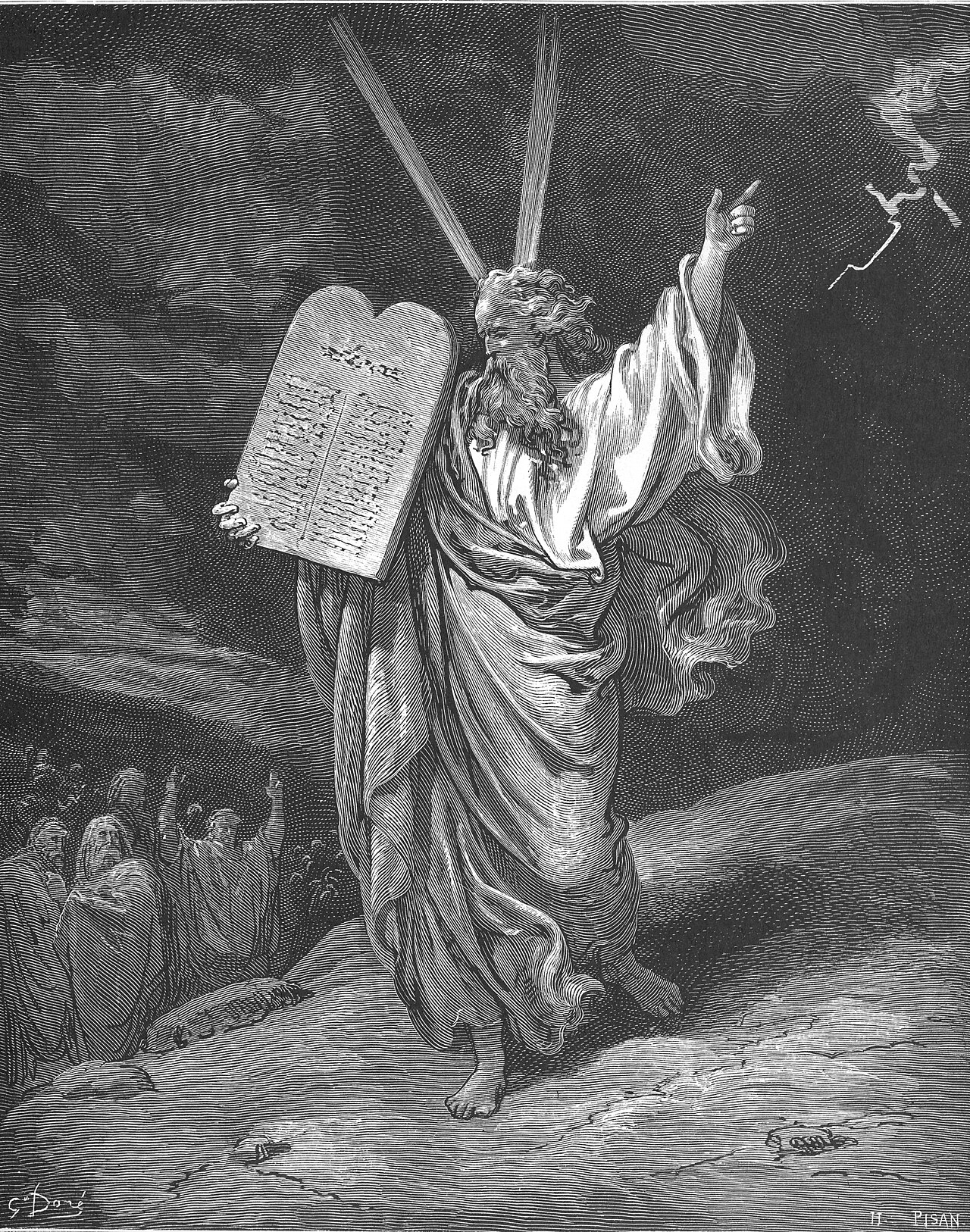
This page draws on Adam Clarke, Commentary on the Bible; Jamieson, Fausset & Brown, Commentary Critical and Explanatory on the Whole Bible and John Gill, Exposition of the Old Testament (1748-1763).