
2 Samuel 21:9
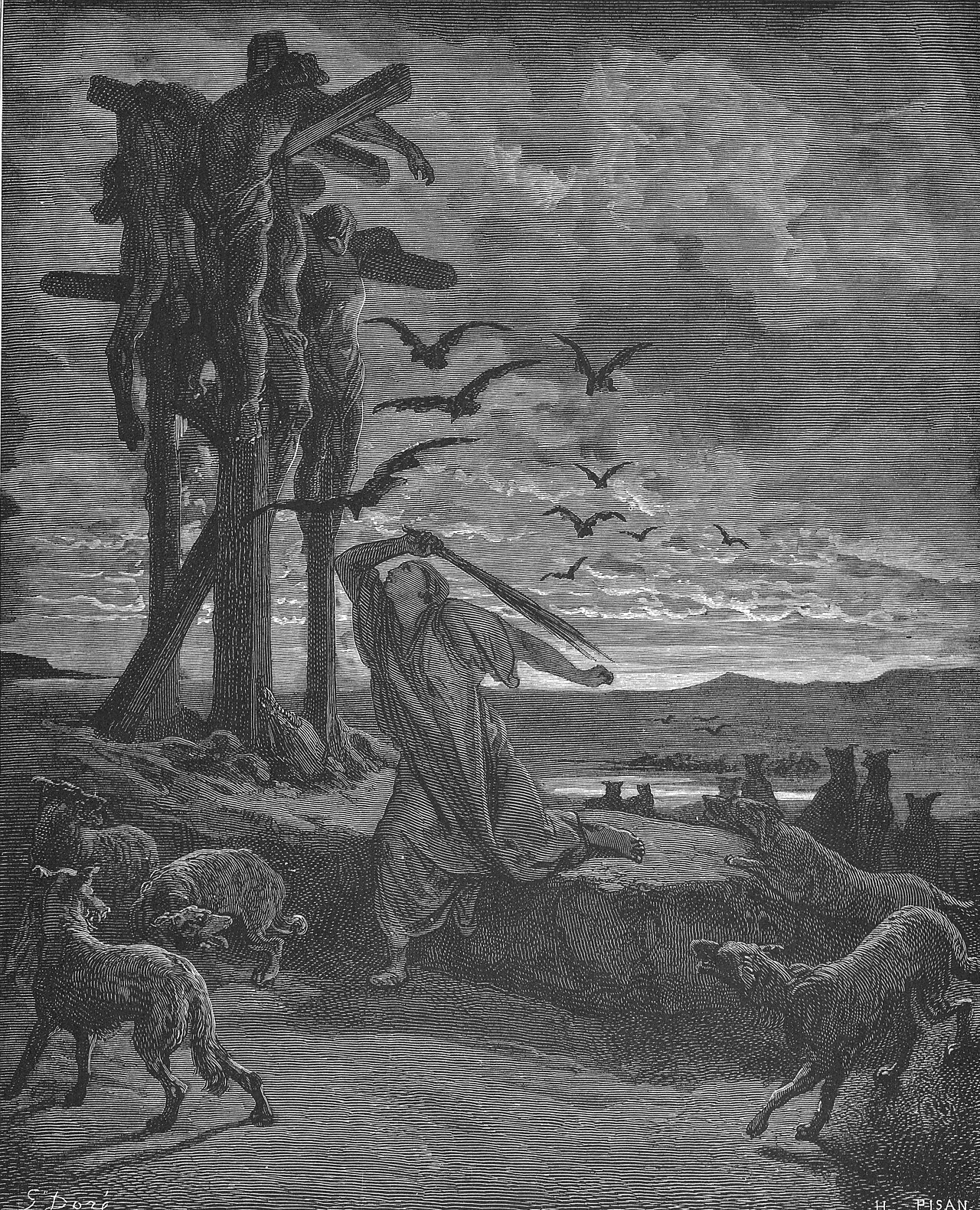
in 2 Samuel 21And he delivered them into the hands of the Gibeonites, and they hanged them on the hill before the LORD. So all seven of them fell together; they were put to death in the first days of the harvest, at the beginning of the barley harvest.
BSB
The same verse in ASV and KJV ▾
ASV
and he delivered them into the hands of the Gibeonites, and they hanged them in the mountain before Jehovah, and they fell all seven together. And they were put to death in the days of harvest, in the first days, at the beginning of barley harvest.
KJV
And he delivered them into the hands of the Gibeonites, and they hanged them in the hill before the Lord: and they fell all seven together, and were put to death in the days of harvest, in the first days, in the beginning of barley harvest.
⋯
This verse in 2 Samuel 21
Commentary
6 notes on this verseA commentator
Albert Barnes1798–1870
Notes, Explanatory and Practical, on the Old and New Testaments (1832-1869)
In the first days - The barley harvest (about the middle or toward the end of April) was earlier than the wheat harvest Exo 9:31; Rth 1:22.
This site's exposition
Armoni and Mephibosheth
on 2 Samuel 21:8-9
The King James text reads Michal here, and Adam Clarke points out that 1 Samuel 18:19 names Merab as the wife of Adriel. All seven were hanged “on the hill before the LORD” together “at the beginning of the barley harvest”, the season in which Ruth gleaned.
This site's exposition
the beginning of the barley harvest
Deuteronomy 21:22-23 required burial the same day. Jamieson, Fausset and Brown hold that the Gibeonites counted themselves outside that law and meant the bodies to hang until God sent rain. Albert Barnes places barley harvest in April, which sets the vigil of verse 10 in the dry months.
The record, by era
The Puritans and the Awakening1 voice
And he delivered them into the hands of the Gibeonites,....
The Nineteenth Century2 voices
A commentator
Jamieson, Fausset & Brown1802–1910
Commentary Critical and Explanatory on the Whole Bible (1871)
proposed
they hanged them in the hill before the Lord--Deeming themselves not bound by the criminal law of Israel (De 21:22, 23), their intention was to let the bodies hang until God, propitiated by this offering, should send rain upon the land, for the want of it had occasioned the famine.
quarantine:debris (2026-07-29) — starts-lowercase
In the beginning of barley harvest - This happened in Judea about the vernal equinox, or the 21st of March.
How the passage was read
What the Jewish commentators add
On the verses either side of this one
Until the rains fell on them. During the rainy season in Tishri. Their bones were not removed for burial. But is it not written, "His body should not remain [hanging] overnight" 18 Devorim:22. Why did Dovid let this happen? ?
This section is reception history: how the passage was read and kept in the Jewish tradition. Where a reading parts from an essential of the Christian faith, the section says so at that point.
Texts and citation data: Sefaria; each excerpt follows its version’s licence. 3 further sources are cited on this chapter that carry no English text this site may quote or only restate the verse.
The words behind it
18 Hebrew wordsEvery Hebrew word of this verse in the order it stands, with what it means and the door to its own study. The last column counts the times a word stands in the whole Bible: the rarer the word, the more the places it appears belong together.
| Hebrew | Sound | Meaning | Word study | In the Bible |
|---|---|---|---|---|
| וַֽיִּתְּנֵ֞ם | vaiyitenem | and he gave them | H5414 → | 2011 times |
| בְּיַ֣ד | beyad | in [the] hand of | H3027 → | 1618 times |
| הַגִּבְעֹנִ֗ים | hagivonim | the Gibeonites | H1393 → | 7 times |
| וַיֹּקִיעֻ֤ם | vaiyokium | and they impaled them | H3363 → | 8 times |
| בָּהָר֙ | bahar | on the mountain | H2022 → | 546 times |
| לִפְנֵ֣י | lifnei | <to> before | H6440 → | 2123 times |
| יְהוָ֔ה | yahweh | Yahweh | H3068 → | 6520 times |
| וַיִּפְּל֥וּ | vaiyipelu | and they fell | H5307 → | 435 times |
| שְׁבַעְתָּ֖ם | shiva'tayim | [the] seven of them | H7651 → | 394 times |
| יָ֑חַד | yachad | together | H3162 → | 141 times |
| וְהֵ֨מָּה | vehem | and they | H1992 → | 553 times |
| הֻמְת֜וּ | humtu | they were put to death | H4191 → | 839 times |
| בִּימֵ֤י | bimei | in [the] days of | H3117 → | 2304 times |
| קָצִיר֙ | katzir | harvest | H7105 → | 54 times |
| בָּרִ֣אשֹׁנִ֔ים | barishonim | in the first | H7223 → | 182 times |
| בִּתְחִלַּ֖ת | bitechilat | at [the] beginning of | H8462 → | 22 times |
| קְצִ֥יר | ketzir | [the] harvest of | H7105 → | 54 times |
| שְׂעֹרִֽים׃ | seorim | barley<s> | H8184 → | 34 times |
וַֽיִּתְּנֵ֞םand he gave them
vaiyitenemH5414 →2011 times
בְּיַ֣דin [the] hand of
beyadH3027 →1618 times
הַגִּבְעֹנִ֗יםthe Gibeonites
hagivonimH1393 →7 times
וַיֹּקִיעֻ֤םand they impaled them
vaiyokiumH3363 →8 times
בָּהָר֙on the mountain
baharH2022 →546 times
לִפְנֵ֣י<to> before
lifneiH6440 →2123 times
יְהוָ֔הYahweh
yahwehH3068 →6520 times
וַיִּפְּל֥וּand they fell
vaiyipeluH5307 →435 times
שְׁבַעְתָּ֖ם[the] seven of them
shiva'tayimH7651 →394 times
יָ֑חַדtogether
yachadH3162 →141 times
וְהֵ֨מָּהand they
vehemH1992 →553 times
הֻמְת֜וּthey were put to death
humtuH4191 →839 times
בִּימֵ֤יin [the] days of
bimeiH3117 →2304 times
קָצִיר֙harvest
katzirH7105 →54 times
בָּרִ֣אשֹׁנִ֔יםin the first
barishonimH7223 →182 times
בִּתְחִלַּ֖תat [the] beginning of
bitechilatH8462 →22 times
קְצִ֥יר[the] harvest of
ketzirH7105 →54 times
שְׂעֹרִֽים׃barley<s>
seorimH8184 →34 times
A shaded row is a word that stands 400 times or fewer in the Bible.
The walk
8 stopsEach card is a verse this one points to, and under it the verses that one points to in turn. Where several paths arrive at the same place, that place is listed first: the text keeps returning to it.
Through
Exodus 20:5You shall not bow down to them or worship them; for I, the LORD your God, am a jealous God, visiting the iniquity of the fathers on their children to the third and fourth…
it leads to
- Deuteronomy 5:9
You shall not bow down to them or worship them; for I, the LORD your God, am a jealous God, visiting the iniquity of the fathers on their children to the third and fourth…
- Numbers 14:18
‘The LORD is slow to anger and abounding in loving devotion, forgiving iniquity and transgression. Yet He will by no means leave the guilty unpunished; He will visit the iniquity of the fathers upon…
- Deuteronomy 4:24
For the LORD your God is a consuming fire, a jealous God.
- Exodus 34:14
For you must not worship any other god, for the LORD, whose name is Jealous, is a jealous God.
- Joshua 24:19
But Joshua said to the people, “You are not able to serve the LORD, for He is a holy God; He is a jealous God; He will not forgive your rebellion or your sins.
- Deuteronomy 5:9
Through
2 Samuel 6:21But David said to Michal, “I was dancing before the LORD, who chose me over your father and all his house when He appointed me ruler over the LORD’s people Israel. I will celebrate…
it leads to
- Acts 13:22
After removing Saul, He raised up David as their king and testified about him: ‘I have found David son of Jesse a man after My own heart; he will carry out My will in…
- 2 Samuel 6:16
As the ark of the LORD was entering the City of David, Saul’s daughter Michal looked down from a window and saw King David leaping and dancing before the LORD, and she despised him…
- Acts 13:22
Through
1 Samuel 15:33But Samuel declared: “As your sword has made women childless, so your mother will be childless among women.” And Samuel hacked Agag to pieces before the LORD at Gilgal.
it leads to
- Judges 1:7
Then Adoni-bezek said, “Seventy kings with their thumbs and big toes cut off have gathered the scraps under my table. As I have done to them, so God has repaid me.” And they brought…
- Judges 1:7
Where this verse is studied
On this page
Studies9
On this verse
About 2 Samuel
This page draws on Adam Clarke, Commentary on the Bible; Albert Barnes, Notes, Explanatory and Practical, on the Old and New Testaments (1832-1869); Albert Barnes, Notes on the Old Testament; Jamieson, Fausset & Brown, Commentary Critical and Explanatory on the Whole Bible and John Gill, Exposition of the Old Testament (1748-1763).