
1 Samuel 20:26
in 1 Samuel 20Saul said nothing that day because he thought, “Something has happened to David to make him ceremonially unclean—surely he is unclean.”
BSB
The same verse in ASV and KJV ▾
ASV
Nevertheless Saul spake not anything that day: for he thought, Something hath befallen him, he is not clean; surely he is not clean.
KJV
Nevertheless Saul spake not any thing that day: for he thought, Something hath befallen him, he is not clean; surely he is not clean.
⋯
This verse in 1 Samuel 20
Commentary
6 notes on this verseA commentator
Albert Barnes1798–1870
Notes, Explanatory and Practical, on the Old and New Testaments (1832-1869)
He is not clean - The new moon being a religious feast, and the meat to be eaten being peace-offerings, no one could assist at the feast who had any ceremonial uncleanness upon him (marginal references).
This site's exposition
So David hid in the field, and when the New Moon had come
on 1 Samuel 20:24-26
The plan is carried out exactly, and Saul sits "in his usual place by the wall, opposite Jonathan and beside Abner," with David’s place empty. Saul says nothing the first day, assuming David is "ceremonially unclean," the explanation any Israelite would reach for before treachery. Only four men sit at that table, so one empty seat cannot go unnoticed for long.
This site's exposition
Something has happened to David to make him ceremonially unclean
Albert Barnes explains the rule behind Saul's guess. The meat of the feast came from peace offerings, and Leviticus 7:20 barred anyone unclean from eating them. Many kinds of uncleanness lasted only until evening, so a second day's absence called for another reason.
The record, by era
The Medieval Church1 voice
He was thinking that perhaps it had happened to him, etc. For the Jews thought that Jesus was neither clean nor purified from sins because he had violated the Sabbath and done other things contrary to the decrees of the law or rather of their …
The Puritans and the Awakening2 voices
Nevertheless, Saul spake not anything that day,....
Blessed be God, no uncleanness is now a restraint upon us, but what we may by faith and repentance be washed from in the fountain opened, Ps. xxvi. He is enquired for the second day,
The words behind it
16 Hebrew wordsEvery Hebrew word of this verse in the order it stands, with what it means and the door to its own study. The last column counts the times a word stands in the whole Bible: the rarer the word, the more the places it appears belong together.
| Hebrew | Sound | Meaning | Word study | In the Bible |
|---|---|---|---|---|
| וְלֹֽא־ | velo'- | and not | H3808 → | 5168 times |
| דִבֶּ֥ר | diber | he spoke | H1696 → | 1141 times |
| שָׁא֛וּל | shaul | Saul | H7586 → | 402 times |
| מְא֖וּמָה | meumah | anything | H3972 → | 32 times |
| בַּיּ֣וֹם | baiyom | on the day | H3117 → | 2304 times |
| הַה֑וּא | hahu' | <the> that | H1931 → | 1879 times |
| כִּ֤י | ki | for | H3588 → | 4482 times |
| אָמַר֙ | ʾamar | he said | H559 → | 5305 times |
| מִקְרֶ֣ה | mikreh | [is] an accident | H4745 → | |
| ה֔וּא | hu' | it | H1931 → | 1879 times |
| בִּלְתִּ֥י | bilti | not | H1115 → | |
| טָה֛וֹר | tahor | [is] clean | H2889 → | |
| ה֖וּא | hu' | he | H1931 → | 1879 times |
| כִּֽי־ | ki- | for | H3588 → | 4482 times |
| לֹ֥א | lo' | not | H3808 → | 5168 times |
| טָהֽוֹר׃ ס | tahor | clean | H2889 → |
וְלֹֽא־and not
velo'-H3808 →5168 times
דִבֶּ֥רhe spoke
diberH1696 →1141 times
שָׁא֛וּלSaul
shaulH7586 →402 times
מְא֖וּמָהanything
meumahH3972 →32 times
בַּיּ֣וֹםon the day
baiyomH3117 →2304 times
הַה֑וּא<the> that
hahu'H1931 →1879 times
כִּ֤יfor
kiH3588 →4482 times
אָמַר֙he said
ʾamarH559 →5305 times
מִקְרֶ֣ה[is] an accident
mikrehH4745 →
ה֔וּאit
hu'H1931 →1879 times
בִּלְתִּ֥יnot
biltiH1115 →
טָה֛וֹר[is] clean
tahorH2889 →
ה֖וּאhe
hu'H1931 →1879 times
כִּֽי־for
ki-H3588 →4482 times
לֹ֥אnot
lo'H3808 →5168 times
טָהֽוֹר׃ סclean
tahorH2889 →
A shaded row is a word that stands 400 times or fewer in the Bible.
The walk
8 stopsEach card is a verse this one points to, and under it the verses that one points to in turn. Where several paths arrive at the same place, that place is listed first: the text keeps returning to it.
Through
1 Samuel 16:5“In peace,” he replied. “I have come to sacrifice to the LORD. Consecrate yourselves and come with me to the sacrifice.” Then he consecrated Jesse and his sons and invited them to the sacrifice.
it leads to
- Leviticus 20:7–8
Consecrate yourselves, therefore, and be holy, because I am the LORD your God.
- Joshua 3:5
Then Joshua told the people, “Consecrate yourselves, for tomorrow the LORD will do wonders among you.”
- Exodus 19:10
Then the LORD said to Moses, “Go to the people and consecrate them today and tomorrow. They must wash their clothes
- Joshua 7:13
Get up and consecrate the people, saying, ‘Consecrate yourselves for tomorrow, for this is what the LORD, the God of Israel, says: Among you, O Israel, there are things devoted to destruction. You cannot…
- Exodus 19:14–15
When Moses came down from the mountain to the people, he consecrated them, and they washed their clothes.
- Leviticus 20:7–8
Through
Leviticus 15:5Anyone who touches his bed must wash his clothes and bathe with water, and he will be unclean until evening.
it leads to
- Leviticus 11:25
and whoever picks up one of their carcasses must wash his clothes, and he will be unclean until evening.
- Leviticus 17:15
And any person, whether native or foreigner, who eats anything found dead or mauled by wild beasts must wash his clothes and bathe with water, and he will be unclean until evening; then he…
- Leviticus 16:26
The man who released the goat as the scapegoat must wash his clothes and bathe himself with water; afterward he may reenter the camp.
- Leviticus 11:25
Where this verse is studied
On this page
About 1 Samuel
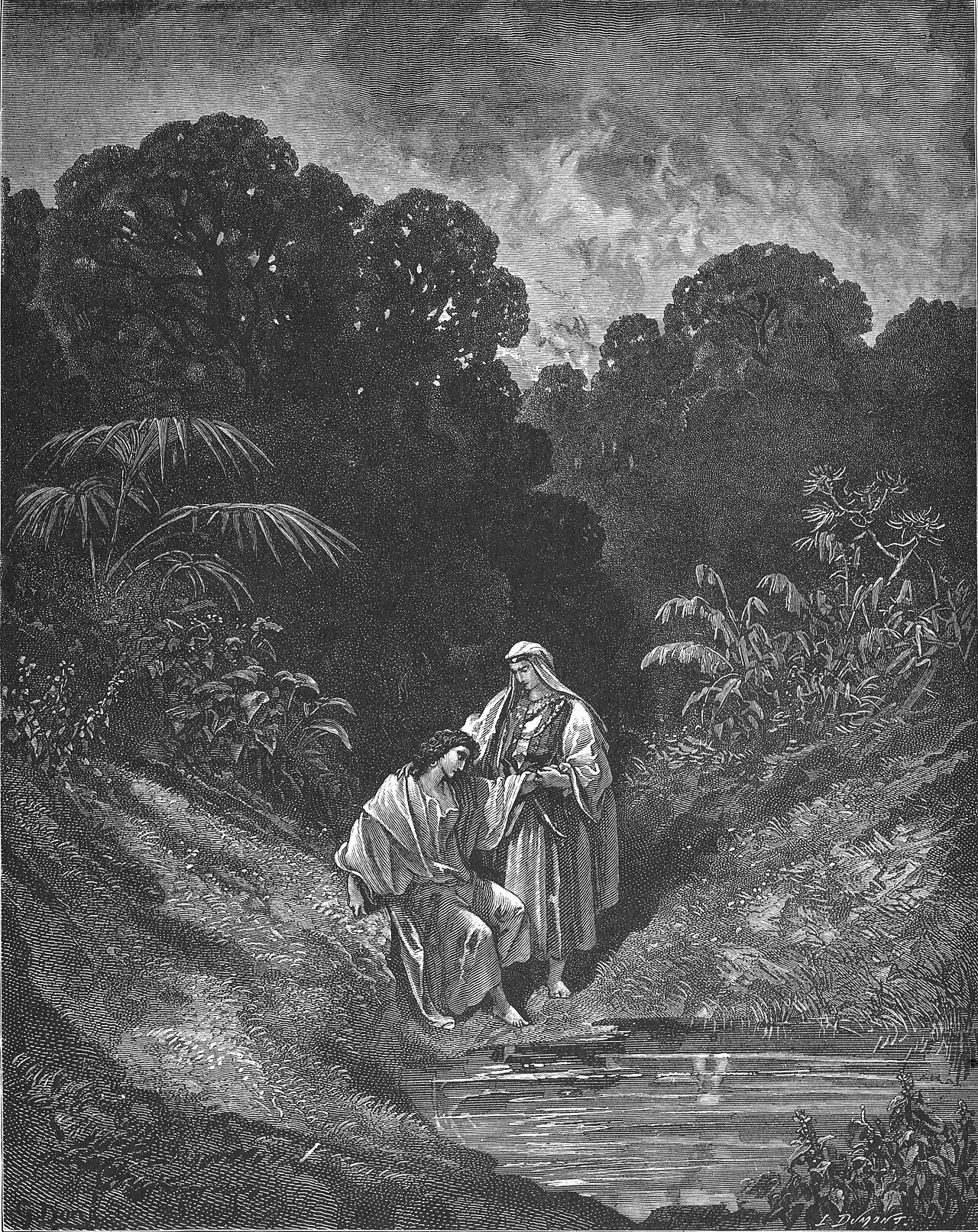
Who and where
2 names in this verse with a page on the site.
- PersonUnited MonarchyDavidSecond king of united Israel, shepherd-turned-monarch, ancestor of the Messiah, and traditional author of many Psalms.
- PersonUnited monarchySaulIsrael's first king, head and shoulders above the people; began in humility, ended in rejection — sparing what God devoted, consul…
This page draws on Adam Clarke, Commentary on the Bible; Albert Barnes, Notes, Explanatory and Practical, on the Old and New Testaments (1832-1869); Albert Barnes, Notes on the Old Testament; Bede, Commentary on Samuel; John Gill, Exposition of the Old Testament (1748-1763) and Matthew Henry, Commentary on the Whole Bible.