
Psalms 65:8
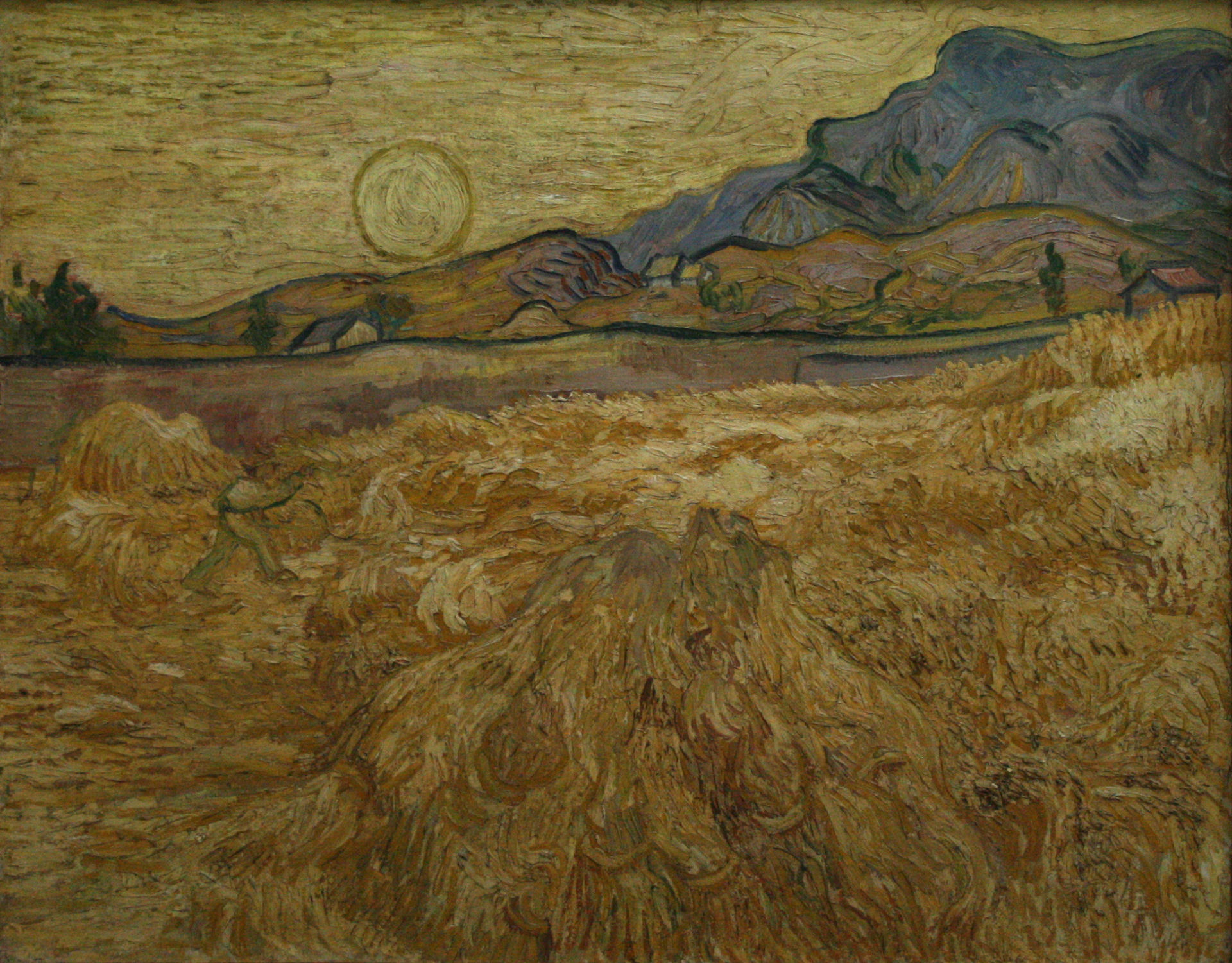
in Psalms 65Those who live far away fear Your wonders; You make the dawn and sunset shout for joy.
BSB
The same verse in ASV and KJV ▾
ASV
They also that dwell in the uttermost parts are afraid at thy tokens: Thou makest the outgoings of the morning and evening to rejoice.
KJV
They also that dwell in the uttermost parts are afraid at thy tokens: thou makest the outgoings of the morning and evening to rejoice.
⋯
This verse in Psalms 65
Commentary
11 notes on this verseThey also that dwell in the uttermost parts are afraid at thy tokens,.... The tokens of his wrath and displeasure at wicked men, seen in the punishments inflicted on them, which cause them to fear and tremble. Some interpret them of the sun, moon, and stars, which are set for "signs", as the word (m) used signifies; and which declare the glory of God to the uttermost parts of the earth, and strike men with awe and reverence of him; and others of thunder and lightning, which are sometimes very dreadful and terrible.
This site's exposition
awesome deeds of righteousness
on Psalms 65:5-8
Awesome deeds of righteousness are how God answers, and He is the hope of the farthest seas. Verse 7 sets the roaring seas and the tumult of the nations in one line, all stilled by the same hand that formed the mountains. The dawn and sunset shout for joy.
This site's exposition
the dawn and sunset shout for joy
John Wesley divides the verse in two. Those who live far away fear the wonders that bring terror, and the dawn and sunset shout for joy at the ordinary works that delight.
The record, by era
The Church Fathers1 voice
"The nations shall be troubled" [Psalm 65:8]. At first they shall be troubled: but those mountains prepared in the strength of Christ, are they troubled? Troubled is the sea, against the mountains it dashes: the sea breaks, unshaken the mountains have remained. "The nations shall be troubled, and all men shall fear." Behold now all men fear: they that before have been troubled do now all fear. The Christians feared not, and now the Christians are feared. All that did persecute do now fear. For He has overcome that is girded about with power, to Him has come every flesh in such sort, that the rest by their very minority do now fear. And all men shall fear, that inhabit the ends of the earth, because of Your signs. For miracles the Apostles wrought, and thence all the ends of the earth have feared and have believed. "Outgoings in morning and in evening You shall delight:" that is, You make delightful. Already in this life what is there being promised to us? There are outgoings in morning, there are outgoings in the evening. By the morning he signifies the prosperity of the world, by the evening he signifies the trouble of the world....At first when he was promising gain, it was morning to you: but now evening draws on, sad you have become. But He that has given you an outgoing in the morning, will give one also in the evening. In the same manner as you have contemned the morning of the world by the light of the Lord, so contemn the evening also by the sufferings of the Lord, in saying to your soul, What more will this man do to me, than my Lord has suffered for me? May I hold fast justice, not consent to iniquity. […]
The Puritans and the Awakening2 voices
Morning - The successive courses of the morning and evening; or of the sun and moon which go forth at those times. Thus the whole verse speaks of the natural works of God, the former clause, of such as are extraordinary and terrible, the latter of such as are ordinary and delightful.
So does the hireling earnestly desire the shadow. Some understand it of the morning and evening sacrifice, which good people greatly rejoiced in and in which God was constantly honoured. Thou makest them to sing (so the word is); for every morning and every evening songs of praise were sung by the Levites; it was that which the duty of every day required.
The Nineteenth Century2 voices
They also that dwell in the uttermost parts are afraid of thy tokens. Signs of God's presence are not few, nor confined to any one region. Zembla sees them as well as Zion, and Terra del Fuego as surely as the Terra Sacra. These tokens are sometimes terrible phenomena in nature—such as earthquakes, pestilence, tornado, or storm; and when these are seen, even the most barbarous people tremble before God. At other times they are dread works of providence—such as the overthrow of Sodom, and the destruction of Pharaoh.
A commentator
Jamieson, Fausset & Brown1802–1910
Commentary Critical and Explanatory on the Whole Bible (1871)
proposed
God's great power and goodness are the grounds of this confidence. These are illustrated in His control of the mightiest agencies of nature and nations affecting men with awe and dread (Ps 26:7;
quarantine:debris (2026-07-29) — unbalanced-parens
3 more voices on this verse
The Nineteenth Century3 voices
They also that dwell in the uttermost parts are afraid of thy tokens. Signs of God's presence are not few, nor confined to any one region. Zembla sees them as well as Zion, and Terra del Fuego as surely as the Terra Sacra. These tokens are sometimes terrible phenomena in nature—such as earthquakes, pestilence, tornado, or storm; and when these are seen, even the most barbarous people tremble before God. At other times they are dread works of providence—such as the overthrow of Sodom, and the destruction of Pharaoh. The rumour of these judgments travels to earth's utmost verge, and impresses all people with a fear and trembling at such a just and holy God. We bless God that we are not afraid but rejoice at his tokens; with solemn awe we are glad when we behold his mighty acts. We fear, but not with slavish fear. Thou makest the outgoings of the morning and evening to rejoice. East and west are made happy by God's favour to the dwellers therein. Our rising hours are bright with hope, and our evening moments mellow with thanksgiving. Whether the sun go forth or come in we bless God and rejoice in the gates of the day. When the fair morning blushes with the rosy dawn we rejoice; and when the calm evening smiles restfully we rejoice still. We do not believe that the dew weeps the death of the day; we only see jewels bequeathed by the departing day for its successor to gather up from the earth. Faith, when she sees God, rounds the day with joy. She cannot fast, because the bridegroom is with her. Night and day are alike to her, for the same God made them and blessed them. She would have no rejoicing if God did not make her glad; but, blessed be his name, he never ceases to make joy for those who find their joy in him.
Are afraid at thy tokens - Thunder and lightning, storms and tempests, eclipses and meteors, tornadoes and earthquakes, are proofs to all who dwell even in the remotest parts of the earth, that there is a Supreme Being who is wonderful and terrible in his acts. By these things an eternal power and Godhead become manifest even to the most barbarous. From this verse to the end of the Psalm there is a series of the finest poetic imagery in the world. The outgoings of the morning, etc. - The rising and setting sun, the morning and evening twilight, the invariable succession of day and night, are all ordained by thee, and contribute to the happiness and continuance of man and beast. Or, All that fear thee praise thee in the morning, when they go to their work, and in the evening, when they return home, for thy great goodness manifested in the continuance of their strength, and the success of their labor.
A commentator
Albert Barnes1798–1870
Notes, Explanatory and Practical, on the Old and New Testaments (1832-1869)
proposed
They also that dwell in the utter-most parts - That is, Those who dwell in the remotest regions; far from civilized lands; far from those places where people are instructed as to the causes of the events which occur, and as to the being and character of the great God who performs these wonders. The idea is, that even they see enough of the evidences of the divine presence and power to fill their minds with awe. In other words, there are in all lands evidences of the Divine existence and might. There is enough to fill the minds of people with awe, and to make them solemn. Are afraid - Thus the thunder, the storm, the tempest, the earthquake, the eclipse of the sun or the moon, fill the minds of barbarous nations with terror. At thy tokens - Or signs. That is, the signs which really indicate the existence, the presence, and the power of God. Thou makest the outgoings - The word rendered outgoings means properly a going forth, as of the rising of the sun Psa 19:7; and then, a place of going forth, or from which anything goes forth, as a gate or door Eze 42:11, or fountains from which water issues Isa 41:18; and hence, the east, where the sun seems to come forth from his hiding-place. The representation here is that the morning seems to come forth, or that the rays of light stream out from the east; and, in like manner, that the fading light of the evening - the twilight - seems to come from the west. Of the morning and evening to rejoice - The allusion is to the east and the west. The sun in his rising and his setting seems to rejoice; that is, he appears happy, bright, cheerful. The margin is to sing - a poetic expression indicating exultation and joy.
The words behind it
8 Hebrew wordsEvery Hebrew word of this verse in the order it stands, with what it means and the door to its own study. The last column counts the times a word stands in the whole Bible: the rarer the word, the more the places it appears belong together.
| Hebrew | Sound | Meaning | Word study | In the Bible |
|---|---|---|---|---|
| וַיִּ֤ירְא֨וּ׀ | vaiyireu | and they were afraid | H3372 → | 315 times |
| יֹשְׁבֵ֣י | yoshevei | [the] inhabitants of | H3427 → | 1079 times |
| קְ֭צָוֹת | ketzavot | [the] ends | H7117 → | |
| מֵאוֹתֹתֶ֑יךָ | meototeikha | from signs your | H226 → | 80 times |
| מ֤וֹצָֽאֵי־ | motzaei- | [the] going<s> out of | H4161 → | 27 times |
| בֹ֖קֶר | voker | morning | H1242 → | 214 times |
| וָעֶ֣רֶב | vaerev | and evening | H6153 → | 134 times |
| תַּרְנִֽין׃ | tarnin | you make shout for joy | H7442 → | 54 times |
וַיִּ֤ירְא֨וּ׀and they were afraid
vaiyireuH3372 →315 times
יֹשְׁבֵ֣י[the] inhabitants of
yosheveiH3427 →1079 times
קְ֭צָוֹת[the] ends
ketzavotH7117 →
מֵאוֹתֹתֶ֑יךָfrom signs your
meototeikhaH226 →80 times
מ֤וֹצָֽאֵי־[the] going<s> out of
motzaei-H4161 →27 times
בֹ֖קֶרmorning
vokerH1242 →214 times
וָעֶ֣רֶבand evening
vaerevH6153 →134 times
תַּרְנִֽין׃you make shout for joy
tarninH7442 →54 times
A shaded row is a word that stands 400 times or fewer in the Bible.
The walk
8 stopsEach card is a verse this one points to, and under it the verses that one points to in turn. Where several paths arrive at the same place, that place is listed first: the text keeps returning to it.
Through
Psalms 74:16The day is Yours, and also the night; You established the moon and the sun.
it leads to
- Matthew 5:45
that you may be sons of your Father in heaven. He causes His sun to rise on the evil and the good, and sends rain on the righteous and the unrighteous.
Reached by 2 separate paths from here.
- Psalms 136:7–9
He made the great lights— His loving devotion endures forever.
Reached by 2 separate paths from here.
- Genesis 1:3–5
And God said, “Let there be light,” and there was light.
- Psalms 104:19
He made the moon to mark the seasons; the sun knows when to set.
- Genesis 1:14–18
And God said, “Let there be lights in the expanse of the sky to distinguish between the day and the night, and let them be signs to mark the seasons and days and years.
- Matthew 5:45
Through
Psalms 148:3Praise Him, O sun and moon; praise Him, all you shining stars.
it leads to
- Psalms 19:1–6
The heavens declare the glory of God; the skies proclaim the work of His hands.
- Psalms 8:1–3
O LORD, our Lord, how majestic is Your name in all the earth! You have set Your glory above the heavens.
- Psalms 19:1–6
Through
Psalms 136:8the sun to rule the day, His loving devotion endures forever.
it leads to
- Psalms 148:3
Praise Him, O sun and moon; praise Him, all you shining stars.
- Psalms 148:3
Where this verse is studied
On this page
Studies1
About Psalms
This page draws on 10 works. Open the list of works
This page draws on Adam Clarke, Commentary on the Bible; Albert Barnes, Notes on the Book of Psalms; Albert Barnes, Notes, Explanatory and Practical, on the Old and New Testaments (1832-1869); Augustine of Hippo, Exposition on Psalm 65; Charles Spurgeon, The Treasury of David, Vol. 3; Franz Delitzsch, Biblical Commentary on the Psalms; Jamieson, Fausset & Brown, Commentary Critical and Explanatory on the Whole Bible; John Gill, Exposition of the Old Testament (1748-1763); John Wesley, Explanatory Notes upon the Old Testament and Matthew Henry, Commentary on the Whole Bible.