
Psalms 65:5
in Psalms 65With awesome deeds of righteousness You answer us, O God of our salvation, the hope of all the ends of the earth and of the farthest seas.
BSB
The same verse in ASV and KJV ▾
ASV
By terrible things thou wilt answer us in righteousness, O God of our salvation, Thou that art the confidence of all the ends of the earth, And of them that are afar off upon the sea:
KJV
By terrible things in righteousness wilt thou answer us, O God of our salvation; who art the confidence of all the ends of the earth, and of them that are afar off upon the sea:
⋯
This verse in Psalms 65
Commentary
12 notes on this verseBy terrible things in righteousness wilt thou answer us, O God of our salvation. God's memorial is that he hears prayer, and his glory is that he answers it in a manner fitted to inspire awe in the hearts of his people. The saints, in the commencement of the Psalm, offered praise in reverential silence; and now, in the like awe stricken spirit, they receive answers to their prayers.
This site's exposition
awesome deeds of righteousness
on Psalms 65:5-8
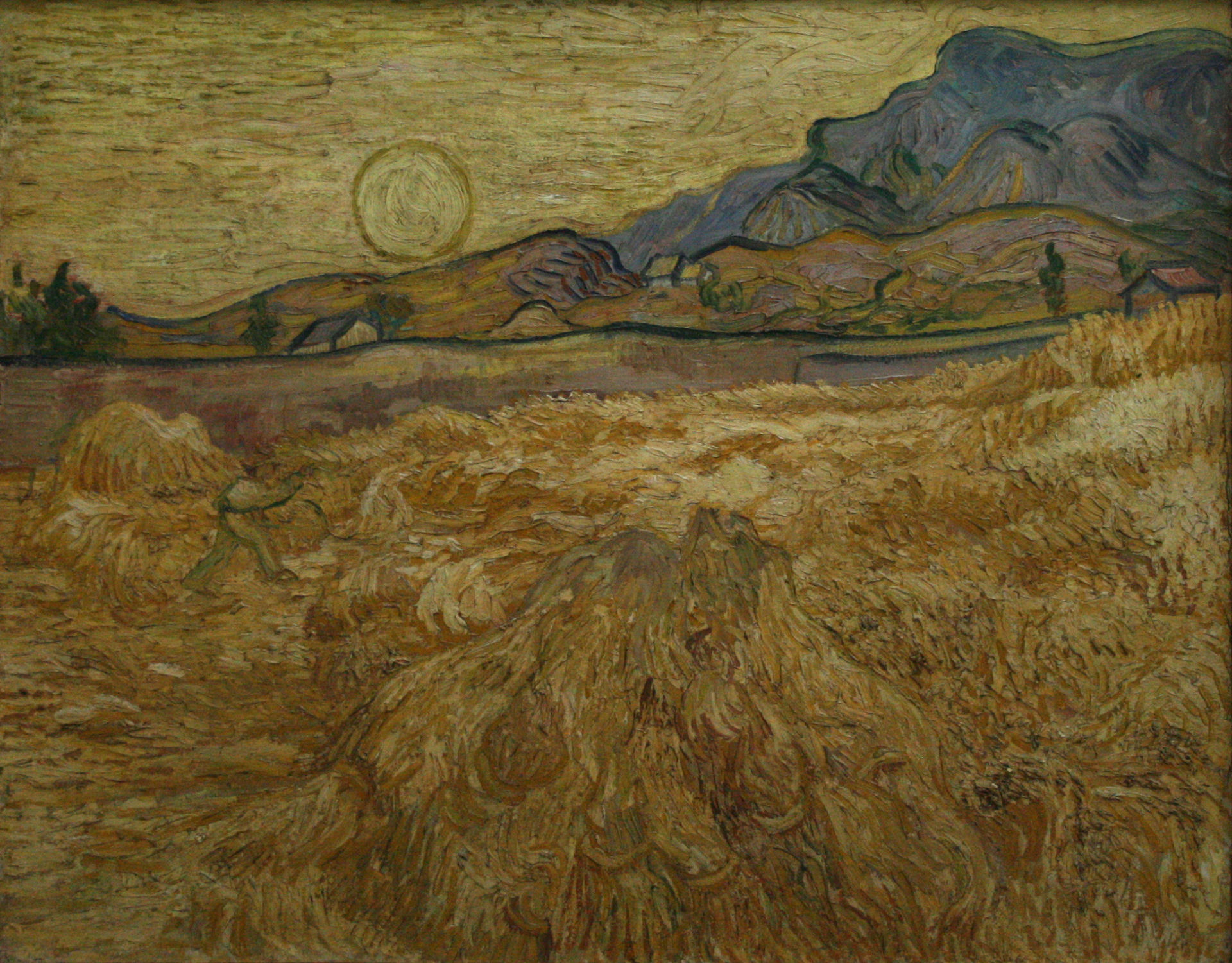
Awesome deeds of righteousness are how God answers, and He is the hope of the farthest seas. Verse 7 sets the roaring seas and the tumult of the nations in one line, all stilled by the same hand that formed the mountains. The dawn and sunset shout for joy.
The record, by era
The Church Fathers1 voice
"Hearken to us, O God, our Saviour" [Psalm 65:5]. He has disclosed now Whom he names as God. The "Saviour" specially is the Lord Jesus Christ. It has appeared now more openly of Whom he had said, "Unto You every flesh shall come." That One Man that is taken unto Him into the Temple of God, is both many and is One. In the person of One he has said, "Hearken, O God, i.e., to my hunger:" and because the same One of many is composed, now he says, "Hearken to us, O God, our Saviour." Hear Him now more openly preached: "Hearken to us, O God, our Saviour, the Hope of all the ends of the earth and in the sea afar." Behold wherefore has been said "Unto You every flesh shall come." From every quarter they come. "Hope of all the ends of the earth," not hope of one corner, not hope of Judæa alone, not hope of Africa alone, not hope of Pannonia, not hope of East or of West: but "Hope of all the ends of the earth, and in the sea afar:" of the very ends of the earth. "And in the sea afar:" and because in the sea, therefore afar. For the sea by a figure is spoken of this world, with saltness bitter, with storms troubled; where men of perverse and depraved appetites have become like fishes devouring one another. Observe the evil sea, bitter sea, with waves violent, observe with what sort of men it is filled. Who desires an inheritance except through the death of another? Who desires gain except by the loss of another? By the fall of others how many men wish to be exalted? How many, in order that they may buy, desire for other men to sell their goods? How they mutually oppress, and how they that are able do devour! And when one fish has devoured, the greater the less, itself also is devoured by some greater....Because evil fishes that were taken within the nets they said they would not endure; they themselves have become more evil than they whom they said they could not endure. […]
The Puritans and the Awakening3 voices
Righteousness - By virtue of thy faithfulness, and goodness. Wilt thou - Thou wilt graciously answer our prayers. The confidence - Thou art the stay and support of all mankind, by thy powerful and gracious providence.
By terrible things in righteousness wilt thou answer us,....
13 The pastures are clothed with flocks; the valleys also are covered over with corn; they shout for joy, they also sing. That we may be the more affected with the wonderful condescensions of the God of grace, it is of use to observe his power and sovereignty as the God of nature, the riches and bounty of his providential kingdom.
The Nineteenth Century1 voice
A commentator
Jamieson, Fausset & Brown1802–1910
Commentary Critical and Explanatory on the Whole Bible (1871)
proposed
terrible things--that is, by the manifestation of justice and wrath to enemies, accompanying that of mercy to His people (Ps 63:9-11; 64:7-9). the confidence--object of it. of all . . . earth--the whole world; that is, deservedly such, whether men think so or not.
quarantine:debris (2026-07-29) — starts-lowercase
5 more voices on this verse
The Nineteenth Century5 voices
By terrible things in righteousness wilt thou answer us, O God of our salvation. God's memorial is that he hears prayer, and his glory is that he answers it in a manner fitted to inspire awe in the hearts of his people. The saints, in the commencement of the Psalm, offered praise in reverential silence; and now, in the like awe stricken spirit, they receive answers to their prayers. The direct allusion here is, no doubt, to the Lord's overthrow of the enemies of his people in ways calculated to strike terror into all beholders; his judgments in their severe righteousness were calculated to excite fear both among friends and foes. Who would not fear a God whose blows are so crushing? We do not always know what we are asking for when we pray; when the answer comes, the veritable answer, it is possible that we may be terrified by it. We seek sanctification, and trial will be the reply: we ask for more faith, and more affliction is the result: we pray for the spread of the gospel, and persecution scatters us. Nevertheless, it is good to ask on, for nothing which the Lord grants in his love can do us any harm. Terrible things will turn out to be blessed things after all, where they come in answer to prayer. See in this verse how righteousness and salvation are united, the terrible things with the gracious answers. Where but in Jesus could they be blended? The God who saves may answer our prayers in a way which puts unbelief into a flutter; but when faith spies the Saviour, she remembers that "things are not what they seem, "and she is of good courage. He who is terrible is also our refuge from terror when we see him in the Well beloved. Who art the confidence of all the ends of the earth. The dwellers in the far off isles trust in God; those most remote from Zion yet confide in the ever living Jehovah.
A commentator
Charles Spurgeon1834–1892
The Metropolitan Tabernacle Pulpit, Sermon No. 3321: “God in Heaven, and Men on the Sea” (lightly modernized text, CCEL edition) · Written before 1892.
proposed
PLEASE read the 65th Psalm through. May it do you good, whether as landsmen you read of the Lord's settling the furrows, or as sailors you hear of His stilling the noise of the seas. Notice the first two verses—"Praise waits for You," "O You that hear prayer." Holy men of old were accustomed to mix praise and prayer together—this is a happy mixture! We are not tied to one thing. We spread the sails of prayer and fly the flag of praise. To praise God without praying to Him would be impossible.
A commentator
Charles Spurgeon1834–1892
The Metropolitan Tabernacle Pulpit, Sermon No. 3321: “God in Heaven, and Men on the Sea” (lightly modernized text, CCEL edition) · Written before 1892.
proposed
PLEASE read the 65th Psalm through. May it do you good, whether as landsmen you read of the Lord's settling the furrows, or as sailors you hear of His stilling the noise of the seas. Notice the first two verses—"Praise waits for You," "O You that hear prayer." Holy men of old were accustomed to mix praise and prayer together—this is a happy mixture! We are not tied to one thing. We spread the sails of prayer and fly the flag of praise. To praise God without praying to Him would be impossible. To pray to God without praising Him would be ungrateful. Praise takes in a cargo of gold for the King of kings—and prayer stokes the fires to make the good ship steam towards the royal city! Brothers, keep to this throughout all the watches—pray and praise—and when you need a change, praise and pray/Keep the boat of the soul going with these two oars—praise and prayer. Notice, also, in this Psalm, that when the saints of the olden time offered prayer and praise, they addressed themselves at once to God—not to saints and angels. David is not satisfied with talking about God, but he talks to Him, as in our text—"You will answer us, O God of our salvation." There's nothing like straight sailing—let us go directly to God. We ought not to think of what our fellow men will say of our praises. If they are not musical in the ears of men, it matters little, so long as they are sweet to the Lord our God! When we engage in publicprayer, it is a pity to be thinking about how our words will sound in the opinion of our Brothers—let us only think of the Lord to whom we are speaking. We can't steer two ways at once. If we make for the Mercy Seat, we need not consider the pews. Let us fix our eyes on the lighthouse at the mouth of the harbor and leave the church on the hill, and the windmill over yonder, for other people to look at.
By terrible things in righteousness - The Vulgate joins this clause to the preceding verse: “Thy holy temple is wonderful in right eousness: thou wilt hear us, O God of our salvation.” But the psalmist may refer to those wonderful displays of God’s providence in the change of seasons, and fertilization of the earth; and, consequently, in the sustenance of all animal beings. The confidence of all the ends of the earth - Thou art the hope of thy people scattered through different parts of the world, and through the isles of the sea. This passage is also understood of the vocation of the Gentiles.
A commentator
Albert Barnes1798–1870
Notes, Explanatory and Practical, on the Old and New Testaments (1832-1869)
proposed
By terrible things in righteousness wilt thou answer us - That is, By things suited to inspire us and all people with awe, or with a deep sense of thy majesty, thy power, and thy glory. The answer to their prayers would be in such a manner as deeply to impress their minds and hearts. God’s judgments on his foes, and the manner of his manifesting his favor to his people, would be such as to impress the mind with a deep sense of his own greatness. Yet all this would be in righteousness; in the infliction of a just sentence on the wicked; in direct interposition in favor of the righteous. The judgments of God on guilty people have been always such as to keep the world in awe; such as were adapted deeply to impress mankind with a sense of his own majesty and glory. O God of our salvation - The God on whom our salvation, or our safety depends. Who art the confidence of all the ends of the earth - Of all parts of the earth, the word “ends” being used on the supposition that the earth is a plain having appropriate limits. This allusion is often found in the Scriptures, the sacred writers speaking, as all men do, as things appear to be. Thus all philosophers, as well as other people, speak of the sun as rising and setting, which is, in itself, no more strictly accurate than it is to speak of the earth as if it had limits or boundaries. The word confidence as used here means that God is the source of trust, or, that all proper reliance, by all people, in all parts of the earth and on the sea, must be in him; that is, that there is no other on whom people can properly rely. It does not mean that all people actually repose such confidence in him, which would not be true - but that he is the only true source of confidence. And of them that are afar off upon the sea - That is, of all men on sea and land. […]
The words behind it
11 Hebrew wordsEvery Hebrew word of this verse in the order it stands, with what it means and the door to its own study. The last column counts the times a word stands in the whole Bible: the rarer the word, the more the places it appears belong together.
| Hebrew | Sound | Meaning | Word study | In the Bible |
|---|---|---|---|---|
| נ֤וֹרָא֨וֹת׀ | noraot | awesome [deeds] | H3372 → | 315 times |
| בְּצֶ֣דֶק | betzedek | in righteousness | H6664 → | 119 times |
| תַּ֭עֲנֵנוּ | taanenu | you answer us | H6030 → | 331 times |
| אֱלֹהֵ֣י | ʾelohei | O God of | H430 → | 2601 times |
| יִשְׁעֵ֑נוּ | yishenu | salvation our | H3468 → | 36 times |
| מִבְטָ֥ח | mivtach | [the] trust of | H4009 → | 15 times |
| כָּל־ | kol- | all | H3605 → | 5413 times |
| קַצְוֵי־ | katzvei- | [the] ends of | H7099 → | |
| אֶ֝֗רֶץ | ʾeretz | [the] earth | H776 → | 2504 times |
| וְיָ֣ם | veyam | and [the] sea | H3220 → | 396 times |
| רְחֹקִֽים׃ | rechokim | distant | H7350 → | 84 times |
נ֤וֹרָא֨וֹת׀awesome [deeds]
noraotH3372 →315 times
בְּצֶ֣דֶקin righteousness
betzedekH6664 →119 times
תַּ֭עֲנֵנוּyou answer us
taanenuH6030 →331 times
אֱלֹהֵ֣יO God of
ʾeloheiH430 →2601 times
יִשְׁעֵ֑נוּsalvation our
yishenuH3468 →36 times
מִבְטָ֥ח[the] trust of
mivtachH4009 →15 times
כָּל־all
kol-H3605 →5413 times
קַצְוֵי־[the] ends of
katzvei-H7099 →
אֶ֝֗רֶץ[the] earth
ʾeretzH776 →2504 times
וְיָ֣םand [the] sea
veyamH3220 →396 times
רְחֹקִֽים׃distant
rechokimH7350 →84 times
A shaded row is a word that stands 400 times or fewer in the Bible.
The walk
8 stopsEach card is a verse this one points to, and under it the verses that one points to in turn. Where several paths arrive at the same place, that place is listed first: the text keeps returning to it.
Through
Isaiah 45:22Turn to Me and be saved, all the ends of the earth; for I am God, and there is no other.
it leads to
- John 6:40
For it is My Father’s will that everyone who looks to the Son and believes in Him shall have eternal life, and I will raise him up at the last day.”
- Micah 7:7
But as for me, I will look to the LORD; I will wait for the God of my salvation. My God will hear me.
- Hebrews 12:2
Let us fix our eyes on Jesus, the author and perfecter of our faith, who for the joy set before Him endured the cross, scorning its shame, and sat down at the right hand…
- Numbers 21:8–9
Then the LORD said to Moses, “Make a fiery serpent and mount it on a pole. When anyone who is bitten looks at it, he will live.”
- Zechariah 12:10
Then I will pour out on the house of David and on the people of Jerusalem a spirit of grace and prayer, and they will look on Me, the One they have pierced. They…
- John 6:40
Through
Psalms 66:3Say to God, “How awesome are Your deeds! So great is Your power that Your enemies cower before You.
it leads to
- Psalms 18:44
When they hear me, they obey me; foreigners cower before me.
- Psalms 81:15
Those who hate the LORD would feign obedience, and their doom would last forever.
- Psalms 18:44
Through
Deuteronomy 10:21He is your praise and He is your God, who has done for you these great and awesome wonders that your eyes have seen.
it leads to
- Jeremiah 17:14
Heal me, O LORD, and I will be healed; save me, and I will be saved, for You are my praise.
- Jeremiah 17:14
Where this verse is studied
On this page
Studies1
About Psalms
This page draws on 11 works. Open the list of works
This page draws on Adam Clarke, Commentary on the Bible; Albert Barnes, Notes on the Book of Psalms; Albert Barnes, Notes, Explanatory and Practical, on the Old and New Testaments (1832-1869); Augustine of Hippo, Exposition on Psalm 65; Charles Spurgeon, The Treasury of David, Vol. 3; Charles Spurgeon, The Metropolitan Tabernacle Pulpit, Sermon No. 3321: “God in Heaven, and Men on the Sea” (lightly modernized text, CCEL edition); Franz Delitzsch, Biblical Commentary on the Psalms; Jamieson, Fausset & Brown, Commentary Critical and Explanatory on the Whole Bible; John Gill, Exposition of the Old Testament (1748-1763); John Wesley, Explanatory Notes upon the Old Testament and Matthew Henry, Commentary on the Whole Bible.