
Nehemiah 8:11
in Nehemiah 8And the Levites calmed all the people, saying, “Be still, since today is holy. Do not grieve.”
BSB
The same verse in ASV and KJV ▾
ASV
So the Levites stilled all the people, saying, Hold your peace, for the day is holy; neither be ye grieved.
KJV
So the Levites stilled all the people, saying, Hold your peace, for the day is holy; neither be ye grieved.
⋯
This verse in Nehemiah 8
Commentary
3 notes on this verseSo the Levites stilled all the people,.... Made them quiet and easy, being backed by the governor: saying, hold your peace; refrain from weeping and mourning: for the day is holy; a festival, set apart for joy and gladness: neither be ye grieved; inwardly; as they were not to show any signs of sorrow outwardly, so they were not to cherish grief inwardly.
This site's exposition
Be still, since today is holy
on Nehemiah 8:11-12
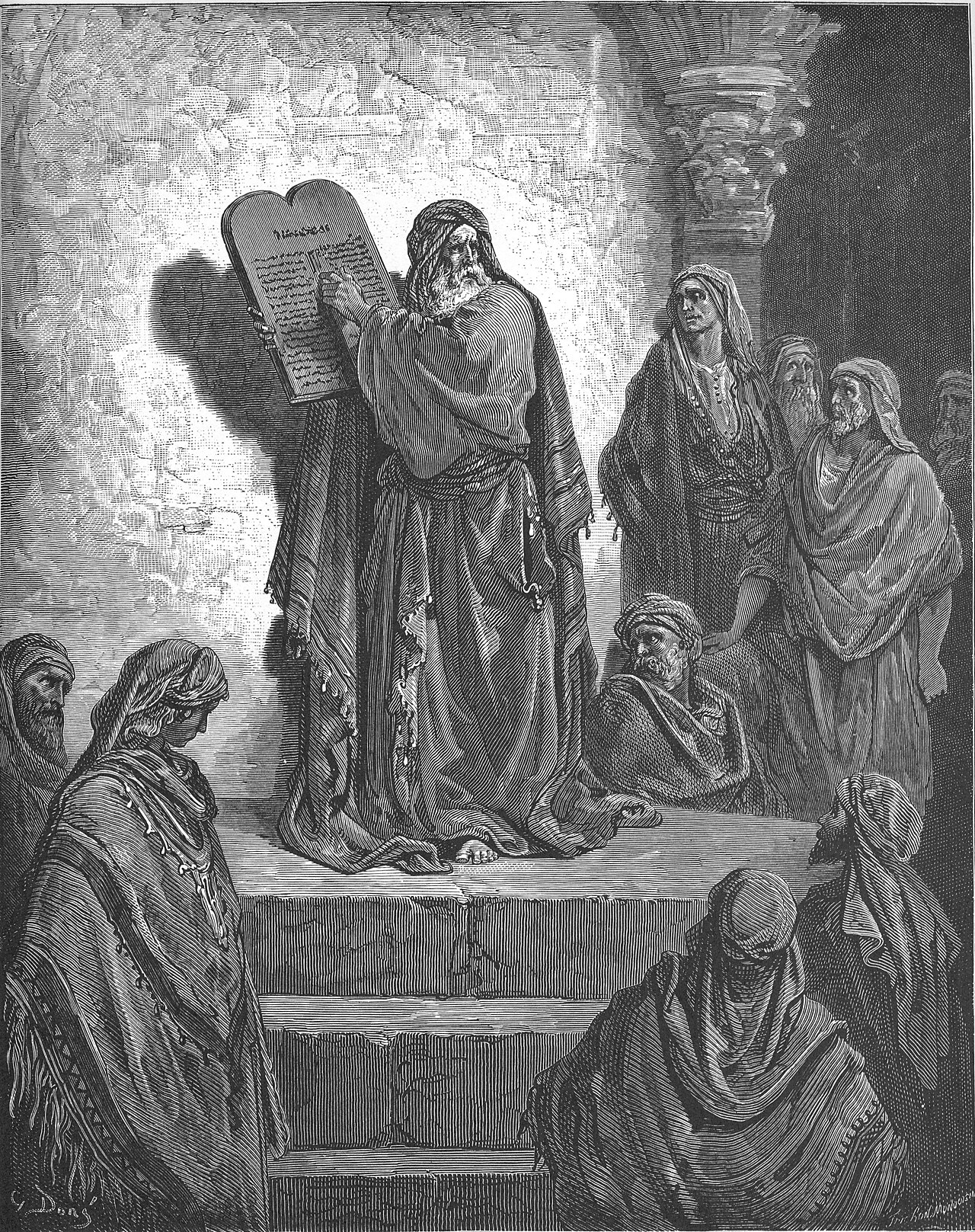
The Levites calm the people, "Be still, since today is holy," and the day turns to eating, drinking, and great rejoicing. The narrator gives the reason in the last clause: "because they understood the words that had been made known to them" (8:12). Understanding is the ground of the joy.
The record, by era
The Puritans and the Awakening1 voice
Every thing is beautiful in its season; as we must not be merry when God calls to mourning, so we must not frighten and afflict ourselves when God gives us occasion to rejoice. Even sorrow for sin must not grow so excessive as to hinder our joy in God and our cheerfulness in his service.
How the passage was read
On Nehemiah 8:1-18On Nehemiah 8:1-18
The seventh month, rediscovered
Everything in this chapter happens on the calendar of Leviticus 23. Ezra reads the Law on “the first day of the seventh month”: that is the Day of Trumpets, kept today as Rosh Hashanah, the Jewish new year, announced by the ram's-horn trumpet (shofar). Then the people find the command about booths and keep Tabernacles (Sukkot) for the first time “since the days of Joshua”: seven days living in leafy shelters, remembering the wilderness. Jewish families still build these booths every autumn: a hut in the yard or on the balcony, roofed with branches you can see the stars through, where meals are eaten all week.
The chapter also gives the day its enduring tone: “the joy of the LORD is your strength” was said on Rosh Hashanah, to a congregation weeping under the words of the Law and told instead to feast.
What the Jewish commentators add
quieted They admonished all the people to be quiet, that they should weep no longer.
1 more on this passage, in their own words ▾
to whoever has nothing prepared to a poor man who has no food prepared for himself.
This section is reception history: how the passage was read and kept in the Jewish tradition. Where a reading parts from an essential of the Christian faith, the section says so at that point.
Sources: Leviticus 23:23–43 (the seventh month's appointments) · Mishnah Sukkah 1:1 (the booth's rules)
Texts and citation data: Sefaria; each excerpt follows its version’s licence. 3 further sources are cited on this chapter that carry no English text this site may quote or only restate the verse.
The words behind it
11 Hebrew wordsEvery Hebrew word of this verse in the order it stands, with what it means and the door to its own study. The last column counts the times a word stands in the whole Bible: the rarer the word, the more the places it appears belong together.
| Hebrew | Sound | Meaning | Word study | In the Bible |
|---|---|---|---|---|
| וְהַלְוִיִּ֞ם | vehalviyim | and the Levites | H3881 → | 291 times |
| מַחְשִׁ֤ים | machshim | [were] making quiet | H2814 → | |
| לְכָל־ | lekhol | <to> all | H3605 → | 5413 times |
| הָעָם֙ | haam | the people | H5971 → | 1873 times |
| לֵאמֹ֣ר | lemor | <to> saying | H559 → | 5305 times |
| הַ֔סּוּ | hasu | hush! | H2013 → | |
| כִּ֥י | ki | for | H3588 → | 4482 times |
| הַיּ֖וֹם | haiyom | this day | H3117 → | 2304 times |
| קָדֹ֑שׁ | kadosh | [is] holy | H6918 → | 116 times |
| וְאַל־ | veal- | and may not | H408 → | 724 times |
| תֵּעָצֵֽבוּ׃ | teatzevu | you be grieved | H6087 → |
וְהַלְוִיִּ֞םand the Levites
vehalviyimH3881 →291 times
מַחְשִׁ֤ים[were] making quiet
machshimH2814 →
לְכָל־<to> all
lekholH3605 →5413 times
הָעָם֙the people
haamH5971 →1873 times
לֵאמֹ֣ר<to> saying
lemorH559 →5305 times
הַ֔סּוּhush!
hasuH2013 →
כִּ֥יfor
kiH3588 →4482 times
הַיּ֖וֹםthis day
haiyomH3117 →2304 times
קָדֹ֑שׁ[is] holy
kadoshH6918 →116 times
וְאַל־and may not
veal-H408 →724 times
תֵּעָצֵֽבוּ׃you be grieved
teatzevuH6087 →
A shaded row is a word that stands 400 times or fewer in the Bible.
The walk
5 stopsEach card is a verse this one points to, and under it the verses that one points to in turn. Where several paths arrive at the same place, that place is listed first: the text keeps returning to it.
Through
Numbers 13:30Then Caleb quieted the people before Moses and said, “We must go up and take possession of the land, for we can certainly conquer it!”
it leads to
- Numbers 14:24
But because My servant Caleb has a different spirit and has followed Me wholeheartedly, I will bring him into the land he has entered, and his descendants will inherit it.
- Romans 8:31
What then shall we say in response to these things? If God is for us, who can be against us?
- Philippians 4:13
I can do all things through Christ who gives me strength.
- Psalms 60:12
With God we will perform with valor, and He will trample our enemies.
- Numbers 14:6–9
Joshua son of Nun and Caleb son of Jephunneh, who were among those who had spied out the land, tore their clothes
- Numbers 14:24
Where this verse is studied
On this page
Studies10
About Nehemiah
This page draws on John Gill, Exposition of the Old Testament (1748-1763); John Gill, Exposition of the Old Testament; Matthew Henry, Commentary on the Whole Bible and W. F. Adeney, Ezra, Nehemiah and Esther (Expositor's Bible).