
Micah 4:10
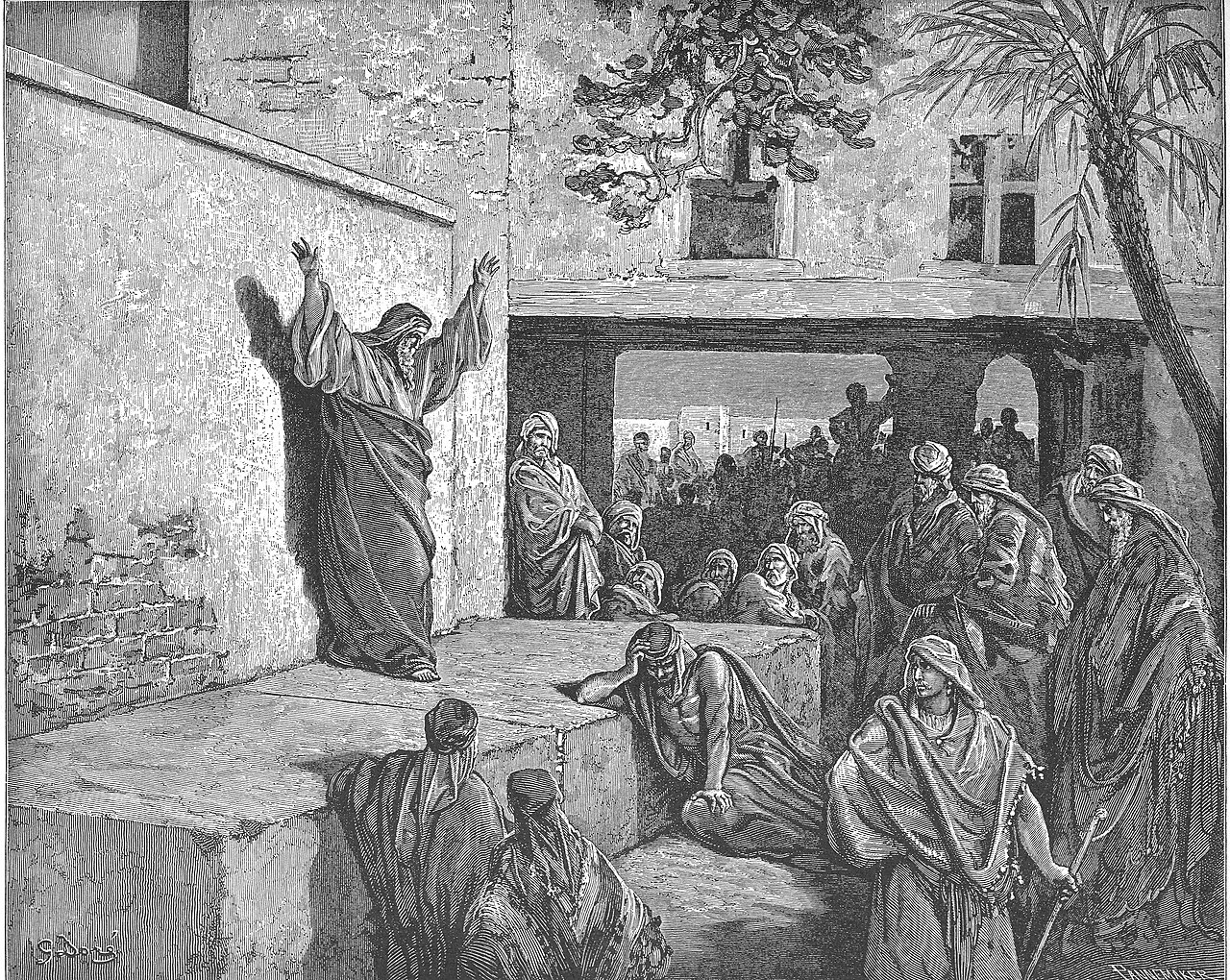
in Micah 4Writhe in agony, O Daughter of Zion, like a woman in labor. For now you will leave the city and camp in the open fields. You will go to Babylon; there you will be rescued; there the LORD will redeem you from the hand of your enemies!
BSB
The same verse in ASV and KJV ▾
ASV
Be in pain, and labor to bring forth, O daughter of Zion, like a woman in travail; for now shalt thou go forth out of the city, and shalt dwell in the field, and shalt come even unto Babylon: there shalt thou be rescued; there will Jehovah redeem thee from the hand of thine enemies.
KJV
Be in pain, and labour to bring forth, O daughter of Zion, like a woman in travail: for now shalt thou go forth out of the city, and thou shalt dwell in the field, and thou shalt go even to Babylon; there shalt thou be delivered; there the Lord shall redeem thee from the hand of thine enemies.
⋯
This verse in Micah 4
Commentary
10 notes on this verseA commentator
Jamieson, Fausset & Brown1802–1910
Commentary Critical and Explanatory on the Whole Bible (1871)
Though God cares for His children, yet they must not expect to be exempt from trouble, but must prepare for it. go forth out of the city--on its capture. So "come out" is used 2Ki 24:12; Isa 36:16. dwell in the field--namely, in the open country, defenseless, instead of their fortified city.
This site's exposition
is there no king in thee
on Micah 4:9-10
The rhetorical questions, why criest thou, is there no king in thee, press the coming crisis: pangs seize the city like a woman in labor, and she is told to go out of the city and even go to Babylon, where she will at last be delivered from her enemies. Micah wrote generations before Babylon replaced Assyria as the threat to Judah, and the older commentators hold this a genuine prediction reaching past the visible danger of his own day to name the actual exile and the actual place of return; critical scholars who date the verse later read it instead as a detail added after the event, and the bench states both positions without settling the composition question. Either way the text ties the deliverance to the very place of the judgment, redemption following the people into the land of their captivity.
The record, by era
The Church Fathers2 voices
"Writhe and groan, O daughter Zion, like a woman in labor, for now you shall go forth from the city and camp in the open country; you shall go to Babylon, and there you shall be rescued." The meaning is that you will go into …
(Verse 10.) Grieve and take action, daughter of Zion, like a woman in labor, for now you will leave the city and dwell in the country, and you will come all the way to Babylon; there you will be saved, there the Lord will redeem you from the hand of your enemies.
The Puritans and the Awakening3 voices
In the field - In their journey to Babylon they were forced to lodge in the fields. Delivered - By Cyrus, by Darius, and by Artaxerxes; and this was a type of a greater deliverance. Redeem - The Hebrew word points out a redemption by the next kinsman, and so minds us of the Messiah, the great redeemer of the church.
This was done by Cyrus, who acted therein as God's servant; and that deliverance was typical of our redemption by Jesus Christ, and the release from our spiritual bondage which is proclaimed in the everlasting gospel, that acceptable year of the Lord, in which Christ himself preached liberty to the captives, and the opening of the prison to those that were bound, Luke iv.
Let the literal Jerusalem comfort herself with this, that, whatever straits she may be reduced to, she shall continue until the coming of the Messiah, for there his kingdom must be first set up, and she shall not be destroyed while that blessing is in her; and when at length she is ploughed as a field, and become heaps (as is threatened, ch. iii.
quarantine:debris (2026-07-29) — unbalanced-parens
3 more voices on this verse
The Puritans and the Awakening1 voice
Be in pain, and labour to bring forth, O daughter of Zion, like a woman in travail,....
The Nineteenth Century2 voices
There shalt thou be delivered - There God shall meet thee; and by redeeming thee from thy captivity, bringing thee back to thine own land, and finally converting thee unto himself, shall deliver thee from the burden of grief and wo which thou now bearest, and under which thou dost groan.
A commentator
Albert Barnes1798–1870
Notes, Explanatory and Practical, on the Old and New Testaments (1832-1869)
proposed
Be in pain, and labor to bring forth - (Literally, Writhe and burst forth,) as if to say, “thou must suffer, but thy suffering and thy joy shall be one. Thou canst not have the joy without the suffering. As surely as thou sufferest, thou shalt have joy. In all sorrow, lose not faith and hope, and “thou shalt be sorrowful, but thy sorrow shall be turned into joy” Joh 16:20. Cyril: “Good daughter, be very patient in the pangs, bear up against your sorrows,” so shall the birth be nigh. Yet for the time she must “go forth out of the city” into captivity. “And thou shalt dwell in the field,” houseless, under tents, as captives were accustomed to be kept, until all were gathered together to be led away; a sore exchange for her former luxury, and in requital of their oppression Amo 6:1-14; Mic 2:8-9. And thou shalt go even to Babylon - Not Babylon, but Assyria was the scourge of God in Micah’s time. Babylon was scarcely known, a far country 2Ki 20:14. Yet Micah is taught of God to declare that thither shall the two tribes be carried captive, although the ten were carried captive by Assyria. “There (see the note at Hos 2:15) shalt thou be delivered, there the Lord shall redeem thee from the hand of thine enemies.” God’s judgments, or purifying trials, or visitation of His saints, hold their way, until their end be reached. They who suffer them cannot turn them aside; they who inflict them cannot add to them or detain them. The prison house is the place of deliverance to Joseph and Peter; the Red Sea to Israel; the judges were raised up, when Israel was mightily oppressed; Jabesh-Gilead was delivered when the seventh day was come 1Sa 11:3, 1Sa 11:10-11; the walls of Jerusalem were the end of Sennacherib; Judah should have long been in the very hand and grasp of Babylon, yet must its clenched hand be opened.
How the passage was read
What the Jewish commentators add
On the verses either side of this one
who say, “Let her be guilty” —Let Zion be guilty of her sins, and let her iniquity be visited upon her.
This section is reception history: how the passage was read and kept in the Jewish tradition. Where a reading parts from an essential of the Christian faith, the section says so at that point.
Texts and citation data: Sefaria; each excerpt follows its version’s licence. 6 further sources are cited on this chapter that carry no English text this site may quote or only restate the verse.
The words behind it
21 Hebrew wordsEvery Hebrew word of this verse in the order it stands, with what it means and the door to its own study. The last column counts the times a word stands in the whole Bible: the rarer the word, the more the places it appears belong together.
| Hebrew | Sound | Meaning | Word study | In the Bible |
|---|---|---|---|---|
| ח֧וּלִי | chuli | writhe in pain | H2342 → | |
| וָגֹ֛חִי | vagochi | and burst forth | H1518 → | |
| בַּת־ | bat- | O daughter of | H1323 → | 588 times |
| צִיּ֖וֹן | tziyon | Zion | H6726 → | 154 times |
| כַּיּֽוֹלֵדָ֑ה | kaiyoledah | like <the> [woman] giving birth | H3205 → | 496 times |
| כִּֽי־ | ki- | for | H3588 → | 4482 times |
| עַתָּה֩ | ʾatah | now | H6258 → | 433 times |
| תֵצְאִ֨י | tetzei | you will go out | H3318 → | 1067 times |
| מִקִּרְיָ֜ה | mikiryah | from [the] town | H7151 → | |
| וְשָׁכַ֣נְתְּ | veshakhant | and you will dwell | H7931 → | |
| בַּשָּׂדֶ֗ה | basadeh | in the open country | H7704 → | 334 times |
| וּבָ֤את | uvat | and you will go | H935 → | 2568 times |
| עַד־ | ʾad- | to | H5704 → | 1261 times |
| בָּבֶל֙ | bavel | Babylon | H894 → | |
| שָׁ֣ם | sham | there | H8033 → | 834 times |
| תִּנָּצֵ֔לִי | tinatzeli | you will be delivered | H5337 → | 212 times |
| שָׁ֚ם | sham | there | H8033 → | 834 times |
| יִגְאָלֵ֣ךְ | yigalekh | he will redeem you | H1350 → | |
| יְהוָ֔ה | yahweh | Yahweh | H3068 → | 6520 times |
| מִכַּ֖ף | mikaf | from [the] hand of | H3709 → | |
| אֹיְבָֽיִךְ׃ | ʾoyevayikh | enemies your | H341 → | 282 times |
ח֧וּלִיwrithe in pain
chuliH2342 →
וָגֹ֛חִיand burst forth
vagochiH1518 →
בַּת־O daughter of
bat-H1323 →588 times
צִיּ֖וֹןZion
tziyonH6726 →154 times
כַּיּֽוֹלֵדָ֑הlike <the> [woman] giving birth
kaiyoledahH3205 →496 times
כִּֽי־for
ki-H3588 →4482 times
עַתָּה֩now
ʾatahH6258 →433 times
תֵצְאִ֨יyou will go out
tetzeiH3318 →1067 times
מִקִּרְיָ֜הfrom [the] town
mikiryahH7151 →
וְשָׁכַ֣נְתְּand you will dwell
veshakhantH7931 →
בַּשָּׂדֶ֗הin the open country
basadehH7704 →334 times
וּבָ֤אתand you will go
uvatH935 →2568 times
עַד־to
ʾad-H5704 →1261 times
בָּבֶל֙Babylon
bavelH894 →
שָׁ֣םthere
shamH8033 →834 times
תִּנָּצֵ֔לִיyou will be delivered
tinatzeliH5337 →212 times
שָׁ֚םthere
shamH8033 →834 times
יִגְאָלֵ֣ךְhe will redeem you
yigalekhH1350 →
יְהוָ֔הYahweh
yahwehH3068 →6520 times
מִכַּ֖ףfrom [the] hand of
mikafH3709 →
אֹיְבָֽיִךְ׃enemies your
ʾoyevayikhH341 →282 times
A shaded row is a word that stands 400 times or fewer in the Bible.
The walk
8 stopsEach card is a verse this one points to, and under it the verses that one points to in turn. Where several paths arrive at the same place, that place is listed first: the text keeps returning to it.
Through
Isaiah 48:20Leave Babylon! Flee from the Chaldeans! Declare it with a shout of joy, proclaim it, let it go out to the ends of the earth, saying, “The LORD has redeemed His servant Jacob!”
it leads to
- Isaiah 52:9
Break forth in joy, sing together, O ruins of Jerusalem, for the LORD has comforted His people; He has redeemed Jerusalem.
- Jeremiah 50:8
Flee from the midst of Babylon; depart from the land of the Chaldeans; be like the he-goats that lead the flock.
- Jeremiah 51:45
Come out of her, My people! Save your lives, each of you, from the fierce anger of the LORD.
- Revelation 18:4
Then I heard another voice from heaven say: “Come out of her, My people, so that you will not share in her sins or contract any of her plagues.
- Jeremiah 51:6
Flee from Babylon! Escape with your lives! Do not be destroyed in her punishment. For this is the time of the LORD’s vengeance; He will pay her what she deserves.
- Isaiah 52:9
Through
Isaiah 45:13I will raise up Cyrus in righteousness, and I will make all his ways straight. He will rebuild My city and set My exiles free, but not for payment or reward, says the LORD…
it leads to
- Isaiah 41:2
Who has aroused one from the east and called him to his feet in righteousness? He hands nations over to him and subdues kings before him. He turns them to dust with his sword,…
- Isaiah 41:25
I have raised up one from the north, and he has come—one from the east who calls on My name. He will march over rulers as if they were mortar, like a potter who…
- Isaiah 41:2
Through
2 Kings 20:18And some of your descendants, your own flesh and blood, will be taken away to be eunuchs in the palace of the king of Babylon.”
it leads to
- 2 Chronicles 33:11
So the LORD brought against them the military commanders of the king of Assyria, who captured Manasseh, put a hook in his nose, bound him with bronze shackles, and took him to Babylon.
- 2 Chronicles 33:11
Where this verse is studied
On this page
About Micah
Who and where
2 names in this verse with a page on the site.
- PlaceBabil Governorate (archaeological site)BabylonAncient Mesopotamian city and imperial capital; site of the Israelite exile and a recurring biblical symbol of worldly power.
- PlaceJerusalemZionThe eastern ridge David took from the Jebusites and made his stronghold, the name the Psalms and the prophets give the city the LO…
This page draws on 9 works. Open the list of works
This page draws on Adam Clarke, Commentary on the Bible; Albert Barnes, Notes on the Old Testament; Albert Barnes, Notes, Explanatory and Practical, on the Old and New Testaments (1832-1869); Ephrem the Syrian, COMMENTARY ON MICAH; Jamieson, Fausset & Brown, Commentary Critical and Explanatory on the Whole Bible; Jerome, Commentary on Micah; John Gill, Exposition of the Old Testament (1748-1763); John Wesley, Explanatory Notes upon the Old Testament and Matthew Henry, Commentary on the Whole Bible.