
Leviticus 8:31
in Leviticus 8And Moses said to Aaron and his sons, “Boil the meat at the entrance to the Tent of Meeting and eat it there with the bread that is in the basket of ordination offerings, as I commanded, saying, ‘Aaron and his sons are to eat it.’
BSB
The same verse in ASV and KJV ▾
ASV
And Moses said unto Aaron and to his sons, Boil the flesh at the door of the tent of meeting: and there eat it and the bread that is in the basket of consecration, as I commanded, saying, Aaron and his sons shall eat it.
KJV
And Moses said unto Aaron and to his sons, Boil the flesh at the door of the tabernacle of the congregation: and there eat it with the bread that is in the basket of consecrations, as I commanded, saying, Aaron and his sons shall eat it.
⋯
This verse in Leviticus 8
Commentary
5 notes on this verseThe flesh - That which was left of the ram, and particularly the breast, which was said to be Moses's part, ver. 29, and by him was given to Aaron, that he and his sons might eat of it, in token that they and only they should have the right to do so for the future.
This site's exposition
Boil the flesh at the door of the tabernacle
on Leviticus 8:31-32
The consecration ends in a meal, eaten at the door where the congregation had been standing. Whatever is left by morning is burned, the rule the passover carries at Exodus 12:10 and the thank offering at Leviticus 7:15. A priest eats from the offering he has just been part of, and he eats it in the one place he is now bound to.
The record, by era
The Puritans and the Awakening3 voices
10 And Moses took the anointing oil, and anointed the tabernacle and all that was therein, and sanctified them. 11 And he sprinkled thereof upon the altar seven times, and anointed the altar and all his vessels, both the laver and his foot, to sanctify them. 12 And he poured of the anointing oil upon Aaron's head, and anointed him, to sanctify him.
quarantine:scripture (2026-07-29) — verbatim-scripture
He - Either Moses, as in the following clause, or some other person by his appointment; which may be the reason why he is not named here, as he is to the sprinkling of the blood, which was an action more proper to the priest, and more essential to the sacrifice.
And Moses said unto Aaron, and to his sons,....
The words behind it
26 Hebrew wordsEvery Hebrew word of this verse in the order it stands, with what it means and the door to its own study. The last column counts the times a word stands in the whole Bible: the rarer the word, the more the places it appears belong together.
| Hebrew | Sound | Meaning | Word study | In the Bible |
|---|---|---|---|---|
| וַיֹּ֨אמֶר | vaiyomer | and he said | H559 → | 5305 times |
| מֹשֶׁ֜ה | mosheh | Moses | H4872 → | 765 times |
| אֶל־ | ʾel- | to | H413 → | 5510 times |
| אַהֲרֹ֣ן | ʾaharon | Aaron | H175 → | 347 times |
| וְאֶל־ | veel- | and to | H413 → | 5510 times |
| בָּנָ֗יו | banav | sons his | H1121 → | 4930 times |
| בַּשְּׁל֣וּ | bashelu | boil | H1310 → | 28 times |
| אֶת־ | ʾet- | <obj.> | H853 → | 10935 times |
| הַבָּשָׂר֮ | habasar | the meat | H1320 → | 270 times |
| פֶּ֣תַח | petach | [the] entrance of | H6607 → | 164 times |
| אֹ֣הֶל | ʾohel | [the] tent of | H168 → | 345 times |
| מוֹעֵד֒ | moed | meeting | H4150 → | 223 times |
| וְשָׁם֙ | vesham | and there | H8033 → | 834 times |
| תֹּאכְל֣וּ | tokhelu | you will eat | H398 → | 810 times |
| אֹת֔וֹ | ʾoto | <obj.> it | H853 → | 10935 times |
| וְאֶ֨ת־ | veet | and <obj.> | H853 → | 10935 times |
| הַלֶּ֔חֶם | halechem | the bread | H3899 → | 298 times |
| אֲשֶׁ֖ר | ʾasher | which | H834 → | 5497 times |
| בְּסַ֣ל | besal | [is] in [the] basket of | H5536 → | 15 times |
| הַמִּלֻּאִ֑ים | hamiluim | the installation offering<s> | H4394 → | 15 times |
| כַּאֲשֶׁ֤ר | kaasher | just as | H834 → | 5497 times |
| צִוֵּ֙יתִי֙ | tziveiti | I commanded | H6680 → | 494 times |
| לֵאמֹ֔ר | lemor | <to> saying | H559 → | 5305 times |
| אַהֲרֹ֥ן | ʾaharon | Aaron | H175 → | 347 times |
| וּבָנָ֖יו | uvanav | and sons his | H1121 → | 4930 times |
| יֹאכְלֻֽהוּ׃ | yokheluhu | they will eat it | H398 → | 810 times |
וַיֹּ֨אמֶרand he said
vaiyomerH559 →5305 times
מֹשֶׁ֜הMoses
moshehH4872 →765 times
אֶל־to
ʾel-H413 →5510 times
אַהֲרֹ֣ןAaron
ʾaharonH175 →347 times
וְאֶל־and to
veel-H413 →5510 times
בָּנָ֗יוsons his
banavH1121 →4930 times
בַּשְּׁל֣וּboil
basheluH1310 →28 times
אֶת־<obj.>
ʾet-H853 →10935 times
הַבָּשָׂר֮the meat
habasarH1320 →270 times
פֶּ֣תַח[the] entrance of
petachH6607 →164 times
אֹ֣הֶל[the] tent of
ʾohelH168 →345 times
מוֹעֵד֒meeting
moedH4150 →223 times
וְשָׁם֙and there
veshamH8033 →834 times
תֹּאכְל֣וּyou will eat
tokheluH398 →810 times
אֹת֔וֹ<obj.> it
ʾotoH853 →10935 times
וְאֶ֨ת־and <obj.>
veetH853 →10935 times
הַלֶּ֔חֶםthe bread
halechemH3899 →298 times
אֲשֶׁ֖רwhich
ʾasherH834 →5497 times
בְּסַ֣ל[is] in [the] basket of
besalH5536 →15 times
הַמִּלֻּאִ֑יםthe installation offering<s>
hamiluimH4394 →15 times
כַּאֲשֶׁ֤רjust as
kaasherH834 →5497 times
צִוֵּ֙יתִי֙I commanded
tziveitiH6680 →494 times
לֵאמֹ֔ר<to> saying
lemorH559 →5305 times
אַהֲרֹ֥ןAaron
ʾaharonH175 →347 times
וּבָנָ֖יוand sons his
uvanavH1121 →4930 times
יֹאכְלֻֽהוּ׃they will eat it
yokheluhuH398 →810 times
A shaded row is a word that stands 400 times or fewer in the Bible.
The walk
8 stopsEach card is a verse this one points to, and under it the verses that one points to in turn. Where several paths arrive at the same place, that place is listed first: the text keeps returning to it.
Through
Galatians 2:20I have been crucified with Christ, and I no longer live, but Christ lives in me. The life I live in the body, I live by faith in the Son of God, who loved…
it leads to
- Galatians 5:24
Those who belong to Christ Jesus have crucified the flesh with its passions and desires.
- 2 Corinthians 5:15
And He died for all, that those who live should no longer live for themselves, but for Him who died for them and was raised again.
- Romans 6:4–6
We were therefore buried with Him through baptism into death, in order that, just as Christ was raised from the dead through the glory of the Father, we too may walk in newness of…
- Colossians 3:3–4
For you died, and your life is now hidden with Christ in God.
- 2 Corinthians 4:10–11
We always carry around in our body the death of Jesus, so that the life of Jesus may also be revealed in our body.
- Galatians 5:24
Through
Leviticus 10:17“Why didn’t you eat the sin offering in the holy place? For it is most holy; it was given to you to take away the guilt of the congregation by making atonement for them…
it leads to
- Exodus 28:38
And it will be worn on Aaron’s forehead, so that he may bear the iniquity of the holy things that the sons of Israel consecrate with regard to all their holy gifts. It shall…
- Leviticus 6:24–30
And the LORD said to Moses,
- Leviticus 7:6–7
Every male among the priests may eat of it. It must be eaten in a holy place; it is most holy.
- Exodus 28:38
Where this verse is studied
On this page
Studies1
About Leviticus
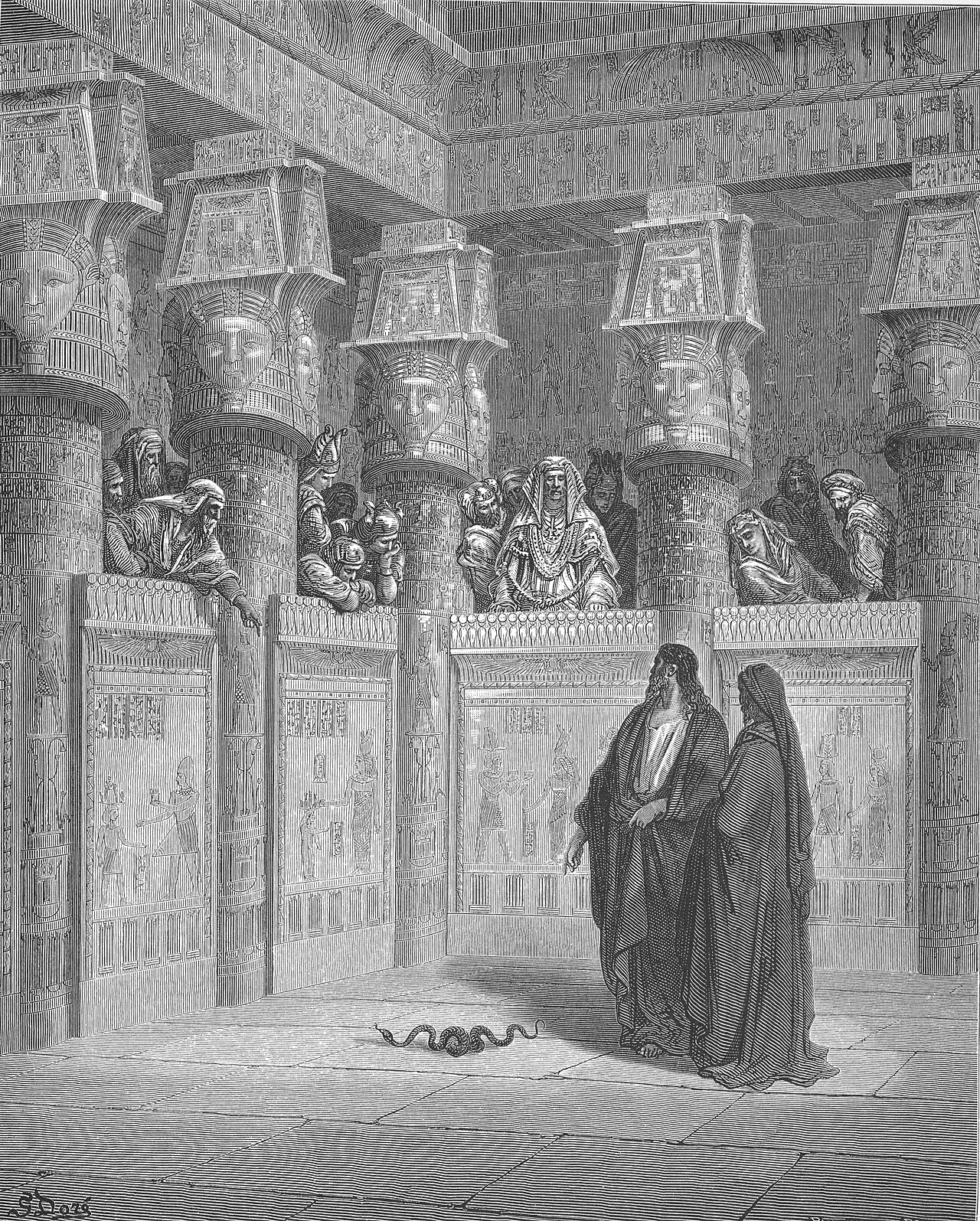
Who and where
2 names in this verse with a page on the site.
This page draws on John Gill, Exposition of the Old Testament; John Gill, Exposition of the Old Testament (1748-1763); John Wesley, Explanatory Notes upon the Old Testament and Matthew Henry, Commentary on the Whole Bible.