
Lamentations 3:58
in Lamentations 3You defend my cause, O Lord; You redeem my life.
BSB
The same verse in ASV and KJV ▾
ASV
O Lord, thou hast pleaded the causes of my soul; thou hast redeemed my life.
KJV
O Lord, thou hast pleaded the causes of my soul; thou hast redeemed my life.
⋯
This verse in Lamentations 3
Commentary
2 notes on this verseHere the judge and his justice is commended: "Thou hast taken up my cause, O Lord, thou hast redeemed my life." That is, during past times. As concurs Psalm 43:1: "Vindicate me, O God, and defend my cause against an ungodly people."
This site's exposition
I called upon thy name, O Lord, out of the low dungeon
on Lamentations 3:55-58
I called upon thy name, O Lord, out of the low dungeon answers the drowning language of the verse before it with prayer, the pit itself becoming the place the cry was made from rather than only the place of despair. Thou hast heard my voice: hide not thine ear at my breathing, at my cry and thou drewest near in the day that I called upon thee: thou saidst, Fear not record an answered prayer in the plainest terms the chapter uses, the Lord's own words quoted back. O Lord, thou hast pleaded the causes of my soul; thou hast redeemed my life closes the narrative with deliverance already accomplished, the man's own rescue placed before the imprecation that follows it, testimony given before the plea for judgment on his enemies.
The words behind it
6 Hebrew wordsEvery Hebrew word of this verse in the order it stands, with what it means and the door to its own study. The last column counts the times a word stands in the whole Bible: the rarer the word, the more the places it appears belong together.
| Hebrew | Sound | Meaning | Word study | In the Bible |
|---|---|---|---|---|
| רַ֧בְתָּ | ravta | you have conducted | H7378 → | |
| אֲדֹנָ֛י | ʾadonai | O Lord | H136 → | 440 times |
| רִיבֵ֥י | rivei | [the] cases of | H7379 → | |
| נַפְשִׁ֖י | nafshi | self my | H5315 → | 754 times |
| גָּאַ֥לְתָּ | gaalta | you have redeemed | H1350 → | |
| חַיָּֽי׃ | chaiyai | life my | H2416 → | 498 times |
רַ֧בְתָּyou have conducted
ravtaH7378 →
אֲדֹנָ֛יO Lord
ʾadonaiH136 →440 times
רִיבֵ֥י[the] cases of
riveiH7379 →
נַפְשִׁ֖יself my
nafshiH5315 →754 times
גָּאַ֥לְתָּyou have redeemed
gaaltaH1350 →
חַיָּֽי׃life my
chaiyaiH2416 →498 times
A shaded row is a word that stands 400 times or fewer in the Bible.
The walk
8 stopsEach card is a verse this one points to, and under it the verses that one points to in turn. Where several paths arrive at the same place, that place is listed first: the text keeps returning to it.
Through
Psalms 34:22The LORD redeems His servants, and none who take refuge in Him will be condemned.
it leads to
- Psalms 103:4
who redeems your life from the Pit and crowns you with loving devotion and compassion,
Reached by 2 separate paths from here.
- 1 Peter 1:18–19
For you know that it was not with perishable things such as silver or gold that you were redeemed from the empty way of life you inherited from your forefathers,
- Psalms 31:5
Into Your hands I commit my spirit; You have redeemed me, O LORD, God of truth.
- Psalms 103:4
Through
Psalms 103:4who redeems your life from the Pit and crowns you with loving devotion and compassion,
it leads to
- Psalms 71:23
When I sing praise to You my lips will shout for joy, along with my soul, which You have redeemed.
Reached by 2 separate paths from here.
- Psalms 34:22
The LORD redeems His servants, and none who take refuge in Him will be condemned.
Reached by 2 separate paths from here.
- Psalms 56:13
For You have delivered my soul from death, and my feet from stumbling, that I may walk before God in the light of life.
- Psalms 103:12
As far as the east is from the west, so far has He removed our transgressions from us.
- Psalms 8:5
You made him a little lower than the angels; You crowned him with glory and honor.
- Psalms 71:23
Where this verse is studied
About Lamentations
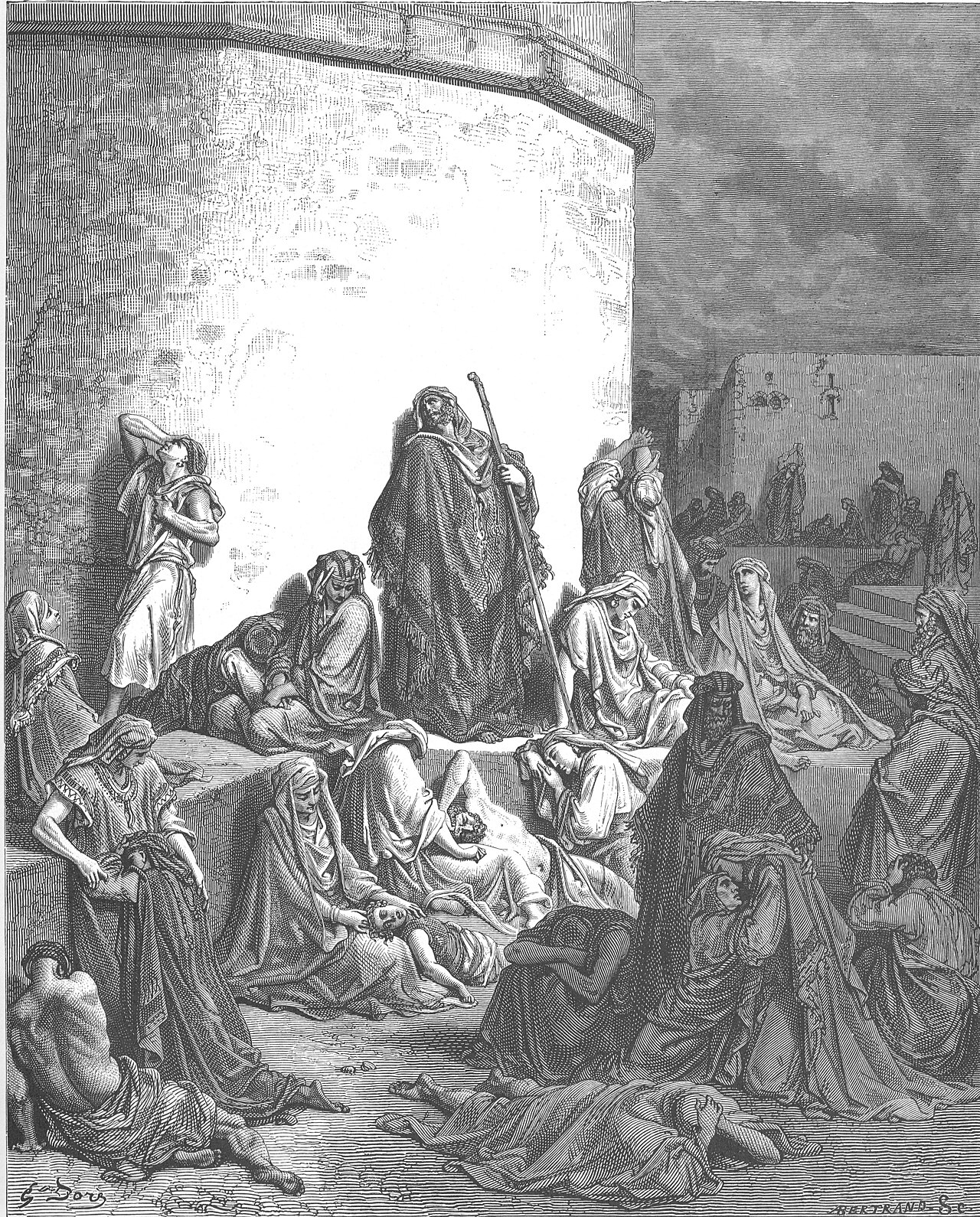
This page draws on Carl Friedrich Keil, Lamentations; Matthew Henry, Commentary on the Whole Bible and Thomas Aquinas, Commentary on Lamentations.