
Joshua 15:53
in Joshua 15Janim, Beth-tappuah, Aphekah,
BSB
The same verse in ASV and KJV ▾
ASV
and Janim, and Beth-tappuah, and Aphekah,
KJV
And Janum, and Beth–tappuah, and Aphekah,
⋯
This verse in Joshua 15
Commentary
3 notes on this verseBeth-tappuah - The house of the apple or citron tree. Probably a place where these grew in great abundance and perfection. Aphekah - See the note on Jos 12:18.
The record, by era
The Puritans and the Awakening2 voices
And when this was done there was a more equal dividend (either in quantity or quality) of the remainder among the seven tribes. And this, probably, was intended in that general rule which was given concerning this partition ( Num. xxxiii.
quarantine:debris (2026-07-29) — unbalanced-parens
And Janum,.... Under the word "Janum", Jerom writes (l), there is a village called Janua, three miles from Legion to the south, but seems not to be what is written: and Bethtappuah is by Jerom called Bethaphu (m), and said to be a village in the tribe of Judah, fourteen miles beyond Raphia, as you go to Egypt, which is the border of Palestine: and Aphekah; Jerom speaks (n) of a large castle in his time called Apheca, near the town of Palestine; there were several places of the name of Aphek; See Gill on Jos 12:
The words behind it
4 Hebrew wordsEvery Hebrew word of this verse in the order it stands, with what it means and the door to its own study. The last column counts the times a word stands in the whole Bible: the rarer the word, the more the places it appears belong together.
Where this verse is studied
On this page
About Joshua
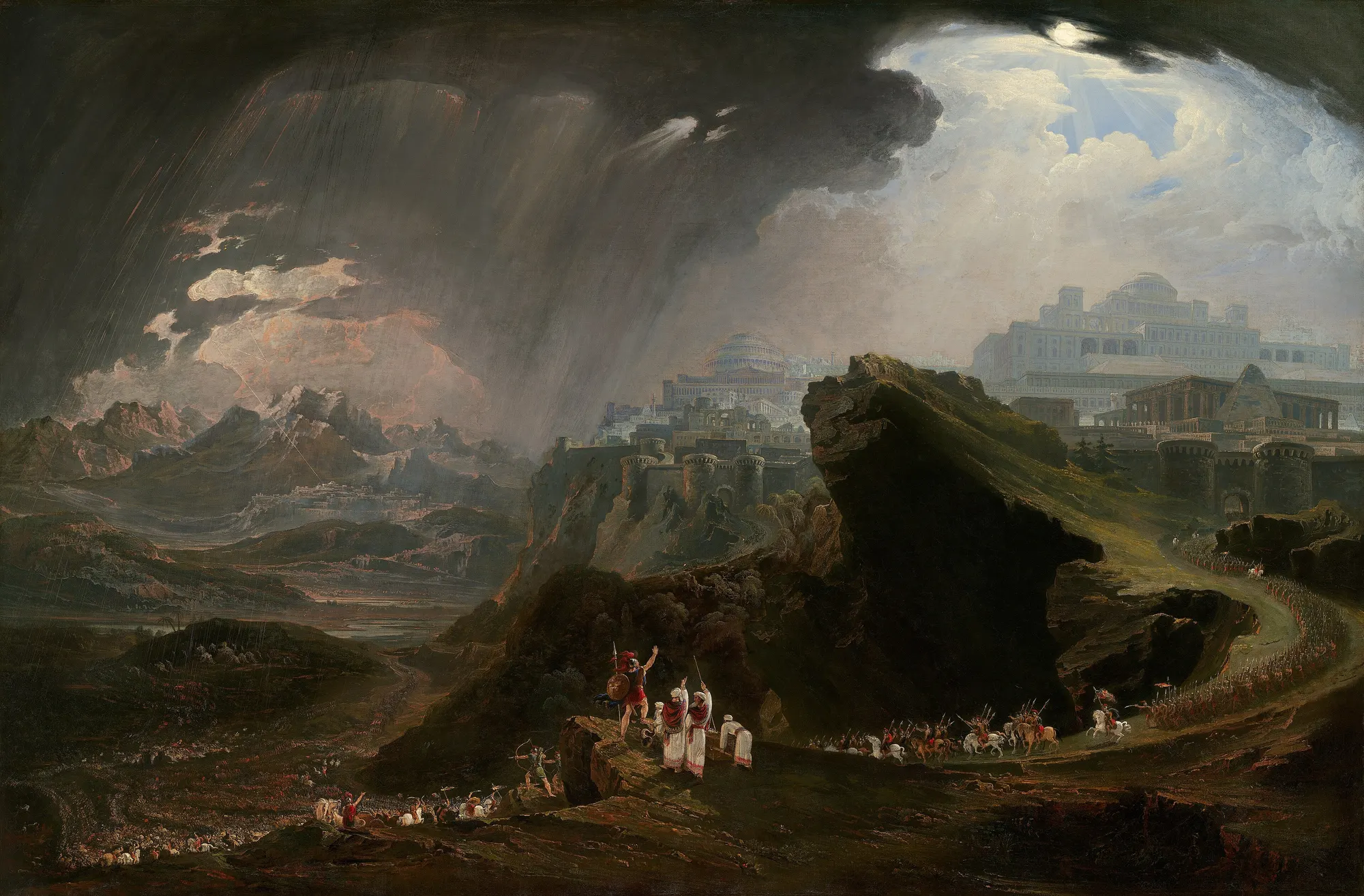
This page draws on Adam Clarke, Commentary on the Bible; John Gill, Exposition of the Old Testament (1748-1763) and Matthew Henry, Commentary on the Whole Bible.