
Joshua 15:42
in Joshua 15Libnah, Ether, Ashan,
BSB
The same verse in ASV and KJV ▾
ASV
Libnah, and Ether, and Ashan,
KJV
Libnah, and Ether, and Ashan,
⋯
This verse in Joshua 15
Commentary
4 notes on this verseThis site's exposition
And in the valley, Eshtaol, and Zoreah
on Joshua 15:33-47
The lowland and then the coast, and the coast is where the difficulty sits. Ekron, Ashdod and Gaza are written into Judah's inheritance at verses 45 to 47, and Joshua 11:22 had just said that the Anakim were left in those three towns. Zoreah and Eshtaol open the list, and they are where Samson is born and buried at Judges 13:2 and 16:31, so the tribe's paper border and the ground it actually holds are two different things from here on.
The record, by era
The Puritans and the Awakening2 voices
And when this was done there was a more equal dividend (either in quantity or quality) of the remainder among the seven tribes. And this, probably, was intended in that general rule which was given concerning this partition ( Num. xxxiii.
quarantine:debris (2026-07-29) — unbalanced-parens
Libnah,.... Here begins another division or list of the cities of Judah, in the valley or plain.
The Nineteenth Century1 voice
Libnah - See the note on Jos 10:29. Ether - From Jos 19:7 we learn that this city was afterwards given to the tribe of Simeon.
The words behind it
3 Hebrew wordsEvery Hebrew word of this verse in the order it stands, with what it means and the door to its own study. The last column counts the times a word stands in the whole Bible: the rarer the word, the more the places it appears belong together.
| Hebrew | Sound | Meaning | Word study | In the Bible |
|---|---|---|---|---|
| לִבְנָ֥ה | livnah | Libnah | H3841 → | 18 times |
| וָעֶ֖תֶר | vaeter | and Ether | H6281 → | |
| וְעָשָֽׁן׃ | veashan | and Ashan | H6228 → |
A shaded row is a word that stands 400 times or fewer in the Bible.
The walk
8 stopsEach card is a verse this one points to, and under it the verses that one points to in turn. Where several paths arrive at the same place, that place is listed first: the text keeps returning to it.
Through
Joshua 10:29Then Joshua and all Israel with him moved on from Makkedah to Libnah and fought against Libnah.
it leads to
- Joshua 21:13
So to the descendants of Aaron the priest they gave these cities, together with their pasturelands: Hebron, a city of refuge for the manslayer, Libnah,
Reached by 2 separate paths from here.
- Joshua 12:15
the king of Libnah, one; the king of Adullam, one;
- Joshua 10:28
On that day Joshua captured Makkedah and put it to the sword, along with its king. He devoted to destruction everyone in the city, leaving no survivors. So he did to the king of…
- Joshua 8:29
He hung the king of Ai on a tree until evening, and at sunset Joshua commanded that they take down the body from the tree and throw it down at the entrance of the…
- Joshua 21:13
Through
2 Kings 8:22So to this day Edom has been in rebellion against the hand of Judah. Likewise, Libnah rebelled at the same time.
it leads to
- 2 Kings 19:8
When the Rabshakeh heard that the king of Assyria had left Lachish, he withdrew and found the king fighting against Libnah.
Reached by 2 separate paths from here.
- Genesis 27:40
You shall live by the sword and serve your brother. But when you rebel, you will tear his yoke from your neck.”
- 2 Kings 19:8
Through
Joshua 12:15the king of Libnah, one; the king of Adullam, one;
it leads to
- Joshua 10:29–30
Then Joshua and all Israel with him moved on from Makkedah to Libnah and fought against Libnah.
- 1 Samuel 22:1
So David left Gath and took refuge in the cave of Adullam. When his brothers and the rest of his father’s household heard about it, they went down to him there.
- Joshua 10:29–30
Where this verse is studied
On this page
About Joshua
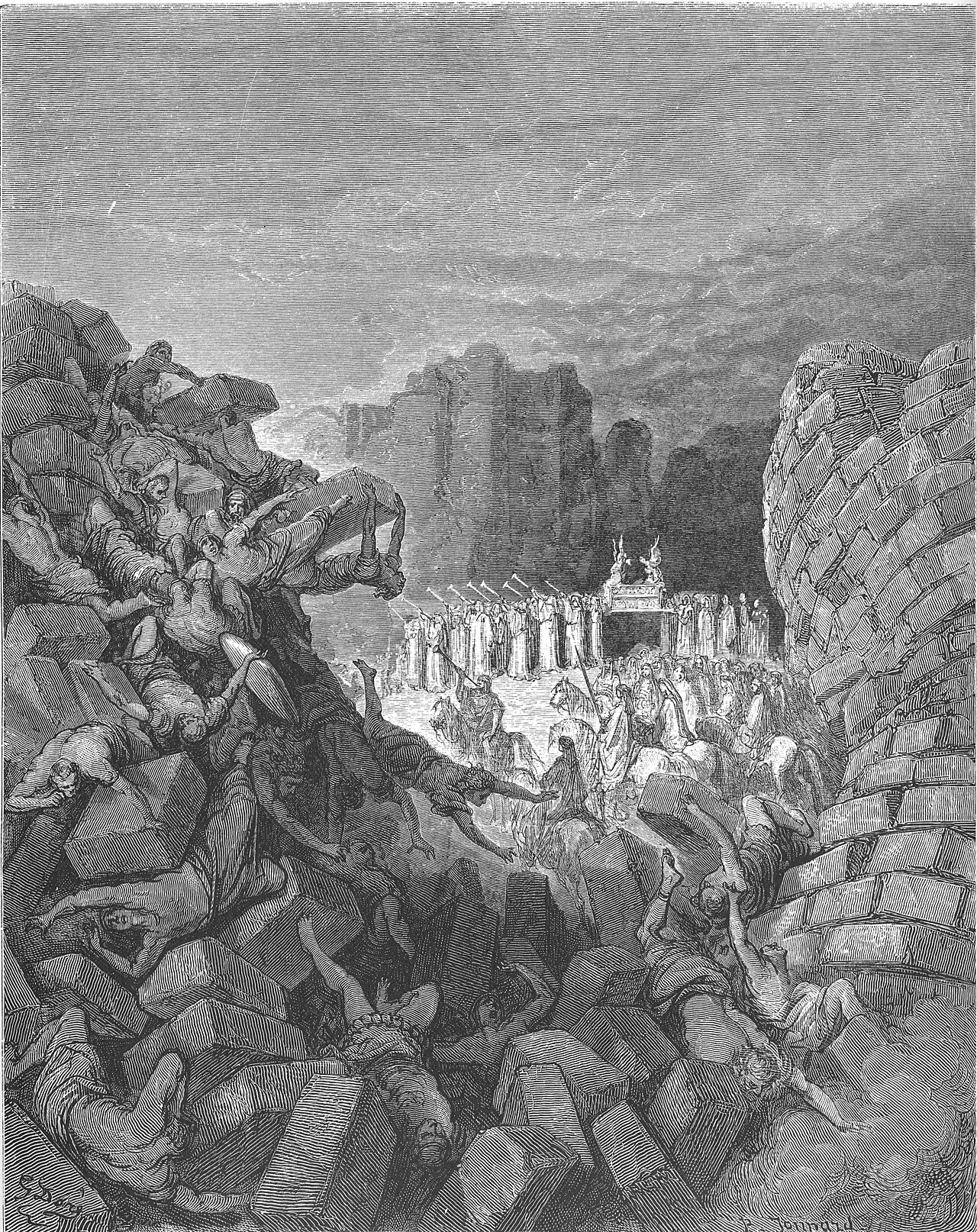
This page draws on Adam Clarke, Commentary on the Bible; Albert Barnes, Notes on the Old Testament; John Gill, Exposition of the Old Testament (1748-1763); Keil and Delitzsch, Biblical Commentary on the Old Testament: Joshua, Judges, Ruth and Matthew Henry, Commentary on the Whole Bible.