
Judges 2:3
in Judges 2So now I tell you that I will not drive out these people before you; they will be thorns in your sides, and their gods will be a snare to you.”
BSB
The same verse in ASV and KJV ▾
ASV
Wherefore I also said, I will not drive them out from before you; but they shall be as thorns in your sides, and their gods shall be a snare unto you.
KJV
Wherefore I also said, I will not drive them out from before you; but they shall be as thorns in your sides, and their gods shall be a snare unto you.
⋯
This verse in Judges 2
Commentary
3 notes on this verseA commentator
Albert Barnes1798–1870
Notes, Explanatory and Practical, on the Old and New Testaments (1832-1869)
“Wherefore I also said” - Rather because ye have done the things mentioned in Jdg 2:2, “I have now said (i. e. I now protest and declare) that I will not drive them out from before you” (compare Jdg 19:29). And it was the annonncement of this resolution by the Angel that caused the people to weep. The word thorns in this verse is supplied by the King James Version from the similar passage in Joshua (see the marginal reference).
This site's exposition
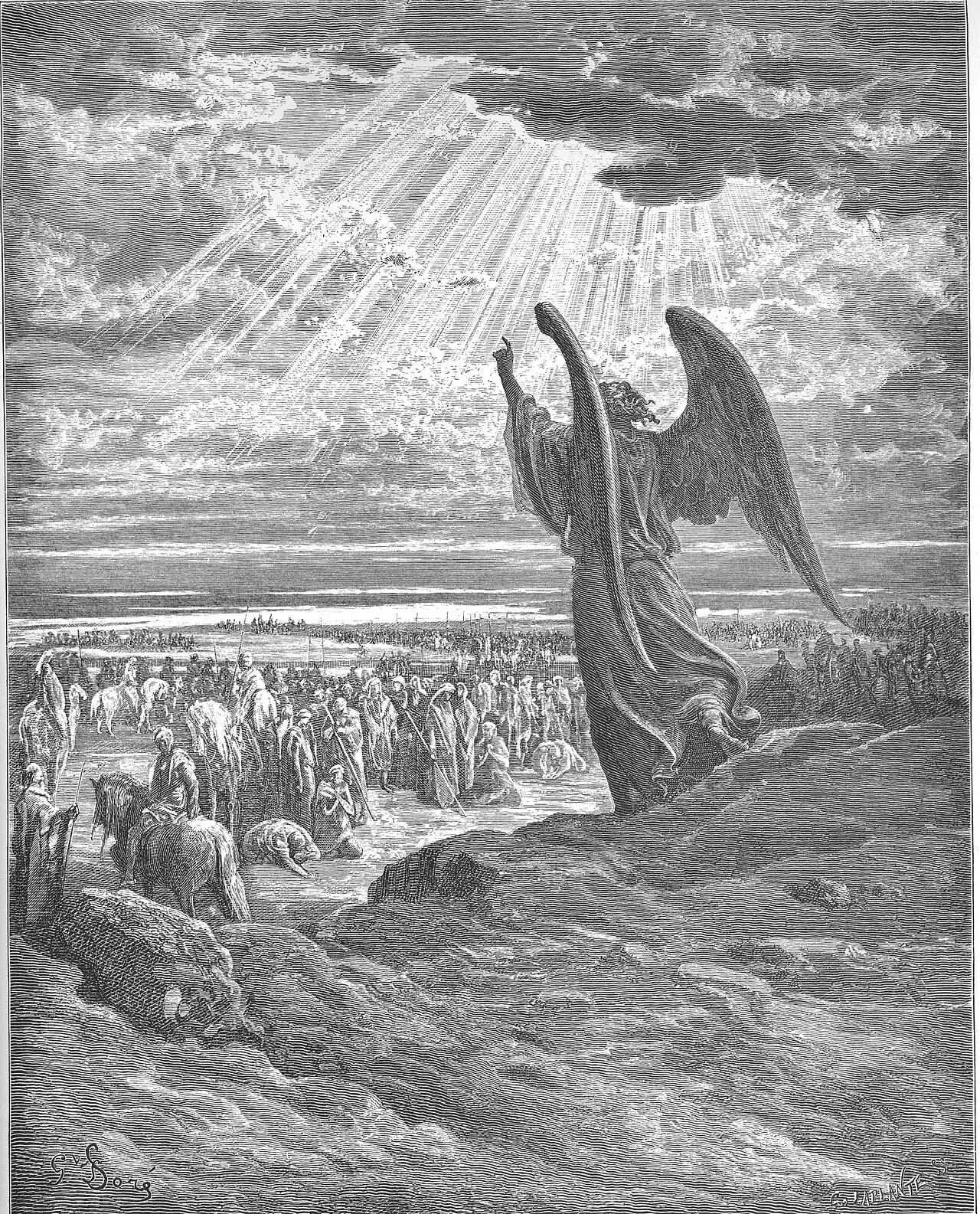
an angel of the LORD came up from Gilgal
on Judges 2:1-3
The messenger comes from Gilgal, which is where Joshua 5 put the circumcision and the passover, so the rebuke starts from the place the obedience started. He speaks in the first person throughout, I made you to go up out of Egypt, and says I will never break my covenant with you, and then asks a question nobody answers: why have ye done this. The sentence at verse 3 is the exact wording of the warning at Numbers 33:55 and Joshua 23:13, thorns in your sides and their gods a snare, so what falls on Israel is what it was told would fall.
The record, by era
The Puritans and the Awakening1 voice
(3.) It would (which was worst of all) expose them to constant temptation and draw them to sin. "Their gods" (their abominations, so the Chaldee) "will be a snare to you; you will find yourselves wretchedly entangled in an affection to them, and it will be your ruin," so some read it. Those that approach sin are justly left to themselves to fall into sin and to perish in it.
The words behind it
13 Hebrew wordsEvery Hebrew word of this verse in the order it stands, with what it means and the door to its own study. The last column counts the times a word stands in the whole Bible: the rarer the word, the more the places it appears belong together.
| Hebrew | Sound | Meaning | Word study | In the Bible |
|---|---|---|---|---|
| וְגַ֣ם | vegam | and also | H1571 → | 769 times |
| אָמַ֔רְתִּי | ʾamarti | I say | H559 → | 5305 times |
| לֹֽא־ | lo'- | not | H3808 → | 5168 times |
| אֲגָרֵ֥שׁ | ʾagaresh | I will drive out | H1644 → | 46 times |
| אוֹתָ֖ם | ʾotam | <obj.> them | H853 → | 10935 times |
| מִפְּנֵיכֶ֑ם | mipeneikhem | from before you | H6440 → | 2123 times |
| וְהָי֤וּ | vehayu | and they will become | H1961 → | 3559 times |
| לָכֶם֙ | lakhem | for <the> you | ||
| לְצִדִּ֔ים | letzidim | <into> sides | H6654 → | |
| וֵאלֹ֣הֵיהֶ֔ם | veloheihem | and gods their | H430 → | 2601 times |
| יִהְי֥וּ | yihyu | they will become | H1961 → | 3559 times |
| לָכֶ֖ם | lakhem | for <the> you | ||
| לְמוֹקֵֽשׁ׃ | lemokesh | <into> a snare | H4170 → |
וְגַ֣םand also
vegamH1571 →769 times
אָמַ֔רְתִּיI say
ʾamartiH559 →5305 times
לֹֽא־not
lo'-H3808 →5168 times
אֲגָרֵ֥שׁI will drive out
ʾagareshH1644 →46 times
אוֹתָ֖ם<obj.> them
ʾotamH853 →10935 times
מִפְּנֵיכֶ֑םfrom before you
mipeneikhemH6440 →2123 times
וְהָי֤וּand they will become
vehayuH1961 →3559 times
לָכֶם֙for <the> you
lakhem
לְצִדִּ֔ים<into> sides
letzidimH6654 →
וֵאלֹ֣הֵיהֶ֔םand gods their
veloheihemH430 →2601 times
יִהְי֥וּthey will become
yihyuH1961 →3559 times
לָכֶ֖םfor <the> you
lakhem
לְמוֹקֵֽשׁ׃<into> a snare
lemokeshH4170 →
A shaded row is a word that stands 400 times or fewer in the Bible.
The walk
8 stopsEach card is a verse this one points to, and under it the verses that one points to in turn. Where several paths arrive at the same place, that place is listed first: the text keeps returning to it.
Through
Numbers 33:55But if you do not drive out the inhabitants of the land before you, those you allow to remain will become barbs in your eyes and thorns in your sides; they will harass you…
it leads to
- Deuteronomy 7:16
You must destroy all the peoples the LORD your God will deliver to you. Do not look on them with pity. Do not worship their gods, for that will be a snare to you.
Reached by 5 separate paths from here.
- Exodus 23:33
They must not remain in your land, lest they cause you to sin against Me. For if you serve their gods, it will surely be a snare to you.”
Reached by 3 separate paths from here.
- Joshua 23:12–13
For if you turn away and cling to the rest of these nations that remain among you, and if you intermarry and associate with them,
Reached by 2 separate paths from here.
- Psalms 106:34–36
They did not destroy the peoples as the LORD had commanded them,
- Deuteronomy 7:4
because they will turn your sons away from following Me to serve other gods. Then the anger of the LORD will burn against you, and He will swiftly destroy you.
- Deuteronomy 7:16
Through
Joshua 23:13know for sure that the LORD your God will no longer drive out these nations before you. Instead, they will become for you a snare and a trap, a scourge in your sides and…
it leads to
- Judges 2:2–3
and you are not to make a covenant with the people of this land, but you shall tear down their altars.’ Yet you have not obeyed My voice. What is this you have done?
Reached by 2 separate paths from here.
- Numbers 33:55
But if you do not drive out the inhabitants of the land before you, those you allow to remain will become barbs in your eyes and thorns in your sides; they will harass you…
- Judges 2:2–3
Through
Exodus 34:12Be careful not to make a treaty with the inhabitants of the land you are entering, lest they become a snare in your midst.
it leads to
- Exodus 23:32–33
You shall make no covenant with them or with their gods.
- Exodus 23:32–33
Where this verse is studied
On this page
About Judges
This page draws on Albert Barnes, Notes, Explanatory and Practical, on the Old and New Testaments (1832-1869); Keil and Delitzsch, Biblical Commentary on the Old Testament: Joshua, Judges, Ruth and Matthew Henry, Commentary on the Whole Bible.