
Isaiah 37:13
in Isaiah 37Where are the kings of Hamath, Arpad, Sepharvaim, Hena, and Ivvah?’”
BSB
The same verse in ASV and KJV ▾
ASV
Where is the king of Hamath, and the king of Arpad, and the king of the city of Sepharvaim, of Hena, and Ivvah?
KJV
Where is the king of Hamath, and the king of Arphad, and the king of the city of Sepharvaim, Hena, and Ivah?
⋯
This verse in Isaiah 37
Commentary
4 notes on this verseA commentator
Albert Barnes1798–1870
Notes, Explanatory and Practical, on the Old and New Testaments (1832-1869)
The king of Hamath - (See the note at Isa 36:19). Hena and Ivah - Hena is mentioned in 2Ki 18:34; 2Ki 19:13. It was evidently in Mesopotamia, and was probably the same which was afterward called Ana, situated near a ford of the Euphrates. The situation of Ivah is not certainly known. It was under the Assyrian dominion, and was one of the places from which colonists were brought to Samaria 2Ki 17:24, 2Ki 17:31. Michaelis supposes that it was between Berytus and Tripoli, but was under the dominion of the Assyrians.
This site's exposition
Let not thy God, in whom thou trustest, deceive thee
on Isaiah 37:10-13
The written letter repeats Rabshakeh's speech in a shorter, colder form, naming Gozan, Haran, Rezeph and the roll call of cities whose gods did not save them. The argument assumes the Lord is one more national god among the conquered, no different in kind from the idols of Hamath or Sepharvaim, which is the exact error the king's own prayer will answer in the next unit. Gill notes that the letter is meant to reach Hezekiah in writing precisely because the spoken word had already failed to break him.
The record, by era
The Church Fathers1 voice
(Verse 8 and following) But when Rabshakeh returned, he found the king of Assyria fighting against Libnah, for he had heard that the king had left Lachish. And he heard that Tirhakah, the king of Ethiopia, had come out to fight against him. When he heard this, he sent messengers to Hezekiah saying: 'Thus you shall speak to Hezekiah, king of Judah, saying: Do not let your God deceive you, in whom you trust, saying: Jerusalem will not be given into the hand of the king of Assyria.'
The Puritans and the Awakening1 voice
Where is the king of Hamath, and the king of Arphad, and the king of the city of Sepharvaim,.... The same, as some think, with the gods or idols of those places; see Gill on Isa 36:19; though it may be the princes that ruled over those cities are meant, who were either slain, or become tributary to the king of Assyria.
The words behind it
10 Hebrew wordsEvery Hebrew word of this verse in the order it stands, with what it means and the door to its own study. The last column counts the times a word stands in the whole Bible: the rarer the word, the more the places it appears belong together.
| Hebrew | Sound | Meaning | Word study | In the Bible |
|---|---|---|---|---|
| אַיֵּ֤ה | ʾaiyeh | where? | H346 → | 45 times |
| מֶֽלֶךְ־ | melekh- | [is] [the] king of | H4428 → | 2525 times |
| חֲמָת֙ | chamat | Hamath | H2574 → | 35 times |
| וּמֶ֣לֶךְ | umelekh | and [the] king of | H4428 → | 2525 times |
| אַרְפָּ֔ד | ʾarpad | Arpad | H774 → | 6 times |
| וּמֶ֖לֶךְ | umelekh | and [the] king of | H4428 → | 2525 times |
| לָעִ֣יר | lair | Lair | H5892 → | 1090 times |
| סְפַרְוָ֑יִם | sefarvayim | Sepharvaim | H5617 → | |
| הֵנַ֖ע | hena' | Hena | H2012 → | |
| וְעִוָּֽה׃ | veivah | and Ivvah | H5755 → |
אַיֵּ֤הwhere?
ʾaiyehH346 →45 times
מֶֽלֶךְ־[is] [the] king of
melekh-H4428 →2525 times
חֲמָת֙Hamath
chamatH2574 →35 times
וּמֶ֣לֶךְand [the] king of
umelekhH4428 →2525 times
אַרְפָּ֔דArpad
ʾarpadH774 →6 times
וּמֶ֖לֶךְand [the] king of
umelekhH4428 →2525 times
לָעִ֣ירLair
lairH5892 →1090 times
סְפַרְוָ֑יִםSepharvaim
sefarvayimH5617 →
הֵנַ֖עHena
hena'H2012 →
וְעִוָּֽה׃and Ivvah
veivahH5755 →
A shaded row is a word that stands 400 times or fewer in the Bible.
The walk
8 stopsEach card is a verse this one points to, and under it the verses that one points to in turn. Where several paths arrive at the same place, that place is listed first: the text keeps returning to it.
Through
Isaiah 36:19Where are the gods of Hamath and Arpad? Where are the gods of Sepharvaim? Have they delivered Samaria from my hand?
it leads to
- Jeremiah 49:23
Concerning Damascus: “Hamath and Arpad are put to shame, for they have heard a bad report; they are agitated like the sea; their anxiety cannot be calmed.
Reached by 3 separate paths from here.
- Numbers 34:8
and from Mount Hor to Lebo-hamath, then extend to Zedad,
Reached by 2 separate paths from here.
- Isaiah 10:9–11
“Is not Calno like Carchemish? Is not Hamath like Arpad? Is not Samaria like Damascus?
- Isaiah 37:11–13
Surely you have heard what the kings of Assyria have done to all the other countries, devoting them to destruction. Will you then be spared?
- 2 Kings 17:5–7
Then the king of Assyria invaded the whole land, marched up to Samaria, and besieged it for three years.
- Jeremiah 49:23
Through
2 Kings 19:13Where are the kings of Hamath, Arpad, Sepharvaim, Hena, and Ivvah?’”
it leads to
- 2 Kings 18:34
Where are the gods of Hamath and Arpad? Where are the gods of Sepharvaim, Hena, and Ivvah? Have they delivered Samaria from my hand?
- 2 Kings 18:34
Through
Isaiah 10:9“Is not Calno like Carchemish? Is not Hamath like Arpad? Is not Samaria like Damascus?
it leads to
- 2 Chronicles 35:20
After all this, when Josiah had set the temple in order, Neco king of Egypt marched up to fight at Carchemish by the Euphrates, and Josiah went out to confront him.
- 2 Kings 16:9
So the king of Assyria responded to him, marched up to Damascus, and captured it. He took its people to Kir as captives and put Rezin to death.
- 2 Chronicles 35:20
About Isaiah
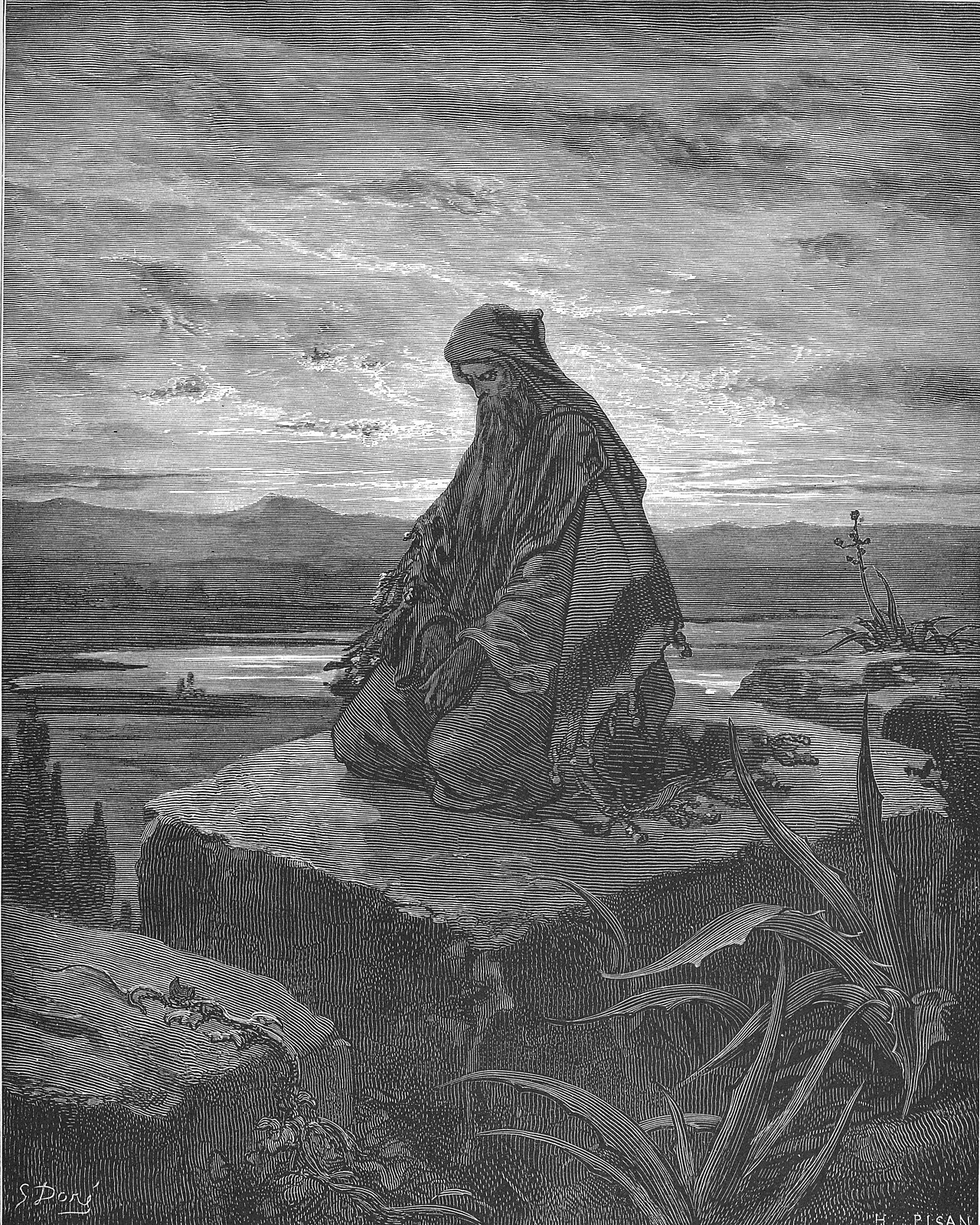
This page draws on Albert Barnes, Notes, Explanatory and Practical, on the Old and New Testaments (1832-1869); Albert Barnes, Notes on the Book of Isaiah; Jerome, Commentary on Isaiah; John Gill, Exposition of the Old Testament and John Gill, Exposition of the Old Testament (1748-1763).