
Ezra 10:14
in Ezra 10Let our leaders represent the whole assembly. Then let everyone in our towns who has married a foreign woman come at an appointed time, together with the elders and judges of each town, until the fierce anger of our God in this matter is turned away from us.”
BSB
The same verse in ASV and KJV ▾
ASV
Let now our princes be appointed for all the assembly, and let all them that are in our cities that have married foreign women come at appointed times, and with them the elders of every city, and the judges thereof, until the fierce wrath of our God be turned from us, until this matter be despatched.
KJV
Let now our rulers of all the congregation stand, and let all them which have taken strange wives in our cities come at appointed times, and with them the elders of every city, and the judges thereof, until the fierce wrath of our God for this matter be turned from us.
⋯
This verse in Ezra 10
Commentary
6 notes on this verseThis site's exposition
it is the rainy season
on Ezra 10:13-15
The crowd's objection slows what the vow had promised. Their remedy becomes the method: leaders represent the assembly, and each case comes with its town's elders and judges. The Berean reads Jonathan and Jahzeiah as opponents, and some commentators take them as officers appointed to the work.
This site's exposition
until the fierce anger of our God
Matthew Henry calls this plan a court of delegates, set up to receive complaints and to hear and determine each case. The people close on the fierce anger of God. Ezra had asked at 9:14 whether God would become so angry as to leave no remnant.
The record, by era
The Puritans and the Awakening3 voices
Commissioners were appointed to sit "de die in diem"--day after day, to enquire who had married strange wives and to oblige them to put them away, which was done accordingly (
quarantine:debris (2026-07-29) — unbalanced-parens
If, in this method, a thorough reformation be made, the fierce wrath of God will be turned from us, which, we are sensible, is ready to break forth against us for this transgression." Ezra was willing that his zeal should be guided by the people's prudence, and put the matter into this method; he was not ashamed to own that the advice came from them, any more than he was to comply with it.
quarantine:debris (2026-07-29) — odd-straight-quotes
Let now our rulers of all the congregations stand,....
The Nineteenth Century1 voice
A commentator
Jamieson, Fausset & Brown1802–1910
Commentary Critical and Explanatory on the Whole Bible (1871)
proposed
Ezra the priest stood up, and said--Having fully represented the enormity of their sin and urged them to dissolve their unlawful connections, he was gratified by receiving a prompt acknowledgment of the justice of his reproof and a promise of compliance with his recommendation.
How the passage was read
What the Jewish commentators add
On the verses either side of this one
and it is the rainy season for the rains are falling upon us.
This section is reception history: how the passage was read and kept in the Jewish tradition. Where a reading parts from an essential of the Christian faith, the section says so at that point.
Texts and citation data: Sefaria; each excerpt follows its version’s licence. 5 further sources are cited on this chapter that carry no English text this site may quote or only restate the verse.
The words behind it
28 Hebrew wordsEvery Hebrew word of this verse in the order it stands, with what it means and the door to its own study. The last column counts the times a word stands in the whole Bible: the rarer the word, the more the places it appears belong together.
| Hebrew | Sound | Meaning | Word study | In the Bible |
|---|---|---|---|---|
| יַֽעֲמְדוּ־ | yaamdu- | let them stand | H5975 → | 521 times |
| נָ֣א | na' | please | H4994 → | |
| שָׂ֠רֵינוּ | sareinu | leaders our | H8269 → | 421 times |
| לְֽכָל־ | lekhol | for all | H3605 → | 5413 times |
| הַקָּהָ֞ל | hakahal | the assembly | H6951 → | 123 times |
| וְכֹ֣ל׀ | vekhol | and every [one] | H3605 → | 5413 times |
| אֲשֶׁ֣ר | ʾasher | who | H834 → | 5497 times |
| בֶּעָרֵ֗ינוּ | beareinu | [is] in <the> cities our | H5892 → | 1090 times |
| הַהֹשִׁ֞יב | hahoshiv | who he has married | H3427 → | 1079 times |
| נָשִׁ֤ים | nashim | women | H802 → | 781 times |
| נָכְרִיּוֹת֙ | nakheriyot | foreign | H5237 → | 45 times |
| יָבֹא֙ | yavo' | let him come | H935 → | 2568 times |
| לְעִתִּ֣ים | leitim | to times | H6256 → | 296 times |
| מְזֻמָּנִ֔ים | mezumanim | appointed | H2163 → | |
| וְעִמָּהֶ֛ם | veimahem | and with them | H5973 → | 1050 times |
| זִקְנֵי־ | ziknei- | [the] elders of | H2205 → | 178 times |
| עִ֥יר | ʾir | a city | H5892 → | 1090 times |
| וָעִ֖יר | vair | and a city | H5892 → | 1090 times |
| וְשֹׁפְטֶ֑יהָ | veshofeteiha | and judges its | H8199 → | |
| עַ֠ד | ʾad | until | H5704 → | 1261 times |
| לְהָשִׁ֞יב | lehashiv | <to> turn back | H7725 → | 1056 times |
| חֲר֤וֹן | charon | [the] burning of | H2740 → | |
| אַף־ | ʾaf- | [the] anger of | H639 → | |
| אֱלֹהֵ֙ינוּ֙ | ʾeloheinu | God our | H430 → | 2601 times |
| מִמֶּ֔נּוּ | mimenu | from us | H4480 → | 1188 times |
| עַ֖ד | ʾad | until | H5704 → | 1261 times |
| לַדָּבָ֥ר | ladavar | to the matter | H1697 → | 1440 times |
| הַזֶּֽה׃ פ | hazeh | <the> this | H2088 → | 1180 times |
יַֽעֲמְדוּ־let them stand
yaamdu-H5975 →521 times
נָ֣אplease
na'H4994 →
שָׂ֠רֵינוּleaders our
sareinuH8269 →421 times
לְֽכָל־for all
lekholH3605 →5413 times
הַקָּהָ֞לthe assembly
hakahalH6951 →123 times
וְכֹ֣ל׀and every [one]
vekholH3605 →5413 times
אֲשֶׁ֣רwho
ʾasherH834 →5497 times
בֶּעָרֵ֗ינוּ[is] in <the> cities our
beareinuH5892 →1090 times
הַהֹשִׁ֞יבwho he has married
hahoshivH3427 →1079 times
נָשִׁ֤יםwomen
nashimH802 →781 times
נָכְרִיּוֹת֙foreign
nakheriyotH5237 →45 times
יָבֹא֙let him come
yavo'H935 →2568 times
לְעִתִּ֣יםto times
leitimH6256 →296 times
מְזֻמָּנִ֔יםappointed
mezumanimH2163 →
וְעִמָּהֶ֛םand with them
veimahemH5973 →1050 times
זִקְנֵי־[the] elders of
ziknei-H2205 →178 times
עִ֥ירa city
ʾirH5892 →1090 times
וָעִ֖ירand a city
vairH5892 →1090 times
וְשֹׁפְטֶ֑יהָand judges its
veshofeteihaH8199 →
עַ֠דuntil
ʾadH5704 →1261 times
לְהָשִׁ֞יב<to> turn back
lehashivH7725 →1056 times
חֲר֤וֹן[the] burning of
charonH2740 →
אַף־[the] anger of
ʾaf-H639 →
אֱלֹהֵ֙ינוּ֙God our
ʾeloheinuH430 →2601 times
מִמֶּ֔נּוּfrom us
mimenuH4480 →1188 times
עַ֖דuntil
ʾadH5704 →1261 times
לַדָּבָ֥רto the matter
ladavarH1697 →1440 times
הַזֶּֽה׃ פ<the> this
hazehH2088 →1180 times
A shaded row is a word that stands 400 times or fewer in the Bible.
The walk
8 stopsEach card is a verse this one points to, and under it the verses that one points to in turn. Where several paths arrive at the same place, that place is listed first: the text keeps returning to it.
Through
Isaiah 12:1In that day you will say: “O LORD, I will praise You. Although You were angry with me, Your anger has turned away, and You have comforted me.
it leads to
- Psalms 30:5
For His anger is fleeting, but His favor lasts a lifetime. Weeping may stay the night, but joy comes in the morning.
- Isaiah 54:8
In a surge of anger I hid My face from you for a moment, but with everlasting kindness I will have compassion on you,” says the LORD your Redeemer.
- Isaiah 25:1
O LORD, You are my God! I will exalt You; I will praise Your name. For You have worked wonders—plans formed long ago—in perfect faithfulness.
- Zechariah 14:9
On that day the LORD will become King over all the earth—the LORD alone, and His name alone.
- Isaiah 40:1–2
“Comfort, comfort My people,” says your God.
- Psalms 30:5
Through
2 Chronicles 29:10Now it is in my heart to make a covenant with the LORD, the God of Israel, so that His fierce anger will turn away from us.
it leads to
- Jeremiah 50:5
They will ask the way to Zion and turn their faces toward it. They will come and join themselves to the LORD in an everlasting covenant that will never be forgotten.
- Jeremiah 50:5
Through
2 Chronicles 30:8Now do not stiffen your necks as your fathers did. Submit to the LORD and come to His sanctuary, which He has consecrated forever. Serve the LORD your God, so that His fierce anger…
it leads to
- 2 Chronicles 29:10
Now it is in my heart to make a covenant with the LORD, the God of Israel, so that His fierce anger will turn away from us.
- 2 Chronicles 29:10
Through
Numbers 25:4Then the LORD said to Moses, “Take all the leaders of the people and execute them in broad daylight before the LORD, so that His fierce anger may turn away from Israel.”
it leads to
- Deuteronomy 13:17
Nothing devoted to destruction shall cling to your hands, so that the LORD will turn from His fierce anger, grant you mercy, show you compassion, and multiply you as He swore to your fathers,
- Deuteronomy 13:17
Where this verse is studied
On this page
Studies1
About Ezra
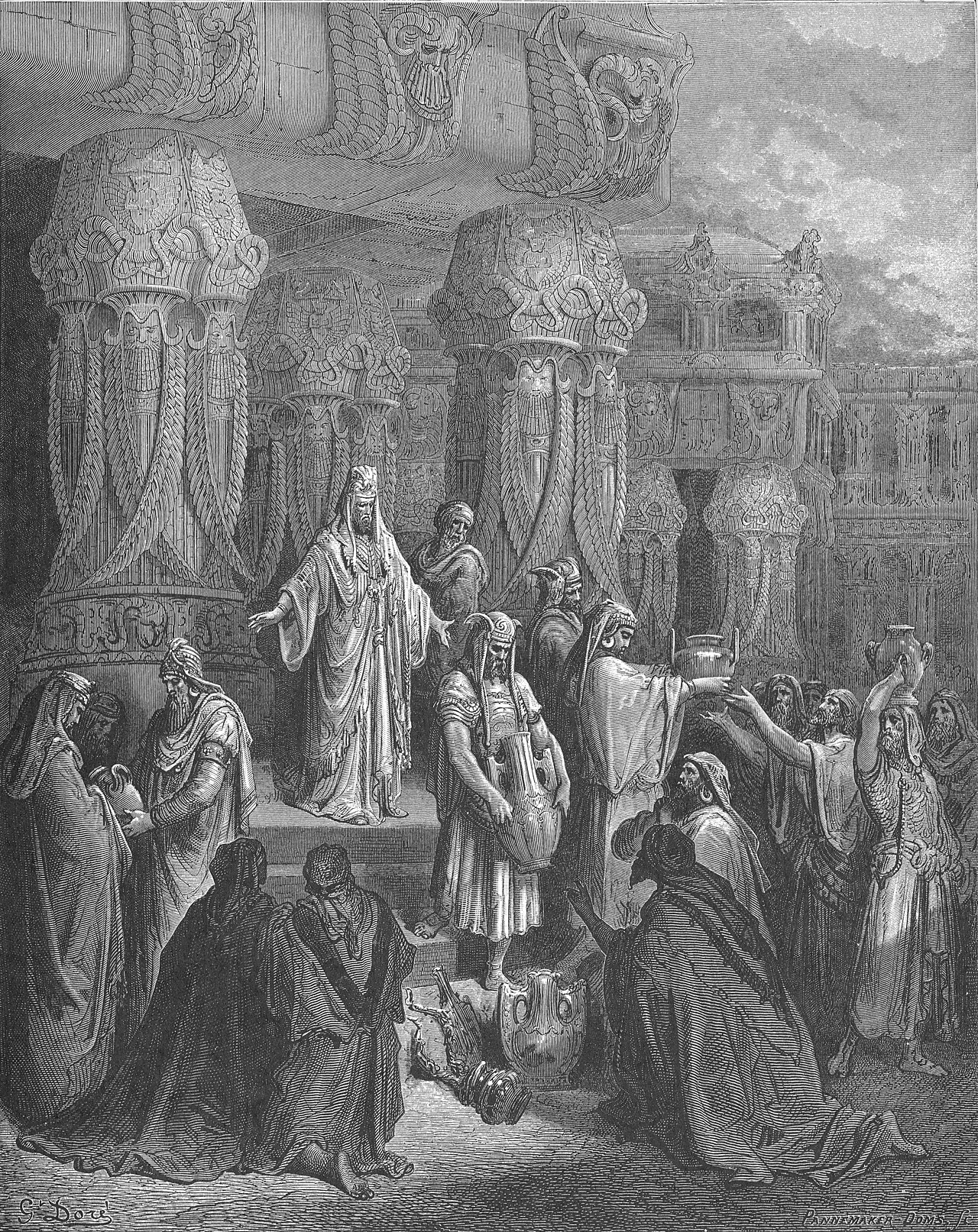
This page draws on Adam Clarke, Commentary on the Bible; Berean Standard Bible, Ezra 9; Jamieson, Fausset & Brown, Commentary Critical and Explanatory on the Whole Bible; John Gill, Exposition of the Old Testament (1748-1763) and Matthew Henry, Commentary on the Whole Bible.