
Deuteronomy 27:15
in Deuteronomy 27‘Cursed is the man who makes a carved idol or molten image—an abomination to the LORD, the work of the hands of a craftsman—and sets it up in secret.’ And let all the people say, ‘Amen!’
BSB
The same verse in ASV and KJV ▾
ASV
Cursed be the man that maketh a graven or molten image, an abomination unto Jehovah, the work of the hands of the craftsman, and setteth it up in secret. And all the people shall answer and say, Amen.
KJV
Cursed be the man that maketh any graven or molten image, an abomination unto the Lord, the work of the hands of the craftsman, and putteth it in a secret place. And all the people shall answer and say, Amen.
⋯
This verse in Deuteronomy 27
Commentary
6 notes on this verseCursed be the man, etc. - Other laws, previously made, had prohibited all these things; and penal sanctions were necessarily understood; but here God more openly declares that he who breaks them is cursed - falls under the wrath and indignation of his Maker and Judge. See the note on Exo 20:4.
This site's exposition
And the Levites shall speak
on Deuteronomy 27:14-15
Levi stands on Gerizim at verse 12 and the Levites speak the curses at verse 14, and John Gill reads the speakers as the priests of that tribe placed in the valley between the mountains, which is where Joshua 8:33 puts the men who bore the ark. The first curse falls on an image put in a secret place, and that sets the key of the whole list, since most of what follows is done where no witness stands. Jamieson, Fausset and Brown render the formula as a declaration rather than a wish, cursed is he rather than cursed be he. The people answer Amen twelve times, a word first spoken in Scripture by one woman at Numbers 5:22 and here said by a nation.
The record, by era
The Puritans and the Awakening4 voices
But how could they say it to the curses? It was both a profession of their faith in the truth of it, and an acknowledgment of the equity of these curses. So that when they said Amen, they did in effect Say, not only, it is certain it shall be so, but it is just it should be so.
Whether it be a graven image or a molten image, it comes all to one, it is an abomination to the Lord, even though it be not set up in public, but in a secret place,--though it be not actually worshipped, nor is it said to be designed for worship, but reserved there with respect and a constant temptation.
Cursed be the man that maketh any graven or molten image,....
10 Thou shalt therefore obey the voice of the L ORD thy God, and do his commandments and his statutes, which I command thee this day. A general charge to the people to keep God's commandments; for in vain did they know them, unless they would do them. This is pressed upon them, 1.
How the passage was read
What the Jewish commentators add
ארור האיש, all of the “cursed be” mentioned here had first been intoned as a blessing for all the people refraining from becoming guilty of the sins that are mentioned here.
1 more on this passage, in their own words ▾
מקלה means, “making light of”, it has the same meaning as (Deuteronomy:3) “Lest … thy brother become despicable (נקלה).
This section is reception history: how the passage was read and kept in the Jewish tradition. Where a reading parts from an essential of the Christian faith, the section says so at that point.
Texts and citation data: Sefaria; each excerpt follows its version’s licence. 5 further sources are cited on this chapter that carry no English text this site may quote or only restate the verse.
The words behind it
18 Hebrew wordsEvery Hebrew word of this verse in the order it stands, with what it means and the door to its own study. The last column counts the times a word stands in the whole Bible: the rarer the word, the more the places it appears belong together.
| Hebrew | Sound | Meaning | Word study | In the Bible |
|---|---|---|---|---|
| אָר֣וּר | ʾarur | [is] cursed | H779 → | 63 times |
| הָאִ֡ישׁ | haish | the person | H376 → | 1663 times |
| אֲשֶׁ֣ר | ʾasher | who | H834 → | 5497 times |
| יַעֲשֶׂה֩ | yaaseh | he will make | H6213 → | 2628 times |
| פֶ֨סֶל | fesel | an image | H6459 → | 31 times |
| וּמַסֵּכָ֜ה | umasekhah | and a molten image | H4541 → | 28 times |
| תּוֹעֲבַ֣ת | toavat | <the> abomination of | H8441 → | 117 times |
| יְהוָ֗ה | yahweh | Yahweh | H3068 → | 6520 times |
| מַעֲשֵׂ֛ה | maaseh | [the] work of | H4639 → | 236 times |
| יְדֵ֥י | yedei | [the] hands of | H3027 → | 1618 times |
| חָרָ֖שׁ | charash | a craftsman | H2796 → | |
| וְשָׂ֣ם | vesam | and he will set [it] up | H7760 → | 584 times |
| בַּסָּ֑תֶר | basater | in <the> secrecy | H5643 → | 36 times |
| וְעָנ֧וּ | veanu | and they will answer | H6030 → | 331 times |
| כָל־ | khol- | all | H3605 → | 5413 times |
| הָעָ֛ם | haam | the people | H5971 → | 1873 times |
| וְאָמְר֖וּ | veameru | and they will say | H559 → | 5305 times |
| אָמֵֽן׃ ס | ʾamen | amen | H543 → | 30 times |
אָר֣וּר[is] cursed
ʾarurH779 →63 times
הָאִ֡ישׁthe person
haishH376 →1663 times
אֲשֶׁ֣רwho
ʾasherH834 →5497 times
יַעֲשֶׂה֩he will make
yaasehH6213 →2628 times
פֶ֨סֶלan image
feselH6459 →31 times
וּמַסֵּכָ֜הand a molten image
umasekhahH4541 →28 times
תּוֹעֲבַ֣ת<the> abomination of
toavatH8441 →117 times
יְהוָ֗הYahweh
yahwehH3068 →6520 times
מַעֲשֵׂ֛ה[the] work of
maasehH4639 →236 times
יְדֵ֥י[the] hands of
yedeiH3027 →1618 times
חָרָ֖שׁa craftsman
charashH2796 →
וְשָׂ֣םand he will set [it] up
vesamH7760 →584 times
בַּסָּ֑תֶרin <the> secrecy
basaterH5643 →36 times
וְעָנ֧וּand they will answer
veanuH6030 →331 times
כָל־all
khol-H3605 →5413 times
הָעָ֛םthe people
haamH5971 →1873 times
וְאָמְר֖וּand they will say
veameruH559 →5305 times
אָמֵֽן׃ סamen
ʾamenH543 →30 times
A shaded row is a word that stands 400 times or fewer in the Bible.
The walk
8 stopsEach card is a verse this one points to, and under it the verses that one points to in turn. Where several paths arrive at the same place, that place is listed first: the text keeps returning to it.
Through
Exodus 20:4You shall not make for yourself an idol in the form of anything in the heavens above, on the earth below, or in the waters beneath.
it leads to
- Leviticus 26:1
“You must not make idols for yourselves or set up a carved image or sacred pillar; you must not place a sculpted stone in your land to bow down to it. For I am…
Reached by 2 separate paths from here.
- Leviticus 19:4
Do not turn to idols or make for yourselves molten gods. I am the LORD your God.
Reached by 3 separate paths from here.
- Deuteronomy 4:15–19
So since you saw no form of any kind on the day the LORD spoke to you out of the fire at Horeb, be careful
Reached by 2 separate paths from here.
- Deuteronomy 5:8
You shall not make for yourself an idol in the form of anything in the heavens above, on the earth below, or in the waters beneath.
- Psalms 97:7
All worshipers of images are put to shame— those who boast in idols. Worship Him, all you gods!
- Leviticus 26:1
Through
Deuteronomy 5:8You shall not make for yourself an idol in the form of anything in the heavens above, on the earth below, or in the waters beneath.
it leads to
- Exodus 20:4
You shall not make for yourself an idol in the form of anything in the heavens above, on the earth below, or in the waters beneath.
- Exodus 20:4
Through
Leviticus 26:1“You must not make idols for yourselves or set up a carved image or sacred pillar; you must not place a sculpted stone in your land to bow down to it. For I am…
it leads to
- Exodus 23:24
You must not bow down to their gods or serve them or follow their practices. Instead, you are to demolish them and smash their sacred stones to pieces.
- Numbers 33:52
you must drive out before you all the inhabitants of the land, destroy all their carved images and cast idols, and demolish all their high places.
- Exodus 23:24
Where this verse is studied
On this page
About Deuteronomy
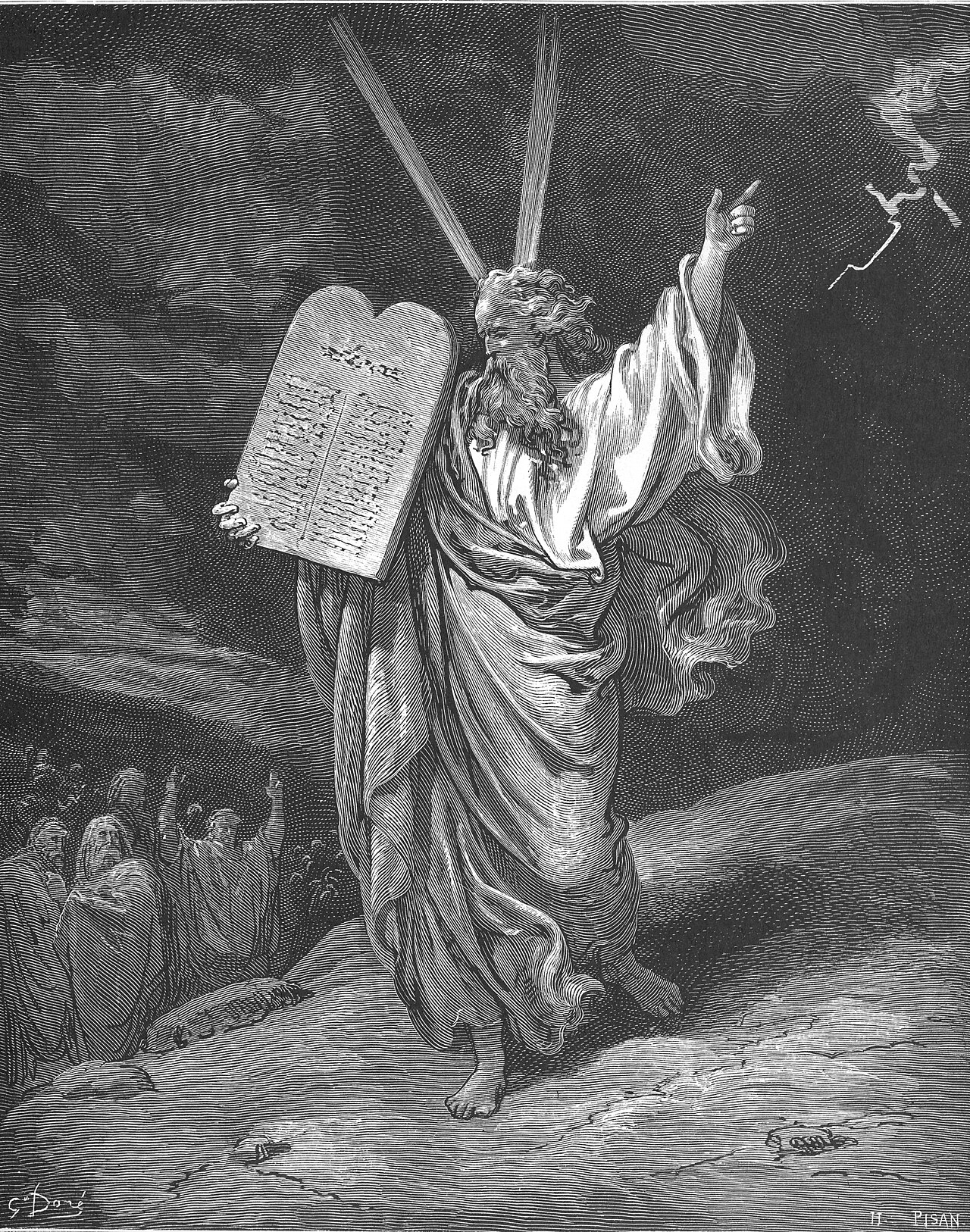
This page draws on Adam Clarke, Commentary on the Bible; Jamieson, Fausset & Brown, Commentary Critical and Explanatory on the Whole Bible; John Gill, Exposition of the Old Testament; John Gill, Exposition of the Old Testament (1748-1763); John Wesley, Explanatory Notes upon the Old Testament and Matthew Henry, Commentary on the Whole Bible.