
Deuteronomy 15:9
in Deuteronomy 15Be careful not to harbor this wicked thought in your heart: “The seventh year, the year of release, is near,” so that you look upon your poor brother begrudgingly and give him nothing. He will cry out to the LORD against you, and you will be guilty of sin.
BSB
The same verse in ASV and KJV ▾
ASV
Beware that there be not a base thought in thy heart, saying, The seventh year, the year of release, is at hand; and thine eye be evil against thy poor brother, and thou give him nought; and he cry unto Jehovah against thee, and it be sin unto thee.
KJV
Beware that there be not a thought in thy wicked heart, saying, The seventh year, the year of release, is at hand; and thine eye be evil against thy poor brother, and thou givest him nought; and he cry unto the Lord against thee, and it be sin unto thee.
⋯
This verse in Deuteronomy 15
Commentary
5 notes on this verseBeware that there be not a thought in thy wicked heart - לבבך בליעל lebabecha beliyaal, thy belial heart, that is, thy good-for-nothing or unprofitable heart; See on Deu 13:13 (note). And thine eye be evil - An evil eye signifies a covetous disposition. See the same form of expression used by our Lord in the same sense, Mat 6:23. If thine eye be evil - If thou be a covetous person. Evil eye is by our Lord opposed to single eye, i. e., a person of a liberal, benevolent mind. Covetousness darkens the soul; liberality and benevolence enlighten it.
This site's exposition
Beware that there be not a thought
on Deuteronomy 15:9-10
The statute anticipates a man doing arithmetic, counting the months to the year of release and lending nothing because the debt is about to be cancelled. Adam Clarke renders the Hebrew behind thy wicked heart as a heart of Belial, and reads thine eye be evil as covetousness, the figure Jesus uses at Matthew 6:23 and Matthew 20:15. The refusal is called sin and the poor man's cry goes to the Lord, which is how Exodus 22:22-27 handles the cry of the widow and the pledged garment. Verse 10 asks for the gift without a grieved heart, and 2 Corinthians 9:7 takes up that clause as the cheerful giver.
The record, by era
The Puritans and the Awakening3 voices
But he is here told that he did wickedly, and that God would condemn him as doing ill to his brother; and we are sure that the judgment of God is according to truth, and that what he says is sin to us will certainly be ruin to us if it be not repented of. Here is a command to give cheerfully whatever we give in charity: " Thy heart shall not be grieved when thou givest,
quarantine:debris (2026-07-29) — odd-straight-quotes
Beware - Suppress the first risings of such uncharitableness. It be sin - That is, it be charged upon thee as a sin.
Beware that there be not a thought in thy wicked heart,....
How the passage was read
What the Jewish commentators add
On the verses either side of this one
נתן תתן לו THOU SHALT SURELY GIVE HIM — even hundred times (Sifrei Devarim:6).
This section is reception history: how the passage was read and kept in the Jewish tradition. Where a reading parts from an essential of the Christian faith, the section says so at that point.
Texts and citation data: Sefaria; each excerpt follows its version’s licence. 6 further sources are cited on this chapter that carry no English text this site may quote or only restate the verse.
The words behind it
28 Hebrew wordsEvery Hebrew word of this verse in the order it stands, with what it means and the door to its own study. The last column counts the times a word stands in the whole Bible: the rarer the word, the more the places it appears belong together.
| Hebrew | Sound | Meaning | Word study | In the Bible |
|---|---|---|---|---|
| הִשָּׁ֣מֶר | hishamer | take heed | H8104 → | 468 times |
| לְךָ֡ | lekha | to <the> yourself | ||
| פֶּן־ | pen- | lest | H6435 → | 133 times |
| יִהְיֶ֣ה | yihyeh | it should be | H1961 → | 3559 times |
| דָבָר֩ | davar | a word | H1697 → | 1440 times |
| עִם־ | ʾim- | with | H5973 → | 1050 times |
| לְבָבְךָ֨ | levavekha | heart your | H3824 → | 252 times |
| בְלִיַּ֜עַל | veliyaal | worthlessness | H1100 → | |
| לֵאמֹ֗ר | lemor | <to> saying | H559 → | 5305 times |
| קָֽרְבָ֣ה | karevah | it has drawn near | H7126 → | 280 times |
| שְׁנַֽת־ | shenat- | [the] year of | H8141 → | 877 times |
| הַשֶּׁבַע֮ | hasheva' | the seven | H7651 → | 394 times |
| שְׁנַ֣ת | shenat | [the] year of | H8141 → | 877 times |
| הַשְּׁמִטָּה֒ | hashemitah | the remission | H8059 → | 5 times |
| וְרָעָ֣ה | veraah | and it will be evil | H7489 → | 107 times |
| עֵֽינְךָ֗ | ʾeinekha | eye your | H5869 → | 887 times |
| בְּאָחִ֙יךָ֙ | beachikha | on countryman your | H251 → | 630 times |
| הָֽאֶבְי֔וֹן | haevyon | <the> needy | H34 → | 61 times |
| וְלֹ֥א | velo' | and not | H3808 → | 5168 times |
| תִתֵּ֖ן | titen | you will give | H5414 → | 2011 times |
| ל֑וֹ | lo | to <the> him | ||
| וְקָרָ֤א | vekara' | and he will call out | H7121 → | 733 times |
| עָלֶ֙יךָ֙ | ʾaleikha | against you | H5921 → | 5755 times |
| אֶל־ | ʾel- | to | H413 → | 5510 times |
| יְהוָ֔ה | yahweh | Yahweh | H3068 → | 6520 times |
| וְהָיָ֥ה | vehayah | and it will be | H1961 → | 3559 times |
| בְךָ֖ | vekha | on <the> you | ||
| חֵֽטְא׃ | chet' | sin | H2399 → | 33 times |
הִשָּׁ֣מֶרtake heed
hishamerH8104 →468 times
לְךָ֡to <the> yourself
lekha
פֶּן־lest
pen-H6435 →133 times
יִהְיֶ֣הit should be
yihyehH1961 →3559 times
דָבָר֩a word
davarH1697 →1440 times
עִם־with
ʾim-H5973 →1050 times
לְבָבְךָ֨heart your
levavekhaH3824 →252 times
בְלִיַּ֜עַלworthlessness
veliyaalH1100 →
לֵאמֹ֗ר<to> saying
lemorH559 →5305 times
קָֽרְבָ֣הit has drawn near
karevahH7126 →280 times
שְׁנַֽת־[the] year of
shenat-H8141 →877 times
הַשֶּׁבַע֮the seven
hasheva'H7651 →394 times
שְׁנַ֣ת[the] year of
shenatH8141 →877 times
הַשְּׁמִטָּה֒the remission
hashemitahH8059 →5 times
וְרָעָ֣הand it will be evil
veraahH7489 →107 times
עֵֽינְךָ֗eye your
ʾeinekhaH5869 →887 times
בְּאָחִ֙יךָ֙on countryman your
beachikhaH251 →630 times
הָֽאֶבְי֔וֹן<the> needy
haevyonH34 →61 times
וְלֹ֥אand not
velo'H3808 →5168 times
תִתֵּ֖ןyou will give
titenH5414 →2011 times
ל֑וֹto <the> him
lo
וְקָרָ֤אand he will call out
vekara'H7121 →733 times
עָלֶ֙יךָ֙against you
ʾaleikhaH5921 →5755 times
אֶל־to
ʾel-H413 →5510 times
יְהוָ֔הYahweh
yahwehH3068 →6520 times
וְהָיָ֥הand it will be
vehayahH1961 →3559 times
בְךָ֖on <the> you
vekha
חֵֽטְא׃sin
chet'H2399 →33 times
A shaded row is a word that stands 400 times or fewer in the Bible.
The walk
8 stopsEach card is a verse this one points to, and under it the verses that one points to in turn. Where several paths arrive at the same place, that place is listed first: the text keeps returning to it.
Through
James 5:9Do not complain about one another, brothers, so that you will not be judged. Look, the Judge is standing at the door!
it leads to
- Leviticus 19:18
Do not seek revenge or bear a grudge against any of your people, but love your neighbor as yourself. I am the LORD.
- 1 Corinthians 4:5
Therefore judge nothing before the appointed time; wait until the Lord comes. He will bring to light what is hidden in darkness and will expose the motives of men’s hearts. At that time each…
- James 4:11
Brothers, do not slander one another. Anyone who speaks against his brother or judges him speaks against the law and judges it. And if you judge the law, you are not a practitioner of…
- Matthew 24:33
So also, when you see all these things, you will know that He is near, right at the door.
- Leviticus 19:18
Through
Deuteronomy 24:15You are to pay his wages each day before sunset, because he is poor and depends on them. Otherwise he may cry out to the LORD against you, and you will be guilty of…
it leads to
- James 5:4
Look, the wages you withheld from the workmen who mowed your fields are crying out against you. The cries of the harvesters have reached the ears of the Lord of Hosts.
Reached by 2 separate paths from here.
- Leviticus 19:13
You must not defraud your neighbor or rob him. You must not withhold until morning the wages due a hired hand.
- Proverbs 3:27–28
Do not withhold good from the deserving when it is within your power to act.
- James 5:4
Through
Matthew 20:15Do I not have the right to do as I please with what is mine? Or are you envious because I am generous?’
it leads to
- Romans 9:15–24
For He says to Moses: “I will have mercy on whom I have mercy, and I will have compassion on whom I have compassion.”
- Romans 9:15–24
About Deuteronomy
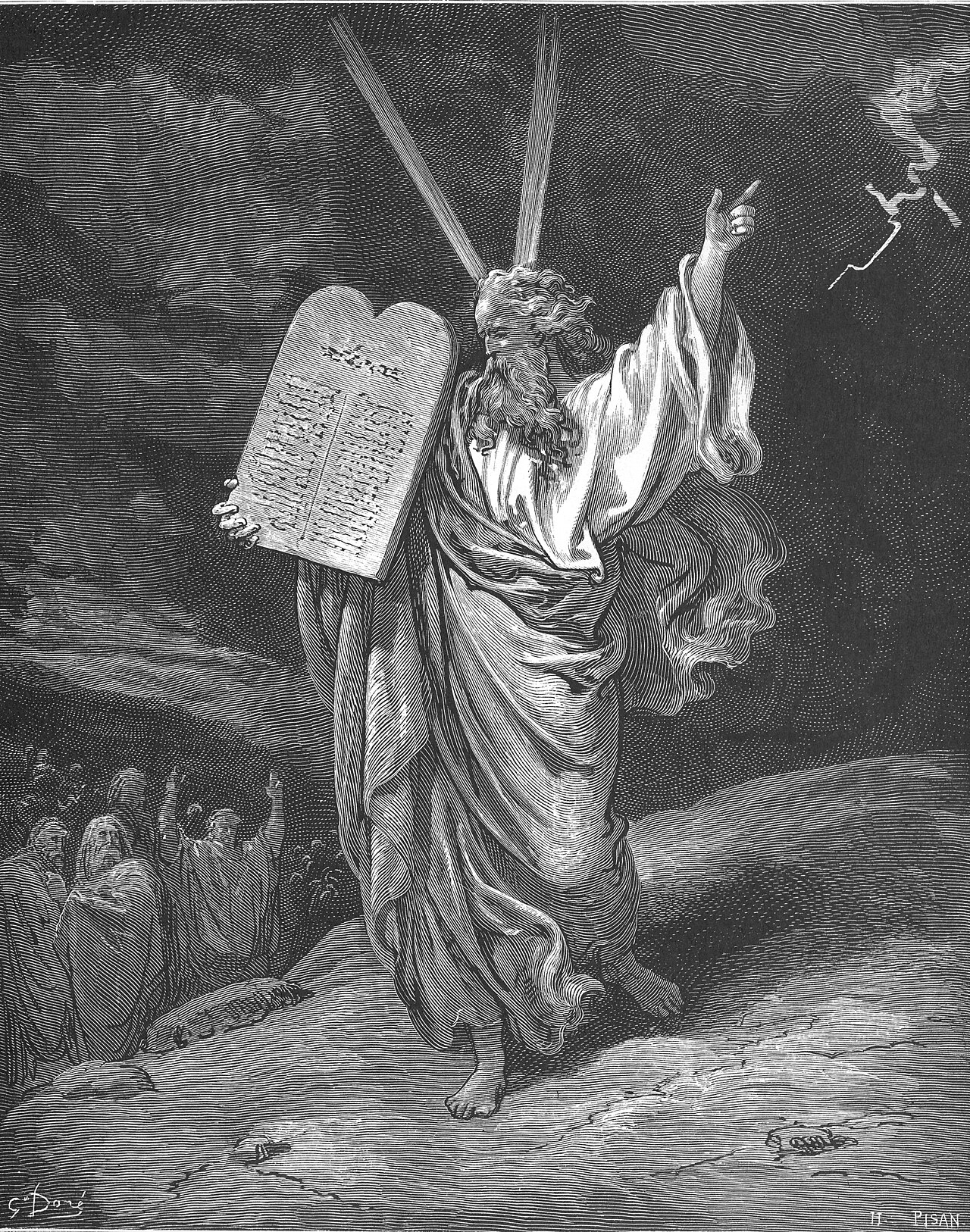
This page draws on Adam Clarke, Commentary on the Bible; John Gill, Exposition of the Old Testament; John Gill, Exposition of the Old Testament (1748-1763); John Wesley, Explanatory Notes upon the Old Testament and Matthew Henry, Commentary on the Whole Bible.