
1 Samuel 19:10
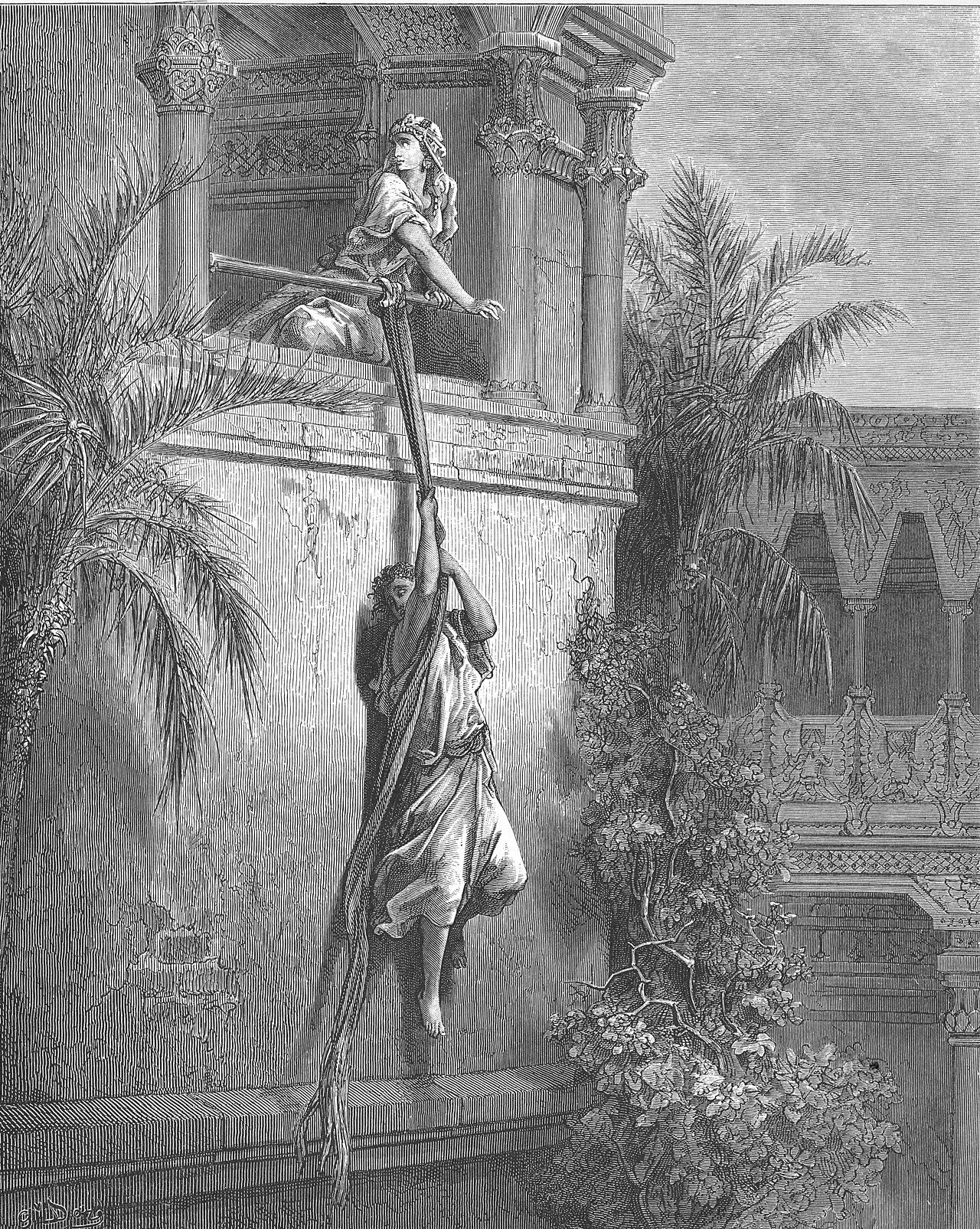
in 1 Samuel 19Saul tried to pin him to the wall with his spear. But the spear struck the wall and David eluded him, ran away, and escaped that night.
BSB
The same verse in ASV and KJV ▾
ASV
And Saul sought to smite David even to the wall with the spear; but he slipped away out of Saul’s presence, and he smote the spear into the wall: and David fled, and escaped that night.
KJV
And Saul sought to smite David even to the wall with the javelin; but he slipped away out of Saul’s presence, and he smote the javelin into the wall: and David fled, and escaped that night.
⋯
This verse in 1 Samuel 19
Commentary
9 notes on this verseThis site's exposition
When war broke out again, David went out and fought the Philistines
on 1 Samuel 19:8-10
David’s victory renews Saul’s jealousy, and "a spirit of distress from the LORD" comes upon him, the phrasing of 16:14 and 18:10. The spear flies at David a third time and strikes only the wall, so the next move turns from the king’s own arm to messengers.
This site's exposition
the spear struck the wall
David escapes the spear that night and goes home, where Saul's men will surround the house before morning. Matthew Henry records that Josephus tells of a plan to try David for treason. Verse 11 records a plainer order to kill him.
The record, by era
The Church Fathers2 voices
As also, on the other hand, if we have no works, the Spirit flieth away. But if we be deserted by the Spirit, we shall also halt in our works. For when this hath gone, the unclean one cometh: this is plain from Saul. For what if he doth not choke us as he did him, still he strangles us in some other way by wicked works. We have need then of the harp of David, that we may charm our souls with the divine songs, both these, and those from good actions. Since if we do the one only, and while we listen to the charm, war with the charmer by our actions, as he did of old; the remedy will even turn to judgment to us, and the madness become the more furious. For before we heard, the wicked demon was afraid lest we should hear it and recover. But when after hearing it even, we continue the same as we were, this is the very thing to rid him of his fear. Let us sing then the Psalm of good deeds, that we may cast out the sin that is worse than the demon.
A commentator
Gregory of NyssaON THE INSCRIPTIONS OF THE PSALMS 2.16.269-70 · Written before 395.
proposed
Now it is certainly obvious what the sequence is looking to through the figures of the story. The one of David is predicted by means of David, and the one who was anointed signifies the Christ.
The Medieval Church1 voice
And Saul attempted to pin David with a spear, etc. The Jews attempted to kill entirely in the flesh of Christ, who is God both soul and flesh. But he, commending his spirit into the hands of the Father, bowed his head and gave it …
The Puritans and the Awakening2 voices
14 And when Saul sent messengers to take David, she said, He is sick. 15 And Saul sent the messengers again to see David, saying, Bring him up to me in the bed, that I may slay him. 16 And when the messengers were come in, behold, there was an image in the bed, with a pillow of goats' hair for his bolster.
quarantine:scripture (2026-07-29) — verbatim-scripture
And Saul sought to smite David even to the wall with his javelin,....
2 more voices on this verse
The Nineteenth Century2 voices
But he slipped away - He found he could not trust Saul; and therefore was continually on his watch. His agility of body was the means of his preservation at this time.
A commentator
Albert Barnes1798–1870
Notes, Explanatory and Practical, on the Old and New Testaments (1832-1869)
proposed
David fled - This was the beginning of David’s life as a fugitive and outcast, though for no “offence or fauIt” of his (Psa 59:3, Prayer Book Version).
The words behind it
18 Hebrew wordsEvery Hebrew word of this verse in the order it stands, with what it means and the door to its own study. The last column counts the times a word stands in the whole Bible: the rarer the word, the more the places it appears belong together.
| Hebrew | Sound | Meaning | Word study | In the Bible |
|---|---|---|---|---|
| וַיְבַקֵּ֨שׁ | vayvakesh | and he sought | H1245 → | 225 times |
| שָׁא֜וּל | shaul | Saul | H7586 → | 402 times |
| לְהַכּ֤וֹת | lehakot | to strike | H5221 → | 499 times |
| בַּֽחֲנִית֙ | bachanit | with the spear | H2595 → | 47 times |
| בְּדָוִ֣ד | bedavid | <on> David | H1732 → | 999 times |
| וּבַקִּ֔יר | uvakir | and <on> the wall | H7023 → | 75 times |
| וַיִּפְטַר֙ | vaiyiftar | and he escaped | H6362 → | |
| מִפְּנֵ֣י | mipenei | from before | H6440 → | 2123 times |
| שָׁא֔וּל | shaul | Saul | H7586 → | 402 times |
| וַיַּ֥ךְ | vaiyakh | and he struck | H5221 → | 499 times |
| אֶֽת־ | ʾet- | <obj.> | H853 → | 10935 times |
| הַחֲנִ֖ית | hachanit | the spear | H2595 → | 47 times |
| בַּקִּ֑יר | bakir | in the wall | H7023 → | 75 times |
| וְדָוִ֛ד | vedavid | and David | H1732 → | 999 times |
| נָ֥ס | nas | he fled | H5127 → | 159 times |
| וַיִּמָּלֵ֖ט | vaiyimalet | and he escaped | H4422 → | 95 times |
| בַּלַּ֥יְלָה | balaylah | in the night | H3915 → | 233 times |
| הֽוּא׃ פ | hu' | that | H1931 → | 1879 times |
וַיְבַקֵּ֨שׁand he sought
vayvakeshH1245 →225 times
שָׁא֜וּלSaul
shaulH7586 →402 times
לְהַכּ֤וֹתto strike
lehakotH5221 →499 times
בַּֽחֲנִית֙with the spear
bachanitH2595 →47 times
בְּדָוִ֣ד<on> David
bedavidH1732 →999 times
וּבַקִּ֔ירand <on> the wall
uvakirH7023 →75 times
וַיִּפְטַר֙and he escaped
vaiyiftarH6362 →
מִפְּנֵ֣יfrom before
mipeneiH6440 →2123 times
שָׁא֔וּלSaul
shaulH7586 →402 times
וַיַּ֥ךְand he struck
vaiyakhH5221 →499 times
אֶֽת־<obj.>
ʾet-H853 →10935 times
הַחֲנִ֖יתthe spear
hachanitH2595 →47 times
בַּקִּ֑ירin the wall
bakirH7023 →75 times
וְדָוִ֛דand David
vedavidH1732 →999 times
נָ֥סhe fled
nasH5127 →159 times
וַיִּמָּלֵ֖טand he escaped
vaiyimaletH4422 →95 times
בַּלַּ֥יְלָהin the night
balaylahH3915 →233 times
הֽוּא׃ פthat
hu'H1931 →1879 times
A shaded row is a word that stands 400 times or fewer in the Bible.
The walk
8 stopsEach card is a verse this one points to, and under it the verses that one points to in turn. Where several paths arrive at the same place, that place is listed first: the text keeps returning to it.
Through
Psalms 124:7We have escaped like a bird from the snare of the fowler; the net is torn, and we have slipped away.
it leads to
- Psalms 91:3
Surely He will deliver you from the snare of the fowler, and from the deadly plague.
- Proverbs 6:5
Free yourself, like a gazelle from the hand of the hunter, like a bird from the snare of the fowler.
- 2 Timothy 2:26
Then they will come to their senses and escape the snare of the devil, who has taken them captive to his will.
- Psalms 91:3
Through
Proverbs 21:30There is no wisdom, no understanding, no counsel that can prevail against the LORD.
it leads to
- Acts 5:39
But if it is from God, you will not be able to stop them. You may even find yourselves fighting against God.”
- Proverbs 19:21
Many plans are in a man’s heart, but the purpose of the LORD will prevail.
- Jeremiah 9:23
This is what the LORD says: “Let not the wise man boast in his wisdom, nor the strong man in his strength, nor the wealthy man in his riches.
- Isaiah 14:27
The LORD of Hosts has purposed, and who can thwart Him? His hand is outstretched, so who can turn it back?
- 1 Corinthians 3:19–20
For the wisdom of this world is foolishness in God’s sight. As it is written: “He catches the wise in their craftiness.”
- Acts 5:39
Where this verse is studied
About 1 Samuel
Who and where
2 names in this verse with a page on the site.
- PersonUnited MonarchyDavidSecond king of united Israel, shepherd-turned-monarch, ancestor of the Messiah, and traditional author of many Psalms.
- PersonUnited monarchySaulIsrael's first king, head and shoulders above the people; began in humility, ended in rejection — sparing what God devoted, consul…
This page draws on Adam Clarke, Commentary on the Bible; Albert Barnes, Notes, Explanatory and Practical, on the Old and New Testaments (1832-1869); Bede, Commentary on Samuel; Gregory of Nyssa, ON THE INSCRIPTIONS OF THE PSALMS 2.16.269-70; John Chrysostom, HOMILIES ON ROMANS 28; John Gill, Exposition of the Old Testament (1748-1763) and Matthew Henry, Commentary on the Whole Bible.