
Study trail
Names of God
Discover God's character through the names He reveals across Scripture.
Where this trail goes
In Scripture a name is not a label: it is a disclosure of character. This walk traces ten moments where God puts His own name on the record, from the first verse of the Bible to the last verse of Ezekiel. Each name arrives inside a story: a creation, a covenant, a runaway slave in the desert, an old man holding an impossible promise, a burning bush, a frightened farmer, a shepherd's psalm, a city still to come. God does not hand over a list of attributes; He shows up, acts, and names Himself in the act. Walk the ten stops in order and you watch the revelation widen, from raw creative power to a God who sees, heals, gives peace, shepherds, and finally stays.
The route
The stops are in the order the Bible presents them.
The route: 10 stops, Genesis 1:1 to Ezekiel 48:35
10 stops, in order
Stop 1 of 10: Genesis 1:1
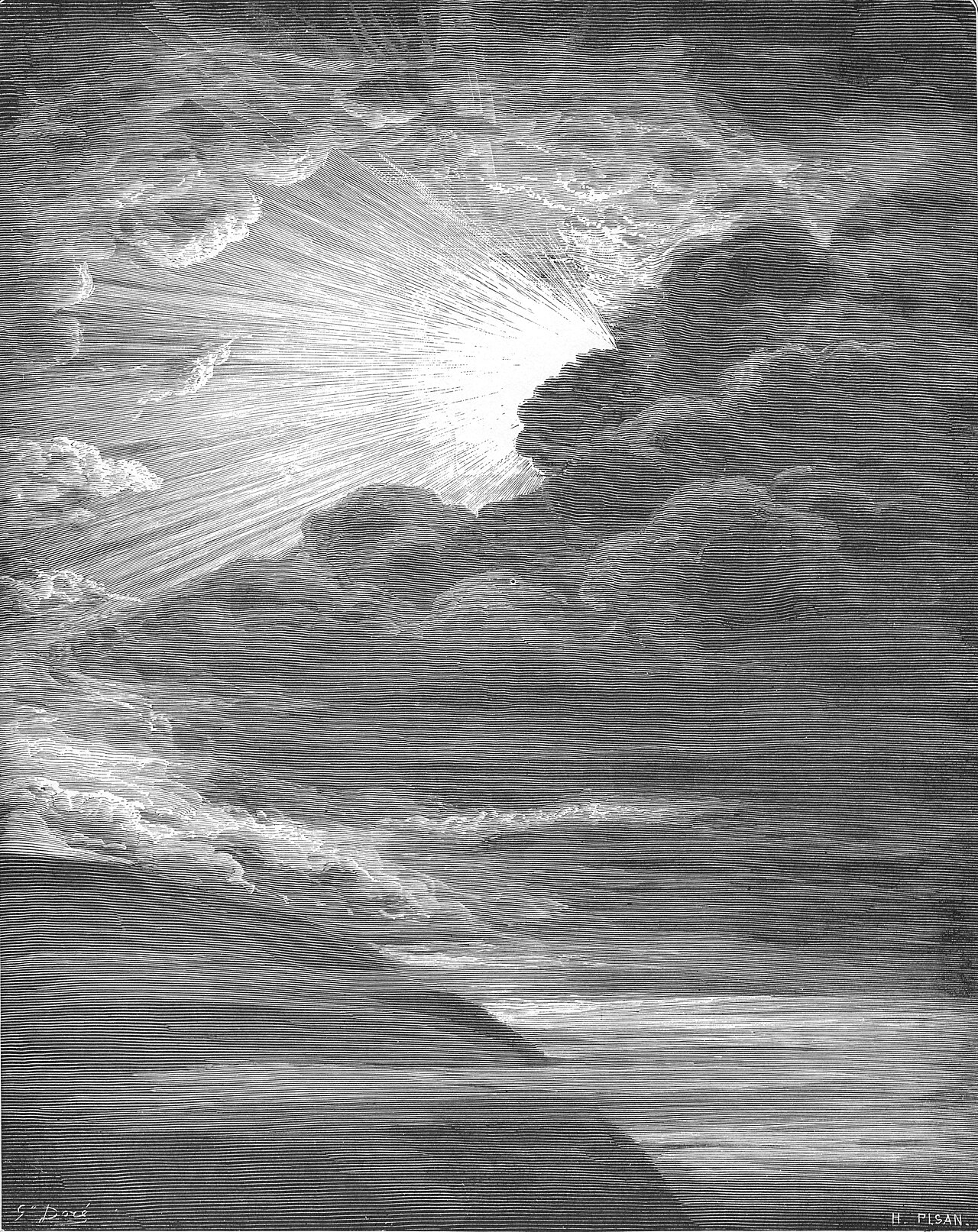
In the beginning God created the heavens and the earth.The first name is power: before any promise is spoken, Elohim simply creates everything.
Elohim is grammatically plural but takes a singular verb: a plurality acting as one. The name appears thirty-five times in the creation account and never once in an argument for God's existence: Scripture opens by assuming Him and reporting what He does. Power is the first thing revealed about Him.
Show more on this stopthe exposition
The exposition on this verse
In the beginning: Time itself starts in this sentence. Scripture opens with no argument for God, only the report that when anything began, God was already there. John 1:1 takes these same three words and sets the Word inside them, and John 1:3 says all things were made through Him.
God created: The verb translated created is bara, and its only subject in the Old Testament is God. The name Elohim is plural and the verb is singular, which Wesley read as a first hint of the Father, the Son and the Spirit. God alone made the heavens and the earth.
the heavens and the earth: The two words together are the Hebrew way of saying everything there is. JFB press the point that nothing existed for God to work with, and the heavens and the earth came out of nothing. Colossians 1:16 says all things were created through Christ, in heaven and on earth.
This exposition draws on Jamieson, Fausset & Brown, Commentary Critical and Explanatory on the Whole Bible; John Calvin, Commentary on Genesis; John Gill, Exposition of the Old Testament; John Wesley, Explanatory Notes upon the Old Testament and Matthew Henry, Commentary on the Whole Bible.
Stop 2 of 10: Genesis 2:4
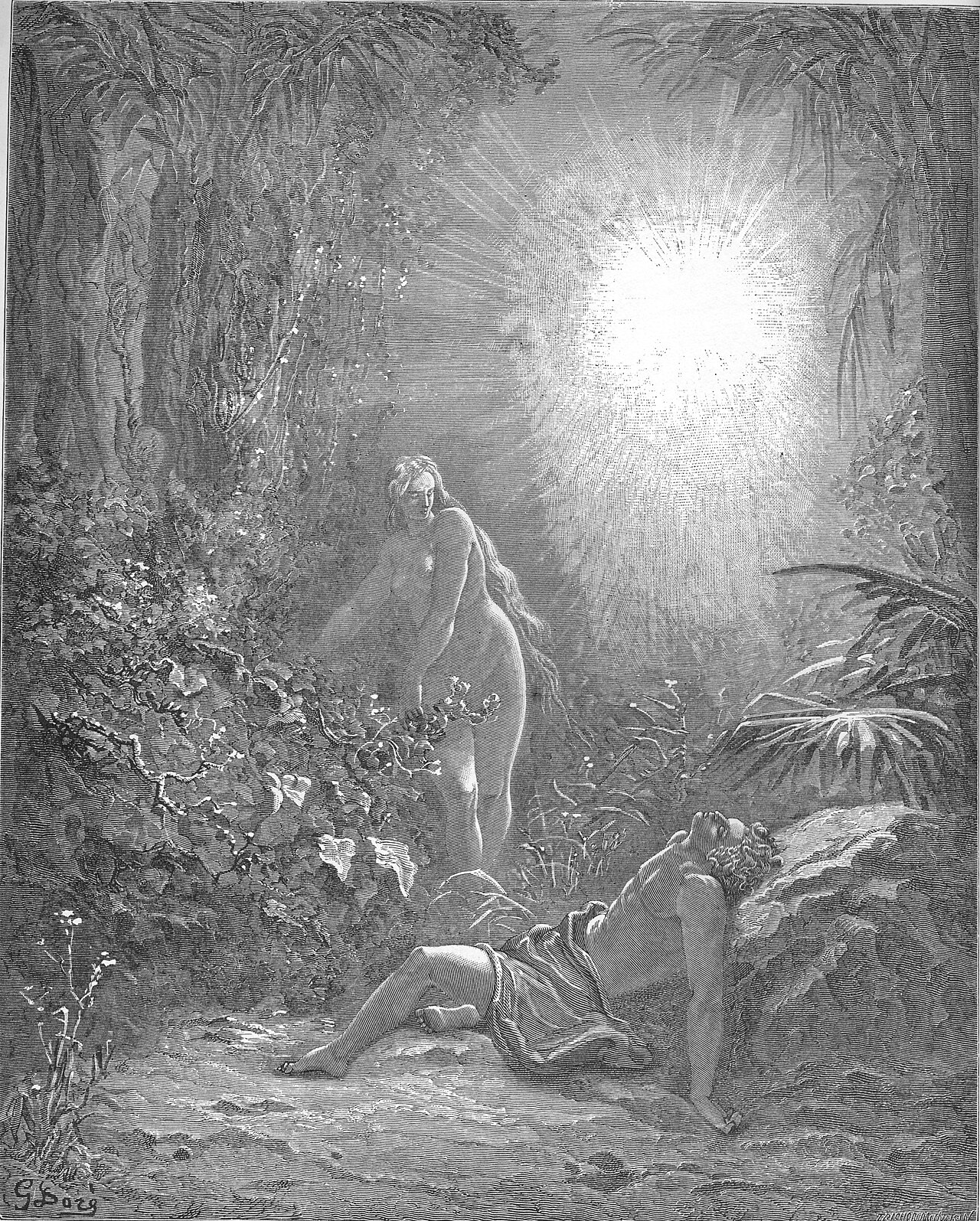
This is the account of the heavens and the earth when they were created, in the day that the LORD God made them.A covenant is a binding agreement, sworn once and kept for good.
The Creator steps closer: Jehovah, the personal covenant name, enters the record here first.
Here the covenant name is joined to Elohim for the first time: the God of power is the God of relationship. The four Hebrew consonants come from the verb "to be", the root Exodus 3 will unpack at the bush. The name arrives exactly where God begins dealing with a man by name.
Show more on this stopthe exposition
The exposition on this verse
This is the account of the heavens and the earth: The heading gives a title, the account of the heavens and earth. This is the first of eleven such headings in Genesis, and each one opens what comes after it. The name LORD God stands here for the first time in Scripture, the covenant name YHWH joined to Elohim.
This exposition draws on Chuck Missler, The Book of Genesis and Jamieson, Fausset & Brown, Commentary Critical and Explanatory on the Whole Bible.
Stop 3 of 10: Genesis 14:18
Then Melchizedek king of Salem brought out bread and wine—since he was priest of God Most High—A covenant is a binding agreement, sworn once and kept for good.
A priest-king names God Most High: sovereignty above every throne, sealed with bread and wine.
El Elyon, God Most High, is spoken by Melchizedek (a priest-king outside the covenant line) and Abram accepts the blessing and pays him a tenth. Psalm 110 and Hebrews 7 build an entire priesthood on this one meeting. Bread and wine appear here, four centuries before Passover.
Show more on this stopthe exposition
The exposition on this verse
Melchizedek king of Salem: Melchizedek arrives with no father, mother or genealogy, and Hebrews 7 rests its case on that silence. Psalm 110:4 swears a priesthood after his order. Henry reads him as a Christophany, an appearance of Christ before the incarnation, while Clarke reads him as a Canaanite king.
This exposition draws on Adam Clarke, Commentary on the Bible and Matthew Henry, Commentary on the Whole Bible.
Stop 4 of 10: Genesis 16:13
So Hagar gave this name to the LORD who had spoken to her: “You are the God who sees me,” for she said, “Here I have seen the One who sees me!”The only name on this walk given by a human: a runaway slave, and God saw her.
El Roi,
"Thou God seest me,"
is the only name for God in Scripture given by a human being, and she is an Egyptian slave girl, pregnant and running away. The angel of the LORD finds her at a desert well and calls her by name.
Show more on this stopthe rest of the note and the exposition
More from the trail's own note
Nothing in the passage suggests she had earned the visit.
The exposition on this verse
the LORD who had spoken to her: Hagar is the first person in Scripture giving God a name, the God who sees me, and she is a foreign slave. Clarke reads the figure who spoke as God as Christ appearing before His birth, and other readers take him as a created messenger. The well was called Beer-lahai-roi.
This exposition draws on Adam Clarke, Commentary on the Bible and Matthew Henry, Commentary on the Whole Bible.
Stop 5 of 10: Genesis 17:1
When Abram was ninety-nine years old, the LORD appeared to him and said, “I am God Almighty. Walk before Me and be blameless.Almighty arrives when the promise looks impossible: all-sufficient power pledged to a ninety-nine-year-old.
El Shaddai, God Almighty, arrives when Abram is ninety-nine and Sarai is long past childbearing: the name for sufficiency shows up precisely where human ability is finished. God changes his name in the same breath. Everything promised here, God must do Himself.
Show more on this stopthe exposition
The exposition on this verse
I am God Almighty: Thirteen years pass in silence between Ishmael's birth at 16:16 and this appearing. God names Himself God Almighty, El Shaddai, and the name is spoken nowhere earlier in Scripture. Enoch and Noah are said to have walked with God, and Abram is told to walk before Me and be blameless.
This exposition draws on Chuck Missler, The Book of Genesis and Jamieson, Fausset & Brown, Commentary Critical and Explanatory on the Whole Bible.
Stop 6 of 10: Exodus 3:14
God said to Moses, “I AM WHO I AM. This is what you are to say to the Israelites: ‘I AM has sent me to you.’”The walk's summit: God defines Himself by Himself: I AM, the name behind every name.
"I AM THAT I AM"
is God defining Himself by nothing outside Himself. Every other being in Scripture is described by what it came from; God is described by the verb to be. Jesus takes this exact sentence in John 8:58 and His hearers pick up stones; they understood precisely what He had claimed.
Show more on this stopthe exposition
The exposition on this verse
What should I tell them?: Moses asks for a name and receives "I AM WHO I AM", built on the Hebrew verb to be. Jesus takes the words at John 8:58, "before Abraham was born, I am", and his hearers took up stones.
I AM WHO I AM: The Hebrew of I AM WHO I AM is formed from the verb to be and stands behind the name LORD in the next verse. Adam Clarke sets out the ancient renderings, the Septuagint's I am he who exists and the Vulgate's I am who am.
This exposition draws on Adam Clarke, Commentary on the Bible; Jerome, Letter 15.4; John Gill, Exposition of the Old Testament and Keil and Delitzsch, Biblical Commentary on the Old Testament: The Pentateuch.
Stop 7 of 10: Exodus 15:26
saying, “If you will listen carefully to the voice of the LORD your God, and do what is right in His eyes, and pay attention to His commands, and keep all His statutes, then I will not bring on you any of the diseases I inflicted on the Egyptians. For I am the LORD who heals you.”A covenant is a binding agreement, sworn once and kept for good.
First of the compound names: Jehovah joins His name to an action: healing His people.
Jehovah-Rapha is given three days after the Red Sea, at bitter water made sweet by a tree. It is the first of the compound names: the covenant name joined to an action, spoken as a promise with a condition attached. The setting is a desert, not a temple.
Show more on this stopthe exposition
The exposition on this verse
If you will listen carefully: The words I am the LORD who heals you give the title its first place in Scripture. The verb returns at Psalm 103:3, Psalm 147:3 and Isaiah 30:26.
This exposition draws on Adam Clarke, Commentary on the Bible and Matthew Henry, Commentary on the Whole Bible.
Stop 8 of 10: Judges 6:24
So Gideon built an altar to the LORD there and called it The LORD Is Peace. To this day it stands in Ophrah of the Abiezrites.Peace named on an altar by a frightened man who expected to die.
Gideon builds an altar and names it Jehovah-Shalom after being told he will die for seeing the angel of the LORD. The name is given by a frightened man threshing wheat in a winepress, before one Midianite has fallen. Peace is declared before the battle, not after it.
Show more on this stopthe exposition
The exposition on this verse
When Gideon realized that it was the angel: His alarm rests on Exodus 33:20, that no one may see God and live, and Manoah voices the same fear at 13:22. The answer opens "Peace be with you". The altar takes its name from it, "The LORD Is Peace", rendered the Lord is peace or the Lord send peace.
called it The LORD Is Peace: Adam Clarke hears in the greeting of verse 23 both a wish and a prediction that Gideon's campaign would prosper. He also thinks this may be the altar ordered at verse 26, mentioned here ahead of its building. Verse 26 puts that altar on the stronghold.
This exposition draws on Adam Clarke, Commentary on the Bible; Keil and Delitzsch, Biblical Commentary on the Old Testament: Joshua, Judges, Ruth and Matthew Henry, Commentary on the Whole Bible.
Stop 9 of 10: Psalm 23:1
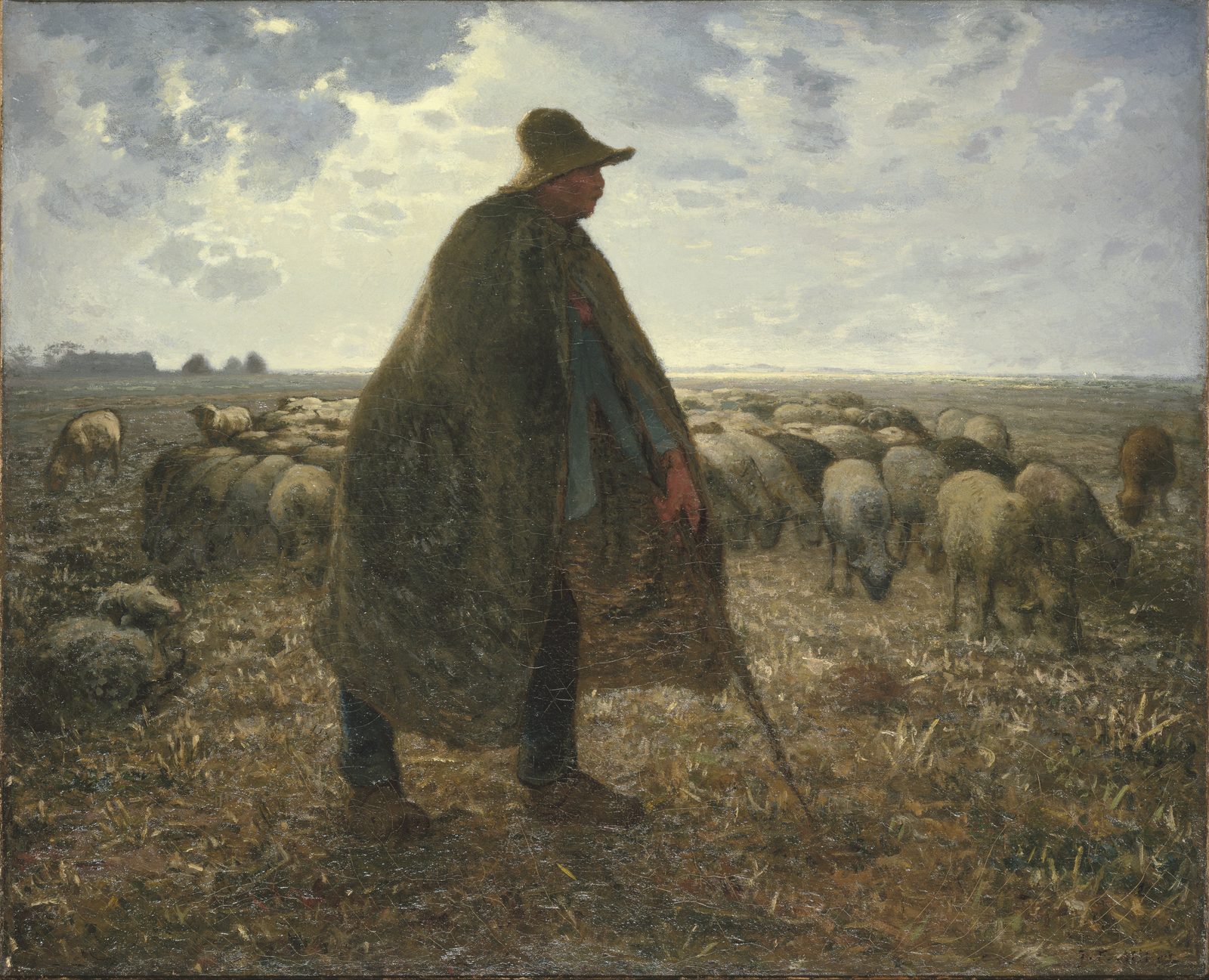
The LORD is my shepherd; I shall not want.The names turn possessive: not a shepherd but my shepherd: one man's personal claim.
The names turn possessive: not a shepherd but
"my shepherd,"
written by a man who had been one. Every line that follows is something a shepherd does: leads, restores, walks through, prepares, anoints.
Show more on this stopthe rest of the note and the exposition
More from the trail's own note
Jesus claims the title in John 10 and adds the one thing no shepherd is supposed to do: die for the sheep.
The exposition on this verse
The LORD is my shepherd: Israel called God the Shepherd of Israel at Psalm 80:1; here one man says the LORD is my shepherd. Green pastures and quiet waters are a shepherd's provision, food and water calm enough for a sheep to drink. The line closes on a settled thing, I shall not want.
This exposition draws on Charles Spurgeon, The Treasury of David and Matthew Henry, Commentary on the Whole Bible.
Stop 10 of 10: Ezekiel 48:35
The perimeter of the city will be 18,000 cubits, and from that day on the name of the city will be: THE LORD IS THERE.Scripture's answer to exile: the final name is an address: God permanently home with His people.
The last verse of Ezekiel names the city
"The LORD is there,"
and it is spoken to exiles who had watched the glory leave the temple in chapter 10. The book that records the departure ends with an address.
Show more on this stopthe rest of the note and the exposition
More from the trail's own note
Revelation 21:3 says the same thing without the Hebrew.
The exposition on this verse
THE LORD IS THERE: The book's last clause names the city “THE LORD IS THERE”, Jehovah-shammah in the Hebrew. The glory that rose and left the temple eastward in chapter eleven now rests in the city's own name. The site's dispensational tradition expects a literal Jerusalem to come, the older commentators an ideal city.
This exposition draws on Carl Friedrich Keil, Biblical Commentary on the Prophecies of Ezekiel; Matthew Henry, Commentary on the Whole Bible and Patrick Fairbairn, An Exposition of Ezekiel.
What this trail means
Set the ten stops side by side and one pattern is unmistakable: God's names are given in events, not invented in theory. Elohim comes with a universe; El Roi with a slave girl no one else looked for; El Shaddai with a ninety-nine-year-old and an impossible promise; Jehovah-rapha with a healing pledge in the wilderness; Jehovah-shalom with a man braced for death. Every name answers a specific human condition: powerlessness, invisibility, barrenness, bondage, sickness, fear, want, exile.
The walk also moves in a direction. It opens with distance: the Creator over all things, and closes with an address: "the name of the city from that day shall be, Jehovah is there." The trajectory of the names is God coming nearer.
At the center stands Exodus 3:14. I AM THAT I AM is not one name among ten; it is the source of them all, self-existent, dependent on nothing, free to be healer, peace, and shepherd because He simply is. And this exact name Jesus of Nazareth took on His own lips: "Before Abraham was born, I am" (John 8:58); "I am the good shepherd" (John 10:11). The names walk forward through Scripture until they stand in front of you with a face. Jehovah Shammah, the LORD is there, is where the whole Bible is going.
Show the verses this closing names1 verses
God said to Moses, “I AM WHO I AM. This is what you are to say to the Israelites: ‘I AM has sent me to you.’”Show what you now know
- God reveals Himself by name in the middle of need, not in the abstract: the healer at bitter water, the Almighty at ninety-nine, peace in a winepress.
- The compound names are promises with actions attached (Rapha, Shalom, Rohi, Shammah), and each one is anchored to an event you can date and place.
- "I AM THAT I AM" is the center of the walk. Jesus took that sentence for Himself in John 8:58, and His hearers reached for stones.
- Ezekiel ends with an address rather than an argument: the LORD is there. Revelation 21:3 says it again in Greek.