
Zechariah 14:5
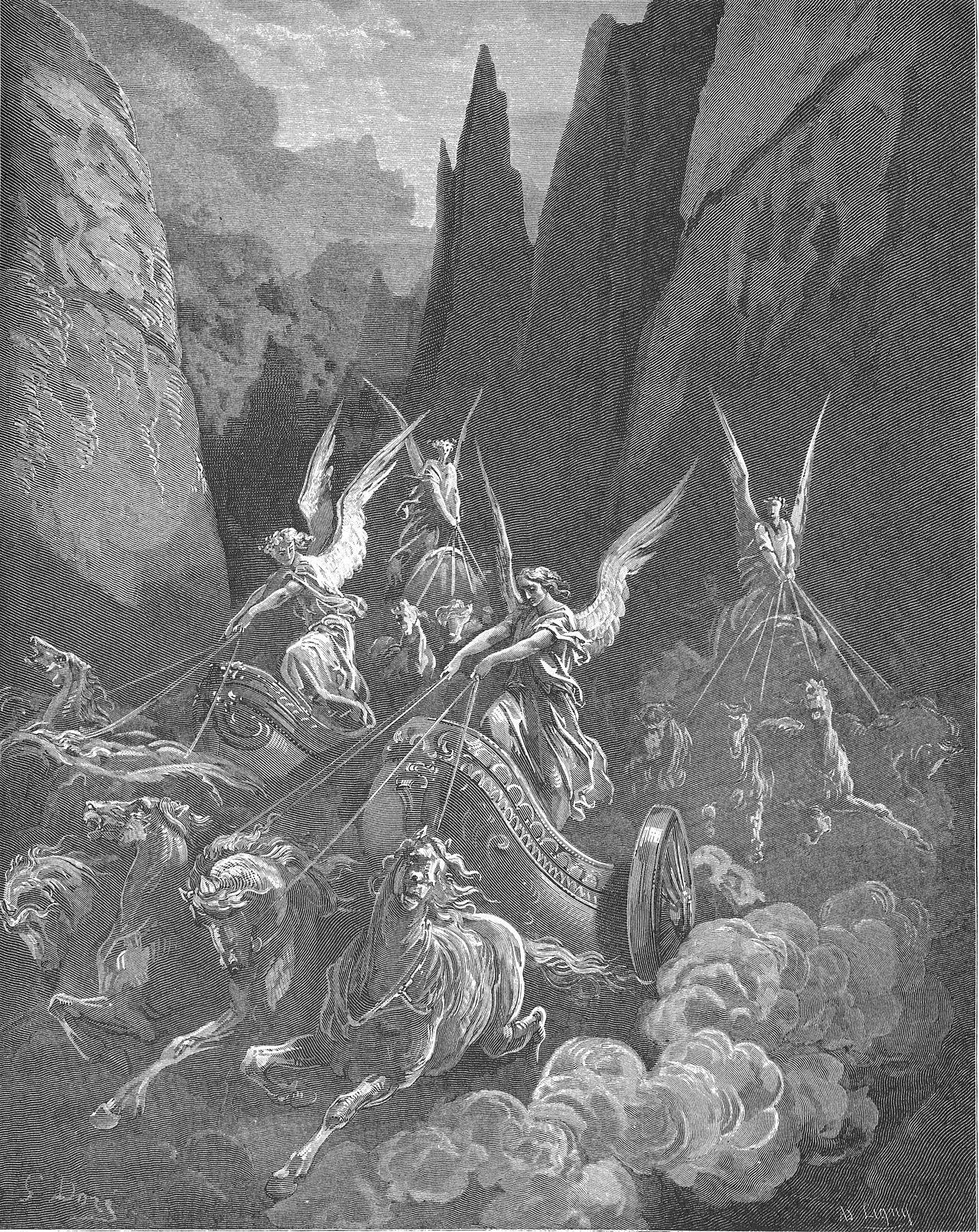
in Zechariah 14You will flee by My mountain valley, for it will extend to Azal. You will flee as you fled from the earthquake in the days of Uzziah king of Judah. Then the LORD my God will come, and all the holy ones with Him.
BSB
The same verse in ASV and KJV ▾
ASV
And ye shall flee by the valley of my mountains; for the valley of the mountains shall reach unto Azel; yea, ye shall flee, like as ye fled from before the earthquake in the days of Uzziah king of Judah; and Jehovah my God shall come, and all the holy ones with thee.
KJV
And ye shall flee to the valley of the mountains; for the valley of the mountains shall reach unto Azal: yea, ye shall flee, like as ye fled from before the earthquake in the days of Uzziah king of Judah: and the Lord my God shall come, and all the saints with thee.
⋯
This verse in Zechariah 14
Commentary
10 notes on this verseYet learn that the Son knows the day of judgment. We read in Zechariah: "And the Lord my God shall come, and all the saints with him. In that day there shall not be light but cold and frost, and it shall be one day, and that day is known to the Lord." This day, then, was known unto the Lord, who shall come with his saints to enlighten us by his second advent. But let us continue the point that we have commenced concerning the Spirit: "He shall glorify me."
This site's exposition
in the day of battle
on Zechariah 14:3-5
Then the Lord himself goes forth to fight, as when he fought in the day of battle, and his feet stand that day upon the mount of Olives, which cleaves in two, a great valley opening where the people flee as their fathers fled the earthquake in the days of Uzziah (the same earthquake Amos dates his own book by, Amos 1:1). The chapter reads the Lord my God shall come, and all the saints with thee, a wording the bench discusses against the ancient versions' with him, without resolving it past naming the variant. The site reads the day literally, a still-future day answered at Christ's bodily return, the reading that runs broadly across the premillennial and dispensational writers and that the early church itself received; the amillennial handling, which dissolves the mountain-splitting into a figure, has to set aside the passage's own geography to do it, and the note says so plainly.
The record, by era
The Church Fathers2 voices
(Verse 5) And the middle of the mountain will be separated to the north, and its middle to the south. And you will flee to the valley of my mountains, for the valley of the mountains will reach to the next, and you will flee as you fled from the earthquake in the days of King Oshea of Judah, and the Lord my God will come, and all the holy ones with him. LXX: And the middle part of the mountain will incline to the north, and its middle part to the south. And the valley of my mountains will be closed off, and the valley of the mountains will reach Asael. And it will be filled as it was filled from the face of the earthquake in the days of King Oshea of Judah, and the Lord my God will come, and all the holy ones with him. Therefore, as we have said, you will flee, which the seventy and the other interpreters have translated as 'will be blocked' or 'will be filled'. And as we have stated, because the valley of the mountains will be joined up to the next one; for the next one, the seventy translators have rendered it as Asael. Aquila put the Hebrew word Asel, using the letter 'e' instead of 'i'. Theodotion used the extended form, Azel. Only Symmachus translated it as 'the next one', whom we have also followed. Let us say in a paraphrastic manner how the things that are written can come to pass: When the mountain of Olivet has been broken by a large chasm, so that one part of the chasm looks towards the East and the other towards the West, suddenly, in the very chasm itself, high cliffs on both sides will break away, and another chasm will be formed towards the North and another towards the South, and a square cliff will be made, so that the chasm stretches in four directions, towards the East and the West, the North and the South. And you will flee, he says, to the valley that is between the temple and Zion. […]
Christ, then, was crucified for us; he was judged in the night, when it was cold, and therefore a fire of coal was laid. He was crucified in the third hour, and "from the sixth hour there was darkness until the ninth hour," but from the ninth hour there was light again. Are these details written down? Let us inquire. Zechariah says, "And it shall come to pass in that day, and there shall be no light but cold and frost through one day (the cold on account of which Peter warmed himself), and that day shall be known to the Lord." (What? Did he not know the other days? There are many days, but "this is the day [of the Lord's patience] the Lord has made.")6 "And that day shall be known to the Lord, and not day nor night." What dark saying does the prophet utter? That day is neither day nor night. What then shall we call it? The gospel interprets it, telling of the event. It was not day, for the sun did not shine without interruption from rising to setting, but from the sixth hour to the ninth there was darkness. The darkness was interposed, but God called the darkness night. Therefore it was neither all light, so as to be called day, nor all darkness, so as to be called night; but after the ninth hour the sun shone forth. This also the prophet foretells; for after saying "not day nor night," he adds, "And in the time of the evening there shall be light." Do you see the truth of the events foretold?
The Puritans and the Awakening3 voices
The valley of the mountains - A place provided of God for their safety. O Lord my God - As if it were said, though it will, O Lord, put us into fear; yet without such wonderful works we shall not see thy salvation; therefore, O Lord my God come, and bring thy holy ones with thee.
And ye shall flee to the valley of the mountains,....
Who art thou, O great mountain? And a great mountain the ceremonial law was in the way of the Jews' conversion, which, one would think, could never have been got over; yet before Christ and his gospel it was made plain.
3 more voices on this verse
The Nineteenth Century3 voices
A commentator
Albert Barnes1798–1870
Notes, Explanatory and Practical, on the Old and New Testaments (1832-1869)
And ye shall flee to the valley of the mountains - Rather, along the valley of My mountains namely, of those mountains, which God had just formed by dividing the mount of Olives. “For the valley of the mountains shall reach unto Azal, that is, Azel,” the same word which enters into Beth-Azel of Micah, where the allusion probably is to its firm-rootedness. It is more probable that the name of a place should have been chosen with an allusive meaning, as in Micah, than that an unusual appellative should have been chosen to express a very common meaning.
A commentator
Jamieson, Fausset & Brown1802–1910
Commentary Critical and Explanatory on the Whole Bible (1871)
proposed
Thus there are thirteen equal distances on the breadth of the future promised land, one for the oblation and twelve for the tribes, according to Eze 48:1-35. That the Euphrates north, Mediterranean west, the Nile and Red Sea south, are to be the future boundaries of the holy land, which will include Syria and Arabia, is favored by Ge 15:8;
Ye shall flee to the valley - Some think this refers to the valley through which Zedekiah and others endeavored to escape when Nebuchadnezzar pressed the siege of Jerusalem: but it appears to speak only of the Jewish wars of the Romans. Azal - This, as a place, is not known. If a place, it was most probably near to Jerusalem; and had its name from that circumstance.
The words behind it
24 Hebrew wordsEvery Hebrew word of this verse in the order it stands, with what it means and the door to its own study. The last column counts the times a word stands in the whole Bible: the rarer the word, the more the places it appears belong together.
| Hebrew | Sound | Meaning | Word study | In the Bible |
|---|---|---|---|---|
| וְנַסְתֶּ֣ם | venastem | and you will flee | H5127 → | 159 times |
| גֵּֽיא־ | gei'- | [the] valley of | H1516 → | 59 times |
| הָרַ֗י | harai | mountains my | H2022 → | 546 times |
| כִּֽי־ | ki- | for | H3588 → | 4482 times |
| יַגִּ֣יעַ | yagia' | it will reach | H5060 → | 150 times |
| גֵּי־ | gei- | [the] valley of | H1516 → | 59 times |
| הָרִים֮ | harim | mountains | H2022 → | 546 times |
| אֶל־ | ʾel- | to | H413 → | 5510 times |
| אָצַל֒ | ʾatzal | Azal | H682 → | |
| וְנַסְתֶּ֗ם | venastem | and you will flee | H5127 → | 159 times |
| כַּאֲשֶׁ֤ר | kaasher | just as | H834 → | 5497 times |
| נַסְתֶּם֙ | nastem | you fled | H5127 → | 159 times |
| מִפְּנֵ֣י | mipenei | from before | H6440 → | 2123 times |
| הָרַ֔עַשׁ | haraash | the earthquake | H7494 → | |
| בִּימֵ֖י | bimei | in [the] days of | H3117 → | 2304 times |
| עֻזִּיָּ֣ה | ʾuziyah | Uzziah | H5818 → | |
| מֶֽלֶךְ־ | melekh- | [the] king of | H4428 → | 2525 times |
| יְהוּדָ֑ה | yehudah | Judah | H3063 → | 819 times |
| וּבָא֙ | uva' | and he will come | H935 → | 2568 times |
| יְהוָ֣ה | yahweh | Yahweh | H3068 → | 6520 times |
| אֱלֹהַ֔י | ʾelohai | God my | H430 → | 2601 times |
| כָּל־ | kol- | all | H3605 → | 5413 times |
| קְדֹשִׁ֖ים | kedoshim | holy [ones] | H6918 → | |
| עִמָּֽךְ׃ | ʾimakh | [will be] with you | H5973 → | 1050 times |
וְנַסְתֶּ֣םand you will flee
venastemH5127 →159 times
גֵּֽיא־[the] valley of
gei'-H1516 →59 times
הָרַ֗יmountains my
haraiH2022 →546 times
כִּֽי־for
ki-H3588 →4482 times
יַגִּ֣יעַit will reach
yagia'H5060 →150 times
גֵּי־[the] valley of
gei-H1516 →59 times
הָרִים֮mountains
harimH2022 →546 times
אֶל־to
ʾel-H413 →5510 times
אָצַל֒Azal
ʾatzalH682 →
וְנַסְתֶּ֗םand you will flee
venastemH5127 →159 times
כַּאֲשֶׁ֤רjust as
kaasherH834 →5497 times
נַסְתֶּם֙you fled
nastemH5127 →159 times
מִפְּנֵ֣יfrom before
mipeneiH6440 →2123 times
הָרַ֔עַשׁthe earthquake
haraashH7494 →
בִּימֵ֖יin [the] days of
bimeiH3117 →2304 times
עֻזִּיָּ֣הUzziah
ʾuziyahH5818 →
מֶֽלֶךְ־[the] king of
melekh-H4428 →2525 times
יְהוּדָ֑הJudah
yehudahH3063 →819 times
וּבָא֙and he will come
uva'H935 →2568 times
יְהוָ֣הYahweh
yahwehH3068 →6520 times
אֱלֹהַ֔יGod my
ʾelohaiH430 →2601 times
כָּל־all
kol-H3605 →5413 times
קְדֹשִׁ֖יםholy [ones]
kedoshimH6918 →
עִמָּֽךְ׃[will be] with you
ʾimakhH5973 →1050 times
A shaded row is a word that stands 400 times or fewer in the Bible.
The walk
8 stopsEach card is a verse this one points to, and under it the verses that one points to in turn. Where several paths arrive at the same place, that place is listed first: the text keeps returning to it.
Through
Matthew 16:27For the Son of Man will come in His Father’s glory with His angels, and then He will repay each one according to what he has done.
it leads to
- Psalms 62:12
and loving devotion to You, O Lord. For You will repay each man according to his deeds.
- 2 Corinthians 5:10
For we must all appear before the judgment seat of Christ, that each one may receive his due for the things done in the body, whether good or bad.
- Romans 2:6
God “will repay each one according to his deeds.”
- Romans 14:12
So then, each of us will give an account of himself to God.
- Jeremiah 17:10
I, the LORD, search the heart; I examine the mind to reward a man according to his way, by what his deeds deserve.
- Psalms 62:12
Through
Matthew 25:31When the Son of Man comes in His glory, and all the angels with Him, He will sit on His glorious throne.
it leads to
- Revelation 1:7
Behold, He is coming with the clouds, and every eye will see Him—even those who pierced Him. And all the tribes of the earth will mourn because of Him. So shall it be! Amen.
- Matthew 19:28
Jesus said to them, “Truly I tell you, in the renewal of all things, when the Son of Man sits on His glorious throne, you who have followed Me will also sit on twelve…
- 2 Thessalonians 1:7–8
and to grant relief to you who are oppressed and to us as well. This will take place when the Lord Jesus is revealed from heaven with His mighty angels
- Revelation 1:7
Where this verse is studied
About Zechariah
Who and where
2 names in this verse with a page on the site.
- PersonPatriarchsJudahJacob's fourth son who pledges himself for Benjamin; the tribe that carries the scepter to Shiloh (49:10) and the line to Christ (…
- PersonDivided kingdom (c. 792-740 BC)UzziahJudah's powerful king (2 Chr 26), struck with leprosy for usurping the priesthood; the year of his death frames Isaiah's throne vi…
This page draws on 11 works. Open the list of works
This page draws on Adam Clarke, Commentary on the Bible; Albert Barnes, Notes, Explanatory and Practical, on the Old and New Testaments (1832-1869); Ambrose of Milan, On the Holy Spirit 2.11.119-20; Carl Friedrich Keil, The Twelve Minor Prophets; Cyril of Jerusalem, Catechetical Lecture 13:24; Edward Bouverie Pusey, The Minor Prophets: A Commentary; Jamieson, Fausset & Brown, Commentary Critical and Explanatory on the Whole Bible; Jerome, Commentary on Zechariah; John Gill, Exposition of the Old Testament (1748-1763); John Wesley, Explanatory Notes upon the Old Testament and Matthew Henry, Commentary on the Whole Bible.