
Psalms 71:9
in Psalms 71Do not discard me in my old age; do not forsake me when my strength fails.
BSB
The same verse in ASV and KJV ▾
ASV
Cast me not off in the time of old age; Forsake me not when my strength faileth.
KJV
Cast me not off in the time of old age; forsake me not when my strength faileth.
⋯
This verse in Psalms 71
Commentary
9 notes on this verseThe fourth judgment of God is the judgment of abandonment, namely when God abandons man and exposes him to every temptation and sin. "When my strength shall fail, do not forsake me, O Lord. Depart not from me." It is a great peril when a …
This site's exposition
a portent to many
on Psalms 71:7-9
A portent is a sign people stare at, and a long life under God's hand has made the psalmist one. His mouth stays filled with praise all day long. The plea at the centre of the psalm is that God not discard him in old age, when his strength fails.
The record, by era
The Church Fathers1 voice
My hope from my youth, "cast me not away in time of old age" [Psalm 71:9]. What is this time of old age? "When my strength shall fail, forsake not me." Here God makes this answer to you, yea indeed let your strength fail, in order that in you mine may abide: in order that you may say with the Apostle, "When I am made weak, then I am mighty." [2 Corinthians 12:10] Fear not, that you be cast away in that weakness, in that old age. But why? Was not your Lord made weak on the Cross? Did not most mighty men and fat bulls before Him, as though a man of no strength, made captive and oppressed, shake the head and say, "If Son of God He is, let Him come down from the Cross"? Has he deserted because He was made weak, who preferred not to come down from the Cross, lest He should seem not to have displayed power, but to have yielded to them reviling? What did He hanging teach you, that would not come down, but patience amid men reviling, but that you should be strong in your God? Perchance too in His person was said, "As it were a monster I have become unto many, and You are a strong Helper." In His person according to His weakness, not according to His power; according to that whereby He had transformed us into Himself, not according to that wherein He had Himself come down. For He became a monster unto many. And perchance the same was the old age of Him; because on account of its oldness it is not improperly called old age, and the Apostle says, "Our old man has been crucified together with Him." [Romans 6:6] If there was there our old man, old age was there; because old, old age. Nevertheless, because a true saying is, "Renewed as an eagle's shall be Your youth;" He rose Himself the third day, promised a resurrection at the end of the world. Already there has gone before the Head, the members are to follow. […]
The Puritans and the Awakening2 voices
Cast me not off in the time of old age,....
But it intimates that he had reason to hope God would not desert him; the faithful servants of God may be comfortably assured that he will not cast them off in old age, nor forsake them when their strength fails them. He is a Master that is not wont to cast off old servants.
The Nineteenth Century2 voices
Cast me not off in the time of old age. David was not tired of his Master, and his only fear was lest his Master should be tired of him. The Amalekite in the Bible history left his Egyptian servant to famish when he grew old and sick, but not so the Lord of saints; even to hoar hairs he bears and carries us. Alas for us, if we were abandoned by our God, as many a courtier has been by his prince!
Cast me not off in the time of old age. David was not tired of his Master, and his only fear was lest his Master should be tired of him. The Amalekite in the Bible history left his Egyptian servant to famish when he grew old and sick, but not so the Lord of saints; even to hoar hairs he bears and carries us. Alas for us, if we were abandoned by our God, as many a courtier has been by his prince! Old age robs us of personal beauty, and deprives us of strength for active service; but it does not lower us in the love and favour of God. An ungrateful country leaves its worn out defenders to starve upon a scanty pittance, but the pensioners of heaven are satisfied with good things. Forsake me not when my strength faileth. Bear with me, and endure my infirmities. To be forsaken of God is the worst of all conceivable ills, and if the believer can be but clear of that grievous fear, he is happy: no saintly heart need be under any apprehension upon this point.
2 more voices on this verse
The Nineteenth Century2 voices
Cast me not off in the time of old age - The original might be translated and paraphrased thus: “Thou wilt not cast me off till the time of old age; and according to the failure of my flesh, thou wilt not forsake me.” My expectation of rest and happiness will not be deferred till the time that I shall be an aged man, Thou wilt not withdraw thy presence from me as my flesh decays, and as my natural strength abates; but, on the contrary, as my outward man decays, my inward man shall be renewed day by day. It was in David’s old age that the rebellion of Absalom took place.
A commentator
Albert Barnes1798–1870
Notes, Explanatory and Practical, on the Old and New Testaments (1832-1869)
proposed
Cast me not off in the time of old age - When old age comes with its infirmities; its weaknesses; its trials. When my strength fails me; when my eyes grow dim; when my knees totter; when my friends have died; when I am no longer able to labor for my support; when the buoyant feelings of earlier years are no more; when my old companions and associates are gone, and I am left alone. Thou who didst watch over me in infancy; who didst guard me in childhood and youth; who hast defended me in manhood; who hast upheld me in the days of sickness, danger, bereavement, trouble - do thou not leave me when, in advanced years, I have special need of thy care; when I have reason to apprehend that there may come upon me, in that season of my life, troubles that I have never known before; when I shall not have the strength, the buoyancy, the elasticity, the ardor, the animal spirits of other years, to enable me to meet those troubles; and when I shall have none of the friends to cheer me whom I had in the earlier periods of my course. It is not unnatural or improper for a man who sees old age coming upon him to pray for special grace, and special strength, to enable him to meet what he cannot ward off, and what he cannot but dread; for who can look upon the infirmities of old age as coming upon himself but with sad and pensive feelings? Who would wish “to be” an old man? […]
How the passage was read
What the Jewish commentators add
On the verses either side of this one
For my enemies said of me My enemies said of me, and took counsel together, saying, “God has forsaken him.” We shall not be punished because of him since he has already stumbled in sin.
This section is reception history: how the passage was read and kept in the Jewish tradition. Where a reading parts from an essential of the Christian faith, the section says so at that point.
Texts and citation data: Sefaria; each excerpt follows its version’s licence. 6 further sources are cited on this chapter that carry no English text this site may quote or only restate the verse.
The words behind it
8 Hebrew wordsEvery Hebrew word of this verse in the order it stands, with what it means and the door to its own study. The last column counts the times a word stands in the whole Bible: the rarer the word, the more the places it appears belong together.
| Hebrew | Sound | Meaning | Word study | In the Bible |
|---|---|---|---|---|
| אַֽל־ | ʾal- | may not | H408 → | 724 times |
| תַּ֭שְׁלִיכֵנִי | tashlikheni | you cast away me | H7993 → | 125 times |
| לְעֵ֣ת | leet | to a time of | H6256 → | 296 times |
| זִקְנָ֑ה | ziknah | old age | H2209 → | |
| כִּכְל֥וֹת | kikhlot | when fails | H3615 → | 208 times |
| כֹּ֝חִ֗י | kochi | strength my | H3581 → | 126 times |
| אַֽל־ | ʾal- | may not | H408 → | 724 times |
| תַּעַזְבֵֽנִי׃ | taazveni | you forsake me | H5800 → | 215 times |
אַֽל־may not
ʾal-H408 →724 times
תַּ֭שְׁלִיכֵנִיyou cast away me
tashlikheniH7993 →125 times
לְעֵ֣תto a time of
leetH6256 →296 times
זִקְנָ֑הold age
ziknahH2209 →
כִּכְל֥וֹתwhen fails
kikhlotH3615 →208 times
כֹּ֝חִ֗יstrength my
kochiH3581 →126 times
אַֽל־may not
ʾal-H408 →724 times
תַּעַזְבֵֽנִי׃you forsake me
taazveniH5800 →215 times
A shaded row is a word that stands 400 times or fewer in the Bible.
The walk
8 stopsEach card is a verse this one points to, and under it the verses that one points to in turn. Where several paths arrive at the same place, that place is listed first: the text keeps returning to it.
Through
Isaiah 46:4Even to your old age, I will be the same, and I will bear you up when you turn gray. I have made you, and I will carry you; I will sustain you and…
it leads to
- Psalms 71:18
Even when I am old and gray, do not forsake me, O God, until I proclaim Your power to the next generation, Your might to all who are to come.
- Psalms 48:14
For this God is our God forever and ever; He will be our guide even till death.
- Hebrews 13:8
Jesus Christ is the same yesterday and today and forever.
- Psalms 92:14
In old age they will still bear fruit; healthy and green they will remain,
- James 1:17
Every good and perfect gift is from above, coming down from the Father of the heavenly lights, with whom there is no change or shifting shadow.
- Psalms 71:18
Through
2 Timothy 1:12For this reason, even though I suffer as I do, I am not ashamed; for I know whom I have believed, and I am convinced that He is able to guard what I have…
it leads to
- Jude 1:24
Now to Him who is able to keep you from stumbling and to present you unblemished in His glorious presence, with great joy—
- 2 Timothy 1:8
So do not be ashamed of the testimony of our Lord, or of me, His prisoner. Instead, join me in suffering for the gospel by the power of God.
- 1 Peter 4:19
So then, those who suffer according to God’s will should entrust their souls to their faithful Creator and continue to do good.
- Jude 1:24
About Psalms
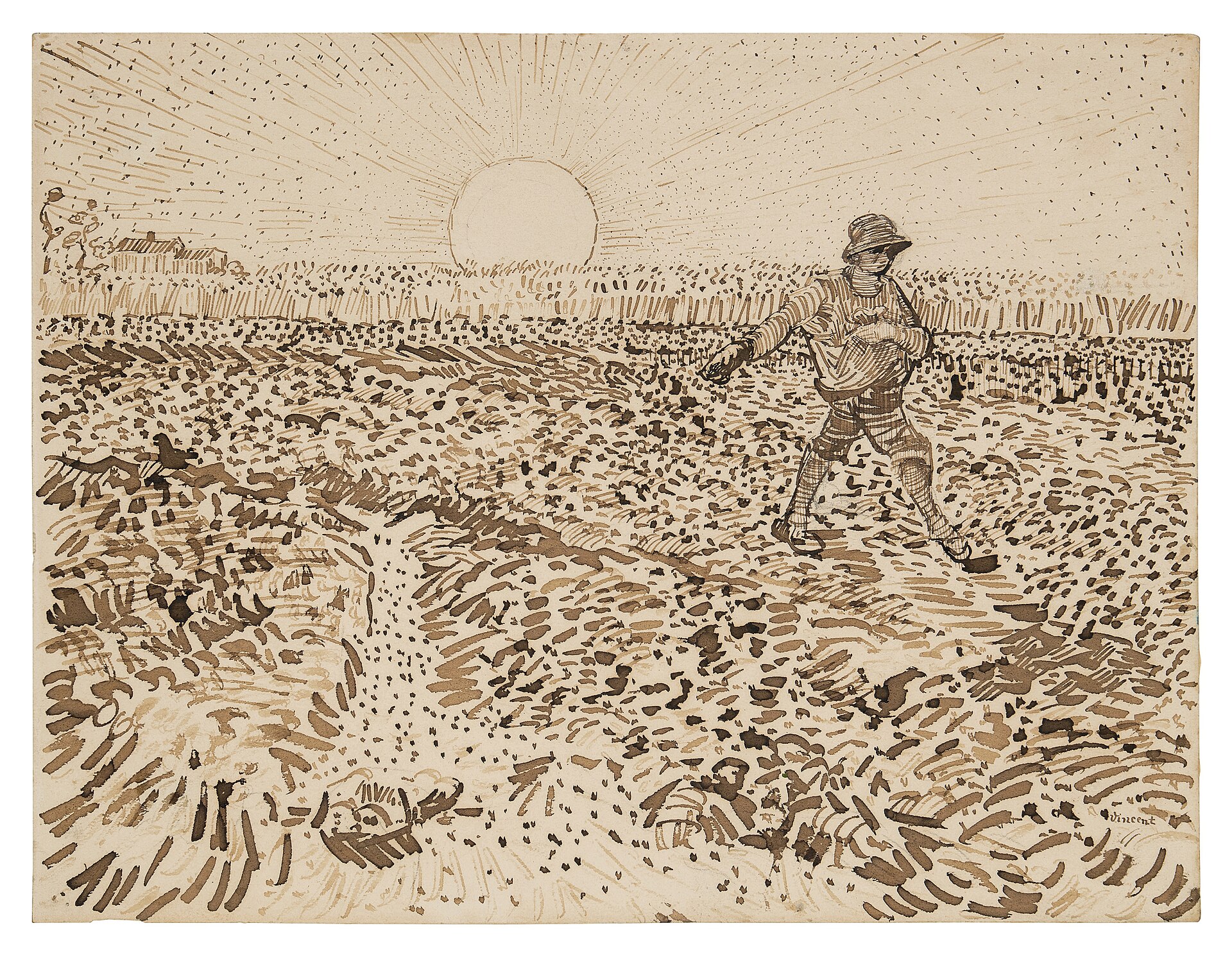
This page draws on 9 works. Open the list of works
This page draws on Adam Clarke, Commentary on the Bible; Albert Barnes, Notes on the Book of Psalms; Albert Barnes, Notes, Explanatory and Practical, on the Old and New Testaments (1832-1869); Augustine of Hippo, Exposition on Psalm 71; Bonaventure, Collationes de Septem Donis, Collation 2; Charles Spurgeon, The Treasury of David; Charles Spurgeon, The Treasury of David, Vol. 3; John Gill, Exposition of the Old Testament (1748-1763) and Matthew Henry, Commentary on the Whole Bible.