
Numbers 29:6
in Numbers 29These are in addition to the monthly and daily burnt offerings with their prescribed grain offerings and drink offerings. They are a pleasing aroma, an offering made by fire to the LORD.
BSB
The same verse in ASV and KJV ▾
ASV
besides the burnt-offering of the new moon, and the meal-offering thereof, and the continual burnt-offering and the meal-offering thereof, and their drink-offerings, according unto their ordinance, for a sweet savor, an offering made by fire unto Jehovah.
KJV
Beside the burnt offering of the month, and his meat offering, and the daily burnt offering, and his meat offering, and their drink offerings, according unto their manner, for a sweet savour, a sacrifice made by fire unto the Lord.
⋯
This verse in Numbers 29
Commentary
3 notes on this verseThis site's exposition
it is a day of blowing the trumpets
on Numbers 29:1-6
Leviticus 23:23-25 set this day apart with a memorial of blowing of trumpets and left the offerings unnamed. Numbers supplies them, and verse 6 stacks three layers on the one day, the bullock, ram and seven lambs given here, the new moon offering of Numbers 28:11-15, and the continual burnt offering. Neither book says what the trumpets are for. Later Jewish reckoning keeps the first of the seventh month as the new year, while Exodus 12:2 sets the year's first month in the spring.
The record, by era
The Puritans and the Awakening2 voices
Beside the burnt offering of the month, and his meat offering,....
If we perform family-worship, we must not think that this will excuse us from our secret devotions; nor that on the days we go to church we need not worship God alone and with our families; but we should always abound in the work of the Lord.
How the passage was read
What the Jewish commentators add
He mentioned [with reference to the Additional Offerings of] the first day of the seventh month [i.e., the New Year], beside the burnt-offering of the New Moon and the meal-offering thereof, but He did not mention the sin-offering of the New Moon, 207 Above,:15.
This section is reception history: how the passage was read and kept in the Jewish tradition. Where a reading parts from an essential of the Christian faith, the section says so at that point.
Texts and citation data: Sefaria; each excerpt follows its version’s licence. 7 further sources are cited on this chapter that carry no English text this site may quote or only restate the verse.
The words behind it
13 Hebrew wordsEvery Hebrew word of this verse in the order it stands, with what it means and the door to its own study. The last column counts the times a word stands in the whole Bible: the rarer the word, the more the places it appears belong together.
| Hebrew | Sound | Meaning | Word study | In the Bible |
|---|---|---|---|---|
| מִלְּבַד֩ | milevad | <from> <to> besides | H905 → | 200 times |
| עֹלַ֨ת | ʾolat | [the] burnt offering of | H5930 → | 287 times |
| הַחֹ֜דֶשׁ | hachodesh | the new moon | H2320 → | 284 times |
| וּמִנְחָתָ֗הּ | uminchatah | and grain offering its | H4503 → | 211 times |
| וְעֹלַ֤ת | veolat | and [the] burnt offering of | H5930 → | 287 times |
| הַתָּמִיד֙ | hatamid | <the> continuity | H8548 → | 104 times |
| וּמִנְחָתָ֔הּ | uminchatah | and grain offering its | H4503 → | 211 times |
| וְנִסְכֵּיהֶ֖ם | veniskeihem | and drink offerings their | H5262 → | 64 times |
| כְּמִשְׁפָּטָ֑ם | kemishpatam | according to ordinance their | H4941 → | 422 times |
| לְרֵ֣יחַ | lereiach | to an odor of | H7381 → | 58 times |
| נִיחֹ֔חַ | nichoach | soothing | H5207 → | 43 times |
| אִשֶּׁ֖ה | ʾisheh | a fire offering | H801 → | 65 times |
| לַיהוָֽה׃ ס | layahweh | to Yahweh | H3068 → | 6520 times |
מִלְּבַד֩<from> <to> besides
milevadH905 →200 times
עֹלַ֨ת[the] burnt offering of
ʾolatH5930 →287 times
הַחֹ֜דֶשׁthe new moon
hachodeshH2320 →284 times
וּמִנְחָתָ֗הּand grain offering its
uminchatahH4503 →211 times
וְעֹלַ֤תand [the] burnt offering of
veolatH5930 →287 times
הַתָּמִיד֙<the> continuity
hatamidH8548 →104 times
וּמִנְחָתָ֔הּand grain offering its
uminchatahH4503 →211 times
וְנִסְכֵּיהֶ֖םand drink offerings their
veniskeihemH5262 →64 times
כְּמִשְׁפָּטָ֑םaccording to ordinance their
kemishpatamH4941 →422 times
לְרֵ֣יחַto an odor of
lereiachH7381 →58 times
נִיחֹ֔חַsoothing
nichoachH5207 →43 times
אִשֶּׁ֖הa fire offering
ʾishehH801 →65 times
לַיהוָֽה׃ סto Yahweh
layahwehH3068 →6520 times
A shaded row is a word that stands 400 times or fewer in the Bible.
The walk
8 stopsEach card is a verse this one points to, and under it the verses that one points to in turn. Where several paths arrive at the same place, that place is listed first: the text keeps returning to it.
Through
Numbers 9:14If a foreigner dwelling among you wants to observe the Passover to the LORD, he is to do so according to the Passover statute and its ordinances. You are to apply the same statute…
it leads to
- Exodus 12:48–49
If a foreigner resides with you and wants to celebrate the LORD’s Passover, all the males in the household must be circumcised; then he may come near to celebrate it, and he shall be…
- Leviticus 24:22
You are to have the same standard of law for the foreign resident and the native; for I am the LORD your God.’”
- Isaiah 56:3–7
Let no foreigner who has joined himself to the LORD say, “The LORD will utterly exclude me from His people.” And let the eunuch not say, “I am but a dry tree.”
- Exodus 12:48–49
Through
Numbers 15:24and if it was done unintentionally without the knowledge of the congregation, then the whole congregation is to prepare one young bull as a burnt offering, a pleasing aroma to the LORD, with its…
it leads to
- Leviticus 4:23
When he becomes aware of the sin he has committed, he must bring an unblemished male goat as his offering.
- Leviticus 4:13–21
Now if the whole congregation of Israel strays unintentionally and the matter escapes the notice of the assembly so that they violate any of the LORD’s commandments and incur guilt by doing what is…
- Numbers 15:8–10
When you prepare a young bull as a burnt offering or sacrifice to fulfill a vow or as a peace offering to the LORD,
- Numbers 28:15
In addition to the regular burnt offering with its drink offering, one male goat is to be presented to the LORD as a sin offering.
- Leviticus 5:15
“If someone acts unfaithfully and sins unintentionally against any of the LORD’s holy things, he must bring his guilt offering to the LORD: an unblemished ram from the flock, of proper value in silver…
- Leviticus 4:23
Where this verse is studied
On this page
Studies1
About Numbers
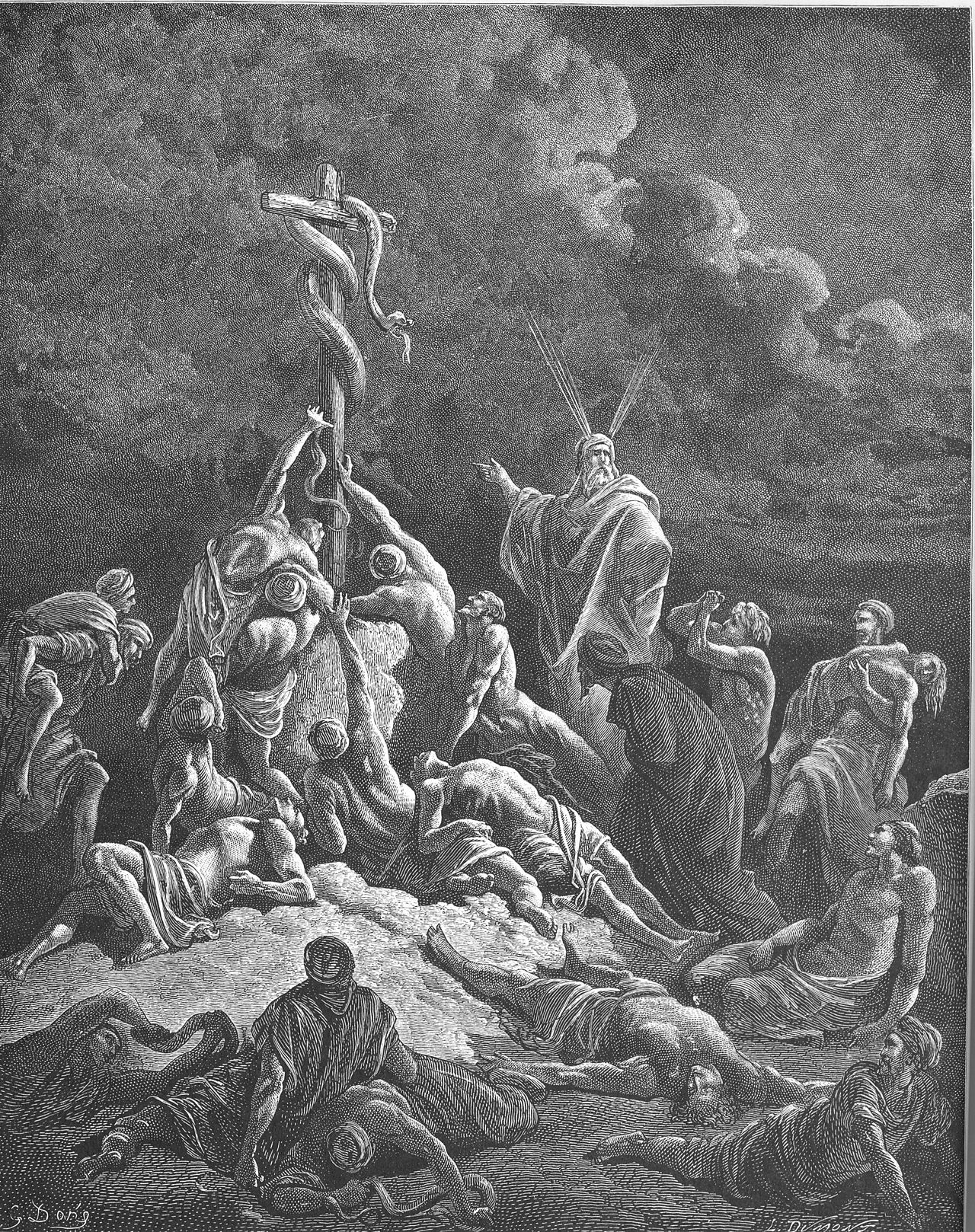
This page draws on Albert Barnes, Notes on the Old Testament; John Gill, Exposition of the Old Testament; John Gill, Exposition of the Old Testament (1748-1763) and Matthew Henry, Commentary on the Whole Bible.