
Nehemiah 11:17
in Nehemiah 11Mattaniah son of Mica, the son of Zabdi, the son of Asaph, who led in thanksgiving and prayer; Bakbukiah, second among his associates; and Abda son of Shammua, the son of Galal, the son of Jeduthun.
BSB
The same verse in ASV and KJV ▾
ASV
and Mattaniah the son of Mica, the son of Zabdi, the son of Asaph, who was the chief to begin the thanksgiving in prayer, and Bakbukiah, the second among his brethren; and Abda the son of Shammua, the son of Galal, the son of Jeduthun.
KJV
And Mattaniah the son of Micha, the son of Zabdi, the son of Asaph, was the principal to begin the thanksgiving in prayer: and Bakbukiah the second among his brethren, and Abda the son of Shammua, the son of Galal, the son of Jeduthun.
⋯
This verse in Nehemiah 11
Commentary
6 notes on this verseTo begin - In the publick and solemn prayers and praises, which were constantly joined with the morning and evening sacrifice, at which the singers were present, and praised God with a psalm or hymn which, this man began.
This site's exposition
Shemaiah the son of Hashub
on Nehemiah 11:15-19
The Levite roll runs to two hundred eighty four, then names the porters Akkub and Talmon with their brethren at one hundred seventy two keeping the gates, doorkeeping counted here as a numbered office rather than an afterthought to worship. Verse 17 preserves a liturgical detail the register did not have to keep: Mattaniah the son of Micha, of the line of Asaph, was THE PRINCIPAL TO BEGIN THE THANKSGIVING IN PRAYER, one voice opening and the rest following, with Bakbukiah second among his brethren. A name list becomes, for one verse, a record of who led Israel's praise and how the singing was ordered.
The record, by era
The Puritans and the Awakening2 voices
Observe, Thanksgiving is necessary in prayer; they should go together; giving thanks for former mercies is a becoming way of begging further mercies. And care should be taken in public service that every thing be done in the best manner, decently and in good order-- in prayer, that one speak and the rest join--in singing, that one begin and the rest follow.
And Mattaniah the son of Micha, the son of Zabdi, the son of Asaph,....
The Nineteenth Century2 voices
A commentator
Jamieson, Fausset & Brown1802–1910
Commentary Critical and Explanatory on the Whole Bible (1871)
proposed
the principal to begin the thanksgiving in prayer--that is, the leader of the choir which chanted the public praise at the time of the morning and evening sacrifice. That service was always accompanied by some appropriate psalm, the sacred music being selected and guided by the person named.
quarantine:debris (2026-07-29) — starts-lowercase
The principal to begin the thanksgiving - The precentor, pitcher of the tune, or master-singer.
How the passage was read
What the Jewish commentators add
On the verses either side of this one
over the outside work of the Temple, such as the buildings of the repair of the Temple (sic) and the wood of the arrangement, which they would bring from outside.
This section is reception history: how the passage was read and kept in the Jewish tradition. Where a reading parts from an essential of the Christian faith, the section says so at that point.
Texts and citation data: Sefaria; each excerpt follows its version’s licence. 2 further sources are cited on this chapter that carry no English text this site may quote or only restate the verse.
The words behind it
21 Hebrew wordsEvery Hebrew word of this verse in the order it stands, with what it means and the door to its own study. The last column counts the times a word stands in the whole Bible: the rarer the word, the more the places it appears belong together.
| Hebrew | Sound | Meaning | Word study | In the Bible |
|---|---|---|---|---|
| וּמַתַּנְיָ֣ה | umatanyah | and Mattaniah | H4983 → | 16 times |
| בֶן־ | ven- | [the] son of | H1121 → | 4930 times |
| מִ֠יכָה | mikhah | Micah | H4318 → | |
| בֶּן־ | ben- | [the] son of | H1121 → | 4930 times |
| זַבְדִּ֨י | zavdi | Zabdi | H2067 → | |
| בֶן־ | ven- | [the] son of | H1121 → | 4930 times |
| אָסָ֜ף | ʾasaf | Asaph | H623 → | 34 times |
| רֹ֗אשׁ | rosh | [the] leader of | H7218 → | 599 times |
| הַתְּחִלָּה֙ | hatechilah | the beginning | H8462 → | |
| יְהוֹדֶ֣ה | yehodeh | he gave thanks | H3034 → | 114 times |
| לַתְּפִלָּ֔ה | latefilah | to the prayer | H8605 → | 72 times |
| וּבַקְבֻּקְיָ֖ה | uvakbukyah | and Bakbukiah | H1229 → | 3 times |
| מִשְׁנֶ֣ה | mishneh | [the] second | H4932 → | |
| מֵאֶחָ֑יו | meechav | from brothers his | H251 → | 630 times |
| וְעַבְדָּא֙ | veavda' | and Abda | H5653 → | |
| בֶּן־ | ben- | [the] son of | H1121 → | 4930 times |
| שַׁמּ֔וּעַ | shamua' | Shammua | H8051 → | |
| בֶּן־ | ben- | [the] son of | H1121 → | 4930 times |
| גָּלָ֖ל | galal | Galal | H1559 → | |
| בֶּן־ | ben- | [the] son of | H1121 → | 4930 times |
| יְדוּתֽוּן׃ | yeditun | Jeduthun | H3038 → |
וּמַתַּנְיָ֣הand Mattaniah
umatanyahH4983 →16 times
בֶן־[the] son of
ven-H1121 →4930 times
מִ֠יכָהMicah
mikhahH4318 →
בֶּן־[the] son of
ben-H1121 →4930 times
זַבְדִּ֨יZabdi
zavdiH2067 →
בֶן־[the] son of
ven-H1121 →4930 times
אָסָ֜ףAsaph
ʾasafH623 →34 times
רֹ֗אשׁ[the] leader of
roshH7218 →599 times
הַתְּחִלָּה֙the beginning
hatechilahH8462 →
יְהוֹדֶ֣הhe gave thanks
yehodehH3034 →114 times
לַתְּפִלָּ֔הto the prayer
latefilahH8605 →72 times
וּבַקְבֻּקְיָ֖הand Bakbukiah
uvakbukyahH1229 →3 times
מִשְׁנֶ֣ה[the] second
mishnehH4932 →
מֵאֶחָ֑יוfrom brothers his
meechavH251 →630 times
וְעַבְדָּא֙and Abda
veavda'H5653 →
בֶּן־[the] son of
ben-H1121 →4930 times
שַׁמּ֔וּעַShammua
shamua'H8051 →
בֶּן־[the] son of
ben-H1121 →4930 times
גָּלָ֖לGalal
galalH1559 →
בֶּן־[the] son of
ben-H1121 →4930 times
יְדוּתֽוּן׃Jeduthun
yeditunH3038 →
A shaded row is a word that stands 400 times or fewer in the Bible.
The walk
8 stopsEach card is a verse this one points to, and under it the verses that one points to in turn. Where several paths arrive at the same place, that place is listed first: the text keeps returning to it.
Through
1 Chronicles 16:41With them were Heman, Jeduthun, and the rest of those chosen and designated by name to give thanks to the LORD, for “His loving devotion endures forever.”
it leads to
- 2 Chronicles 5:13
The trumpeters and singers joined together to praise and thank the LORD with one voice. They lifted up their voices, accompanied by trumpets, cymbals, and musical instruments, in praise to the LORD: “For He…
- 1 Chronicles 25:1–6
Additionally, David and the commanders of the army set apart some of the sons of Asaph, Heman, and Jeduthun to prophesy with the accompaniment of lyres, harps, and cymbals. The following is the list…
- 1 Chronicles 16:34
Give thanks to the LORD, for He is good; His loving devotion endures forever.
- 2 Chronicles 20:21
Then Jehoshaphat consulted with the people and appointed those who would sing to the LORD and praise the splendor of His holiness. As they went out before the army, they were singing: “Give thanks…
- Psalms 103:17
But from everlasting to everlasting the loving devotion of the LORD extends to those who fear Him, and His righteousness to their children’s children—
- 2 Chronicles 5:13
Through
1 Chronicles 9:15Bakbakkar, Heresh, Galal, and Mattaniah son of Mica, the son of Zichri, the son of Asaph;
it leads to
- Nehemiah 11:22
Now the overseer of the Levites in Jerusalem was Uzzi son of Bani, the son of Hashabiah, the son of Mattaniah, the son of Mica. He was one of Asaph’s descendants, who were the…
- 1 Chronicles 11:17
David longed for water and said, “Oh, that someone would get me a drink of water from the well near the gate of Bethlehem!”
- 1 Chronicles 12:25
From Simeon: 7,100 mighty men of valor, ready for battle.
- Nehemiah 11:22
About Nehemiah
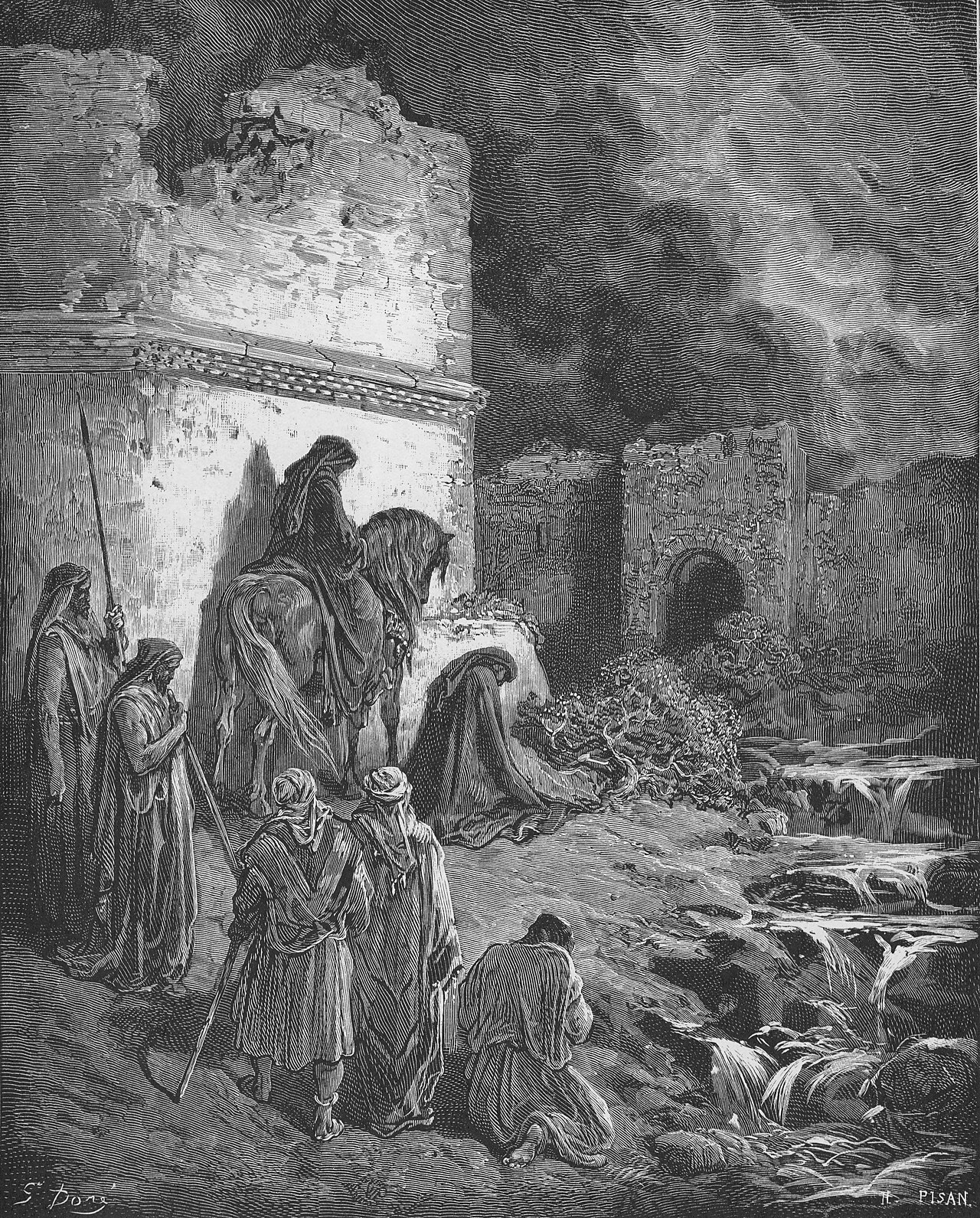
Who and where
1 name in this verse with a page on the site.
This page draws on Adam Clarke, Commentary on the Bible; Jamieson, Fausset & Brown, Commentary Critical and Explanatory on the Whole Bible; John Gill, Exposition of the Old Testament (1748-1763); John Wesley, Explanatory Notes upon the Old Testament and Matthew Henry, Commentary on the Whole Bible.