
Nahum 3:15
in Nahum 3There the fire will devour you; the sword will cut you down and consume you like a young locust. Make yourself many like the young locust; make yourself many like the swarming locust!
BSB
The same verse in ASV and KJV ▾
ASV
There shall the fire devour thee; the sword shall cut thee off; it shall devour thee like the canker-worm: make thyself many as the canker-worm; make thyself many as the locust.
KJV
There shall the fire devour thee; the sword shall cut thee off, it shall eat thee up like the cankerworm: make thyself many as the cankerworm, make thyself many as the locusts.
⋯
This verse in Nahum 3
Commentary
8 notes on this verseA commentator
Albert Barnes1798–1870
Notes, Explanatory and Practical, on the Old and New Testaments (1832-1869)
There - where thou didst fence thyself, and madest such manifold and toilsome preparation, Shall the fire devour thee. - All is toil within. The fire of God’s wrath falls and consumes at once. Mankind still, with mire and clay, build themselves Babels. “They go into clay,” and become themselves earthly like the mire they steep themselves in. They make themselves strong, as though they thought “that their houses shall continue forever” Psa 49:11, and say, “So, take thine ease eat, drink and be merry” Luk 12:19-
This site's exposition
Draw your water for the siege
on Nahum 3:14-15
The city is ordered in mockery to "Draw your water for the siege," and to "tread the mortar," preparing for a siege it cannot survive. Each order meets its failure, for "There the fire will devour you". "Make yourself many like the young locust" names numbers that look like strength.
This site's exposition
like a young locust
The fire and sword find the city in the very forts it has just built. John Wesley reads the call to multiply like locusts as a challenge that changes nothing, since no number will save her. The locust swarms of Joel 2 give the picture.
The record, by era
The Church Fathers1 voice
(Verse 13 onwards) Behold, your people, women in your midst: the gates of your land will be opened wide to your enemies: fire will devour your bars. Draw water for the siege: build your fortifications, go into the mud, and trample: force the brick. There the fire will consume you; you will perish by the sword, you will be devoured like the chigoe: gather therefore like the chigoe: multiply like the locust. You have made more deals than there are stars in the sky: the chigoe has spread out and flown away.
The Puritans and the Awakening3 voices
) there shall even the fire devour thee if it be taken by storm." It is by fire and sword that in time of war the great devastations are made. Did they put confidence in the multitude of their inhabitants?
quarantine:debris (2026-07-29) — leading-punctuation+unbalanced-parens+odd-straight-quotes
There - In the very fortresses. Eat thee - As easily as the canker-worm eats the green herb. Many - They are innumerable; be thou so if thou canst; all will be to no purpose.
There shall the fire devour thee,....
The Nineteenth Century1 voice
Make thyself many as the cankerworm - On the locusts, and their operations in their various states, see the notes on Joel 2 (note). The multitudes, successive swarms, and devastation occasioned by locusts, is one of the most expressive similes that could be used to point out the successive armies and all-destroying influences of the enemies of Nineveh. The account of these destroyers from Dr. Shaw, inserted Joel 2, will fully illustrate the verses where allusion is made to locusts.
How the passage was read
What the Jewish commentators add
On the verses either side of this one
Draw siege water for yourself —When a city is about to be besieged, the people of the city gather much water into its midst in barrels, [so that they will have water] to drink during the days of the siege, when there are no cisterns within it [the city].
This section is reception history: how the passage was read and kept in the Jewish tradition. Where a reading parts from an essential of the Christian faith, the section says so at that point.
Texts and citation data: Sefaria; each excerpt follows its version’s licence. 4 further sources are cited on this chapter that carry no English text this site may quote or only restate the verse.
The words behind it
11 Hebrew wordsEvery Hebrew word of this verse in the order it stands, with what it means and the door to its own study. The last column counts the times a word stands in the whole Bible: the rarer the word, the more the places it appears belong together.
| Hebrew | Sound | Meaning | Word study | In the Bible |
|---|---|---|---|---|
| שָׁ֚ם | sham | there | H8033 → | |
| תֹּאכְלֵ֣ךְ | tokhelekh | it will consume you | H398 → | 810 times |
| אֵ֔שׁ | ʾesh | fire | H784 → | 378 times |
| תַּכְרִיתֵ֣ךְ | takhritekh | it will cut off you | H3772 → | 288 times |
| חֶ֔רֶב | cherev | [the] sword | H2719 → | 413 times |
| תֹּאכְלֵ֖ךְ | tokhelekh | it will consume you | H398 → | 810 times |
| כַּיָּ֑לֶק | kaiyalek | like the locust | H3218 → | 9 times |
| הִתְכַּבֵּ֣ד | hitkabed | make yourself numerous | H3513 → | 113 times |
| כַּיֶּ֔לֶק | kaiyelek | like the locust | H3218 → | 9 times |
| הִֽתְכַּבְּדִ֖י | hitkabedi | make yourself numerous | H3513 → | 113 times |
| כָּאַרְבֶּֽה׃ | kaarbeh | like the locust | H697 → |
שָׁ֚םthere
shamH8033 →
תֹּאכְלֵ֣ךְit will consume you
tokhelekhH398 →810 times
אֵ֔שׁfire
ʾeshH784 →378 times
תַּכְרִיתֵ֣ךְit will cut off you
takhritekhH3772 →288 times
חֶ֔רֶב[the] sword
cherevH2719 →413 times
תֹּאכְלֵ֖ךְit will consume you
tokhelekhH398 →810 times
כַּיָּ֑לֶקlike the locust
kaiyalekH3218 →9 times
הִתְכַּבֵּ֣דmake yourself numerous
hitkabedH3513 →113 times
כַּיֶּ֔לֶקlike the locust
kaiyelekH3218 →9 times
הִֽתְכַּבְּדִ֖יmake yourself numerous
hitkabediH3513 →113 times
כָּאַרְבֶּֽה׃like the locust
kaarbehH697 →
A shaded row is a word that stands 400 times or fewer in the Bible.
The walk
8 stopsEach card is a verse this one points to, and under it the verses that one points to in turn. Where several paths arrive at the same place, that place is listed first: the text keeps returning to it.
Through
Joel 2:25I will repay you for the years eaten by locusts—the swarming locust, the young locust, the destroying locust, and the devouring locust—My great army that I sent against you.
it leads to
- Zechariah 10:6
I will strengthen the house of Judah and save the house of Joseph. I will restore them because I have compassion on them, and they will be as though I had not rejected them.…
- Joel 1:4–7
What the devouring locust has left, the swarming locust has eaten; what the swarming locust has left, the young locust has eaten; and what the young locust has left, the destroying locust has eaten.
- Joel 2:2–11
a day of darkness and gloom, a day of clouds and blackness. Like the dawn overspreading the mountains a great and strong army appears, such as never was of old, nor will ever be…
- Zechariah 10:6
Through
Joel 1:4What the devouring locust has left, the swarming locust has eaten; what the swarming locust has left, the young locust has eaten; and what the young locust has left, the destroying locust has eaten.
it leads to
- Joel 2:25
I will repay you for the years eaten by locusts—the swarming locust, the young locust, the destroying locust, and the devouring locust—My great army that I sent against you.
- Amos 4:9
“I struck you with blight and mildew in your growing gardens and vineyards; the locust devoured your fig and olive trees, yet you did not return to Me,” declares the LORD.
- Isaiah 33:4
Your spoil, O nations, is gathered as by locusts; like a swarm of locusts men sweep over it.
- Amos 7:1
This is what the Lord GOD showed me: He was preparing swarms of locusts just after the king’s harvest, as the late spring crop was coming up.
- Exodus 10:4
But if you refuse to let My people go, I will bring locusts into your territory tomorrow.
- Joel 2:25
Where this verse is studied
On this page
Studies3
On this verse
On this chapter
About Nahum
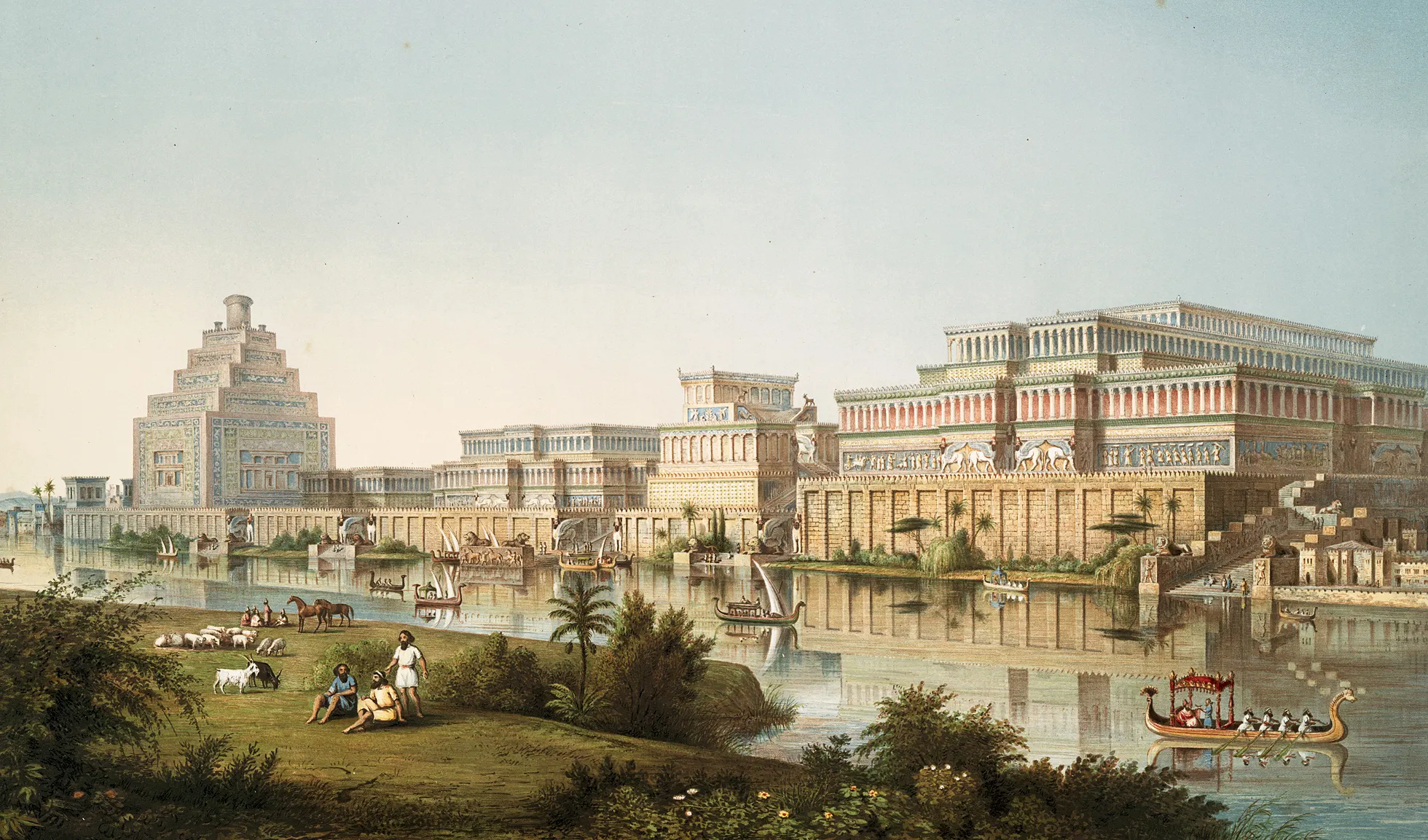
This page draws on Adam Clarke, Commentary on the Bible; Albert Barnes, Notes, Explanatory and Practical, on the Old and New Testaments (1832-1869); Carl Friedrich Keil, The Twelve Minor Prophets; Jerome, Commentary on Nahum; John Gill, Exposition of the Old Testament; John Gill, Exposition of the Old Testament (1748-1763); John Wesley, Explanatory Notes upon the Old Testament and Matthew Henry, Commentary on the Whole Bible.