
Leviticus 9:14
in Leviticus 9He washed the entrails and the legs and burned them atop the burnt offering on the altar.
BSB
The same verse in ASV and KJV ▾
ASV
And he washed the inwards and the legs, and burnt them upon the burnt-offering on the altar.
KJV
And he did wash the inwards and the legs, and burnt them upon the burnt offering on the altar.
⋯
This verse in Leviticus 9
Commentary
3 notes on this verseThis site's exposition
And he slew the burnt offering
on Leviticus 9:12-14
Chapters 1 to 7 are the law and this is the law being done, in the same verbs and the same order, slew and presented and sprinkled and burnt. Aaron's sons hand him the blood and he does the rest with his own hands, so the division of labour that later priests keep begins here. The washing of the inwards and the legs at verse 14 is the instruction of 1:9 carried out to the letter.
The record, by era
The Puritans and the Awakening2 voices
), the meaning is that he burnt them immediately with ordinary fire, as formerly, or that he laid them upon the altar ready to be burnt with the fire from heaven which they expected (
quarantine:debris (2026-07-29) — leading-punctuation
And he did wash the inwards and the legs,.... As Moses also had done, Lev 8:21. and burnt them upon the burnt offering on the altar; upon the pieces, and the head, before mentioned, said to be burnt, or "after" the burnt offering, after they were burnt: the Septuagint version is as before.
The words behind it
9 Hebrew wordsEvery Hebrew word of this verse in the order it stands, with what it means and the door to its own study. The last column counts the times a word stands in the whole Bible: the rarer the word, the more the places it appears belong together.
| Hebrew | Sound | Meaning | Word study | In the Bible |
|---|---|---|---|---|
| וַיִּרְחַ֥ץ | vaiyirchatz | and he washed | H7364 → | 72 times |
| אֶת־ | ʾet- | <obj.> | H853 → | 10935 times |
| הַקֶּ֖רֶב | hakerev | the entrails | H7130 → | 227 times |
| וְאֶת־ | veet | and <obj.> | H853 → | 10935 times |
| הַכְּרָעָ֑יִם | hakeraayim | the legs | H3767 → | 9 times |
| וַיַּקְטֵ֥ר | vaiyakter | and he made [them] smoke | H6999 → | 116 times |
| עַל־ | ʾal- | on | H5921 → | 5755 times |
| הָעֹלָ֖ה | haolah | the burnt offering | H5930 → | 287 times |
| הַמִּזְבֵּֽחָה׃ | hamizbechah | the altar towards | H4196 → | 401 times |
וַיִּרְחַ֥ץand he washed
vaiyirchatzH7364 →72 times
אֶת־<obj.>
ʾet-H853 →10935 times
הַקֶּ֖רֶבthe entrails
hakerevH7130 →227 times
וְאֶת־and <obj.>
veetH853 →10935 times
הַכְּרָעָ֑יִםthe legs
hakeraayimH3767 →9 times
וַיַּקְטֵ֥רand he made [them] smoke
vaiyakterH6999 →116 times
עַל־on
ʾal-H5921 →5755 times
הָעֹלָ֖הthe burnt offering
haolahH5930 →287 times
הַמִּזְבֵּֽחָה׃the altar towards
hamizbechahH4196 →401 times
A shaded row is a word that stands 400 times or fewer in the Bible.
The walk
5 stopsEach card is a verse this one points to, and under it the verses that one points to in turn. Where several paths arrive at the same place, that place is listed first: the text keeps returning to it.
Through
Leviticus 8:21He washed the entrails and legs with water and burned the entire ram on the altar as a burnt offering, a pleasing aroma, an offering made by fire to the LORD, just as the…
it leads to
- Exodus 29:18
Then burn the entire ram on the altar; it is a burnt offering to the LORD, a pleasing aroma, an offering made by fire to the LORD.
- Ephesians 5:2
and walk in love, just as Christ loved us and gave Himself up for us as a fragrant sacrificial offering to God.
- Leviticus 2:9
The priest is to remove the memorial portion from the grain offering and burn it on the altar as an offering made by fire, a pleasing aroma to the LORD.
- Leviticus 1:17
He shall tear it open by its wings, without dividing the bird completely. And the priest is to burn it on the altar atop the burning wood. It is a burnt offering, an offering…
- Genesis 8:21
When the LORD smelled the pleasing aroma, He said in His heart, “Never again will I curse the ground because of man, even though every inclination of his heart is evil from his youth.…
- Exodus 29:18
Where this verse is studied
On this page
Studies1
About Leviticus
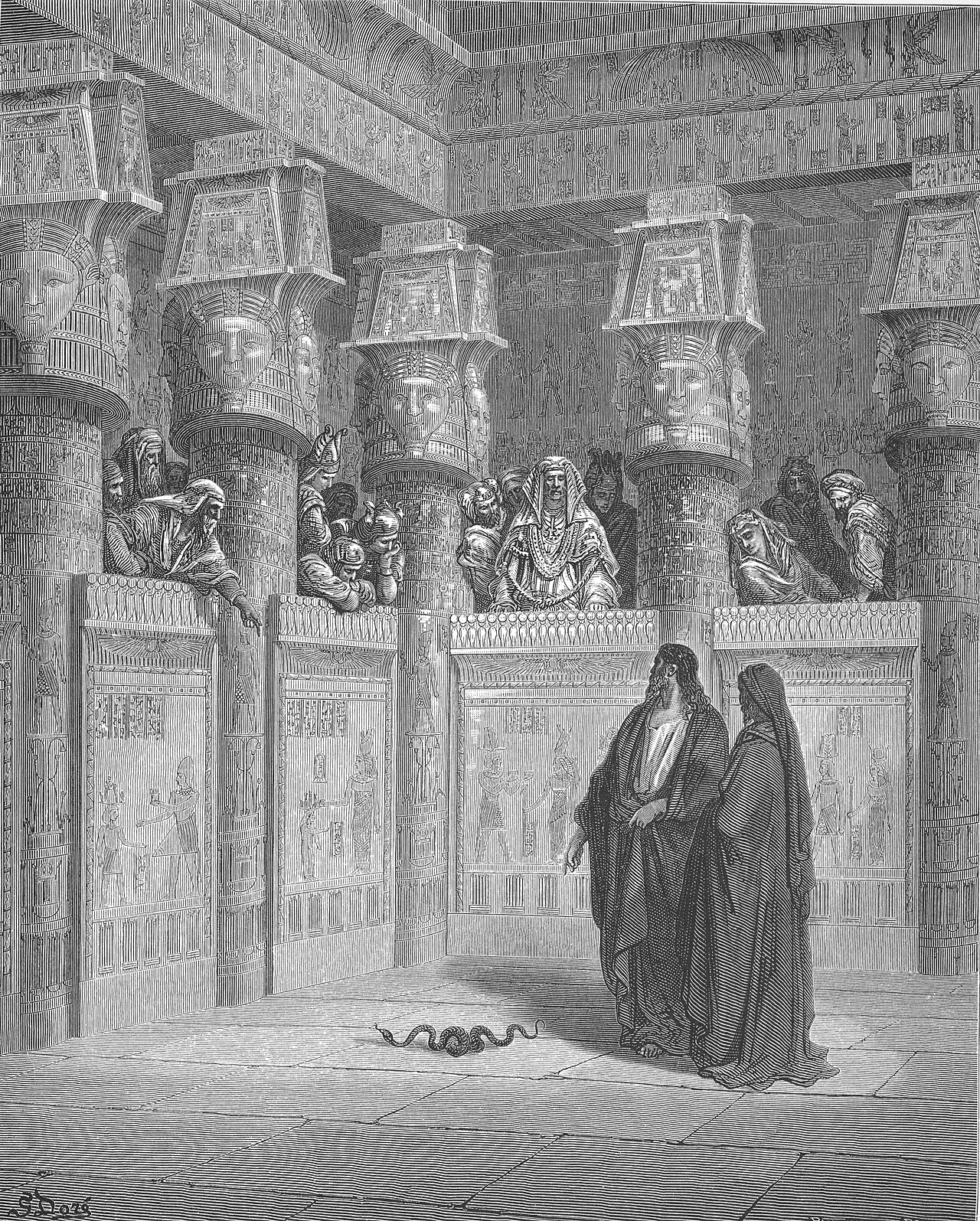
This page draws on Jamieson, Fausset & Brown, Commentary Critical and Explanatory on the Whole Bible; John Gill, Exposition of the Old Testament; John Gill, Exposition of the Old Testament (1748-1763) and Matthew Henry, Commentary on the Whole Bible.