
Jeremiah 17:26
in Jeremiah 17And people will come from the cities of Judah and the places around Jerusalem, from the land of Benjamin, and from the foothills, the hill country, and the Negev, bringing burnt offerings and sacrifices, grain offerings and frankincense, and thank offerings to the house of the LORD.
BSB
The same verse in ASV and KJV ▾
ASV
And they shall come from the cities of Judah, and from the places round about Jerusalem, and from the land of Benjamin, and from the lowland, and from the hill-country, and from the South, bringing burnt-offerings, and sacrifices, and meal-offerings, and frankincense, and bringing sacrifices of thanksgiving, unto the house of Jehovah.
KJV
And they shall come from the cities of Judah, and from the places about Jerusalem, and from the land of Benjamin, and from the plain, and from the mountains, and from the south, bringing burnt offerings, and sacrifices, and meat offerings, and incense, and bringing sacrifices of praise, unto the house of the Lord.
⋯
This verse in Jeremiah 17
Commentary
8 notes on this verseA commentator
Jamieson, Fausset & Brown1802–1910
Commentary Critical and Explanatory on the Whole Bible (1871)
plain mountains . . . south-- (Jos 15:1-4). The southern border had extended to the river of Egypt, but was now much curtailed by Egyptian invasions (2Ch 35:20; The Hebrew for "south" means dry; the arid desert south of Judea is meant.
quarantine:debris (2026-07-29) — starts-lowercase+unbalanced-parens
This site's exposition
Go and stand at the gate of the people
on Jeremiah 17:19-27
Jeremiah must stand at the gate the kings of Judah use and preach one commandment. The fathers heard the same command, and “they stiffened their necks”. Obedience would bring kings into a city “inhabited forever”, and disobedience “an unquenchable fire in its gates”.
This site's exposition
people will come from the cities
The list walks the whole land: Benjamin to the north, the foothills to the west, the hill country, and the Negev in the south. Jamieson, Fausset and Brown note that the Hebrew word for Negev means dry, the desert south of Judea. Every region brings its offerings to one house.
The record, by era
The Church Fathers1 voice
(Verse 20 and following) Thus says the Lord: Guard your souls, and do not carry burdens on the Sabbath day, or bring them through the gates of Jerusalem. And do not cast burdens out of your houses on the Sabbath day, and you shall not do any work, and sanctify the Sabbath day, as I commanded your fathers. But they did not listen, nor inclined their ear, and they stiffened their necks (and what is not found in Hebrew, against their fathers), so that they would not listen to me, and would not receive discipline.
The Puritans and the Awakening4 voices
The people had asked ( ch. xvi. 10 ), What is our iniquity, and what is our sin? as if they could not be charged with any thing worth speaking of, for which God should enter into judgment with them; their challenge was answered there, but here we have a further reply to it, in which, I.
This is made an instance of their prosperity. Then a people truly flourish when religion flourishes among them. And this is the effect of sabbath-sanctification; when that branch of religion is kept up other instances of it are kept up likewise; but, when that is lost, devotion is lost either in superstition or in profaneness.
) are such as I think we scarcely find when things come nearer to the extremity. This message must be proclaimed in all the places of concourse, and therefore in the gates, not only because through them people were continually passing and repassing, but because in them they kept their courts and laid up their stores.
quarantine:debris (2026-07-29) — leading-punctuation+unbalanced-parens
And they shall come from the cities of Judah,....
How the passage was read
On Jeremiah 17:19-27On Jeremiah 17:19-27
Burdens through the gates
Jeremiah stands in Jerusalem's gates and warns: “bear no burden on the sabbath day, nor bring it in by the gates of Jerusalem.” The written Sabbath command says “no work”; this prophetic oracle is the clearest Scripture naming CARRYING as the work in view, and it became the root of the tradition's rule against carrying from one domain to another on the Sabbath, the last of the Mishnah's thirty-nine categories of forbidden labor (Shabbat 7:2). The categories are kept by observant Jews to this day, which is why traditional neighborhoods build an eruv, a boundary that legally merges private domains so families can carry outdoors on the day.
This passage is the live background of John 5:10: “It is the sabbath day: it is not lawful for thee to carry thy bed.” The objectors are standing on Jeremiah's oracle as the tradition had built on it. The healed man's mat, not his healing, is what the rule could name.
This section is reception history: how the passage was read and kept in the Jewish tradition. Where a reading parts from an essential of the Christian faith, the section says so at that point.
Sources: Mishnah Shabbat 7:2 (the thirty-nine categories; carrying is the last)
The words behind it
22 Hebrew wordsEvery Hebrew word of this verse in the order it stands, with what it means and the door to its own study. The last column counts the times a word stands in the whole Bible: the rarer the word, the more the places it appears belong together.
| Hebrew | Sound | Meaning | Word study | In the Bible |
|---|---|---|---|---|
| וּבָ֣אוּ | uvau | and they will come | H935 → | 2568 times |
| מֵעָרֵֽי־ | mearei- | from [the] cities of | H5892 → | 1090 times |
| יְ֠הוּדָה | yehudah | Judah | H3063 → | 819 times |
| וּמִסְּבִיב֨וֹת | umisevivot | and from round about | H5439 → | 336 times |
| יְרוּשָׁלִַ֜ם | yerushalim | Jerusalem | H3389 → | 643 times |
| וּמֵאֶ֣רֶץ | umeeretz | and from [the] land of | H776 → | 2504 times |
| בִּנְיָמִ֗ן | binyamin | Benjamin | H1144 → | 166 times |
| וּמִן־ | umin- | and from | H4480 → | 1188 times |
| הַשְּׁפֵלָ֤ה | hashefelah | the Shephelah | H8219 → | 20 times |
| וּמִן־ | umin- | and from | H4480 → | 1188 times |
| הָהָר֙ | hahar | the hill country | H2022 → | 546 times |
| וּמִן־ | umin- | and from | H4480 → | 1188 times |
| הַנֶּ֔גֶב | hanegev | the Negev | H5045 → | 112 times |
| מְבִאִ֛ים | meviim | [those who] bring | H935 → | 2568 times |
| עוֹלָ֥ה | olah | burnt offering | H5930 → | 287 times |
| וְזֶ֖בַח | vezevach | and sacrifice | H2077 → | 162 times |
| וּמִנְחָ֣ה | uminchah | and grain offering | H4503 → | 211 times |
| וּלְבוֹנָ֑ה | ulevonah | and frankincense | H3828 → | 21 times |
| וּמְבִאֵ֥י | umeviei | and [those who] bring | H935 → | 2568 times |
| תוֹדָ֖ה | todah | <of> a thank-offering | H8426 → | 31 times |
| בֵּ֥ית | beit | [the] house of | H1004 → | 2046 times |
| יְהוָֽה׃ | yahweh | Yahweh | H3068 → | 6520 times |
וּבָ֣אוּand they will come
uvauH935 →2568 times
מֵעָרֵֽי־from [the] cities of
mearei-H5892 →1090 times
יְ֠הוּדָהJudah
yehudahH3063 →819 times
וּמִסְּבִיב֨וֹתand from round about
umisevivotH5439 →336 times
יְרוּשָׁלִַ֜םJerusalem
yerushalimH3389 →643 times
וּמֵאֶ֣רֶץand from [the] land of
umeeretzH776 →2504 times
בִּנְיָמִ֗ןBenjamin
binyaminH1144 →166 times
וּמִן־and from
umin-H4480 →1188 times
הַשְּׁפֵלָ֤הthe Shephelah
hashefelahH8219 →20 times
וּמִן־and from
umin-H4480 →1188 times
הָהָר֙the hill country
haharH2022 →546 times
וּמִן־and from
umin-H4480 →1188 times
הַנֶּ֔גֶבthe Negev
hanegevH5045 →112 times
מְבִאִ֛ים[those who] bring
meviimH935 →2568 times
עוֹלָ֥הburnt offering
olahH5930 →287 times
וְזֶ֖בַחand sacrifice
vezevachH2077 →162 times
וּמִנְחָ֣הand grain offering
uminchahH4503 →211 times
וּלְבוֹנָ֑הand frankincense
ulevonahH3828 →21 times
וּמְבִאֵ֥יand [those who] bring
umevieiH935 →2568 times
תוֹדָ֖ה<of> a thank-offering
todahH8426 →31 times
בֵּ֥ית[the] house of
beitH1004 →2046 times
יְהוָֽה׃Yahweh
yahwehH3068 →6520 times
A shaded row is a word that stands 400 times or fewer in the Bible.
The walk
8 stopsEach card is a verse this one points to, and under it the verses that one points to in turn. Where several paths arrive at the same place, that place is listed first: the text keeps returning to it.
Through
Jeremiah 33:11the sounds of joy and gladness, the voices of the bride and bridegroom, and the voices of those bringing thank offerings into the house of the LORD, saying: ‘Give thanks to the LORD of…
it leads to
- Hebrews 13:15
Through Jesus, therefore, let us continually offer to God a sacrifice of praise, the fruit of lips that confess His name.
Reached by 2 separate paths from here.
- 1 Chronicles 16:34
Give thanks to the LORD, for He is good; His loving devotion endures forever.
- Psalms 106:1
Hallelujah! Give thanks to the LORD, for He is good; His loving devotion endures forever.
- Psalms 107:1
Give thanks to the LORD, for He is good; His loving devotion endures forever.
- Psalms 107:22
Let them offer sacrifices of thanksgiving and declare His works with rejoicing.
- Hebrews 13:15
Through
Psalms 107:22Let them offer sacrifices of thanksgiving and declare His works with rejoicing.
it leads to
- Psalms 50:14
Sacrifice a thank offering to God, and fulfill your vows to the Most High.
- Psalms 118:17
I will not die, but I will live and proclaim what the LORD has done.
- Psalms 9:11
Sing praises to the LORD, who dwells in Zion; proclaim His deeds among the nations.
- Psalms 50:14
Where this verse is studied
About Jeremiah
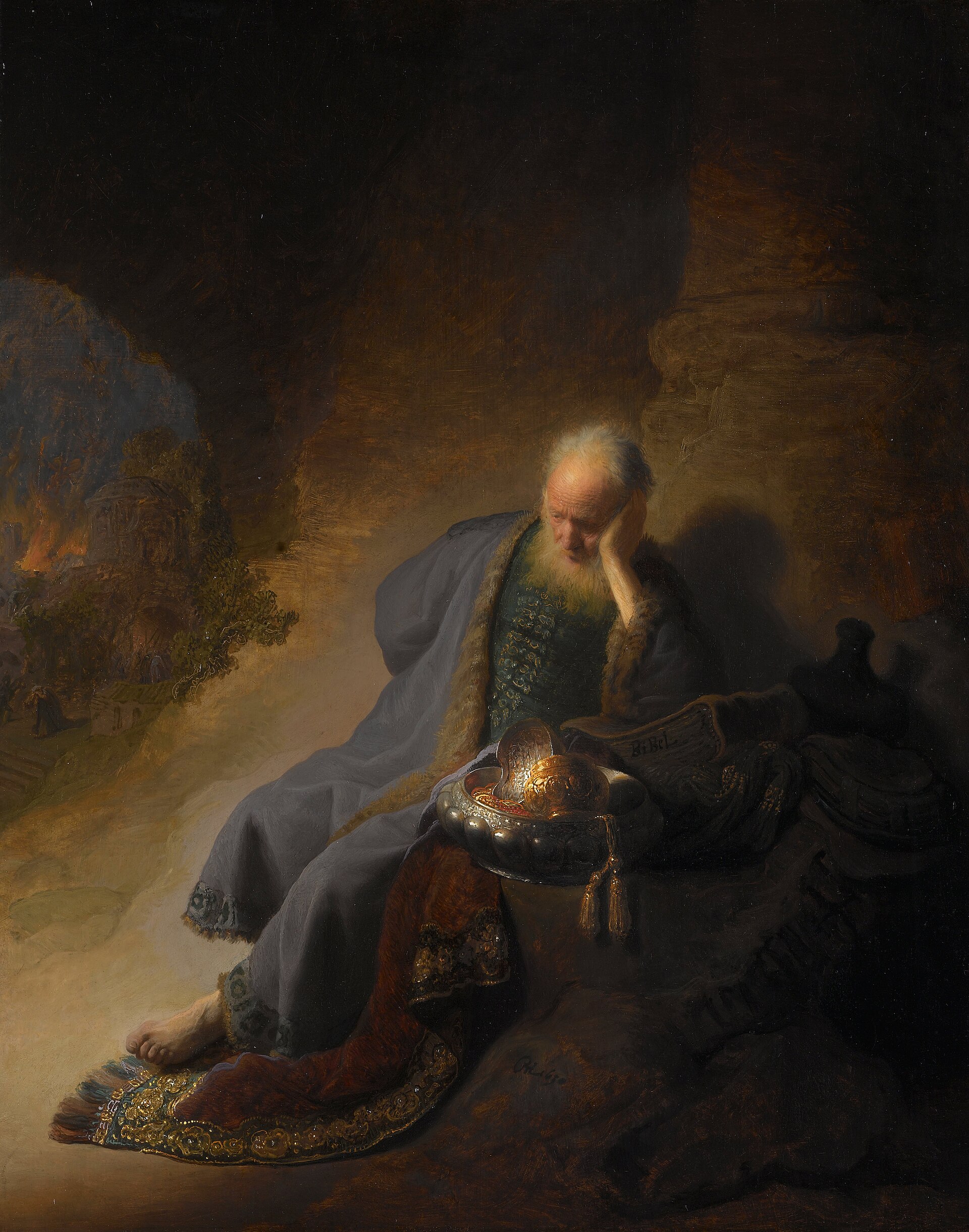
Who and where
2 names in this verse with a page on the site.
- PersonPatriarchsJudahJacob's fourth son who pledges himself for Benjamin; the tribe that carries the scepter to Shiloh (49:10) and the line to Christ (…
- PlaceJerusalemJerusalemThe city David took from the Jebusites and made his capital, where Solomon built the temple, where Christ was crucified and rose,…
This page draws on Adam Clarke, Commentary on the Bible; Jamieson Fausset and Brown, Commentary Critical and Explanatory on the Whole Bible; Jamieson, Fausset & Brown, Commentary Critical and Explanatory on the Whole Bible; Jerome, Commentary on Jeremiah; John Gill, Exposition of the Old Testament (1748-1763) and Matthew Henry, Commentary on the Whole Bible.