
Jeremiah 38:7
in Jeremiah 38Now Ebed-melech the Cushite, a court official in the royal palace, heard that Jeremiah had been put into the cistern. While the king was sitting at the Gate of Benjamin,
BSB
The same verse in ASV and KJV ▾
ASV
Now when Ebed-melech the Ethiopian, a eunuch, who was in the king’s house, heard that they had put Jeremiah in the dungeon (the king then sitting in the gate of Benjamin),
KJV
Now when Ebed–melech the Ethiopian, one of the eunuchs which was in the king’s house, heard that they had put Jeremiah in the dungeon; the king then sitting in the gate of Benjamin;
⋯
This verse in Jeremiah 38
Commentary
6 notes on this verseA commentator
Albert Barnes1798–1870
Notes, Explanatory and Practical, on the Old and New Testaments (1832-1869)
Ebed-melech - i. e., the king’s slave. By “Ethiopian” or Cushite is meant the Cushite of Africa, or negro. It seems (compare 2Ki 23:11) as if such eunuchs (or, chamberlains) took their names from the king, while the royal family and the princes generally bore names compounded with the appellations of the Deity.
This site's exposition
heard that Jeremiah had been put into the cistern
on Jeremiah 38:7-13
Ebed-melech, a Cushite, goes to the king and says, “these men have acted wickedly in all that they have done to Jeremiah the prophet.” Ebed-melech lowers “old rags and worn-out clothes” to pad the ropes. The foreigner who rescues the prophet receives his own promise of deliverance in 39:15-18.
The record, by era
The Puritans and the Awakening2 voices
Ebed-melech was an Ethiopian, a stranger to the commonwealth of Israel, and yet had in him more humanity, and more divinity too, than native Israelites had. Christ found more faith among Gentiles than among Jews.
Now when Ebedmelech the Ethiopian,....
The Nineteenth Century2 voices
A commentator
Jamieson, Fausset & Brown1802–1910
Commentary Critical and Explanatory on the Whole Bible (1871)
proposed
Ebed-melech--The Hebrew designation given this Ethiopian, meaning "king's servant." Already, even at this early time, God wished to show what good reason there was for calling the Gentiles to salvation.
Ebed-melech - The servant of the king one of the eunuchs who belonged to the palace. Perhaps it should be read, “Now, a servant of the king, a Cushite, one of the eunuchs,” etc. The king then sitting in the gate of Benjamin - To give audience, and to administer justice. We have often seen that the gates of cities were the places of public judicature.
The words behind it
19 Hebrew wordsEvery Hebrew word of this verse in the order it stands, with what it means and the door to its own study. The last column counts the times a word stands in the whole Bible: the rarer the word, the more the places it appears belong together.
| Hebrew | Sound | Meaning | Word study | In the Bible |
|---|---|---|---|---|
| וַיִּשְׁמַ֡ע | vaiyishma' | and he heard | H8085 → | 1159 times |
| עֶֽבֶד־ | ʾeved- | Ebed | H5663 → | 12 times |
| מֶ֨לֶךְ | melekh | Melech | H5663 → | 12 times |
| הַכּוּשִׁ֜י | hakushi | the Cushite | H3569 → | 26 times |
| אִ֣ישׁ | ʾish | a man | H376 → | 1663 times |
| סָרִ֗יס | saris | a court-official | H5631 → | 42 times |
| וְהוּא֙ | vehu' | and he | H1931 → | 1879 times |
| בְּבֵ֣ית | beveit | [was] in [the] house of | H1004 → | 2046 times |
| הַמֶּ֔לֶךְ | hamelekh | the king | H4428 → | 2525 times |
| כִּֽי־ | ki- | that | H3588 → | 4482 times |
| נָתְנ֥וּ | natenu | they had put | H5414 → | 2011 times |
| אֶֽת־ | ʾet- | <obj.> | H853 → | 10935 times |
| יִרְמְיָ֖הוּ | yirmeyahu | Jeremiah | H3414 → | 147 times |
| אֶל־ | ʾel- | into | H413 → | 5510 times |
| הַבּ֑וֹר | habor | the cistern | H953 → | 66 times |
| וְהַמֶּ֥לֶךְ | vehamelekh | and the king | H4428 → | 2525 times |
| יוֹשֵׁ֖ב | yoshev | [was] sitting | H3427 → | 1079 times |
| בְּשַׁ֥עַר | beshaar | in [the] gate of | H8179 → | 374 times |
| בִּנְיָמִֽן׃ | binyamin | Benjamin | H1144 → | 166 times |
וַיִּשְׁמַ֡עand he heard
vaiyishma'H8085 →1159 times
עֶֽבֶד־Ebed
ʾeved-H5663 →12 times
מֶ֨לֶךְMelech
melekhH5663 →12 times
הַכּוּשִׁ֜יthe Cushite
hakushiH3569 →26 times
אִ֣ישׁa man
ʾishH376 →1663 times
סָרִ֗יסa court-official
sarisH5631 →42 times
וְהוּא֙and he
vehu'H1931 →1879 times
בְּבֵ֣ית[was] in [the] house of
beveitH1004 →2046 times
הַמֶּ֔לֶךְthe king
hamelekhH4428 →2525 times
כִּֽי־that
ki-H3588 →4482 times
נָתְנ֥וּthey had put
natenuH5414 →2011 times
אֶֽת־<obj.>
ʾet-H853 →10935 times
יִרְמְיָ֖הוּJeremiah
yirmeyahuH3414 →147 times
אֶל־into
ʾel-H413 →5510 times
הַבּ֑וֹרthe cistern
haborH953 →66 times
וְהַמֶּ֥לֶךְand the king
vehamelekhH4428 →2525 times
יוֹשֵׁ֖ב[was] sitting
yoshevH3427 →1079 times
בְּשַׁ֥עַרin [the] gate of
beshaarH8179 →374 times
בִּנְיָמִֽן׃Benjamin
binyaminH1144 →166 times
A shaded row is a word that stands 400 times or fewer in the Bible.
The walk
8 stopsEach card is a verse this one points to, and under it the verses that one points to in turn. Where several paths arrive at the same place, that place is listed first: the text keeps returning to it.
Through
Amos 5:10There are those who hate the one who reproves in the gate and despise him who speaks with integrity.
it leads to
- 1 Kings 22:8
The king of Israel answered, “There is still one man who can ask the LORD, but I hate him because he never prophesies anything good for me, but only bad. He is Micaiah son…
- Isaiah 29:21
those who indict a man with a word, who ensnare the mediator at the gate, and who with false charges deprive the innocent of justice.
- John 8:45–47
But because I speak the truth, you do not believe Me!
- Jeremiah 17:16–17
But I have not run away from being Your shepherd; I have not desired the day of despair. You know that the utterance of my lips was spoken in Your presence.
- John 15:19
If you were of the world, it would love you as its own. Instead, the world hates you, because you are not of the world, but I have chosen you out of the world.
- 1 Kings 22:8
Through
Jeremiah 37:13But when he reached the Gate of Benjamin, the captain of the guard, whose name was Irijah son of Shelemiah, the son of Hananiah, seized him and said, “You are deserting to the Chaldeans!”
it leads to
- Zechariah 14:10
All the land from Geba to Rimmon south of Jerusalem will be turned into a plain, but Jerusalem will be raised up and will remain in her place, from the Benjamin Gate to the…
- Zechariah 14:10
Through
Jeremiah 29:2(This was after King Jeconiah, the queen mother, the court officials, the officials of Judah and Jerusalem, the craftsmen, and the metalsmiths had been exiled from Jerusalem.)
it leads to
- Jeremiah 22:24–28
“As surely as I live,” declares the LORD, “even if you, Coniah son of Jehoiakim king of Judah, were a signet ring on My right hand, I would pull you off.
- Jeremiah 27:20
which Nebuchadnezzar king of Babylon did not take when he carried Jeconiah son of Jehoiakim king of Judah into exile from Jerusalem to Babylon, along with all the nobles of Judah and Jerusalem.
- Jeremiah 22:24–28
Where this verse is studied
On this page
Studies1
About Jeremiah
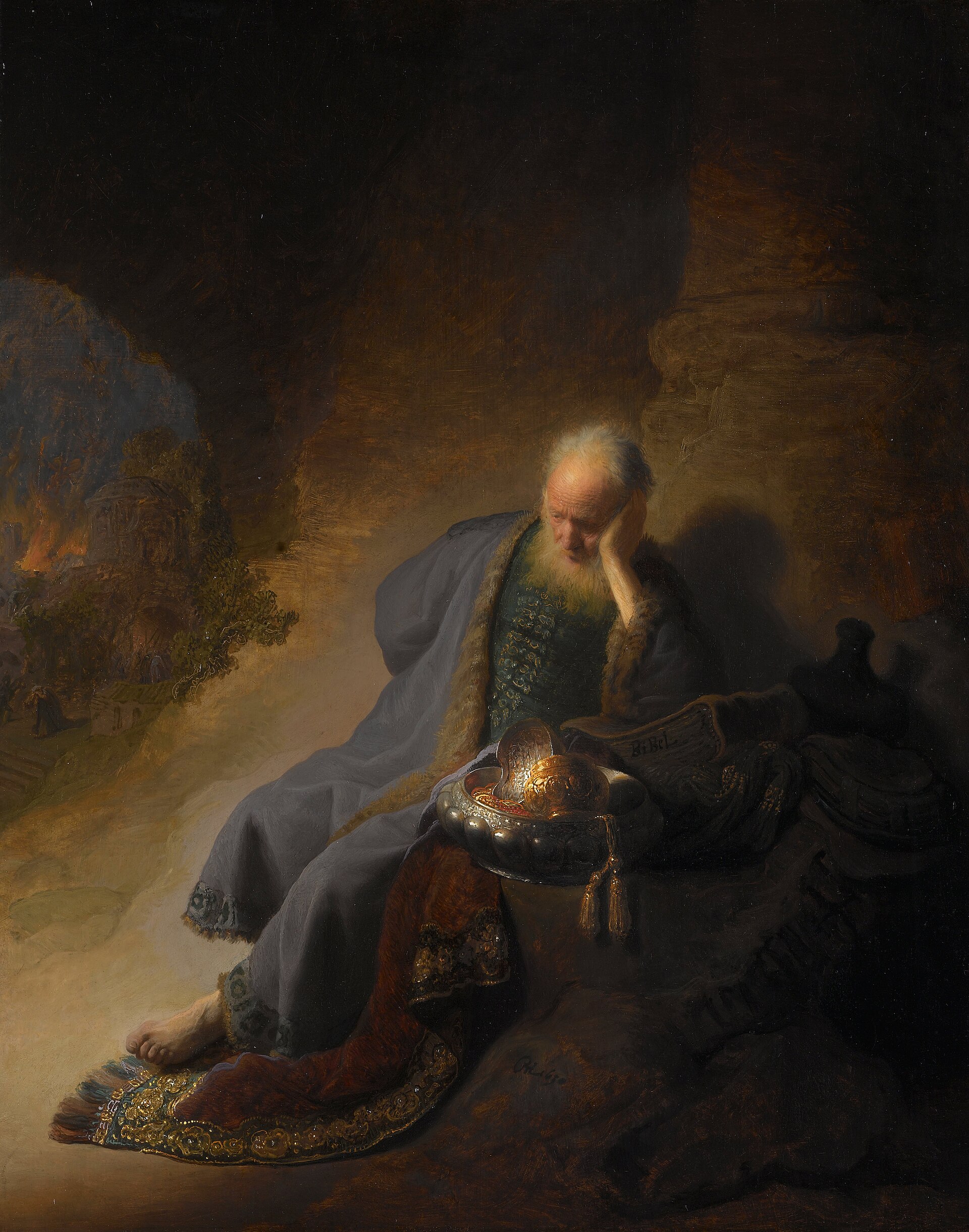
Who and where
1 name in this verse with a page on the site.
This page draws on Adam Clarke, Commentary on the Bible; Albert Barnes, Notes, Explanatory and Practical, on the Old and New Testaments (1832-1869); Albert Barnes, Notes on the Old Testament; Jamieson, Fausset & Brown, Commentary Critical and Explanatory on the Whole Bible; John Gill, Exposition of the Old Testament; John Gill, Exposition of the Old Testament (1748-1763) and Matthew Henry, Commentary on the Whole Bible.