
Jeremiah 20:9
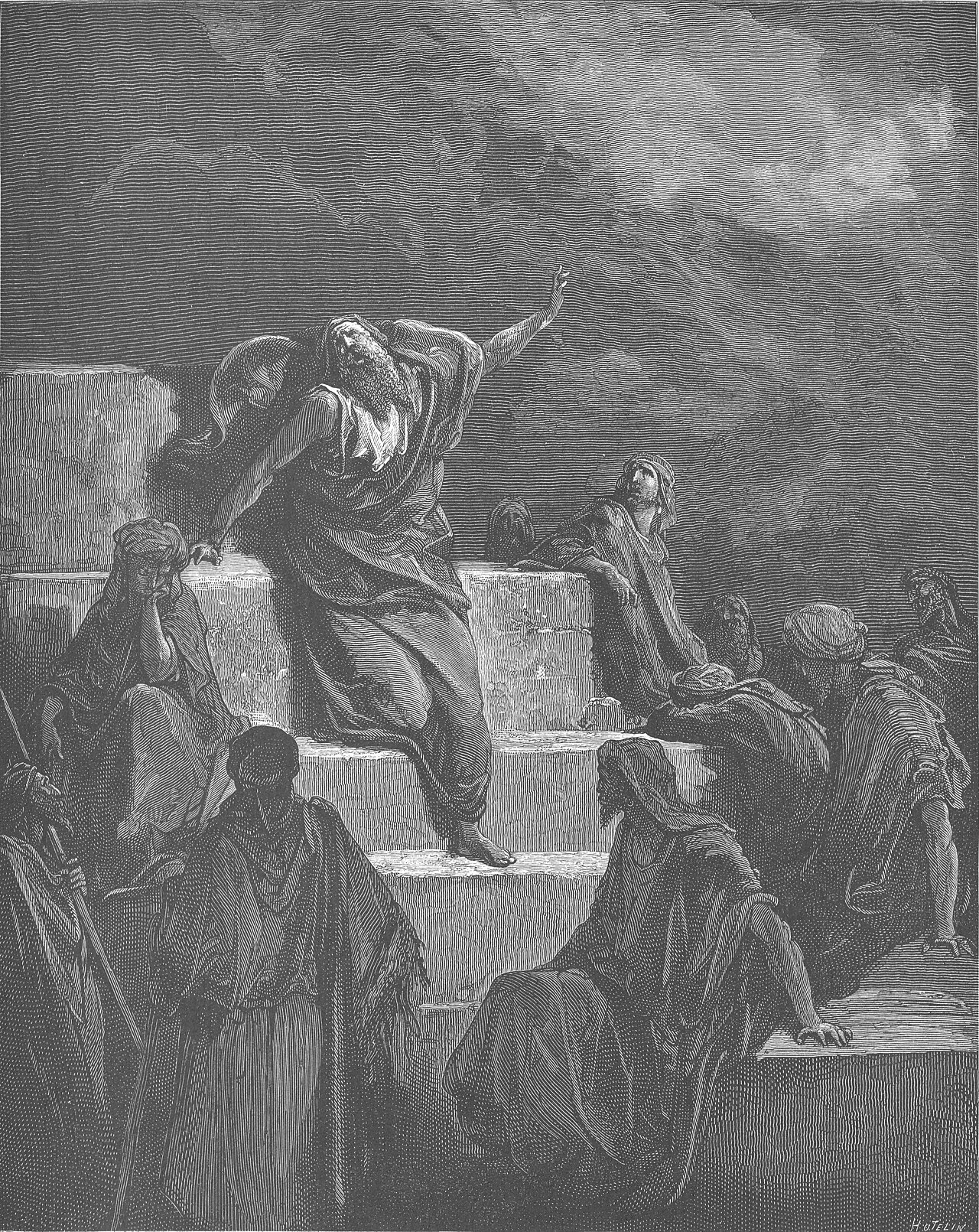
in Jeremiah 20If I say, “I will not mention Him or speak any more in His name,” His message becomes a fire burning in my heart, shut up in my bones, and I become weary of holding it in, and I cannot prevail.
BSB
The same verse in ASV and KJV ▾
ASV
And if I say, I will not make mention of him, nor speak any more in his name, then there is in my heart as it were a burning fire shut up in my bones, and I am weary with forbearing, and I cannot contain.
KJV
Then I said, I will not make mention of him, nor speak any more in his name. But his word was in mine heart as a burning fire shut up in my bones, and I was weary with forbearing, and I could not stay.
⋯
This verse in Jeremiah 20
Commentary
2 notes on this verseI wilt not make mention of him - I will renounce the prophetic office, and return to my house. As a burning fire shut up in my bones - He felt stings of conscience for the hasty and disobedient resolution he had formed; he felt ashamed of his own weakness, that did not confide in the promise and strength of God; and God’s word was in him as a strongly raging fire, and he was obliged to deliver it, in order to get rid of the tortures which he felt from suppressing the solemn message which God had given.
This site's exposition
thou hast deceived me, and I was deceived
on Jeremiah 20:7-9
The confession opens as bluntly as any in the book, a charge laid against God himself for a calling that has brought Jeremiah nothing but mockery and derision every day he speaks it. Calvin reads the complaint as the honest cry of a man who did not choose this weight and cannot see why obedience should cost so much, not rebellion against the call but exhaustion inside it. The resolve to stop speaking breaks against something stronger than his own will, the word in his heart like a fire shut up in his bones until he is weary with holding it in and cannot stay silent, compulsion rather than choice driving the ministry forward.
How the passage was read
What the Jewish commentators add
On the verses either side of this one
For I heard I said that I would not mention Him because I heard the speech of many, those who whisper about me.
This section is reception history: how the passage was read and kept in the Jewish tradition. Where a reading parts from an essential of the Christian faith, the section says so at that point.
Texts and citation data: Sefaria; each excerpt follows its version’s licence. 5 further sources are cited on this chapter that carry no English text this site may quote or only restate the verse.
The words behind it
17 Hebrew wordsEvery Hebrew word of this verse in the order it stands, with what it means and the door to its own study. The last column counts the times a word stands in the whole Bible: the rarer the word, the more the places it appears belong together.
| Hebrew | Sound | Meaning | Word study | In the Bible |
|---|---|---|---|---|
| וְאָמַרְתִּ֣י | veamarti | and I will say | H559 → | 5305 times |
| לֹֽא־ | lo'- | not | H3808 → | 5168 times |
| אֶזְכְּרֶ֗נּוּ | ʾezkerenu | I will remember him | H2142 → | 230 times |
| וְלֹֽא־ | velo'- | and not | H3808 → | 5168 times |
| אֲדַבֵּ֥ר | ʾadaber | I will speak | H1696 → | 1141 times |
| עוֹד֙ | ʾod | again | H5750 → | 490 times |
| בִּשְׁמ֔וֹ | bishmo | in name his | H8034 → | 864 times |
| וְהָיָ֤ה | vehayah | and it will become | H1961 → | 3559 times |
| בְלִבִּי֙ | velibi | in heart my | H3820 → | 595 times |
| כְּאֵ֣שׁ | keesh | like a fire | H784 → | 378 times |
| בֹּעֶ֔רֶת | boeret | burning | H1197 → | 94 times |
| עָצֻ֖ר | ʾatzur | shut up | H6113 → | 47 times |
| בְּעַצְמֹתָ֑י | beatzmotai | in bones my | H6106 → | 126 times |
| וְנִלְאֵ֥יתִי | venileiti | and I will be weary | H3811 → | 19 times |
| כַּֽלְכֵ֖ל | kalkhel | to hold [it] in | H3557 → | 38 times |
| וְלֹ֥א | velo' | and not | H3808 → | 5168 times |
| אוּכָֽל׃ | ʾukhal | I will be able | H3201 → | 194 times |
וְאָמַרְתִּ֣יand I will say
veamartiH559 →5305 times
לֹֽא־not
lo'-H3808 →5168 times
אֶזְכְּרֶ֗נּוּI will remember him
ʾezkerenuH2142 →230 times
וְלֹֽא־and not
velo'-H3808 →5168 times
אֲדַבֵּ֥רI will speak
ʾadaberH1696 →1141 times
עוֹד֙again
ʾodH5750 →490 times
בִּשְׁמ֔וֹin name his
bishmoH8034 →864 times
וְהָיָ֤הand it will become
vehayahH1961 →3559 times
בְלִבִּי֙in heart my
velibiH3820 →595 times
כְּאֵ֣שׁlike a fire
keeshH784 →378 times
בֹּעֶ֔רֶתburning
boeretH1197 →94 times
עָצֻ֖רshut up
ʾatzurH6113 →47 times
בְּעַצְמֹתָ֑יin bones my
beatzmotaiH6106 →126 times
וְנִלְאֵ֥יתִיand I will be weary
venileitiH3811 →19 times
כַּֽלְכֵ֖לto hold [it] in
kalkhelH3557 →38 times
וְלֹ֥אand not
velo'H3808 →5168 times
אוּכָֽל׃I will be able
ʾukhalH3201 →194 times
A shaded row is a word that stands 400 times or fewer in the Bible.
The walk
8 stopsEach card is a verse this one points to, and under it the verses that one points to in turn. Where several paths arrive at the same place, that place is listed first: the text keeps returning to it.
Through
Acts 4:20For we cannot stop speaking about what we have seen and heard.”
it leads to
- Acts 22:15
You will be His witness to everyone of what you have seen and heard.
- 1 Corinthians 9:16–17
Yet when I preach the gospel, I have no reason to boast, because I am obligated to preach. Woe to me if I do not preach the gospel!
- 1 John 1:1–3
That which was from the beginning, which we have heard, which we have seen with our own eyes, which we have gazed upon and touched with our own hands—this is the Word of life.
- Acts 5:32
We are witnesses of these things, and so is the Holy Spirit, whom God has given to those who obey Him.”
- Ezekiel 3:11
Go to your people, the exiles; speak to them and tell them, ‘This is what the Lord GOD says,’ whether they listen or refuse to listen.”
- Acts 22:15
Through
Psalms 39:3My heart grew hot within me; as I mused, the fire burned. Then I spoke with my tongue:
it leads to
- Luke 24:32
They asked each other, “Were not our hearts burning within us as He spoke with us on the road and opened the Scriptures to us?”
- Luke 24:32
Through
Acts 17:16While Paul was waiting for them in Athens, he was deeply disturbed in his spirit to see that the city was full of idols.
it leads to
- Psalms 119:158
I look on the faithless with loathing because they do not keep Your word.
- Psalms 119:136
My eyes shed streams of tears because Your law is not obeyed.
- Psalms 119:158
Where this verse is studied
On this page
Studies2
On this verse
On this chapter
About Jeremiah
This page draws on Adam Clarke, Commentary on the Bible; John Calvin, Commentary on Jeremiah and Lamentations and Matthew Henry, Commentary on the Whole Bible.