
Isaiah 6:5
in Isaiah 6Then I said: “Woe is me, for I am ruined, because I am a man of unclean lips dwelling among a people of unclean lips; for my eyes have seen the King, the LORD of Hosts.”
BSB
The same verse in ASV and KJV ▾
ASV
Then said I, Woe is me! for I am undone; because I am a man of unclean lips, and I dwell in the midst of a people of unclean lips: for mine eyes have seen the King, Jehovah of hosts.
KJV
Then said I, Woe is me! for I am undone; because I am a man of unclean lips, and I dwell in the midst of a people of unclean lips: for mine eyes have seen the King, the Lord of hosts.
⋯
This verse in Isaiah 6
Commentary
5 notes on this verse(Verse 5.) And I said: Woe to me because I have kept silent, for I am a man with unclean lips, and I dwell in the midst of a people with unclean lips, and I have seen the king, the Lord of hosts, with my own eyes. And after Abraham saw the Lord and heard His voice, he declared himself to be mere dust and ashes (Gen. 18). And Isaiah, according to the Septuagint, testifies that he was stricken, not for any other sins, but because he had unclean lips.
This site's exposition
the posts of the door moved
on Isaiah 6:4-5
The temple itself answers the seraphim's cry, the posts of the door shaking at the sound and the house filling with smoke, the same smoke that once filled the wilderness tabernacle when the Lord's glory took possession of it. Isaiah's own response is not wonder but a cry of ruin, Woe is me! for I am undone, a man of unclean lips who dwells among a people of unclean lips, the same organ the seraphim used to sing holiness now confessed as the prophet's point of greatest uncleanness. Barnes reads the confession as proportional to the vision, no one measures his own sin accurately until he has seen what holiness actually looks like.
The record, by era
The Puritans and the Awakening2 voices
The angels had celebrated the purity and holiness of God; and therefore the prophet, when he reflects upon sin, calls it uncleanness; for the sinfulness of sin is its contrariety to the holy nature of God, and upon that account especially it should appear both hateful and frightful to us.
These verses are quoted in part, or referred to, six times, in the New Testament, which intimates that in gospel time these spiritual judgments would be most frequently inflicted; and though they make the least noise, and come not with observation, yet they are of all judgments the most dreadful. Isaiah is here given to understand these four things:-- 1.
The Nineteenth Century1 voice
A commentator
Albert Barnes1798–1870
Notes, Explanatory and Practical, on the Old and New Testaments (1832-1869)
Wo is me! - That is, I am filled with overwhelming convictions of my own unworthiness, with alarm that I have seen Yahweh. For I am undone - Margin, ‘Cut off.’ Chaldee, ‘I have sinned.’ Septuagint, ‘I am miserable, I am pierced through.’ Syriac, ‘I am struck dumb.’ The Hebrew word may sometimes have this meaning, but it also means “to be destroyed, to be ruined, to perish;” see Hos 10:15; Zep 1:2; Hos 4:6; Isa 15:1. This is probably the meaning here, ‘I shall be ruined, or destroyed.’ The reason of this, he immediately states.
The words behind it
23 Hebrew wordsEvery Hebrew word of this verse in the order it stands, with what it means and the door to its own study. The last column counts the times a word stands in the whole Bible: the rarer the word, the more the places it appears belong together.
| Hebrew | Sound | Meaning | Word study | In the Bible |
|---|---|---|---|---|
| וָאֹמַ֞ר | vaomar | and I said | H559 → | 5305 times |
| אֽוֹי־ | ʾo- | woe! | H188 → | 24 times |
| לִ֣י | li | to me | ||
| כִֽי־ | khi- | for | H3588 → | 4482 times |
| נִדְמֵ֗יתִי | nidmeiti | I am destroyed | H1820 → | 15 times |
| כִּ֣י | ki | for | H3588 → | 4482 times |
| אִ֤ישׁ | ʾish | [am] a man | H376 → | 1663 times |
| טְמֵֽא־ | teme'- | unclean of | H2931 → | 88 times |
| שְׂפָתַ֙יִם֙ | sefatayim | lips | H8193 → | 176 times |
| אָנֹ֔כִי | ʾanokhi | I | H595 → | 359 times |
| וּבְתוֹךְ֙ | uvetokh | and in among | H8432 → | 418 times |
| עַם־ | ʾam- | a people | H5971 → | 1873 times |
| טְמֵ֣א | teme' | unclean of | H2931 → | 88 times |
| שְׂפָתַ֔יִם | sefatayim | lips | H8193 → | 176 times |
| אָנֹכִ֖י | ʾanokhi | I | H595 → | 359 times |
| יוֹשֵׁ֑ב | yoshev | [am] dwelling | H3427 → | 1079 times |
| כִּ֗י | ki | for | H3588 → | 4482 times |
| אֶת־ | ʾet- | <obj.> | H853 → | 10935 times |
| הַמֶּ֛לֶךְ | hamelekh | the king | H4428 → | 2525 times |
| יְהוָ֥ה | yahweh | Yahweh | H3068 → | 6520 times |
| צְבָא֖וֹת | tzevaot | of hosts | H6635 → | 485 times |
| רָא֥וּ | rau | they have seen | H7200 → | 1300 times |
| עֵינָֽי׃ | ʾeinai | eyes my | H5869 → | 887 times |
וָאֹמַ֞רand I said
vaomarH559 →5305 times
אֽוֹי־woe!
ʾo-H188 →24 times
לִ֣יto me
li
כִֽי־for
khi-H3588 →4482 times
נִדְמֵ֗יתִיI am destroyed
nidmeitiH1820 →15 times
כִּ֣יfor
kiH3588 →4482 times
אִ֤ישׁ[am] a man
ʾishH376 →1663 times
טְמֵֽא־unclean of
teme'-H2931 →88 times
שְׂפָתַ֙יִם֙lips
sefatayimH8193 →176 times
אָנֹ֔כִיI
ʾanokhiH595 →359 times
וּבְתוֹךְ֙and in among
uvetokhH8432 →418 times
עַם־a people
ʾam-H5971 →1873 times
טְמֵ֣אunclean of
teme'H2931 →88 times
שְׂפָתַ֔יִםlips
sefatayimH8193 →176 times
אָנֹכִ֖יI
ʾanokhiH595 →359 times
יוֹשֵׁ֑ב[am] dwelling
yoshevH3427 →1079 times
כִּ֗יfor
kiH3588 →4482 times
אֶת־<obj.>
ʾet-H853 →10935 times
הַמֶּ֛לֶךְthe king
hamelekhH4428 →2525 times
יְהוָ֥הYahweh
yahwehH3068 →6520 times
צְבָא֖וֹתof hosts
tzevaotH6635 →485 times
רָא֥וּthey have seen
rauH7200 →1300 times
עֵינָֽי׃eyes my
ʾeinaiH5869 →887 times
A shaded row is a word that stands 400 times or fewer in the Bible.
The walk
5 stopsEach card is a verse this one points to, and under it the verses that one points to in turn. Where several paths arrive at the same place, that place is listed first: the text keeps returning to it.
Through
Jeremiah 1:6“Ah, Lord GOD,” I said, “I surely do not know how to speak, for I am only a child!”
it leads to
- Exodus 4:10–16
“Please, Lord,” Moses replied, “I have never been eloquent, neither in the past nor since You have spoken to Your servant, for I am slow of speech and tongue.”
- Exodus 6:12
But in the LORD’s presence Moses replied, “If the Israelites will not listen to me, then why would Pharaoh listen to me, since I am unskilled in speech?”
- Jeremiah 32:17
“Oh, Lord GOD! You have made the heavens and the earth by Your great power and outstretched arm. Nothing is too difficult for You!
- 1 Kings 3:7–9
And now, O LORD my God, You have made Your servant king in my father David’s place. But I am only a little child, not knowing how to go out or come in.
- Exodus 4:1
Then Moses answered, “What if they do not believe me or listen to my voice? For they may say, ‘The LORD has not appeared to you.’”
- Exodus 4:10–16
Where this verse is studied
About Isaiah
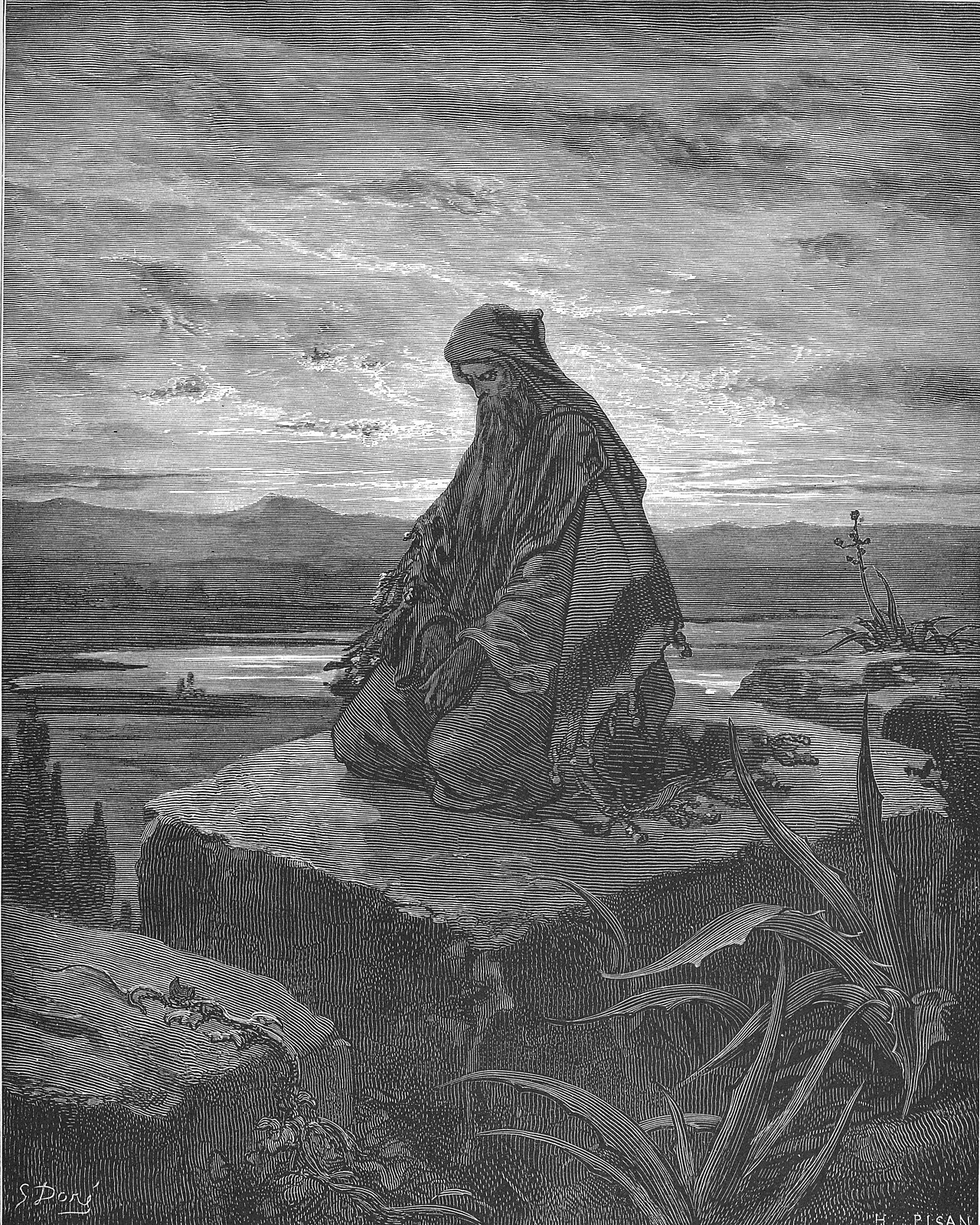
This page draws on Albert Barnes, Notes on the Book of Isaiah; Albert Barnes, Notes, Explanatory and Practical, on the Old and New Testaments (1832-1869); Jerome, Commentary on Isaiah; John Calvin, Commentary on the Book of the Prophet Isaiah and Matthew Henry, Commentary on the Whole Bible.