
Deuteronomy 25:14
in Deuteronomy 25You shall not have two differing measures in your house, one large and one small.
BSB
The same verse in ASV and KJV ▾
ASV
Thou shalt not have in thy house diverse measures, a great and a small.
KJV
Thou shalt not have in thine house divers measures, a great and a small.
⋯
This verse in Deuteronomy 25
Commentary
5 notes on this verseDivers measures - Literally, an ephah and an ephah; one large, to buy thy neighbor’s wares, another small, to sell thy own by. So there were knaves in all ages, and among all nations. See the notes on Exo 16:16, and Lev 19:35 (note).
This site's exposition
When men strive together
on Deuteronomy 25:11-16
The hand cut off at verse 12 is the one mutilation the law of Moses prescribes on its own account, beside the like for like of Leviticus 24:19-20, and the formula thine eye shall not pity is the one this book keeps for cases it will not let a judge soften, at 13:8 and 19:13 and 19:21. The weights follow, a stone and a stone in the Hebrew, a heavy one to buy with and a light one to sell by. Leviticus 19:35-36 had already required just balances, and the prophets keep coming back to them at Amos 8:5 and Micah 6:10-11. The promise attached to honest scales is length of days in the land, which is the promise attached to honouring father and mother at Exodus 20:12.
The record, by era
The Puritans and the Awakening2 voices
Thou shall not have in thine house divers, measures,.... Or, "an ephah and an ephah"; which was one sort of measure in use with the Jews, and held above a bushel; and is put for all others, which should be alike, and not a great and a small; one to buy with, and another to sell by, as before observed; which would be to cheat both seller and buyer in their turns; see Amo 8:5.
They must not have a great weight and measure to buy by and a small one to sell by, for that was to cheat both ways, when either was bad enough; as we read of those that made the ephah small, in which they measured the corn they sold, and the shekel great, by which they weighed the money they received for it, Amos viii.
The Nineteenth Century1 voice
A commentator
Jamieson, Fausset & Brown1802–1910
Commentary Critical and Explanatory on the Whole Bible (1871)
Thou shalt not have . . . divers weights--Weights were anciently made of stone and are frequently used still by Eastern shopkeepers and traders, who take them out of the bag and put them in the balance. The man who is not cheated by the trader and his bag of divers weights must be blessed with more acuteness than most of his fellows [ROBERTS].
The words behind it
8 Hebrew wordsEvery Hebrew word of this verse in the order it stands, with what it means and the door to its own study. The last column counts the times a word stands in the whole Bible: the rarer the word, the more the places it appears belong together.
| Hebrew | Sound | Meaning | Word study | In the Bible |
|---|---|---|---|---|
| לֹא־ | lo'- | not | H3808 → | 5168 times |
| יִהְיֶ֥ה | yihyeh | it will belong | H1961 → | 3559 times |
| לְךָ֛ | lekha | to <the> you | ||
| בְּבֵיתְךָ֖ | beveitekha | in house your | H1004 → | 2046 times |
| אֵיפָ֣ה | ʾeifah | a measure | H374 → | 40 times |
| וְאֵיפָ֑ה | veeifah | and a measure | H374 → | 40 times |
| גְּדוֹלָ֖ה | gedolah | large | H1419 → | 526 times |
| וּקְטַנָּֽה׃ | uketanah | and small | H6996 → | 101 times |
לֹא־not
lo'-H3808 →5168 times
יִהְיֶ֥הit will belong
yihyehH1961 →3559 times
לְךָ֛to <the> you
lekha
בְּבֵיתְךָ֖in house your
beveitekhaH1004 →2046 times
אֵיפָ֣הa measure
ʾeifahH374 →40 times
וְאֵיפָ֑הand a measure
veeifahH374 →40 times
גְּדוֹלָ֖הlarge
gedolahH1419 →526 times
וּקְטַנָּֽה׃and small
uketanahH6996 →101 times
A shaded row is a word that stands 400 times or fewer in the Bible.
Where this verse is studied
On this page
About Deuteronomy
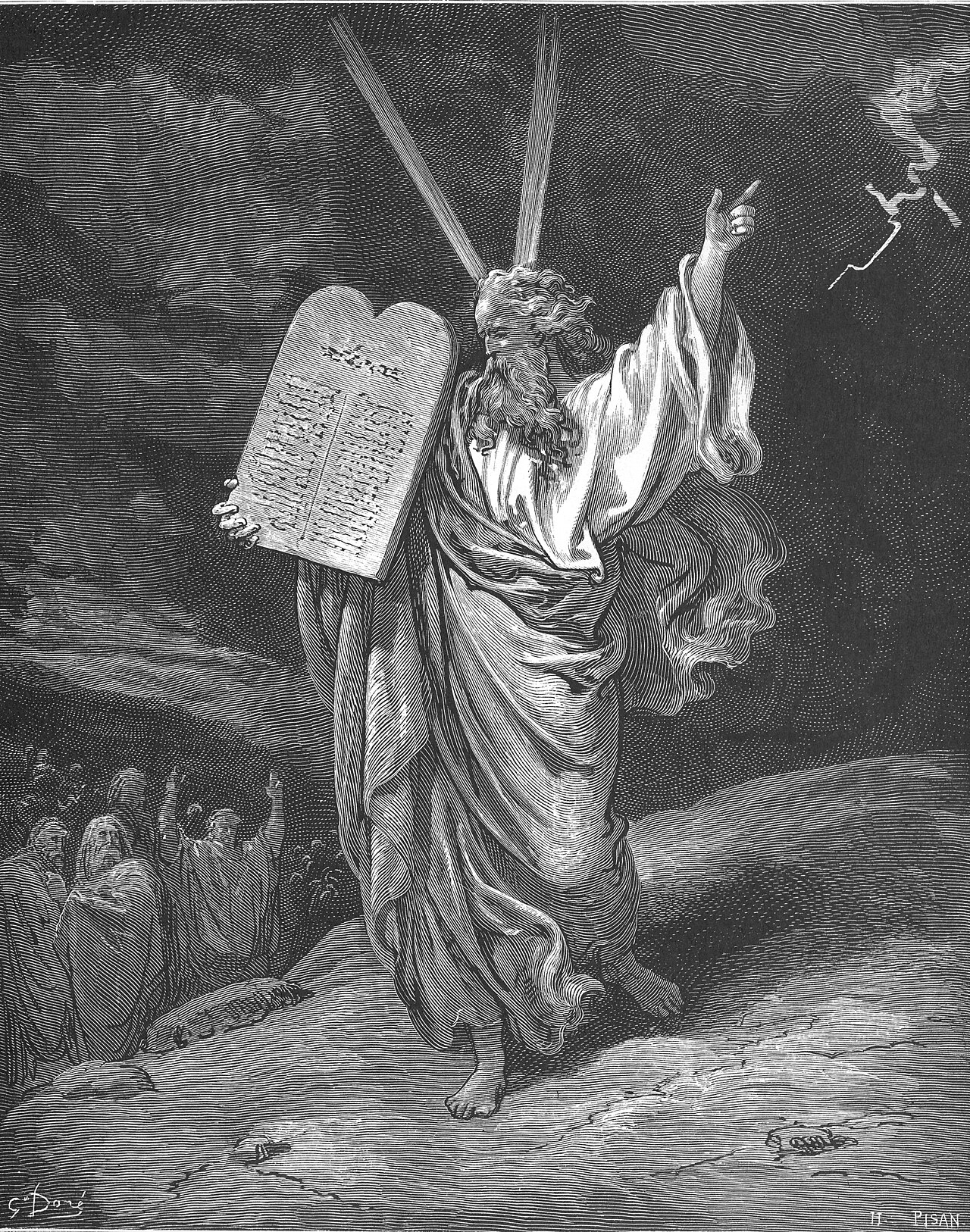
This page draws on Adam Clarke, Commentary on the Bible; Albert Barnes, Notes on the Old Testament; Jamieson, Fausset & Brown, Commentary Critical and Explanatory on the Whole Bible; John Gill, Exposition of the Old Testament; John Gill, Exposition of the Old Testament (1748-1763) and Matthew Henry, Commentary on the Whole Bible.