
Amos 8:12
in Amos 8People will stagger from sea to sea and roam from north to east, seeking the word of the LORD, but they will not find it.
BSB
The same verse in ASV and KJV ▾
ASV
And they shall wander from sea to sea, and from the north even to the east; they shall run to and fro to seek the word of Jehovah, and shall not find it.
KJV
And they shall wander from sea to sea, and from the north even to the east, they shall run to and fro to seek the word of the Lord, and shall not find it.
⋯
This verse in Amos 8
Commentary
8 notes on this verseThey shall wander front sea to sea - From the Mediterranean to the Dead Sea or from west to east, and from north to south, to seek the word of the Lord; to find a prophet, or any person authorized by God to show them the end of their calamities. In this state they shall continue, because they have rejected Him who is the bread of life.
This site's exposition
a famine in the land
on Amos 8:11-12
Verified in the Twelve patterns brief as one of the chapter's keep-hard verses: a famine in the land, not a famine of bread, nor a thirst for water, but of hearing the words of the Lord, the worst deprivation the book names because it removes the very means of repentance the earlier visions still offered. The bench reads the wandering from sea to sea, and from the north even to the east seeking the word and not finding it as prophecy itself withdrawn, the door Amaziah tried to shut in chapter 7 now shut by the Lord's own hand and for a reason no petition can reverse.
The record, by era
The Church Fathers1 voice
(Verse 11, 12) Behold, the days are coming, says the Lord, when I will send forth (Vulgate: send) a famine upon the land: not a famine of bread, nor a thirst for water, but of hearing the word of the Lord. And they shall wander from sea to sea, and from the north even to the east, they shall run to and fro to seek the word of the Lord, and shall not find it. In that day, the fair virgins and young men shall faint for thirst.
The Puritans and the Awakening3 voices
); yet for this, which is the most mournful judgment of all, they are not here brought in mourning. The Vision of Summer Fruit. 1 Thus hath the Lord G OD shewed unto me: and behold a basket of summer fruit.
quarantine:debris (2026-07-29) — leading-punctuation+unbalanced-parens
Many never know the worth of mercies till they feel the want of them. Or it may be meant thus, Though they should thus wander from sea to sea, in quest of the word of God, yet shall they not find it. Note, The means of grace are moveable things; and the candlestick, when we think it stands most firmly, may be removed out of its place ( Rev. ii.
quarantine:debris (2026-07-29) — unbalanced-parens
And they shall wander from sea to sea,....
The Nineteenth Century1 voice
A commentator
Jamieson, Fausset & Brown1802–1910
Commentary Critical and Explanatory on the Whole Bible (1871)
The circuit is traced as in Nu 34:3, &c., except that the south is omitted. Their "seeking the word of the Lord" would not be from a sincere desire to obey God, but under the pressure of punishment.
1 more voice on this verse
The Nineteenth Century1 voice
A commentator
Albert Barnes1798–1870
Notes, Explanatory and Practical, on the Old and New Testaments (1832-1869)
proposed
They shall wander - Literally, “reel.” The word is used of the reeling of drunkards, of the swaying to and fro of trees in the wind, of the quivering of the lips of one agitated, and then of the unsteady seeking of persons bewildered, looking for what they know not where to find. “From sea to sea,” from the sea of Galilee to the Mediterranean, that is, from east to west, “and from the north even to the sunrising,” round again to the east, from where their search had begun, where light should be, and was not. It may be, that Amos refers to the description of the land by Moses, adapting it to the then separate condition of Ephraim, “your south border shall be from the extremity of the Salt Sea (Dead Sea) eastward - and the goings out of it shall be at the sea, and for the western border ye shall have the great sea for a border. And this shall be your north border - and the border shall descend and shall reach to the side of the sea of Chinnereth eastward” Num 34:3-12. Amos does not mention “the south,” because “there” alone, where they might have found, where the true worship of God was, they did not seek. Had they sought God in Judah, instead of seeking to aggrandize themselves by its subdual, Tiglath-pileser would probably never have come against them. One expedition only in the seventeen years of his reign was directed westward , and that was at the petition of Ahaz. The principle of God’s dealings, that, in certain conditions of a sinful people, He will withdraw His word, is instanced in Israel, not limited to it. […]
The words behind it
14 Hebrew wordsEvery Hebrew word of this verse in the order it stands, with what it means and the door to its own study. The last column counts the times a word stands in the whole Bible: the rarer the word, the more the places it appears belong together.
| Hebrew | Sound | Meaning | Word study | In the Bible |
|---|---|---|---|---|
| וְנָעוּ֙ | venau | and people will stagger | H5128 → | 40 times |
| מִיָּ֣ם | miyam | from sea | H3220 → | 396 times |
| עַד־ | ʾad- | to | H5704 → | 1261 times |
| יָ֔ם | yam | sea | H3220 → | 396 times |
| וּמִצָּפ֖וֹן | umitzafon | and from [the] north | H6828 → | |
| וְעַד־ | vead- | and to | H5704 → | 1261 times |
| מִזְרָ֑ח | mizrach | [the] east | H4217 → | |
| יְשֽׁוֹטְט֛וּ | yeshotu | they will rove about | H7751 → | |
| לְבַקֵּ֥שׁ | levakesh | to seek | H1245 → | |
| אֶת־ | ʾet- | <obj.> | H853 → | 10935 times |
| דְּבַר־ | devar- | [the] word of | H1697 → | 1440 times |
| יְהוָ֖ה | yahweh | Yahweh | H3068 → | 6520 times |
| וְלֹ֥א | velo' | and not | H3808 → | 5168 times |
| יִמְצָֽאוּ׃ | yimtzau | they will find [it] | H4672 → |
וְנָעוּ֙and people will stagger
venauH5128 →40 times
מִיָּ֣םfrom sea
miyamH3220 →396 times
עַד־to
ʾad-H5704 →1261 times
יָ֔םsea
yamH3220 →396 times
וּמִצָּפ֖וֹןand from [the] north
umitzafonH6828 →
וְעַד־and to
vead-H5704 →1261 times
מִזְרָ֑ח[the] east
mizrachH4217 →
יְשֽׁוֹטְט֛וּthey will rove about
yeshotuH7751 →
לְבַקֵּ֥שׁto seek
levakeshH1245 →
אֶת־<obj.>
ʾet-H853 →10935 times
דְּבַר־[the] word of
devar-H1697 →1440 times
יְהוָ֖הYahweh
yahwehH3068 →6520 times
וְלֹ֥אand not
velo'H3808 →5168 times
יִמְצָֽאוּ׃they will find [it]
yimtzauH4672 →
A shaded row is a word that stands 400 times or fewer in the Bible.
The walk
8 stopsEach card is a verse this one points to, and under it the verses that one points to in turn. Where several paths arrive at the same place, that place is listed first: the text keeps returning to it.
Through
Matthew 12:30He who is not with Me is against Me, and he who does not gather with Me scatters.
it leads to
- Mark 9:40
For whoever is not against us is for us.
- Luke 11:23
He who is not with Me is against Me, and he who does not gather with Me scatters.
- Joshua 24:15
But if it is unpleasing in your sight to serve the LORD, then choose for yourselves this day whom you will serve, whether the gods your fathers served beyond the Euphrates, or the gods…
- Luke 9:50
“Do not stop him,” Jesus replied, “for whoever is not against you is for you.”
- 1 John 2:19
They went out from us, but they did not belong to us. For if they had belonged to us, they would have remained with us. But their departure made it clear that none of…
- Mark 9:40
Through
Daniel 12:4But you, Daniel, shut up these words and seal the book until the time of the end. Many will roam to and fro, and knowledge will increase.”
it leads to
- Daniel 12:9
“Go on your way, Daniel,” he replied, “for the words are closed up and sealed until the time of the end.
- Revelation 22:10
Then he told me, “Do not seal up the words of prophecy in this book, because the time is near.
- Daniel 8:26
The vision of the evenings and the mornings that has been spoken is true. Now you must seal up the vision, for it concerns the distant future.”
- Daniel 12:9
Where this verse is studied
On this page
About Amos
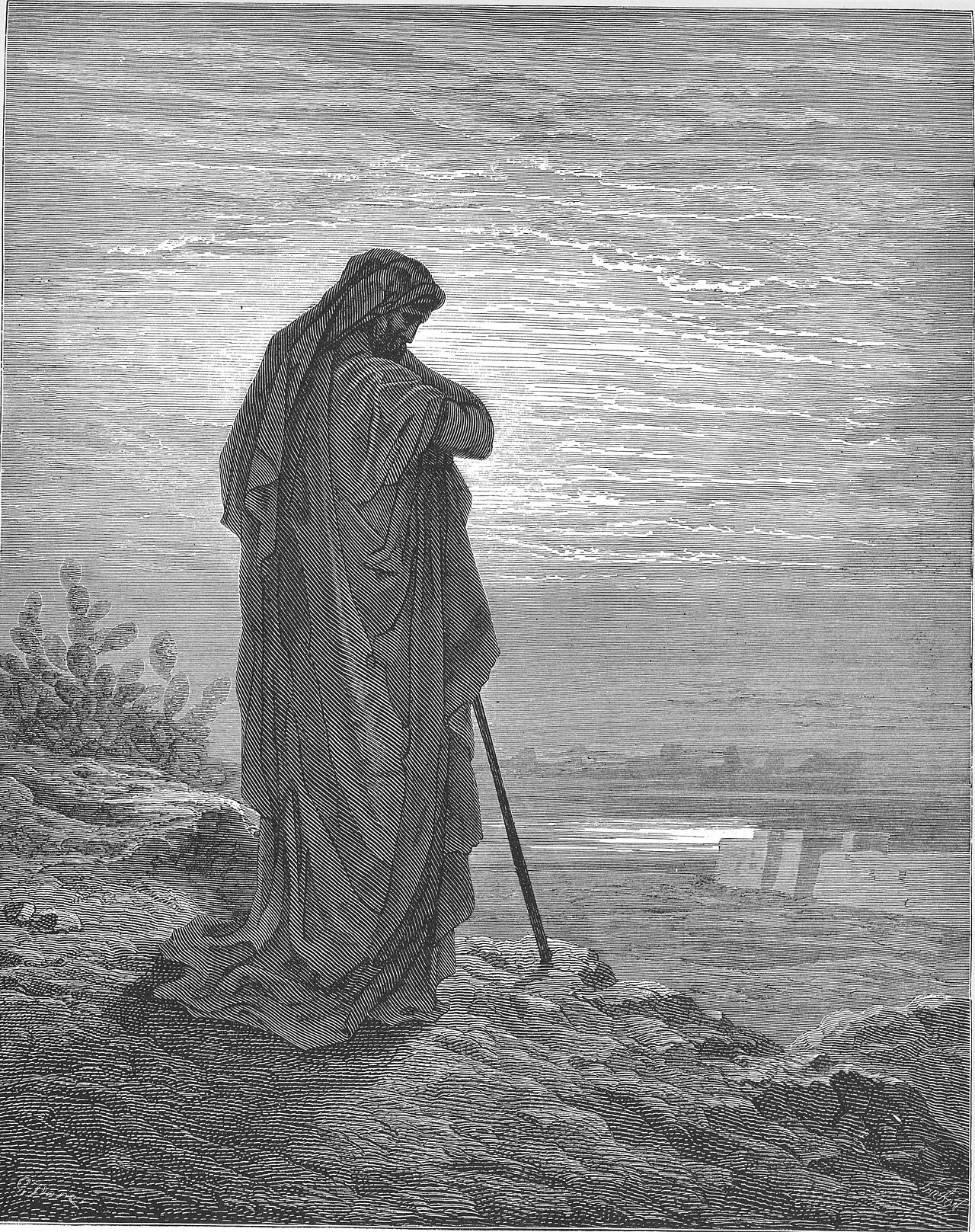
This page draws on Adam Clarke, Commentary on the Bible; Albert Barnes, Notes, Explanatory and Practical, on the Old and New Testaments (1832-1869); Carl Friedrich Keil, The Twelve Minor Prophets; Jamieson, Fausset & Brown, Commentary Critical and Explanatory on the Whole Bible; Jerome, Commentary on Amos; John Gill, Exposition of the Old Testament (1748-1763) and Matthew Henry, Commentary on the Whole Bible.