
2 Chronicles 20:29
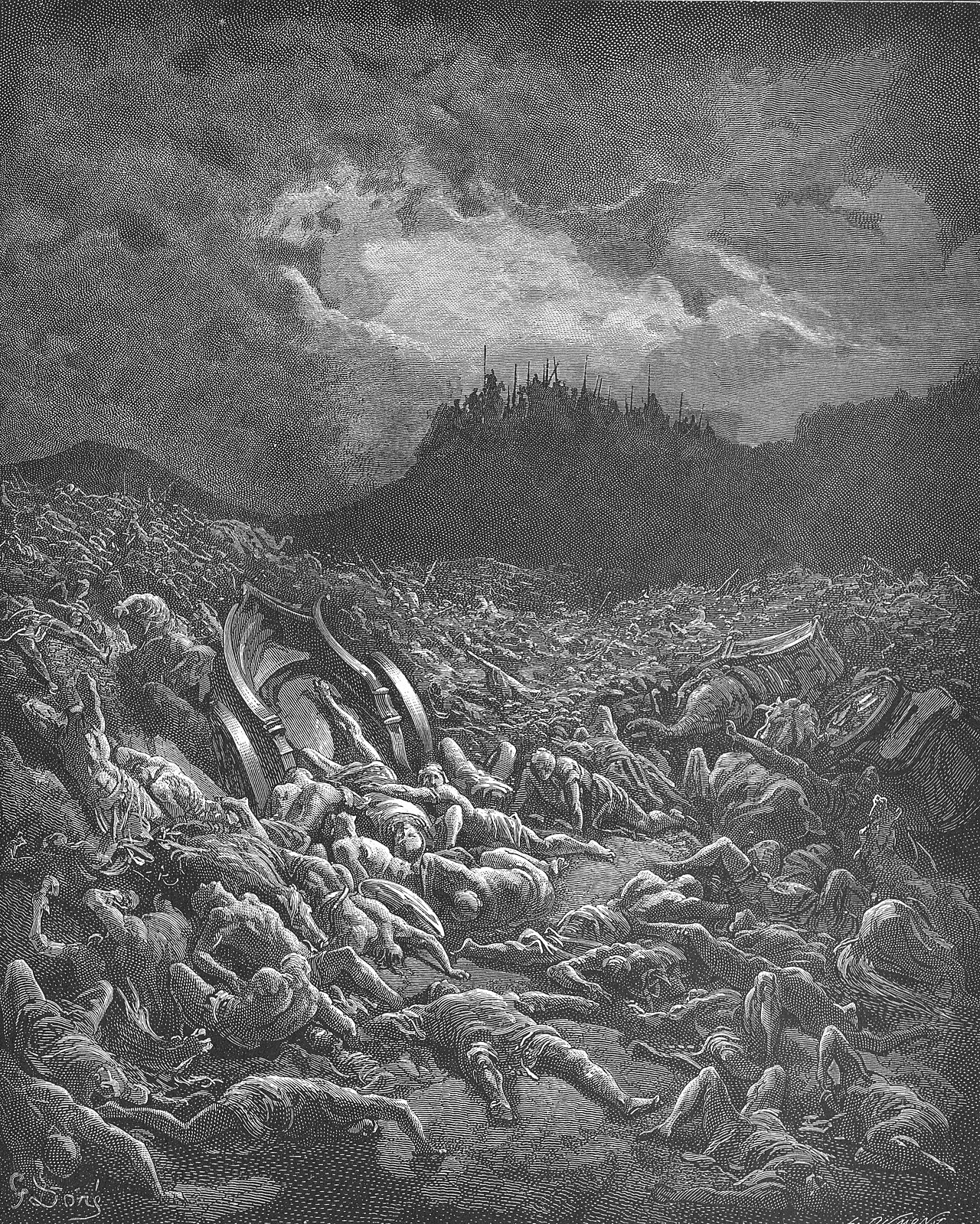
in 2 Chronicles 20And the fear of God came upon all the kingdoms of the lands when they heard that the LORD had fought against the enemies of Israel.
BSB
The same verse in ASV and KJV ▾
ASV
And the fear of God was on all the kingdoms of the countries, when they heard that Jehovah fought against the enemies of Israel.
KJV
And the fear of God was on all the kingdoms of those countries, when they had heard that the Lord fought against the enemies of Israel.
⋯
This verse in 2 Chronicles 20
Commentary
4 notes on this verseAnd the fear of God was on all the kingdoms of these countries,.... Whose armies were slain, and all other neighbouring ones; for the word these is supplied: when they had heard that the Lord fought against the enemies of Israel; and they were afraid to invade their land, or make war with them; nor did the Edomites dare to revolt in the times of Jehoshaphat.
This site's exposition
Jehoshaphat in the forefront of them
on 2 Chronicles 20:27-30
The return is a procession, psalteries, harps and trumpets to the house of the LORD, the war ending where it began, in the sanctuary. The fear of God falls on all the kingdoms round about when they hear that the LORD fought against the enemies of Israel, and the reign closes into quiet: his God gave him rest round about. Rest as the fruit of a battle fought by singing is the Chronicler's whole argument in one reign.
The record, by era
The Puritans and the Awakening1 voice
When they heard that God fought thus for Israel, they could not but say, There is none like unto the God of Jeshurun, and Happy art thou, O Israel! It begat in the neighbours a reverence of God and a cautious fear of doing any injury to his people. It is dangerous fighting against those who have God with them.
The Nineteenth Century1 voice
The Lord fought - “The Word of the Lord made war against the enemies of Israel.” - Targum.
The words behind it
14 Hebrew wordsEvery Hebrew word of this verse in the order it stands, with what it means and the door to its own study. The last column counts the times a word stands in the whole Bible: the rarer the word, the more the places it appears belong together.
| Hebrew | Sound | Meaning | Word study | In the Bible |
|---|---|---|---|---|
| וַיְהִי֙ | vayhi | and it was | H1961 → | 3559 times |
| פַּ֣חַד | pachad | [the] dread of | H6343 → | 49 times |
| אֱלֹהִ֔ים | ʾelohim | God | H430 → | 2601 times |
| עַ֖ל | ʾal | on | H5921 → | 5755 times |
| כָּל־ | kol- | all | H3605 → | 5413 times |
| מַמְלְכ֣וֹת | mamlekhot | [the] kingdoms of | H4467 → | 117 times |
| הָאֲרָצ֑וֹת | haaratzot | the lands | H776 → | 2504 times |
| בְּשָׁמְעָ֕ם | beshameam | when heard they | H8085 → | 1159 times |
| כִּ֚י | ki | that | H3588 → | 4482 times |
| נִלְחַ֣ם | nilcham | he had fought | H3898 → | 177 times |
| יְהוָ֔ה | yahweh | Yahweh | H3068 → | 6520 times |
| עִ֖ם | ʾim | with | H5973 → | 1050 times |
| אוֹיְבֵ֥י | ʾoyvei | [the] enemies of | H341 → | 282 times |
| יִשְׂרָאֵֽל׃ | yisrael | Israel | H3478 → | 2507 times |
וַיְהִי֙and it was
vayhiH1961 →3559 times
פַּ֣חַד[the] dread of
pachadH6343 →49 times
אֱלֹהִ֔יםGod
ʾelohimH430 →2601 times
עַ֖לon
ʾalH5921 →5755 times
כָּל־all
kol-H3605 →5413 times
מַמְלְכ֣וֹת[the] kingdoms of
mamlekhotH4467 →117 times
הָאֲרָצ֑וֹתthe lands
haaratzotH776 →2504 times
בְּשָׁמְעָ֕םwhen heard they
beshameamH8085 →1159 times
כִּ֚יthat
kiH3588 →4482 times
נִלְחַ֣םhe had fought
nilchamH3898 →177 times
יְהוָ֔הYahweh
yahwehH3068 →6520 times
עִ֖םwith
ʾimH5973 →1050 times
אוֹיְבֵ֥י[the] enemies of
ʾoyveiH341 →282 times
יִשְׂרָאֵֽל׃Israel
yisraelH3478 →2507 times
A shaded row is a word that stands 400 times or fewer in the Bible.
The walk
8 stopsEach card is a verse this one points to, and under it the verses that one points to in turn. Where several paths arrive at the same place, that place is listed first: the text keeps returning to it.
Through
Exodus 23:27I will send My terror ahead of you and throw into confusion every nation you encounter. I will make all your enemies turn and run.
it leads to
- Genesis 35:5
As they set out, a terror from God fell over the surrounding cities, so that they did not pursue Jacob’s sons.
Reached by 2 separate paths from here.
- Deuteronomy 2:25
This very day I will begin to put the dread and fear of you upon all the nations under heaven. They will hear the reports of you and tremble in anguish because of you.”
- Deuteronomy 11:25
No man will be able to stand against you; the LORD your God will put the fear and dread of you upon all the land, wherever you set foot, as He has promised you.
- Deuteronomy 7:23
But the LORD your God will give them over to you and throw them into great confusion, until they are destroyed.
- Psalms 18:40
You have made my enemies retreat before me; I put an end to those who hated me.
- Genesis 35:5
Through
2 Chronicles 14:14and attacked all the cities around Gerar, because the terror of the LORD had fallen upon them. They plundered all the cities, since there was much plunder there.
it leads to
- 2 Chronicles 17:10
And the dread of the LORD fell upon all the kingdoms of the lands that surrounded Judah, so that they did not make war against Jehoshaphat.
Reached by 2 separate paths from here.
- 2 Chronicles 17:10
Through
2 Kings 7:6For the Lord had caused the Arameans to hear the sound of chariots, horses, and a great army, so that they said to one another, “Look, the king of Israel must have hired the…
it leads to
- 2 Samuel 5:24
As soon as you hear the sound of marching in the tops of the balsam trees, move quickly, because this will mean that the LORD has marched out before you to strike the camp…
- 2 Samuel 5:24
Through
Genesis 35:5As they set out, a terror from God fell over the surrounding cities, so that they did not pursue Jacob’s sons.
it leads to
- Exodus 23:27
I will send My terror ahead of you and throw into confusion every nation you encounter. I will make all your enemies turn and run.
- Exodus 23:27
About 2 Chronicles
This page draws on Adam Clarke, Commentary on the Bible; John Gill, Exposition of the Old Testament (1748-1763); Keil, The Books of the Chronicles and Matthew Henry, Commentary on the Whole Bible.