
Numbers 19:14
in Numbers 19This is the law when a person dies in a tent: Everyone who enters the tent and everyone already in the tent will be unclean for seven days,
BSB
The same verse in ASV and KJV ▾
ASV
This is the law when a man dieth in a tent: every one that cometh into the tent, and every one that is in the tent, shall be unclean seven days.
KJV
This is the law, when a man dieth in a tent: all that come into the tent, and all that is in the tent, shall be unclean seven days.
⋯
This verse in Numbers 19
Commentary
6 notes on this verseA commentator
Jamieson, Fausset & Brown1802–1910
Commentary Critical and Explanatory on the Whole Bible (1871)
To afford the necessary supply of the cleansing mixture, the Jewish writers say that a red heifer was sacrificed every year, and that the ashes, mingled with the sprinkling ingredients, were distributed through all the cities and towns of Israel.
This site's exposition
fails to purify himself defiles the tabernacle of the LORD
on Numbers 19:13-14
The man who leaves himself unpurified defiles the tabernacle of the LORD without going near it, and must be cut off from Israel for the omission alone. Verse 14 widens the defilement to a whole tent where someone dies. A priest who touched a corpse was barred from service, which is why readers of Luke 10:31-32 set this law beside the two men who pass by.
This site's exposition
when a person dies in a tent
Here uncleanness passes by sharing a roof with the dead. The Mishnah gives a whole tractate, Oholot or Tents, to working out this verse. Albert Barnes grounds the law in Genesis 2:17, where death enters as the result of sin and so breaks the living bond between God and his people.
The record, by era
The Puritans and the Awakening3 voices
This is the law when a man dieth in a tent,....
Then, and then only, we may with comfort apply Christ's merit to our souls, when we have forsaken sin, and cease all fellowship with the unfruitful works of death and darkness. The repetition of the sprinkling teaches us often to renew the actings of repentance and faith, wash as Naaman, seven times; we need to do that often which is so necessary to be well done.
As the ashes of the heifer signified the merit of Christ, so the running water signified the power and grace of the blessed Spirit, who is compared to rivers of living water; and it is by his operation that the righteousness of Christ is applied to us for our cleansing.
The words behind it
16 Hebrew wordsEvery Hebrew word of this verse in the order it stands, with what it means and the door to its own study. The last column counts the times a word stands in the whole Bible: the rarer the word, the more the places it appears belong together.
| Hebrew | Sound | Meaning | Word study | In the Bible |
|---|---|---|---|---|
| זֹ֚את | zot | this | H2063 → | 603 times |
| הַתּוֹרָ֔ה | hatorah | [is] the law | H8451 → | 219 times |
| אָדָ֖ם | ʾadam | anyone | H120 → | 551 times |
| כִּֽי־ | ki- | if | H3588 → | 4482 times |
| יָמ֣וּת | yamut | he will die | H4191 → | 839 times |
| בְּאֹ֑הֶל | beohel | in a tent | H168 → | 345 times |
| כָּל־ | kol- | every | H3605 → | 5413 times |
| הַבָּ֤א | haba' | <the> [one who] goes | H935 → | 2568 times |
| אֶל־ | ʾel- | into | H413 → | 5510 times |
| הָאֹ֙הֶל֙ | haohel | the tent | H168 → | 345 times |
| וְכָל־ | vekhol | and every | H3605 → | 5413 times |
| אֲשֶׁ֣ר | ʾasher | [one] who | H834 → | 5497 times |
| בָּאֹ֔הֶל | baohel | [is] in the tent | H168 → | 345 times |
| יִטְמָ֖א | yitma' | he will be unclean | H2930 → | 162 times |
| שִׁבְעַ֥ת | shivat | seven | H7651 → | 394 times |
| יָמִֽים׃ | yamim | days | H3117 → | 2304 times |
זֹ֚אתthis
zotH2063 →603 times
הַתּוֹרָ֔ה[is] the law
hatorahH8451 →219 times
אָדָ֖םanyone
ʾadamH120 →551 times
כִּֽי־if
ki-H3588 →4482 times
יָמ֣וּתhe will die
yamutH4191 →839 times
בְּאֹ֑הֶלin a tent
beohelH168 →345 times
כָּל־every
kol-H3605 →5413 times
הַבָּ֤א<the> [one who] goes
haba'H935 →2568 times
אֶל־into
ʾel-H413 →5510 times
הָאֹ֙הֶל֙the tent
haohelH168 →345 times
וְכָל־and every
vekholH3605 →5413 times
אֲשֶׁ֣ר[one] who
ʾasherH834 →5497 times
בָּאֹ֔הֶל[is] in the tent
baohelH168 →345 times
יִטְמָ֖אhe will be unclean
yitma'H2930 →162 times
שִׁבְעַ֥תseven
shivatH7651 →394 times
יָמִֽים׃days
yamimH3117 →2304 times
A shaded row is a word that stands 400 times or fewer in the Bible.
Where this verse is studied
On this page
Studies2
About Numbers
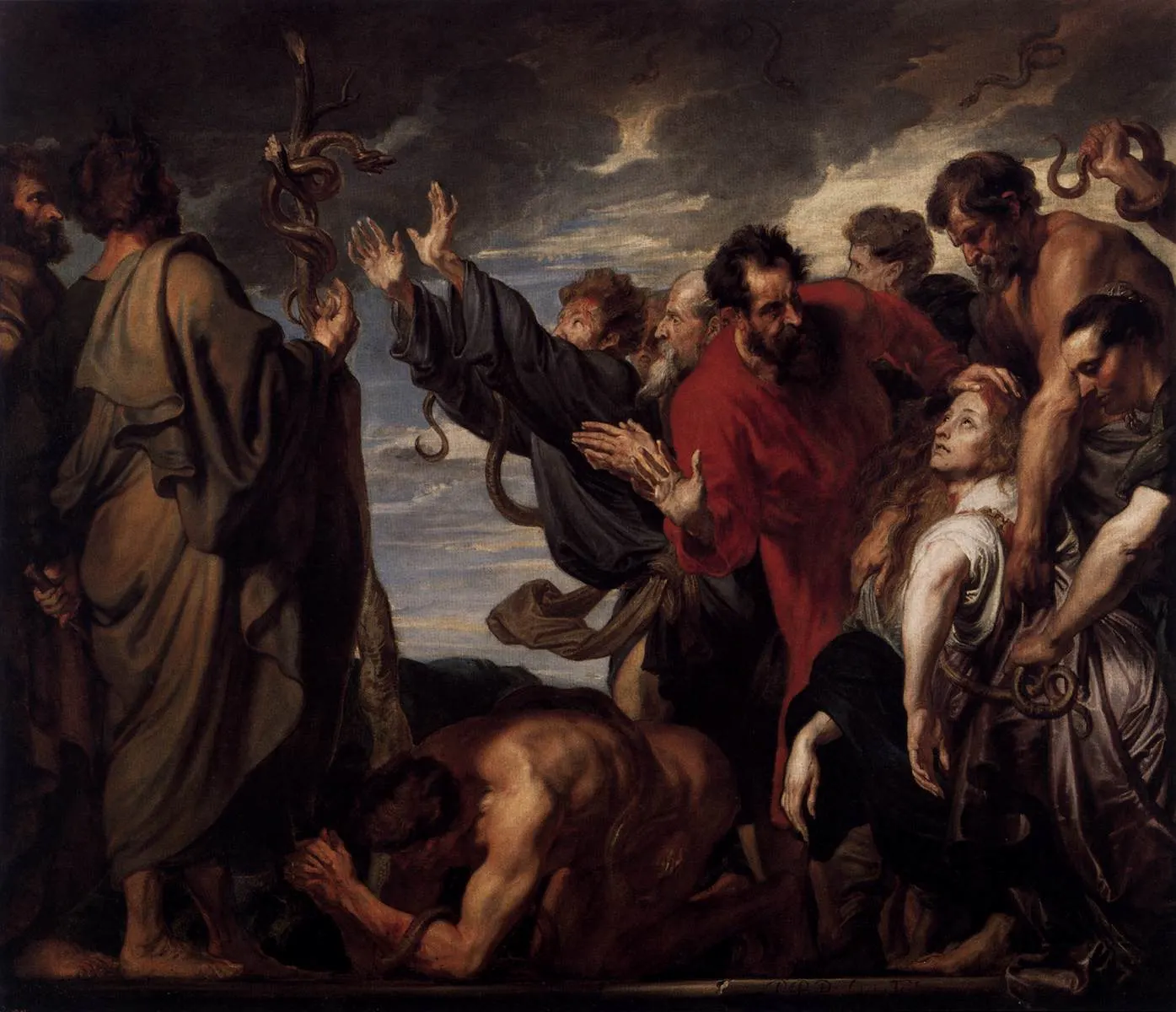
This page draws on Albert Barnes, Notes, Explanatory and Practical, on the Old and New Testaments (1832-1869); Jamieson, Fausset & Brown, Commentary Critical and Explanatory on the Whole Bible; John Gill, Exposition of the Old Testament; John Gill, Exposition of the Old Testament (1748-1763) and Matthew Henry, Commentary on the Whole Bible.