
Leviticus 17:4
in Leviticus 17instead of bringing it to the entrance to the Tent of Meeting to present it as an offering to the LORD before His tabernacle—that man shall incur bloodguilt. He has shed blood and must be cut off from among his people.
BSB
The same verse in ASV and KJV ▾
ASV
and hath not brought it unto the door of the tent of meeting, to offer it as an oblation unto Jehovah before the tabernacle of Jehovah: blood shall be imputed unto that man; he hath shed blood; and that man shall be cut off from among his people:
KJV
And bringeth it not unto the door of the tabernacle of the congregation, to offer an offering unto the Lord before the tabernacle of the Lord; blood shall be imputed unto that man; he hath shed blood; and that man shall be cut off from among his people:
⋯
This verse in Leviticus 17
Commentary
6 notes on this verseHe hath shed blood - He shall be punished as a murderer. The reason is, because he shed that blood, which, though not man's blood, yet was precious, being sacred and appropriated to God, and typically the price by which men's lives were ransomed.
This site's exposition
killeth an ox, or lamb, or goat
on Leviticus 17:3-4
Every ox, lamb and goat killed in the camp or outside it has to come to the door of the tabernacle, and the man who kills one anywhere else has blood imputed to him. He hath shed blood is the language Genesis 9:6 uses of murder, so the life of the animal is held to belong to God and taking it privately is charged as a crime against him. Deuteronomy 12:15 and 12:20-24 later allow slaughter for food far from the sanctuary, which named commentators read as the release of a rule fitted to a nation camped around one tent.
The record, by era
The Puritans and the Awakening3 voices
) as to favour this opinion, for it speaks generally of killing any ox, or lamb, or goat. The learned Dr. Cudworth puts this sense upon it, and thinks that while they had their tabernacle so near them in the midst of their camp they ate no flesh but what had first been offered to God, but that when they were entering Canaan this constitution was altered ( Deut. xii.
quarantine:debris (2026-07-29) — leading-punctuation
And bringeth it not unto the door of the tabernacle of the congregation,....
We have now no temple nor altar that sanctifies the gift, nor does the gospel unity lie in one place, but in one heart, and the unity of the spirit. Christ is our altar, and the true tabernacle ( Heb. viii. 10 ); in him God dwells among us, and it is in him that our sacrifices are acceptable to God, and in him only, 1 Pet. ii.
The Nineteenth Century1 voice
And bringeth it not unto the door - As sacrifice was ever deemed essential to true religion, it was necessary that it should be performed in such a way as to secure the great purpose of its institution. God alone could show how this should be done so as to be pleasing in his sight, and therefore he has given the most plain and particular directions concerning it.
The words behind it
23 Hebrew wordsEvery Hebrew word of this verse in the order it stands, with what it means and the door to its own study. The last column counts the times a word stands in the whole Bible: the rarer the word, the more the places it appears belong together.
| Hebrew | Sound | Meaning | Word study | In the Bible |
|---|---|---|---|---|
| וְאֶל־ | veel- | and to | H413 → | 5510 times |
| פֶּ֜תַח | petach | [the] entrance of | H6607 → | 164 times |
| אֹ֣הֶל | ʾohel | [the] tent of | H168 → | 345 times |
| מוֹעֵד֮ | moed | meeting | H4150 → | 223 times |
| לֹ֣א | lo' | not | H3808 → | 5168 times |
| הֱבִיאוֹ֒ | hevio | he has brought it | H935 → | 2568 times |
| לְהַקְרִ֤יב | lehakriv | to present | H7126 → | 280 times |
| קָרְבָּן֙ | korban | a present | H7133 → | 82 times |
| לַֽיהוָ֔ה | layahweh | to Yahweh | H3068 → | 6520 times |
| לִפְנֵ֖י | lifnei | <to> before | H6440 → | 2123 times |
| מִשְׁכַּ֣ן | mishkan | [the] dwelling place of | H4908 → | 139 times |
| יְהוָ֑ה | yahweh | Yahweh | H3068 → | 6520 times |
| דָּ֣ם | dam | blood | H1818 → | 360 times |
| יֵחָשֵׁ֞ב | yechashev | it will be reckoned | H2803 → | 124 times |
| לָאִ֤ישׁ | laish | to the person | H376 → | 1663 times |
| הַהוּא֙ | hahu' | <the> that | H1931 → | 1879 times |
| דָּ֣ם | dam | blood | H1818 → | 360 times |
| שָׁפָ֔ךְ | shafakh | he has shed | H8210 → | 114 times |
| וְנִכְרַ֛ת | venikhrat | and he will be cut off | H3772 → | 288 times |
| הָאִ֥ישׁ | haish | the person | H376 → | 1663 times |
| הַה֖וּא | hahu' | <the> that | H1931 → | 1879 times |
| מִקֶּ֥רֶב | mikerev | from among | H7130 → | 227 times |
| עַמּֽוֹ׃ | amo | people his | H5971 → | 1873 times |
וְאֶל־and to
veel-H413 →5510 times
פֶּ֜תַח[the] entrance of
petachH6607 →164 times
אֹ֣הֶל[the] tent of
ʾohelH168 →345 times
מוֹעֵד֮meeting
moedH4150 →223 times
לֹ֣אnot
lo'H3808 →5168 times
הֱבִיאוֹ֒he has brought it
hevioH935 →2568 times
לְהַקְרִ֤יבto present
lehakrivH7126 →280 times
קָרְבָּן֙a present
korbanH7133 →82 times
לַֽיהוָ֔הto Yahweh
layahwehH3068 →6520 times
לִפְנֵ֖י<to> before
lifneiH6440 →2123 times
מִשְׁכַּ֣ן[the] dwelling place of
mishkanH4908 →139 times
יְהוָ֑הYahweh
yahwehH3068 →6520 times
דָּ֣םblood
damH1818 →360 times
יֵחָשֵׁ֞בit will be reckoned
yechashevH2803 →124 times
לָאִ֤ישׁto the person
laishH376 →1663 times
הַהוּא֙<the> that
hahu'H1931 →1879 times
דָּ֣םblood
damH1818 →360 times
שָׁפָ֔ךְhe has shed
shafakhH8210 →114 times
וְנִכְרַ֛תand he will be cut off
venikhratH3772 →288 times
הָאִ֥ישׁthe person
haishH376 →1663 times
הַה֖וּא<the> that
hahu'H1931 →1879 times
מִקֶּ֥רֶבfrom among
mikerevH7130 →227 times
עַמּֽוֹ׃people his
amoH5971 →1873 times
A shaded row is a word that stands 400 times or fewer in the Bible.
The walk
7 stopsEach card is a verse this one points to, and under it the verses that one points to in turn. Where several paths arrive at the same place, that place is listed first: the text keeps returning to it.
Through
John 14:6Jesus answered, “I am the way and the truth and the life. No one comes to the Father except through Me.
it leads to
- John 10:9
I am the gate. If anyone enters through Me, he will be saved. He will come in and go out and find pasture.
Reached by 2 separate paths from here.
- Ephesians 2:18
For through Him we both have access to the Father by one Spirit.
Reached by 2 separate paths from here.
- Acts 4:12
Salvation exists in no one else, for there is no other name under heaven given to men by which we must be saved.”
- John 11:25–26
Jesus said to her, “I am the resurrection and the life. Whoever believes in Me will live, even though he dies.
- John 1:4
In Him was life, and that life was the light of men.
- John 10:9
Through
John 10:7So He said to them again, “Truly, truly, I tell you, I am the gate for the sheep.
it leads to
Where this verse is studied
About Leviticus
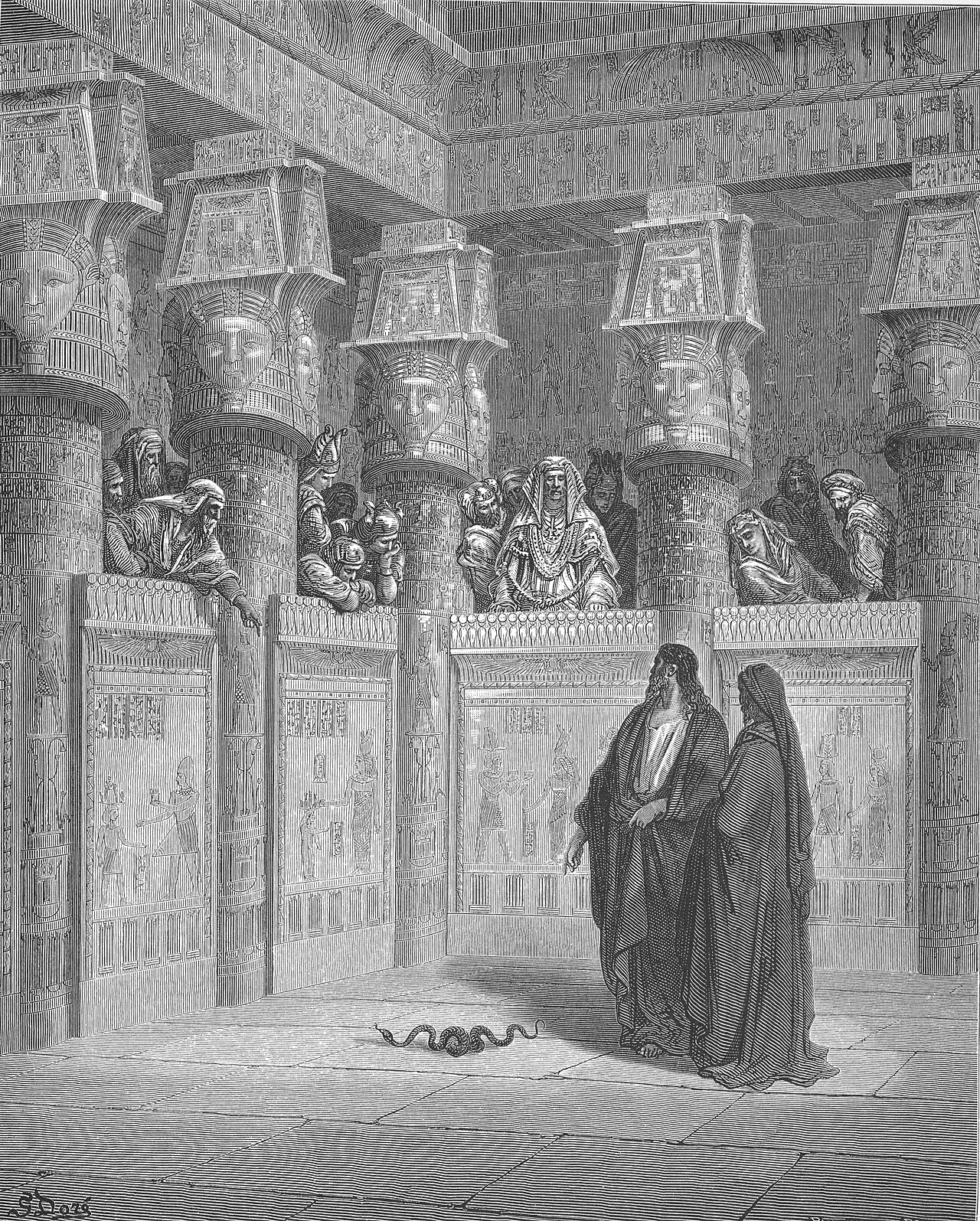
This page draws on Adam Clarke, Commentary on the Bible; John Gill, Exposition of the Old Testament (1748-1763); John Wesley, Explanatory Notes upon the Old Testament; Keil and Delitzsch, Biblical Commentary on the Old Testament: The Pentateuch and Matthew Henry, Commentary on the Whole Bible.