
Isaiah 56:3
in Isaiah 56Let no foreigner who has joined himself to the LORD say, “The LORD will utterly exclude me from His people.” And let the eunuch not say, “I am but a dry tree.”
BSB
The same verse in ASV and KJV ▾
ASV
Neither let the foreigner, that hath joined himself to Jehovah, speak, saying, Jehovah will surely separate me from his people; neither let the eunuch say, Behold, I am a dry tree.
KJV
Neither let the son of the stranger, that hath joined himself to the Lord, speak, saying, The Lord hath utterly separated me from his people: neither let the eunuch say, Behold, I am a dry tree.
⋯
This verse in Isaiah 56
Commentary
11 notes on this verseA commentator
Jamieson, Fausset & Brown1802–1910
Commentary Critical and Explanatory on the Whole Bible (1871)
This barrier between Jews and Gentiles was to be broken down (Eph 2:14-16). eunuch-- (Ac 8:27, &c.). Eunuchs were chamberlains over harems, or court ministers in general. dry tree--barren (compare Lu 23:31); not admissible into the congregation of Israel (De 23:1-3). Under the Gospel the eunuch and stranger should be released from religious and civil disabilities.
This site's exposition
Let no foreigner who has joined himself to the LORD say
on Isaiah 56:3-5
The foreigner and the eunuch are named together, both kept out by the old order, the eunuch by Deuteronomy 23:1. The eunuch who holds fast to the covenant is given “in My house and within My walls, a memorial and a name better than that of sons and daughters”. What he could not leave in a son the LORD supplies, and “I am but a dry tree” gives way to “an everlasting name that will not be cut off”.
The record, by era
The Church Fathers3 voices
(Verse 3.) And let not the son of the stranger, who adheres to the Lord, say, 'The Lord will surely separate me from His people.' And let not the eunuch say, 'Behold, I am a dry tree.' LXX: Neither let the foreigner, who is joined to the Lord, say, 'The Lord will surely separate me from His people.' And let not the eunuch say, 'I am a dry tree.' Those who understand this passage humbly refer it to proselytes from the nations and truly to eunuchs, as it is said that even strangers, if they receive the law of the Lord and are circumcised, and eunuchs, like the eunuch of Queen Candace (Acts 8), who could not even be idle on a journey, and while he was seeking an interpreter of the reading, found Christ whom he was seeking, may not be excluded from the salvation of God. But this, they say, is said against the Jews, who boast of the nobility of their lineage, and claim to be descendants of Abraham, and believe those to be blessed who have offspring in Zion and dwellers in Jerusalem (John VIII). But we, who were previously interpreted as thorns and thistles and κονύζη and στοιβὴν (Above, to chapter LV), we now understand to be turned into fir trees, cypresses, and myrtle trees, and the same people are being challenged in regard to the faith of the Gospel: which they should not despair of, as long as they adhere to the Lord; and they should not consider themselves separated from God's people. For all who have been baptized in Christ have clothed themselves with Christ (Galatians 3:27). There is neither Jew nor Greek, there is neither circumcision nor uncircumcision, barbarian, Scythian, slave, nor free, but Christ is all and in all (Colossians 3:11). And it is written in Deuteronomy: Rejoice, O Gentiles, with His people, that is, the God who had the prior people of the Jews (Deuteronomy 33:43). Those who come from the East and West will rest in the bosom of Abraham. […]
Those who please me are those who choose to be eunuchs voluntarily.… Who can receive this teaching, let him receive it. It is a matter of great faith and great virtue to be the purest kind of temple of God, in that one dedicates oneself completely to the Lord as a burnt offering and to be holy in body as well as spirit. Those are eunuchs who, thinking themselves to be "dry trees" because of their infertility, hear through Isaiah that instead of sons and daughters they will have a place prepared in heaven. Of this sort were Ebedmelech in Jeremiah and that eunuch of Queen Candace.
The stranger who comes before the Lord should not say, "The Lord will surely cut me off from his people." For it will not be because he is foreign in the sense of not having Israelite blood therefore that he will be without a share in the gifts from the Lord, the intimate and spiritual relationship with him. But if he clings to the Lord in his domestic affairs and his friendships, he will be made to belong in the holy people and to the royal priesthood and to the inheritance of God. He will be numbered among the children of Abraham. For not all from Israel are Israel as most-wise Paul said: not all the progeny are the seed of Abraham, but the children of the promise are reckoned as descendants.
The Medieval Church1 voice
Second, he sets out the universality of this utility: and let not the son of the stranger. And first, he excludes the desperation of some who seemed unworthy, either because of defect of race, because they were not of the race of Israel: that adheres …
The Puritans and the Awakening1 voice
The stranger - The stranger, the Gentile, who by birth is a stranger to God, that hath turned from dumb idols to the living God. The eunuch - Who is here joined with the stranger, because he was forbidden to enter into the congregation of the Lord, Deut. xxiii, 1.
4 more voices on this verse
The Puritans and the Awakening3 voices
(3.) They take hold of his covenant, and that is a thing that pleases God as much as any thing. The covenant of grace is proposed and proffered to us in the gospel; to take hold of it is to consent to it, to accept the offer and come up to the terms, deliberately and sincerely to take God to be to us a God and to give up ourselves to him to be to him a people.
. [4.] That they keep the sabbath from polluting it; for the stranger that is within thy gates is particularly required to do that. [5.] That they take hold of the covenant, that is, that they come under the bonds of it, and put in for the benefits of it.
quarantine:debris (2026-07-29) — leading-punctuation
Neither let the son of the stranger,....
The Nineteenth Century1 voice
A commentator
Albert Barnes1798–1870
Notes, Explanatory and Practical, on the Old and New Testaments (1832-1869)
proposed
Neither let the son of the stranger - The foreigner who shall become a proselyte to the true religion. That hath joined himself - That has embraced the true faith, and become a worshipper of the true God. It is evidently implied here that there would be such proselytes, and that the true religion would be extended so as to include and embrace them. The idea is, that they should be admitted to the same privileges with those who had been long recognized as the people of God.
How the passage was read
What the Jewish commentators add
“The Lord will surely separate me from His people,” Why should I become converted? Will not the Holy One, blessed be He, separate me from His people when He pays their reward.
This section is reception history: how the passage was read and kept in the Jewish tradition. Where a reading parts from an essential of the Christian faith, the section says so at that point.
Texts and citation data: Sefaria; each excerpt follows its version’s licence. 5 further sources are cited on this chapter that carry no English text this site may quote or only restate the verse.
The words behind it
20 Hebrew wordsEvery Hebrew word of this verse in the order it stands, with what it means and the door to its own study. The last column counts the times a word stands in the whole Bible: the rarer the word, the more the places it appears belong together.
| Hebrew | Sound | Meaning | Word study | In the Bible |
|---|---|---|---|---|
| וְאַל־ | veal- | and may not | H408 → | 724 times |
| יֹאמַ֣ר | yomar | he say | H559 → | 5305 times |
| בֶּן־ | ben- | [the] son of | H1121 → | 4930 times |
| הַנֵּכָ֗ר | hanekhar | <the> foreignness | H5236 → | 36 times |
| הַנִּלְוָ֤ה | hanilvah | who <he> has joined himself | H3867 → | 26 times |
| אֶל־ | ʾel- | to | H413 → | 5510 times |
| יְהוָה֙ | yahweh | Yahweh | H3068 → | 6520 times |
| לֵאמֹ֔ר | lemor | <to> saying | H559 → | 5305 times |
| הַבְדֵּ֧ל | havdel | certainly <to separate> | H914 → | 42 times |
| יַבְדִּילַ֛נִי | yavdilani | he will separate me | H914 → | 42 times |
| יְהוָ֖ה | yahweh | Yahweh | H3068 → | 6520 times |
| מֵעַ֣ל | meal | from with | H5921 → | 5755 times |
| עַמּ֑וֹ | amo | people his | H5971 → | 1873 times |
| וְאַל־ | veal- | and may not | H408 → | 724 times |
| יֹאמַר֙ | yomar | he say | H559 → | 5305 times |
| הַסָּרִ֔יס | hasaris | the eunuch | H5631 → | 42 times |
| הֵ֥ן | hen | here! | H2005 → | 316 times |
| אֲנִ֖י | ʾani | I | H589 → | 874 times |
| עֵ֥ץ | ʾetz | [am] a tree | H6086 → | 328 times |
| יָבֵֽשׁ׃ ס | yavesh | dry | H3002 → |
וְאַל־and may not
veal-H408 →724 times
יֹאמַ֣רhe say
yomarH559 →5305 times
בֶּן־[the] son of
ben-H1121 →4930 times
הַנֵּכָ֗ר<the> foreignness
hanekharH5236 →36 times
הַנִּלְוָ֤הwho <he> has joined himself
hanilvahH3867 →26 times
אֶל־to
ʾel-H413 →5510 times
יְהוָה֙Yahweh
yahwehH3068 →6520 times
לֵאמֹ֔ר<to> saying
lemorH559 →5305 times
הַבְדֵּ֧לcertainly <to separate>
havdelH914 →42 times
יַבְדִּילַ֛נִיhe will separate me
yavdilaniH914 →42 times
יְהוָ֖הYahweh
yahwehH3068 →6520 times
מֵעַ֣לfrom with
mealH5921 →5755 times
עַמּ֑וֹpeople his
amoH5971 →1873 times
וְאַל־and may not
veal-H408 →724 times
יֹאמַר֙he say
yomarH559 →5305 times
הַסָּרִ֔יסthe eunuch
hasarisH5631 →42 times
הֵ֥ןhere!
henH2005 →316 times
אֲנִ֖יI
ʾaniH589 →874 times
עֵ֥ץ[am] a tree
ʾetzH6086 →328 times
יָבֵֽשׁ׃ סdry
yaveshH3002 →
A shaded row is a word that stands 400 times or fewer in the Bible.
The walk
8 stopsEach card is a verse this one points to, and under it the verses that one points to in turn. Where several paths arrive at the same place, that place is listed first: the text keeps returning to it.
Through
1 Corinthians 6:17But he who unites himself with the Lord is one with Him in spirit.
it leads to
- John 17:21–23
that all of them may be one, as You, Father, are in Me, and I am in You. May they also be in Us, so that the world may believe that You sent Me.
- Galatians 2:20
I have been crucified with Christ, and I no longer live, but Christ lives in me. The life I live in the body, I live by faith in the Son of God, who loved…
- 1 Corinthians 12:13
For in one Spirit we were all baptized into one body, whether Jews or Greeks, slave or free, and we were all given one Spirit to drink.
- John 3:6
Flesh is born of flesh, but spirit is born of the Spirit.
- Ephesians 4:3–4
and with diligence to preserve the unity of the Spirit through the bond of peace.
- John 17:21–23
Through
Acts 10:34Then Peter began to speak: “I now truly understand that God does not show favoritism,
it leads to
- Romans 2:11
For God does not show favoritism.
- 2 Chronicles 19:7
And now, may the fear of the LORD be upon you. Be careful what you do, for with the LORD our God there is no injustice or partiality or bribery.”
- Deuteronomy 10:17
For the LORD your God is God of gods and Lord of lords, the great, mighty, and awesome God, showing no partiality and accepting no bribe.
- Romans 2:11
Where this verse is studied
On this page
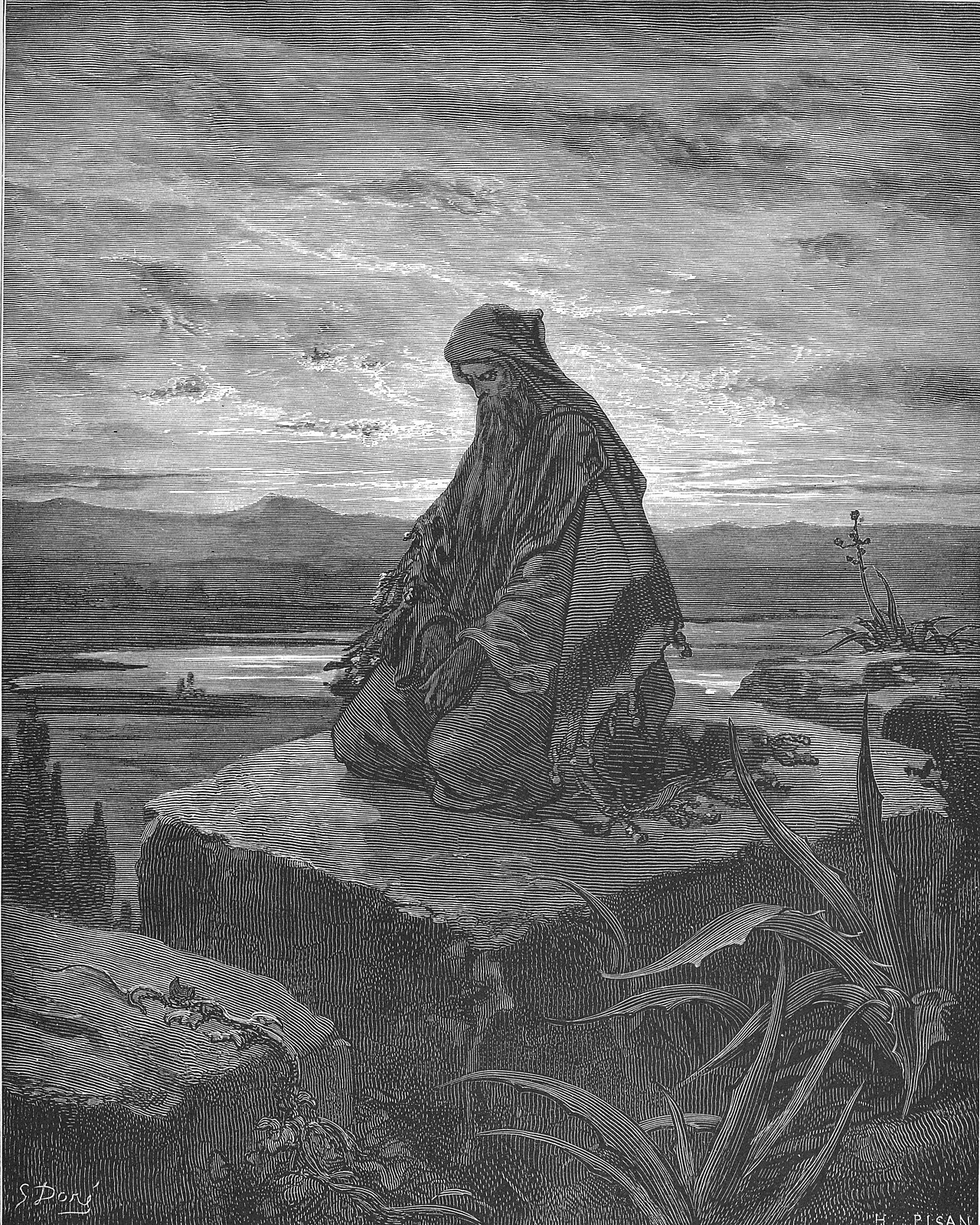
About Isaiah
This page draws on 10 works. Open the list of works
This page draws on Albert Barnes, Notes, Explanatory and Practical, on the Old and New Testaments (1832-1869); Cyril of Alexandria, COMMENTARY ON ISAIAH 5:3.56:3-5; Jamieson, Fausset & Brown, Commentary Critical and Explanatory on the Whole Bible; Jerome, Commentary on Isaiah; Jerome, Against Jovinianus 1.12; John Gill, Exposition of the Old Testament; John Gill, Exposition of the Old Testament (1748-1763); John Wesley, Explanatory Notes upon the Old Testament; Matthew Henry, Commentary on the Whole Bible and Thomas Aquinas, Commentary on Isaiah.