
Isaiah 49:1
in Isaiah 49Listen to Me, O islands; pay attention, O distant peoples: The LORD called Me from the womb; from the body of My mother He named Me.
BSB
The same verse in ASV and KJV ▾
ASV
Listen, O isles, unto me; and hearken, ye peoples, from far: Jehovah hath called me from the womb; from the bowels of my mother hath he made mention of my name:
KJV
Listen, O isles, unto me; and hearken, ye people, from far; The Lord hath called me from the womb; from the bowels of my mother hath he made mention of my name.
⋯
This verse in Isaiah 49
Commentary
5 notes on this verseA commentator
Albert Barnes1798–1870
Notes, Explanatory and Practical, on the Old and New Testaments (1832-1869)
Listen - This is the exordium, or introduction. According to the interpretation which refers it to the Messiah, it is to be regarded as the voice of the Redeemer calling the distant parts of the earth to give a respectful attention to the statement of his qualifications for his work, and to the assurances that his salvation would be extended to them (compare Isa 41:1).
This site's exposition
The Lord hath called me from the womb
on Isaiah 49:1-2
The second servant song opens to the isles and the peoples far off, and the servant testifies that the Lord hath called me from the womb and named him before he was born, a distinguishing calling like the one given to Jeremiah. The Lord made his mouth a sharp sword and hid him in the shadow of his hand, made him a polished shaft, and hid him again in his quiver, two images of a weapon kept ready and unused until its hour. The older writers read this concealment as the years before the ministry began, ordained and prepared long before Israel took any notice.
The record, by era
The Puritans and the Awakening3 voices
Some read the words in two clauses: Thou art my servant (so Christ is, ch. xlii. 1 ); it is Israel in whom I will be glorified by thee; it is the spiritual Israel, the elect, in the salvation of whom by Jesus Christ God will be glorified, and his free grace for ever admired.
Christ was to be his servant, to bring Jacob again to him, that had treacherously departed from him. The seed of Jacob therefore, according to the flesh, must first be dealt with, and means used to bring them back. Christ, and the word of salvation by him, are sent to them first; nay, Christ comes in person to them only, to the lost sheep of the house of Israel.
on Isaiah 49:1-12
But this is directed to the isles (that is, the Gentiles, for they are called the isles of the Gentiles, Gen. x. 5 ) and to the people from far, that were strangers to the commonwealth of Israel, and afar off.
The words behind it
13 Hebrew wordsEvery Hebrew word of this verse in the order it stands, with what it means and the door to its own study. The last column counts the times a word stands in the whole Bible: the rarer the word, the more the places it appears belong together.
| Hebrew | Sound | Meaning | Word study | In the Bible |
|---|---|---|---|---|
| שִׁמְע֤וּ | shimu | listen | H8085 → | 1159 times |
| אִיִּים֙ | ʾiyim | O islands | H339 → | 36 times |
| אֵלַ֔י | ʾelai | to me | H413 → | 5510 times |
| וְהַקְשִׁ֥יבוּ | vehakshivu | and pay attention | H7181 → | 46 times |
| לְאֻמִּ֖ים | leumim | O peoples | H3816 → | 31 times |
| מֵרָח֑וֹק | merachok | from a distance | H7350 → | 84 times |
| יְהוָה֙ | yahweh | Yahweh | H3068 → | 6520 times |
| מִבֶּ֣טֶן | mibeten | from [the] womb | H990 → | 72 times |
| קְרָאָ֔נִי | keraani | he called me | H7121 → | 733 times |
| מִמְּעֵ֥י | mimeei | from [the] inward parts of | H4578 → | 32 times |
| אִמִּ֖י | ʾimi | mother my | H517 → | 220 times |
| הִזְכִּ֥יר | hizkir | he has brought to remembrance | H2142 → | 230 times |
| שְׁמִֽי׃ | shemi | name my | H8034 → | 864 times |
שִׁמְע֤וּlisten
shimuH8085 →1159 times
אִיִּים֙O islands
ʾiyimH339 →36 times
אֵלַ֔יto me
ʾelaiH413 →5510 times
וְהַקְשִׁ֥יבוּand pay attention
vehakshivuH7181 →46 times
לְאֻמִּ֖יםO peoples
leumimH3816 →31 times
מֵרָח֑וֹקfrom a distance
merachokH7350 →84 times
יְהוָה֙Yahweh
yahwehH3068 →6520 times
מִבֶּ֣טֶןfrom [the] womb
mibetenH990 →72 times
קְרָאָ֔נִיhe called me
keraaniH7121 →733 times
מִמְּעֵ֥יfrom [the] inward parts of
mimeeiH4578 →32 times
אִמִּ֖יmother my
ʾimiH517 →220 times
הִזְכִּ֥ירhe has brought to remembrance
hizkirH2142 →230 times
שְׁמִֽי׃name my
shemiH8034 →864 times
A shaded row is a word that stands 400 times or fewer in the Bible.
The walk
8 stopsEach card is a verse this one points to, and under it the verses that one points to in turn. Where several paths arrive at the same place, that place is listed first: the text keeps returning to it.
Through
Isaiah 44:2This is the word of the LORD, your Maker, who formed you from the womb and who will help you: “Do not be afraid, O Jacob My servant, Jeshurun, whom I have chosen.
it leads to
- Jeremiah 1:5
“Before I formed you in the womb I knew you, and before you were born I set you apart and appointed you as a prophet to the nations.”
Reached by 2 separate paths from here.
- Isaiah 43:1
Now this is what the LORD says— He who created you, O Jacob, and He who formed you, O Israel: “Do not fear, for I have redeemed you; I have called you by your…
- Isaiah 46:3–4
“Listen to Me, O house of Jacob, all the remnant of the house of Israel, who have been sustained from the womb, carried along since birth.
- Isaiah 44:24
Thus says the LORD, your Redeemer who formed you from the womb: “I am the LORD, who has made all things, who alone stretched out the heavens, who by Myself spread out the earth,
- Isaiah 43:7
everyone called by My name and created for My glory, whom I have indeed formed and made.”
- Jeremiah 1:5
Through
Jeremiah 1:5“Before I formed you in the womb I knew you, and before you were born I set you apart and appointed you as a prophet to the nations.”
it leads to
- Psalms 139:16
Your eyes saw my unformed body; all my days were written in Your book and ordained for me before one of them came to be.
- Isaiah 49:5
And now says the LORD, who formed Me from the womb to be His Servant, to bring Jacob back to Him, that Israel might be gathered to Him—for I am honored in the sight…
Reached by 2 separate paths from here.
- Galatians 1:15–16
But when God, who set me apart from my mother’s womb and called me by His grace, was pleased
- Psalms 139:16
Where this verse is studied
On this page
Studies4
On this verse
About Isaiah
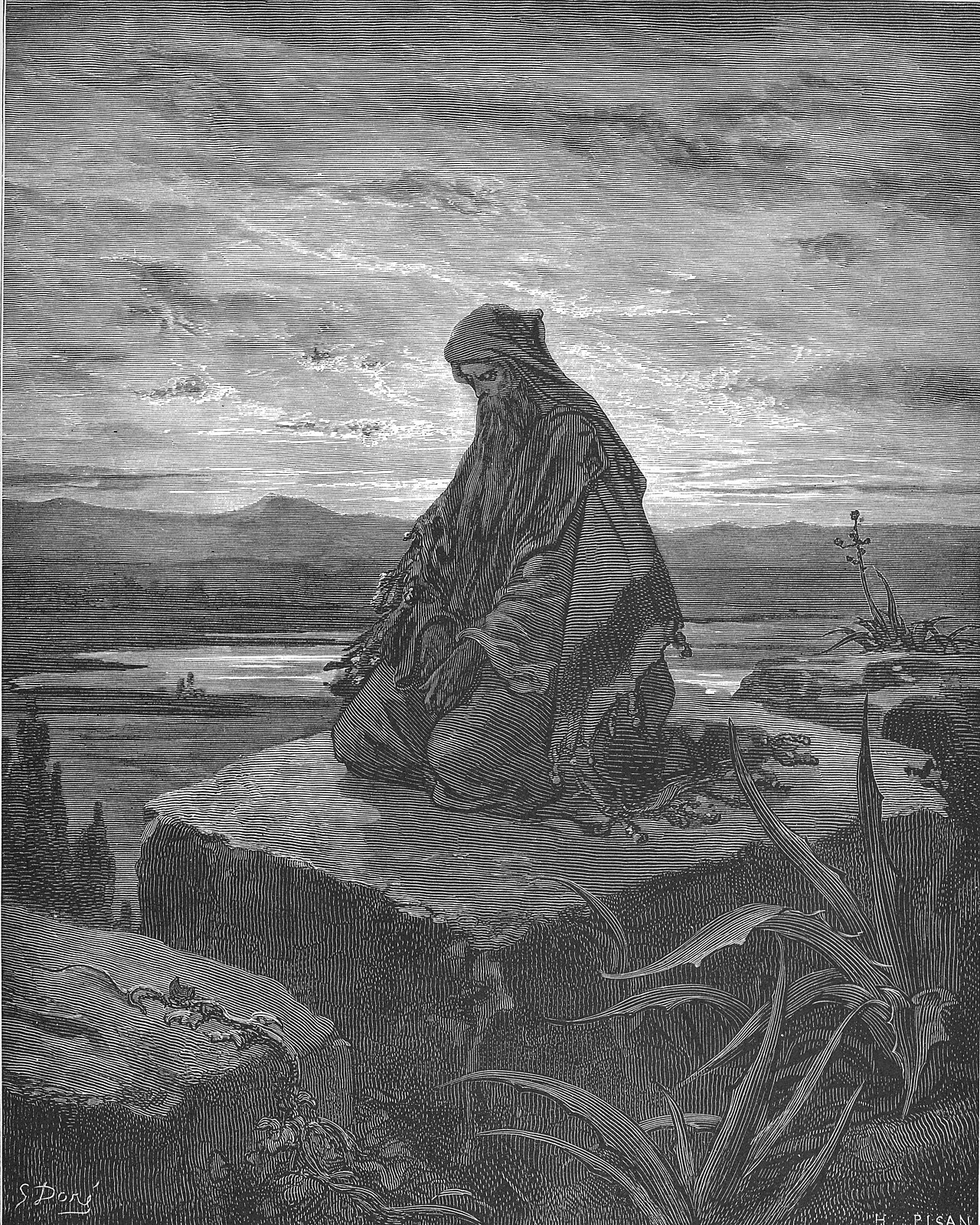
This page draws on Albert Barnes, Notes, Explanatory and Practical, on the Old and New Testaments (1832-1869); Albert Barnes, Notes on the Book of Isaiah; Franz Delitzsch, Biblical Commentary on the Prophecies of Isaiah and Matthew Henry, Commentary on the Whole Bible.