
Ezra 4:19
in Ezra 4I issued a decree, and a search was conducted. It was discovered that this city has revolted against kings from ancient times, engaging in rebellion and sedition.
BSB
The same verse in ASV and KJV ▾
ASV
And I decreed, and search hath been made, and it is found that this city of old time hath made insurrection against kings, and that rebellion and sedition have been made therein.
KJV
And I commanded, and search hath been made, and it is found that this city of old time hath made insurrection against kings, and that rebellion and sedition have been made therein.
⋯
This verse in Ezra 4
Commentary
6 notes on this verseA commentator
Albert Barnes1798–1870
Notes, Explanatory and Practical, on the Old and New Testaments (1832-1869)
The archives of the Babylonian kingdom would contain accounts of the insurrections raised, or threatened, by Jehoiakim, Jehoiachin, and Zedekiah 2Ki 24:1, 2Ki 24:10, 2Ki 24:20. It does not appear that there had ever been any rebellion against Persia.
This site's exposition
Then the king sent this reply
on Ezra 4:17-19
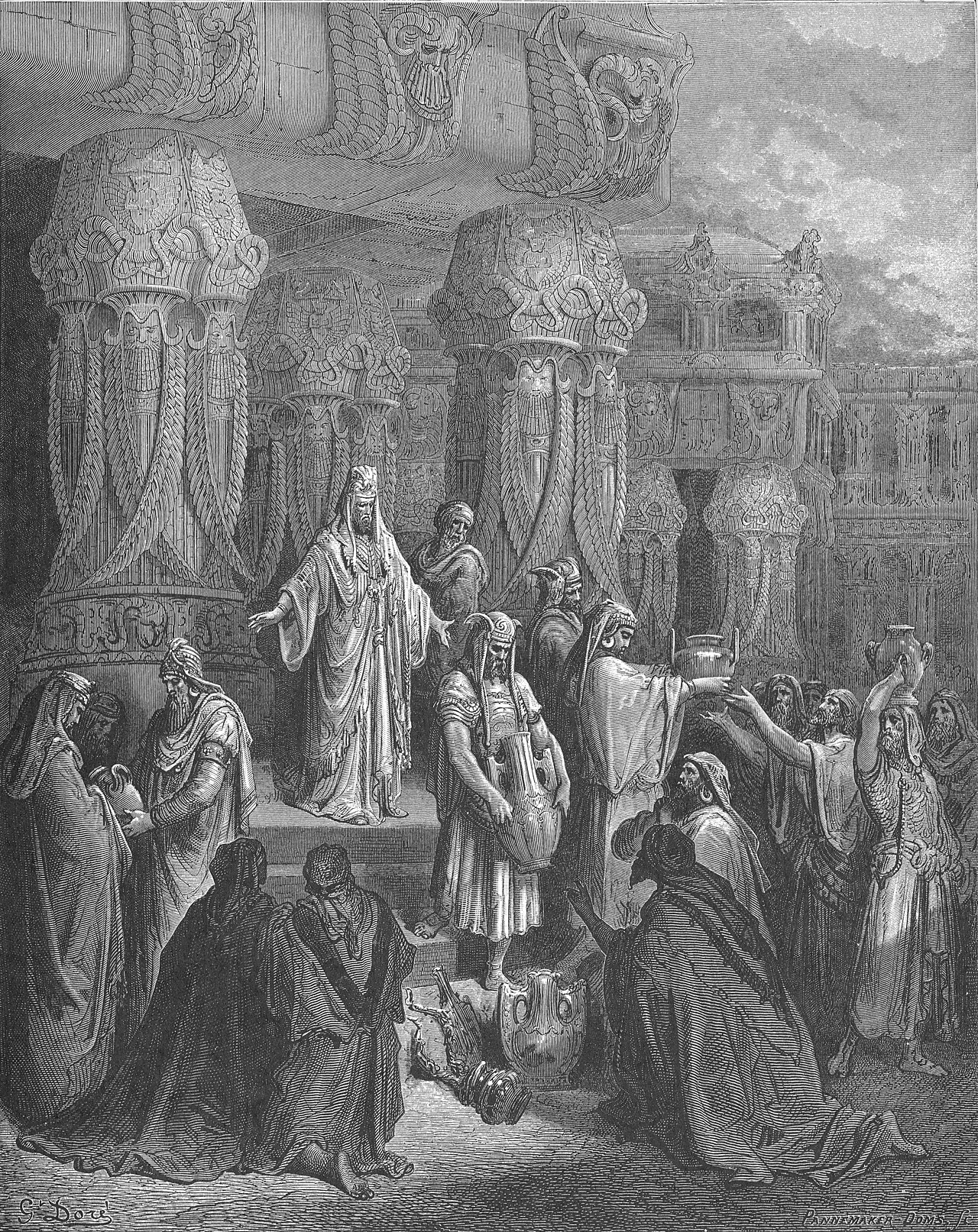
Artaxerxes answers Rehum, Shimshai and their associates by the same channel, and says their letter was translated and read in his presence. He issued a decree, and a search found that this city has revolted against kings from ancient times. The king's own archives become the ground for what follows.
This site's exposition
revolted against kings from ancient times
Albert Barnes names the revolts the Babylonian archives would record, raised or threatened by Jehoiakim, Jehoiachin and Zedekiah at 2 Kings 24. He finds no sign of any rebellion against Persia.
The record, by era
The Puritans and the Awakening2 voices
Interpreted - It was written in the Chaldee or Syrian language, and in the Syrian character: for sometimes the Chaldee or Syrian words are written in the Hebrew character. Asnapper - Either Esarhaddon, or some other person of eminency, who was captain of this colony, and conducted them hither.
And I commanded, and search hath been made,....
The Nineteenth Century1 voice
Hath made insurrection against kings - How true is the proverb, “It is an easy thing to find a staff to beat a dog!” The struggles of the Israelites to preserve or regain their independency, which they had from God, are termed insurrection, rebellion, and sedition: because at last they fell under the power of their oppressors. Had they been successful in these struggles, such offensive words had never been used. In 1688 the people of England struggled to throw off an oppressive government, that was changing the times and the seasons, and overthrowing the religion of the country, and setting up in its place the spurious off-spring of popery and arbitrary government. They were successful; and it is called the Revolution: had they failed it would have been called rebellion; and the parties principally concerned would have been put to death.
The words behind it
18 Hebrew wordsEvery Hebrew word of this verse in the order it stands, with what it means and the door to its own study. The last column counts the times a word stands in the whole Bible: the rarer the word, the more the places it appears belong together.
| Hebrew | Sound | Meaning | Word study | In the Bible |
|---|---|---|---|---|
| וּמִנִּי֮ | umini | and from me | H4481 → | 109 times |
| שִׂ֣ים | sim | it was made | H7761 → | 26 times |
| טְעֵם֒ | teem | a decree | H2942 → | 28 times |
| וּבַקַּ֣רוּ | uvakaru | and they searched | H1240 → | 5 times |
| וְהַשְׁכַּ֔חוּ | vehashkachu | and they found | H7912 → | 18 times |
| דִּ֚י | di | that | H1768 → | 345 times |
| קִרְיְתָ֣א | kiryeta' | city the | H7149 → | 9 times |
| דָ֔ךְ | dakh | this | H1791 → | 13 times |
| מִן־ | min- | from | H4481 → | 109 times |
| יוֹמָת֙ | yomat | [the] days of | H3118 → | 16 times |
| עָֽלְמָ֔א | ʾalma' | <the> antiquity | H5957 → | |
| עַל־ | ʾal- | against | H5922 → | 104 times |
| מַלְכִ֖ין | malkhin | kings | H4430 → | 180 times |
| מִֽתְנַשְּׂאָ֑ה | mitnaseah | [was] rising up | H5376 → | |
| וּמְרַ֥ד | umerad | and rebellion | H4776 → | |
| וְאֶשְׁתַּדּ֖וּר | veeshtadur | and revolt | H849 → | |
| מִתְעֲבֶד־ | mitaved- | [have] been done | H5648 → | 28 times |
| בַּֽהּ׃ | bah | by it |
וּמִנִּי֮and from me
uminiH4481 →109 times
שִׂ֣יםit was made
simH7761 →26 times
טְעֵם֒a decree
teemH2942 →28 times
וּבַקַּ֣רוּand they searched
uvakaruH1240 →5 times
וְהַשְׁכַּ֔חוּand they found
vehashkachuH7912 →18 times
דִּ֚יthat
diH1768 →345 times
קִרְיְתָ֣אcity the
kiryeta'H7149 →9 times
דָ֔ךְthis
dakhH1791 →13 times
מִן־from
min-H4481 →109 times
יוֹמָת֙[the] days of
yomatH3118 →16 times
עָֽלְמָ֔א<the> antiquity
ʾalma'H5957 →
עַל־against
ʾal-H5922 →104 times
מַלְכִ֖יןkings
malkhinH4430 →180 times
מִֽתְנַשְּׂאָ֑ה[was] rising up
mitnaseahH5376 →
וּמְרַ֥דand rebellion
umeradH4776 →
וְאֶשְׁתַּדּ֖וּרand revolt
veeshtadurH849 →
מִתְעֲבֶד־[have] been done
mitaved-H5648 →28 times
בַּֽהּ׃by it
bah
A shaded row is a word that stands 400 times or fewer in the Bible.
The walk
8 stopsEach card is a verse this one points to, and under it the verses that one points to in turn. Where several paths arrive at the same place, that place is listed first: the text keeps returning to it.
Through
Proverbs 25:2It is the glory of God to conceal a matter and the glory of kings to search it out.
it leads to
- Deuteronomy 29:29
The secret things belong to the LORD our God, but the things revealed belong to us and to our children forever, so that we may follow all the words of this law.
- Romans 11:33–34
O, the depth of the riches of the wisdom and knowledge of God! How unsearchable are His judgments, and untraceable His ways!
- Job 11:7–8
Can you fathom the deep things of God or discover the limits of the Almighty?
- Job 38:4
Where were you when I laid the foundations of the earth? Tell Me, if you have understanding.
- Job 42:3
You asked, ‘Who is this who conceals My counsel without knowledge?’ Surely I spoke of things I did not understand, things too wonderful for me to know.
- Deuteronomy 29:29
Through
2 Kings 18:7And the LORD was with Hezekiah, and he prospered wherever he went. He rebelled against the king of Assyria and refused to serve him.
it leads to
- Genesis 39:2–3
And the LORD was with Joseph, and he became a successful man, serving in the household of his Egyptian master.
- 2 Kings 16:7
So Ahaz sent messengers to Tiglath-pileser king of Assyria, saying, “I am your servant and your son. Come up and save me from the hands of the kings of Aram and Israel, who are…
- Romans 8:31
What then shall we say in response to these things? If God is for us, who can be against us?
- Genesis 39:2–3
Where this verse is studied
About Ezra
This page draws on Adam Clarke, Commentary on the Bible; Albert Barnes, Notes, Explanatory and Practical, on the Old and New Testaments (1832-1869); Albert Barnes, Notes, Explanatory and Practical, on the Old and New Testaments; Jamieson Fausset and Brown, Commentary Critical and Explanatory on the Whole Bible; John Gill, Exposition of the Old Testament (1748-1763); John Wesley, Explanatory Notes upon the Old Testament and Keil, The Books of Ezra, Nehemiah, and Esther.