
2 Samuel 16:13
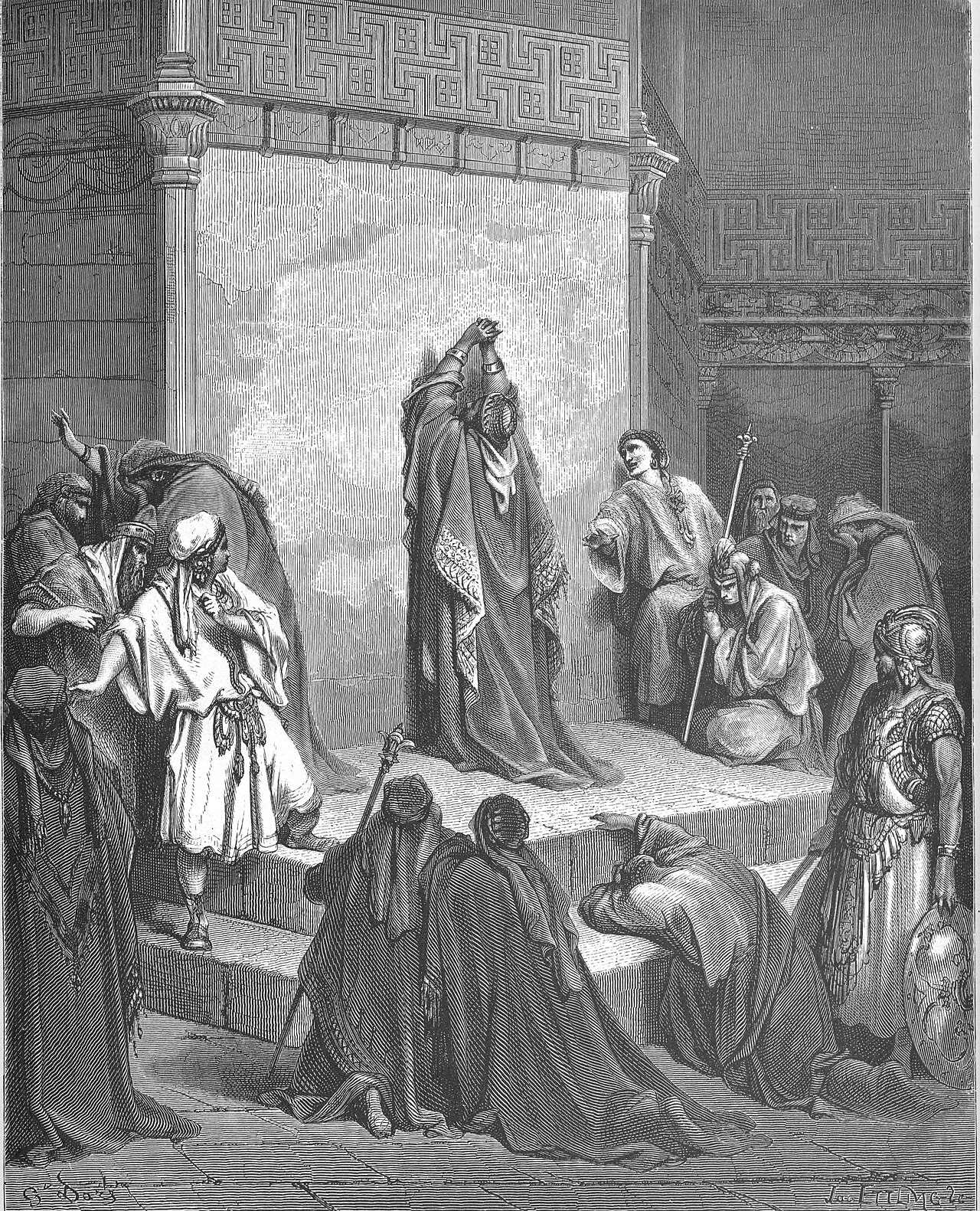
in 2 Samuel 16So David and his men proceeded along the road as Shimei went along the ridge of the hill opposite him. As Shimei went, he yelled curses, threw stones, and flung dust at David.
BSB
The same verse in ASV and KJV ▾
ASV
So David and his men went by the way; and Shimei went along on the hill-side over against him, and cursed as he went, and threw stones at him, and cast dust.
KJV
And as David and his men went by the way, Shimei went along on the hill’s side over against him, and cursed as he went, and threw stones at him, and cast dust.
⋯
This verse in 2 Samuel 16
Commentary
5 notes on this verseWe can show, too, that holy David was like Paul in this same class of virtue. When … Shimei cursed him and charged him with heavy offenses, at the first he was silent and humbled himself, and was silent even about his good deeds, that is, his knowledge of good works. Then he even asked to be cursed; for when he was cursed he hoped to gain divine pity.But see how he stored up humility and justice and prudence so as to merit grace from the Lord!
This site's exposition
threw stones at him, and cast dust
on 2 Samuel 16:13-14
Shimei keeps pace on the hillside the whole way, stones and dust added to the curse already spoken, so that the abuse is not one outburst but a running accompaniment to the king's flight. Verse fourteen closes the scene on David's side of the chapter with three plain words, came weary, and refreshed themselves there, before the narrative crosses over to Absalom's camp for the rest of the chapter. The chapter's structure itself argues David's case: while the king absorbs curses on a hillside, the son he fled is about to take counsel that will cost him everything.
The record, by era
The Church Fathers1 voice
What need is there to be troubled when we hear abuse? Why do we not imitate him who says, "I was dumb and humbled myself, and kept silence even from good words." Or did David only say this, and not act up to it? No, he also acted up to it. For when Shimei the son of Gera reviled him, David was silent; and although he was surrounded with armed men he did not return the abuse, nor seek revenge: no, even when the son of Zeruiah spoke to him, because he wished to take vengeance on him, David did not permit it. He went on as though dumb and humbled; he went on in silence; nor was he disturbed, although called a bloody man, though he was conscious of his own gentleness. He therefore was not disturbed by insults, for he had full knowledge of his own good works.He, then, who is quickly roused by wrong makes himself seem deserving of insult, even while he wishes to be shown not to deserve it. He who despises wrongs is better off than he who grieves over them. For he who despises them looks down on them, as though he doesn't feel them; but he who grieves over them is tormented, just as though he actually felt them.
The Puritans and the Awakening2 voices
If thou sinnest, what doest thou against him? It was an aggravation of his wickedness that David was attended with his mighty men on his right hand and on his left, so that he was not in so forlorn a condition as he thought ( persecuted but not forsaken ), and that he continued to do it, and did it the more passionately, for David's bearing it patiently.
And as David and his men went by the way,....
The words behind it
16 Hebrew wordsEvery Hebrew word of this verse in the order it stands, with what it means and the door to its own study. The last column counts the times a word stands in the whole Bible: the rarer the word, the more the places it appears belong together.
| Hebrew | Sound | Meaning | Word study | In the Bible |
|---|---|---|---|---|
| וַיֵּ֧לֶךְ | vaiyelekh | and he went | H1980 → | 1546 times |
| דָּוִ֛ד | david | David | H1732 → | 999 times |
| וַאֲנָשָׁ֖יו | vaanashav | and men his | H582 → | 566 times |
| בַּדָּ֑רֶךְ ס | badarekh | on the road | H1870 → | 707 times |
| וְשִׁמְעִ֡י | veshimi | and Shimei | H8096 → | 43 times |
| הֹלֵךְ֩ | holekh | [was] going | H1980 → | 1546 times |
| בְּצֵ֨לַע | betzela' | on [the] side of | H6763 → | |
| הָהָ֜ר | hahar | the mountain | H2022 → | 546 times |
| לְעֻמָּת֗וֹ | leumato | <to> parallel with him | H5980 → | |
| הָלוֹךְ֙ | halokh | he went | H1980 → | 1546 times |
| וַיְקַלֵּ֔ל | vaykalel | and he cursed | H7043 → | 82 times |
| וַיְסַקֵּ֤ל | vaysakel | and he stoned [them] | H5619 → | |
| בָּֽאֲבָנִים֙ | baavanim | with <the> stones | H68 → | 273 times |
| לְעֻמָּת֔וֹ | leumato | <to> parallel with him | H5980 → | |
| וְעִפַּ֖ר | veipar | and he dusted [them] | H6080 → | |
| בֶּעָפָֽר׃ פ | beafar | with <the> dust | H6083 → |
וַיֵּ֧לֶךְand he went
vaiyelekhH1980 →1546 times
דָּוִ֛דDavid
davidH1732 →999 times
וַאֲנָשָׁ֖יוand men his
vaanashavH582 →566 times
בַּדָּ֑רֶךְ סon the road
badarekhH1870 →707 times
וְשִׁמְעִ֡יand Shimei
veshimiH8096 →43 times
הֹלֵךְ֩[was] going
holekhH1980 →1546 times
בְּצֵ֨לַעon [the] side of
betzela'H6763 →
הָהָ֜רthe mountain
haharH2022 →546 times
לְעֻמָּת֗וֹ<to> parallel with him
leumatoH5980 →
הָלוֹךְ֙he went
halokhH1980 →1546 times
וַיְקַלֵּ֔לand he cursed
vaykalelH7043 →82 times
וַיְסַקֵּ֤לand he stoned [them]
vaysakelH5619 →
בָּֽאֲבָנִים֙with <the> stones
baavanimH68 →273 times
לְעֻמָּת֔וֹ<to> parallel with him
leumatoH5980 →
וְעִפַּ֖רand he dusted [them]
veiparH6080 →
בֶּעָפָֽר׃ פwith <the> dust
beafarH6083 →
A shaded row is a word that stands 400 times or fewer in the Bible.
The walk
4 stopsEach card is a verse this one points to, and under it the verses that one points to in turn. Where several paths arrive at the same place, that place is listed first: the text keeps returning to it.
Through
Acts 23:23Then he called two of his centurions and said, “Prepare two hundred soldiers, seventy horsemen, and two hundred spearmen to go to Caesarea in the third hour of the night.
it leads to
- Luke 12:38
Even if he comes in the second or third watch of the night and finds them alert, those servants will be blessed.
- Acts 23:33
When the horsemen arrived in Caesarea, they delivered the letter to the governor and presented Paul to him.
- Matthew 14:25
During the fourth watch of the night, Jesus went out to them, walking on the sea.
- Acts 8:40
But Philip appeared at Azotus and traveled through that region, preaching the gospel in all the towns until he came to Caesarea.
- Luke 12:38
Where this verse is studied
On this page
About 2 Samuel
Who and where
1 name in this verse with a page on the site.
This page draws on Ambrose of Milan, On the Duties of the Clergy 1.48.236-38; Ambrose of Milan, On the Duties of the Clergy 1.6.21-22; John Gill, Exposition of the Old Testament; John Gill, Exposition of the Old Testament (1748-1763) and Matthew Henry, Commentary on the Whole Bible.