
1 Samuel 6:7
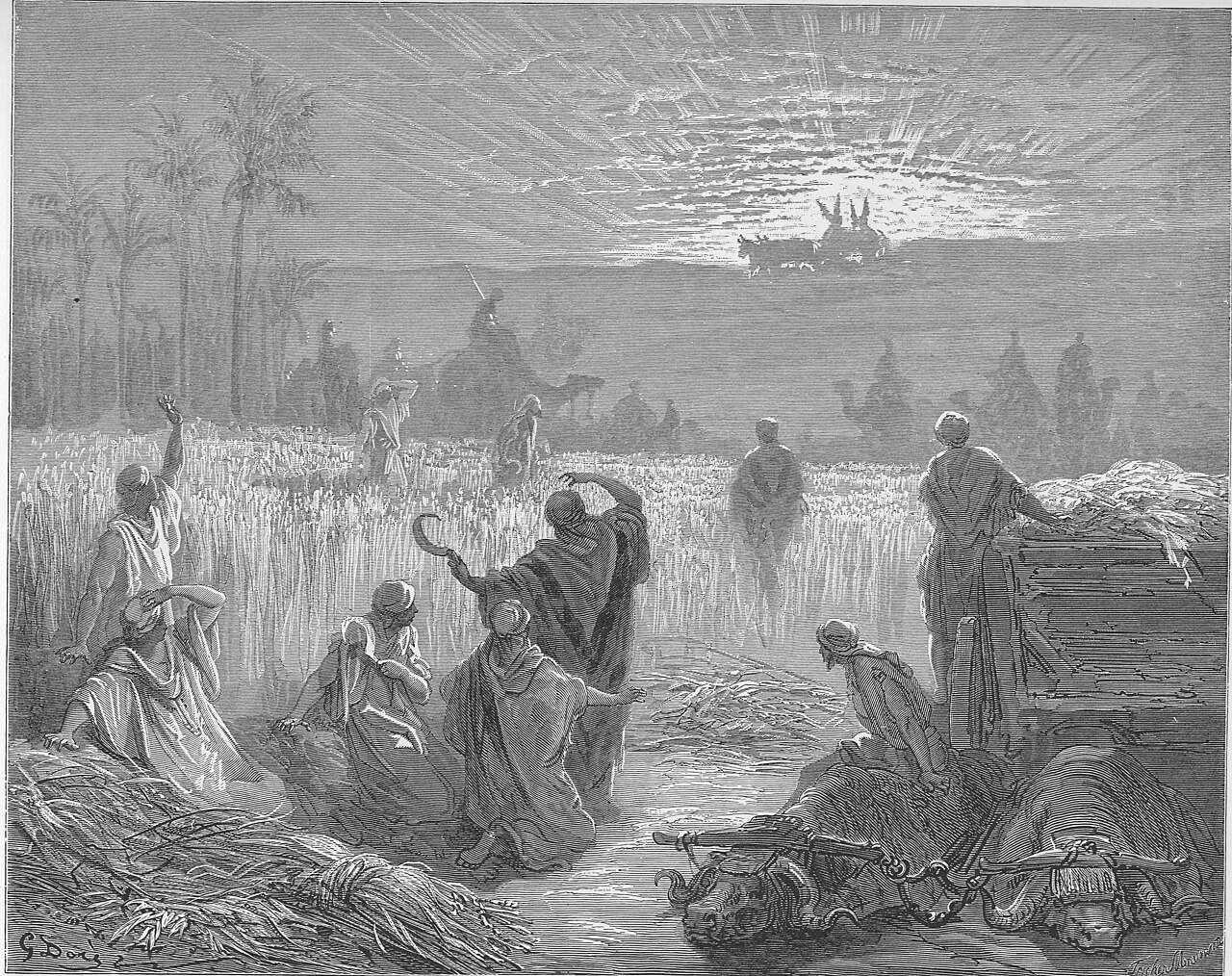
in 1 Samuel 6Now, therefore, prepare one new cart with two milk cows that have never been yoked. Hitch the cows to the cart, but take their calves away and pen them up.
BSB
The same verse in ASV and KJV ▾
ASV
Now therefore take and prepare you a new cart, and two milch kine, on which there hath come no yoke; and tie the kine to the cart, and bring their calves home from them;
KJV
Now therefore make a new cart, and take two milch kine, on which there hath come no yoke, and tie the kine to the cart, and bring their calves home from them:
⋯
This verse in 1 Samuel 6
Commentary
8 notes on this verseA commentator
Albert Barnes1798–1870
Notes, Explanatory and Practical, on the Old and New Testaments (1832-1869)
A new cart ... kine on which there hath come no yoke - This was so ordered in reverence to the ark, and was a right and true feeling. See Mar 11:2; Mat 27:60. For the supposed special virtue of new things, see Jdg 16:7, Jdg 16:11.
This site's exposition
prepare one new cart with two milk cows
on 1 Samuel 6:7-9
The priests' test is “one new cart with two milk cows that have never been yoked”. Cows fresh from calving would by instinct turn back for their young, so a straight road to Beth-shemesh would show “it is the LORD who has brought on us this great disaster”. Numbers 4 and 7 had assigned the ark to Kohathite shoulders, and David will later copy this cart before learning that law.
The record, by era
The Medieval Church2 voices
Now, therefore, seize and make a new cart, etc. Now, they say, hasten, and either in your hearts or in the hearts of your brethren, putting off the old man with his deeds, put on the new one, which is created according to God in …
A commentator
Gregory the DialogistCommentary on 1 Kings, Book 3, Chapter 4 · Written before 604.
proposed
9. For what is designated by the name of the cart, if not either the whole holy Church together, or the individual soul of each faithful person? The wheels of this cart are indeed the two Testaments. For while the holy Church, or any chosen mind instructed through the Old and New Testament, presses onward toward eternal life, it is carried aloft to its appointed place as if upon lofty wheels set before it.
The Puritans and the Awakening3 voices
Milch kine, &c. - In respect to the ark; and for the better discovery, because such untamed heifers are apt to wander, and keep no certain and constant paths, as oxen accustomed to the yoke do, and therefore were most unlikely to keep the direct road to Israel's land.
Now therefore make a new cart,....
The church is built upon a rock. They offered the sacrifices of thanksgiving to God, some think upon the great stone, more probably upon an altar of earth made for the purpose,
1 more voice on this verse
The Nineteenth Century1 voice
Make a new cart - It was indecent and improper to employ in any part of the worship of God any thing that had before served for a common purpose. Every thing in the worship of God is said to be sanctified: now the general meaning of that word is, to separate a thing from all earthly and common uses, and devote it solely to the service of God. When David removed the ark from the house of Abinadab, he put it on a new cart, 2Sa 6:3. Bring their calves home from them - So it appears that their calves had been with them in the fields. This was a complete trial: unless they were supernaturally influenced, they would not leave their calves; unless supernaturally directed, they would not leave their home, and take a way unguided, which they had never gone before.
The words behind it
22 Hebrew wordsEvery Hebrew word of this verse in the order it stands, with what it means and the door to its own study. The last column counts the times a word stands in the whole Bible: the rarer the word, the more the places it appears belong together.
| Hebrew | Sound | Meaning | Word study | In the Bible |
|---|---|---|---|---|
| וְעַתָּ֗ה | veatah | and therefore | H6258 → | 433 times |
| קְח֨וּ | kechu | take | H3947 → | 966 times |
| וַעֲשׂ֜וּ | vaasu | and make | H6213 → | 2628 times |
| עֲגָלָ֤ה | ʾagalah | a cart | H5699 → | 25 times |
| חֲדָשָׁה֙ | chadashah | new | H2319 → | |
| אֶחָ֔ת | ʾechat | one | H259 → | 971 times |
| וּשְׁתֵּ֤י | ushetei | and two | H8147 → | 768 times |
| פָרוֹת֙ | farot | cows | H6510 → | 26 times |
| עָל֔וֹת | alot | nursing | H5763 → | |
| אֲשֶׁ֛ר | ʾasher | which | H834 → | 5497 times |
| לֹא־ | lo'- | not | H3808 → | 5168 times |
| עָלָ֥ה | ʾalah | it has gone up | H5927 → | 890 times |
| עֲלֵיהֶ֖ם | ʾaleihem | on them | H5921 → | 5755 times |
| עֹ֑ל | ʾol | a yoke | H5923 → | |
| וַאֲסַרְתֶּ֤ם | vaasartem | and you will harness | H631 → | |
| אֶת־ | ʾet- | <obj.> | H853 → | 10935 times |
| הַפָּרוֹת֙ | haparot | the cows | H6510 → | 26 times |
| בָּעֲגָלָ֔ה | baagalah | on the cart | H5699 → | 25 times |
| וַהֲשֵׁיבֹתֶ֧ם | vahasheivotem | and you will take back | H7725 → | 1056 times |
| בְּנֵיהֶ֛ם | beneihem | young ones their | H1121 → | 4930 times |
| מֵאַחֲרֵיהֶ֖ם | meachareihem | from after them | H310 → | 715 times |
| הַבָּֽיְתָה׃ | habayetah | the house towards | H1004 → | 2046 times |
וְעַתָּ֗הand therefore
veatahH6258 →433 times
קְח֨וּtake
kechuH3947 →966 times
וַעֲשׂ֜וּand make
vaasuH6213 →2628 times
עֲגָלָ֤הa cart
ʾagalahH5699 →25 times
חֲדָשָׁה֙new
chadashahH2319 →
אֶחָ֔תone
ʾechatH259 →971 times
וּשְׁתֵּ֤יand two
usheteiH8147 →768 times
פָרוֹת֙cows
farotH6510 →26 times
עָל֔וֹתnursing
alotH5763 →
אֲשֶׁ֛רwhich
ʾasherH834 →5497 times
לֹא־not
lo'-H3808 →5168 times
עָלָ֥הit has gone up
ʾalahH5927 →890 times
עֲלֵיהֶ֖םon them
ʾaleihemH5921 →5755 times
עֹ֑לa yoke
ʾolH5923 →
וַאֲסַרְתֶּ֤םand you will harness
vaasartemH631 →
אֶת־<obj.>
ʾet-H853 →10935 times
הַפָּרוֹת֙the cows
haparotH6510 →26 times
בָּעֲגָלָ֔הon the cart
baagalahH5699 →25 times
וַהֲשֵׁיבֹתֶ֧םand you will take back
vahasheivotemH7725 →1056 times
בְּנֵיהֶ֛םyoung ones their
beneihemH1121 →4930 times
מֵאַחֲרֵיהֶ֖םfrom after them
meachareihemH310 →715 times
הַבָּֽיְתָה׃the house towards
habayetahH1004 →2046 times
A shaded row is a word that stands 400 times or fewer in the Bible.
The walk
8 stopsEach card is a verse this one points to, and under it the verses that one points to in turn. Where several paths arrive at the same place, that place is listed first: the text keeps returning to it.
Through
Numbers 19:2“This is the statute of the law that the LORD has commanded: Instruct the Israelites to bring you an unblemished red heifer that has no defect and has never been placed under a yoke.
it leads to
- Deuteronomy 21:3
Then the elders of the city nearest the victim shall take a heifer that has never been yoked or used for work,
- Leviticus 22:20–25
You must not present anything with a defect, because it will not be accepted on your behalf.
- 1 Peter 1:19
but with the precious blood of Christ, a lamb without blemish or spot.
- Philippians 2:6–8
Who, existing in the form of God, did not consider equality with God something to be grasped,
- Malachi 1:13–14
You also say: ‘Oh, what a nuisance!’ And you turn up your nose at it,” says the LORD of Hosts. “You bring offerings that are stolen, lame, or sick! Should I accept these from…
- Deuteronomy 21:3
Through
1 Chronicles 13:7So they carried the ark of God from the house of Abinadab on a new cart, with Uzzah and Ahio guiding the cart.
it leads to
- Numbers 4:15
When Aaron and his sons have finished covering the holy objects and all their equipment, as soon as the camp is ready to move, the Kohathites shall come and do the carrying. But they…
- 1 Chronicles 15:2
Then David said, “No one but the Levites may carry the ark of God, because the LORD has chosen them to carry the ark of the LORD and to minister before Him forever.”
- Numbers 4:15
Through
2 Samuel 6:3They set the ark of God on a new cart and brought it from the house of Abinadab, which was on the hill. Uzzah and Ahio, the sons of Abinadab, were guiding the new…
it leads to
- Numbers 7:4–9
And the LORD said to Moses,
- Numbers 7:4–9
Where this verse is studied
On this page
Studies1
About 1 Samuel
This page draws on Adam Clarke, Commentary on the Bible; Albert Barnes, Notes, Explanatory and Practical, on the Old and New Testaments (1832-1869); Albert Barnes, Notes on the Old Testament; Bede, Commentary on Samuel; Gregory the Dialogist, Commentary on 1 Kings, Book 3, Chapter 4; John Gill, Exposition of the Old Testament (1748-1763); John Wesley, Explanatory Notes upon the Old Testament and Matthew Henry, Commentary on the Whole Bible.