
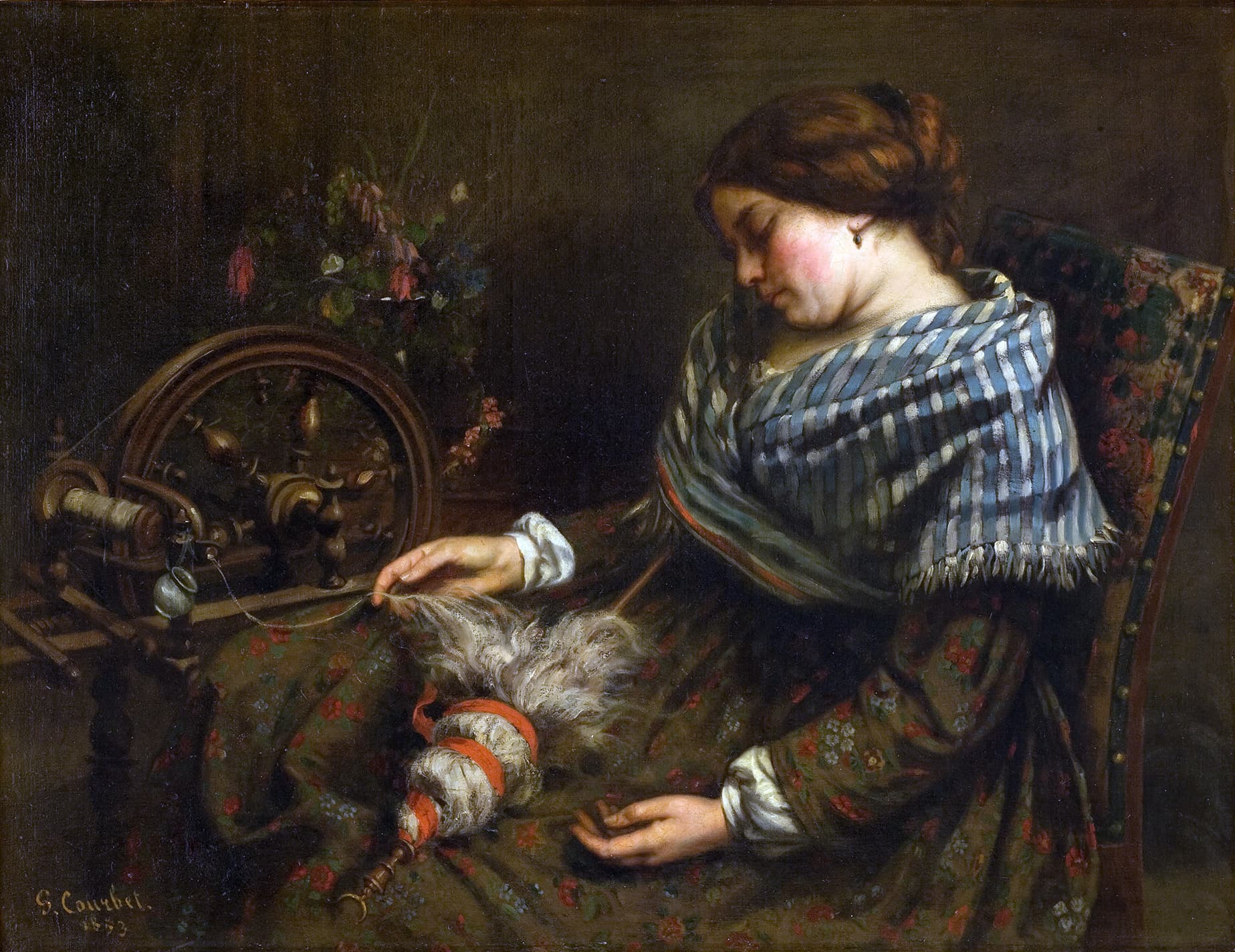
Psalm 127 · Passage · Stress and Weariness
He Gives Sleep to His Beloved
Psalm 127 is a Song of Ascents of five verses on the house, the city and the household.
The psalm's heading names Solomon, the king the LORD called Jedidiah, and the psalm's word for His beloved is yedid.
In vain you rise early and stay up late, toiling for bread to eat— for He gives sleep to His beloved.
- The passage
- Psalm 127:1 to 2
- Book
- Psalms
- Hold in memory
- Psalm 127:1
Summary
The first two verses of Psalm 127 set every human labor under the LORD's own work. Builders, watchmen and workers still labor, and the psalm leaves the result of their work with the LORD. His gift to the one He loves is sleep, so rest at the end of the day is received from Him and taken in trust. The psalm speaks to the weary as a word of release.
- Psalm 127:1 names two works, building a house and guarding a city, and makes the LORD the One who does each.
- Psalm 127:2 calls the long day of the anxious worker empty when it is worked in place of trust.
- Readers take the last line in two ways: the LORD gives sleep itself, or He gives His gifts to the beloved while he sleeps.
The Psalm of the House
Psalm 127 within the trial, and the household of its last three verses.
He Gives Sleep to His Beloved studies Psalm 127:1 to 2 within the trial of stress and weariness, the weight of work that never seems finished. The two verses speak to anyone whose days begin before dawn and end long after dark, and who still lies awake over what is left undone.
The question it answers is what the psalm calls empty, what it calls the LORD's gift, and how the two belong together. It gives the Hebrew word that carries each line, the two settings readers have proposed for the psalm, and the two ways the gift of sleep has been read, each with its holders. A homily of John Chrysostom shows how the watchman of the psalm was preached.
Psalm 127:3 to 5 turns from the house that is built to the household that is raised, and calls children “a heritage from the LORD”. Its last line says the man with a full quiver “will not be put to shame when he confronts the enemies at the gate” (Psalm 127:5).
Three Labors and One Gift
Each line of Psalm 127:1 to 2 names a worker, and the fourth names the LORD's beloved.
Three labors are empty without the LORD, and the fourth line answers them with sleep as His gift.
| Verse | Who is named | The words of the Berean text | The Hebrew that carries the line |
|---|---|---|---|
| Psalm 127:1 | The builders of a house | Unless the LORD builds the house, its builders labor in vain | Shav, emptiness, the verdict on building done without Him |
| Psalm 127:1 | The watchmen of a city | unless the LORD protects the city, its watchmen stand guard in vain | Shaqad, to keep awake, the watchman's duty through the night |
| Psalm 127:2 | The worker who toils late | rise early and stay up late | Shakam, to rise early, and ʻetseb, toil, the hard labor that earns the bread |
| Psalm 127:2 | The one the LORD loves | He gives sleep to His beloved | Yedid, beloved, and shenah, sleep |
Each in vain renders shav (H7723), a word for what is empty or false, and it stands three times in these two verses. The watchman's verb is shaqad (H8245), to be alert or sleepless, so the man on the wall is the one who goes without sleep. The verb for rising early, shakam (H7925), first meant loading the back of a man or a beast, and Strong's gloss explains it as starting early in the morning.
Sleep in the LORD's Keeping
Two other texts set sleep in the same light, and the value of diligence keeps the work in view.
I lie down and sleep; I wake again, for the LORD sustains me.David slept while his foes were rising against him (Psalm 3:1), so the verse shows sleep given in danger as well as after toil.
The sleep of the worker is sweet, whether he eats little or much, but the abundance of the rich man permits him no sleep.The Preacher sets the worker's sweet sleep beside the rich man's sleepless plenty, as Psalm 127 sets anxious toil beside rest.
The psalm leaves the builders building and the watchmen on the wall. It asks the worker to lie down while the work is still unfinished and to trust the LORD with what remains.
The value of diligence holds the other side of the same truth, the steady work that Scripture commends.
Sleeplessness that lasts for weeks can also be a sign of illness, and a physician's care belongs beside prayer and trust.
How the Church Read the Watchman
One reading of Psalm 127:1 from the early church, under the line it teaches.
died 407 · John Chrysostom
HOMILIES ON 2 TIMOTHY 3
The quotation1 quotation
“‘That good thing which was committed unto thee keep,’—how?—‘by the Holy Ghost which dwelleth in us.’ For it is not in the power of a human soul, when instructed with things so great, to be sufficient for the keeping of them. And why? Because there are many robbers, and thick darkness, and the devil still at hand to plot against us; and we know not what is the hour, what the occasion for him to set upon us. How then, he means, shall we be sufficient for the keeping of them? ‘By the Holy Ghost’; that is if we have the Spirit with us, if we do not expel grace, He will stand by us. For, ‘Except the Lord build the house, they labor in vain that build it. Except the Lord keep the city, the watchman waketh but in vain.’ This is our wall, this our castle, this our refuge. If therefore It dwelleth in us, and is Itself our guard, what need of the commandment? That we may hold It fast, may keep It, and not banish It by our evil deeds.”
John Chrysostom · Homilies on 2 Timothy 3 · on Psalm 127:1Patristic
Two Questions the Psalm Raises
Who wrote the psalm and what its last line gives, each reading with its holder and the objection to it.
Whose psalm: Solomon and his throneMatthew Henry
Matthew Henry, in his Commentary on the Whole Bible (1710), read the beloved as Solomon and the gift as his throne. He wrote, “Solomon sits still, and, being beloved of the Lord, to him he gives sleep and the kingdom too.”
The objection: the body of the psalm names no king, and the link rests on one name given once (2 Samuel 12:25).
Whose psalm: the watches of Nehemiah's dayAdam Clarke
Nehemiah had the people of Jerusalem stand guard by night and work by day (Nehemiah 4:22). Adam Clarke, in his Commentary on the Bible (1832), heard those watches in the psalm. He wrote, “There seems to be here an allusion to the daily and nightly watches which Nehemiah instituted.”
The objection: Clarke claims only that an allusion seems to be there, and the psalm names no wall, no exile and no return.
Sleep itself, given by providenceJamieson, Fausset and Brown
Jamieson, Fausset and Brown, in their Commentary Critical and Explanatory (1871), wrote that “His providential care gives sleep which no efforts of ours can otherwise procure”.
The objection: the Hebrew line opens with ken, thus, and has no separate word behind the Berean for. Albert Barnes, in his Notes, Explanatory and Practical (1832 to 1869), called the sentence “very obscure in the connection in which it stands”.
Blessings given to the beloved in the nightCharles Spurgeon
Solomon's request at Gibeon was made in a dream by night (1 Kings 3:5). Charles Spurgeon, in The Treasury of David (1885), offered a second reading. He wrote, “The text may mean that God gives blessings to his beloved in sleep, even as he gave Solomon the desire of his heart while he slept.”
The objection: the Hebrew has no word for in, and shenah, sleep, stands as a bare noun after the verb gives.
The Gift at the End of the Day
The first half of the psalm ends with the LORD giving and His beloved receiving.
The day's labor ends, and the night that follows belongs to the LORD, who keeps the house and the city while His beloved rests.
Sources
Scripture is the Berean Standard Bible.
- STEP Bible, Translators Amalgamated Hebrew Old Testament (Tyndale House, Cambridge), CC BY 4.0.
- STEP Bible brief lexicon of Extended Strongs for Hebrew (Tyndale House, Cambridge), CC BY 4.0, with the Strong's glosses.
- Charles Spurgeon, The Treasury of David, volume 7 (1885), Psalm 127.
- John Chrysostom, Homilies on 2 Timothy, Homily 3 (Nicene and Post-Nicene Fathers, first series, volume 13)
- Matthew Henry, Commentary on the Whole Bible (1710), Psalm 127.
- Adam Clarke, Commentary on the Bible (1832), Psalm 127:2.
- Robert Jamieson, A. R. Fausset and David Brown, Commentary Critical and Explanatory on the Whole Bible (1871), Psalm 127:2.
- Albert Barnes, Notes, Explanatory and Practical, on the Old and New Testaments (1832 to 1869), Psalm 127:2.
Keep Studying
Read it1
People and groups10
Symbols2
In this trial5
Values1