
Joshua 12:1
in Joshua 12Now these are the kings of the land whom the Israelites struck down and whose lands they took beyond the Jordan to the east, from the Arnon Valley to Mount Hermon, including all the Arabah eastward:
BSB
The same verse in ASV and KJV ▾
ASV
Now these are the kings of the land, whom the children of Israel smote, and possessed their land beyond the Jordan toward the sunrising, from the valley of the Arnon unto mount Hermon, and all the Arabah eastward:
KJV
Now these are the kings of the land, which the children of Israel smote, and possessed their land on the other side Jordan toward the rising of the sun, from the river Arnon unto mount Hermon, and all the plain on the east:
⋯
This verse in Joshua 12
Commentary
6 notes on this verseA commentator
Albert Barnes1798–1870
Notes, Explanatory and Practical, on the Old and New Testaments (1832-1869)
All the plain on the east - i. e. the Arabah or depressed tract along the east bank of Jordan, the modern El-Ghor (see Num 22:1). Jos 12:2 From the middle of the river - i. e. as appears from Jos 13:9, Jos 13:16, “from the city that is in the midst of the river;” namely,, Ar Moab (see Deu 2:36).
This site's exposition
Now these are the kings
on Joshua 12:1-3
The register opens east of the Jordan under Moses, so the count runs back to Numbers 21 before it reaches Jericho. Sihon had taken his land from Moab, which is how Israel could hold Heshbon without touching what Deuteronomy 2:9 reserved to the children of Lot.
The record, by era
The Church Fathers1 voice
Whoever believes in me will also do the works which I do, and will do even greater ones. And where is this word which he said, "The disciple is not greater than his master" [illustrated]? For example, Moses killed only three kings, but Joshua killed …
The Puritans and the Awakening1 voice
Now these are the kings of the land which the children of Israel smote,....
The Nineteenth Century2 voices
A commentator
Jamieson, Fausset & Brown1802–1910
Commentary Critical and Explanatory on the Whole Bible (1871)
proposed
Now these are the kings of the land, which the children of Israel smote, and possessed their land on the other side Jordan--This chapter contains a recapitulation of the conquests made in the promised land, with the additional mention of some places not formerly noted in the sacred history.
From the river Arnon unto Mount Hermon - Arnon was the boundary of all the southern coast of the land occupied by the Israelites beyond Jordan; and the mountains of Hermon were the boundaries on the north. Arnon takes its rise in the mountains of Gilead, and having run a long way from north to south falls into the Dead Sea, near the same place into which Jordan discharges itself. And all the plain on the east - All the land from the plains of Moab to Mount Hermon.
How the passage was read
What the Jewish commentators add
That the Bnei Yisroel struck. In the days [lifetime] of Moshe.
1 more on this passage, in their own words ▾
To the Yabok river, which was the border of the land of the Bnei Amon, the end of the territory of the land of Bnei Amon. From there [the Yabok River] and further the Bnei Amon had dominion.
This section is reception history: how the passage was read and kept in the Jewish tradition. Where a reading parts from an essential of the Christian faith, the section says so at that point.
Texts and citation data: Sefaria; each excerpt follows its version’s licence. 4 further sources are cited on this chapter that carry no English text this site may quote or only restate the verse.
The words behind it
22 Hebrew wordsEvery Hebrew word of this verse in the order it stands, with what it means and the door to its own study. The last column counts the times a word stands in the whole Bible: the rarer the word, the more the places it appears belong together.
| Hebrew | Sound | Meaning | Word study | In the Bible |
|---|---|---|---|---|
| וְאֵ֣לֶּה׀ | veeleh | and these | H428 → | 746 times |
| מַלְכֵ֣י | malkhei | [are] [the] kings of | H4428 → | 2525 times |
| הָאָ֗רֶץ | haaretz | the land | H776 → | 2504 times |
| אֲשֶׁ֨ר | ʾasher | whom | H834 → | 5497 times |
| הִכּ֤וּ | hiku | they defeated | H5221 → | 499 times |
| בְנֵֽי־ | venei- | [the] people of | H1121 → | 4930 times |
| יִשְׂרָאֵל֙ | yisrael | Israel | H3478 → | 2507 times |
| וַיִּֽרְשׁ֣וּ | vaiyirshu | and they took possession of | H3423 → | 231 times |
| אֶת־ | ʾet- | <obj.> | H853 → | 10935 times |
| אַרְצָ֔ם | ʾartzam | land their | H776 → | 2504 times |
| בְּעֵ֥בֶר | beever | on [the] other side of | H5676 → | 90 times |
| הַיַּרְדֵּ֖ן | haiyarden | the Jordan | H3383 → | 182 times |
| מִזְרְחָ֣ה | mizrechah | [the] rising of towards | H4217 → | 74 times |
| הַשָּׁ֑מֶשׁ | hashamesh | the sun | H8121 → | 134 times |
| מִנַּ֤חַל | minachal | from [the] wadi of | H5158 → | 141 times |
| אַרְנוֹן֙ | ʾarnon | Arnon | H769 → | 25 times |
| עַד־ | ʾad- | to | H5704 → | 1261 times |
| הַ֣ר | har | [the] mountain of | H2022 → | 546 times |
| חֶרְמ֔וֹן | chermon | Hermon | H2768 → | 13 times |
| וְכָל־ | vekhol | and all | H3605 → | 5413 times |
| הָעֲרָבָ֖ה | haaravah | the Arabah | H6160 → | 61 times |
| מִזְרָֽחָה׃ | mizrachah | east -ward | H4217 → | 74 times |
וְאֵ֣לֶּה׀and these
veelehH428 →746 times
מַלְכֵ֣י[are] [the] kings of
malkheiH4428 →2525 times
הָאָ֗רֶץthe land
haaretzH776 →2504 times
אֲשֶׁ֨רwhom
ʾasherH834 →5497 times
הִכּ֤וּthey defeated
hikuH5221 →499 times
בְנֵֽי־[the] people of
venei-H1121 →4930 times
יִשְׂרָאֵל֙Israel
yisraelH3478 →2507 times
וַיִּֽרְשׁ֣וּand they took possession of
vaiyirshuH3423 →231 times
אֶת־<obj.>
ʾet-H853 →10935 times
אַרְצָ֔םland their
ʾartzamH776 →2504 times
בְּעֵ֥בֶרon [the] other side of
beeverH5676 →90 times
הַיַּרְדֵּ֖ןthe Jordan
haiyardenH3383 →182 times
מִזְרְחָ֣ה[the] rising of towards
mizrechahH4217 →74 times
הַשָּׁ֑מֶשׁthe sun
hashameshH8121 →134 times
מִנַּ֤חַלfrom [the] wadi of
minachalH5158 →141 times
אַרְנוֹן֙Arnon
ʾarnonH769 →25 times
עַד־to
ʾad-H5704 →1261 times
הַ֣ר[the] mountain of
harH2022 →546 times
חֶרְמ֔וֹןHermon
chermonH2768 →13 times
וְכָל־and all
vekholH3605 →5413 times
הָעֲרָבָ֖הthe Arabah
haaravahH6160 →61 times
מִזְרָֽחָה׃east -ward
mizrachahH4217 →74 times
A shaded row is a word that stands 400 times or fewer in the Bible.
The walk
8 stopsEach card is a verse this one points to, and under it the verses that one points to in turn. Where several paths arrive at the same place, that place is listed first: the text keeps returning to it.
Through
Numbers 21:13From there they moved on and camped on the other side of the Arnon, in the wilderness that extends into the Amorite territory. Now the Arnon is the border between the Moabites and the…
it leads to
- Numbers 22:36
When Balak heard that Balaam was coming, he went out to meet him at the Moabite city on the Arnon border, at the edge of his territory.
Reached by 2 separate paths from here.
- Judges 11:18
Then Israel traveled through the wilderness and bypassed the lands of Edom and Moab. They came to the east side of the land of Moab and camped on the other side of the Arnon.…
- Numbers 22:36
Through
Numbers 21:24And Israel put him to the sword and took possession of his land, from the Arnon to the Jabbok—but only up to the border of the Ammonites, because it was fortified.
it leads to
- Amos 2:9
Yet it was I who destroyed the Amorite before them, though his height was like that of the cedars, and he was as strong as the oaks. Yet I destroyed his fruit above and…
- Genesis 32:22
During the night Jacob got up and took his two wives, his two maidservants, and his eleven sons, and crossed the ford of the Jabbok.
- Psalms 136:19
Sihon king of the Amorites His loving devotion endures forever.
- Amos 2:9
Through
Joshua 1:15until the LORD gives them rest as He has done for you, and your brothers also possess the land that the LORD your God is giving them. Then you may return to the land…
it leads to
- Philippians 2:4
Each of you should look not only to your own interests, but also to the interests of others.
- Philippians 2:4
Through
Judges 11:18Then Israel traveled through the wilderness and bypassed the lands of Edom and Moab. They came to the east side of the land of Moab and camped on the other side of the Arnon.…
it leads to
- Deuteronomy 2:1–8
Then we turned back and headed for the wilderness by way of the Red Sea, as the LORD had instructed me, and for many days we wandered around Mount Seir.
- Numbers 21:4–13
Then they set out from Mount Hor along the route to the Red Sea, in order to bypass the land of Edom. But the people grew impatient on the journey
- Deuteronomy 2:1–8
Where this verse is studied
On this page
About Joshua
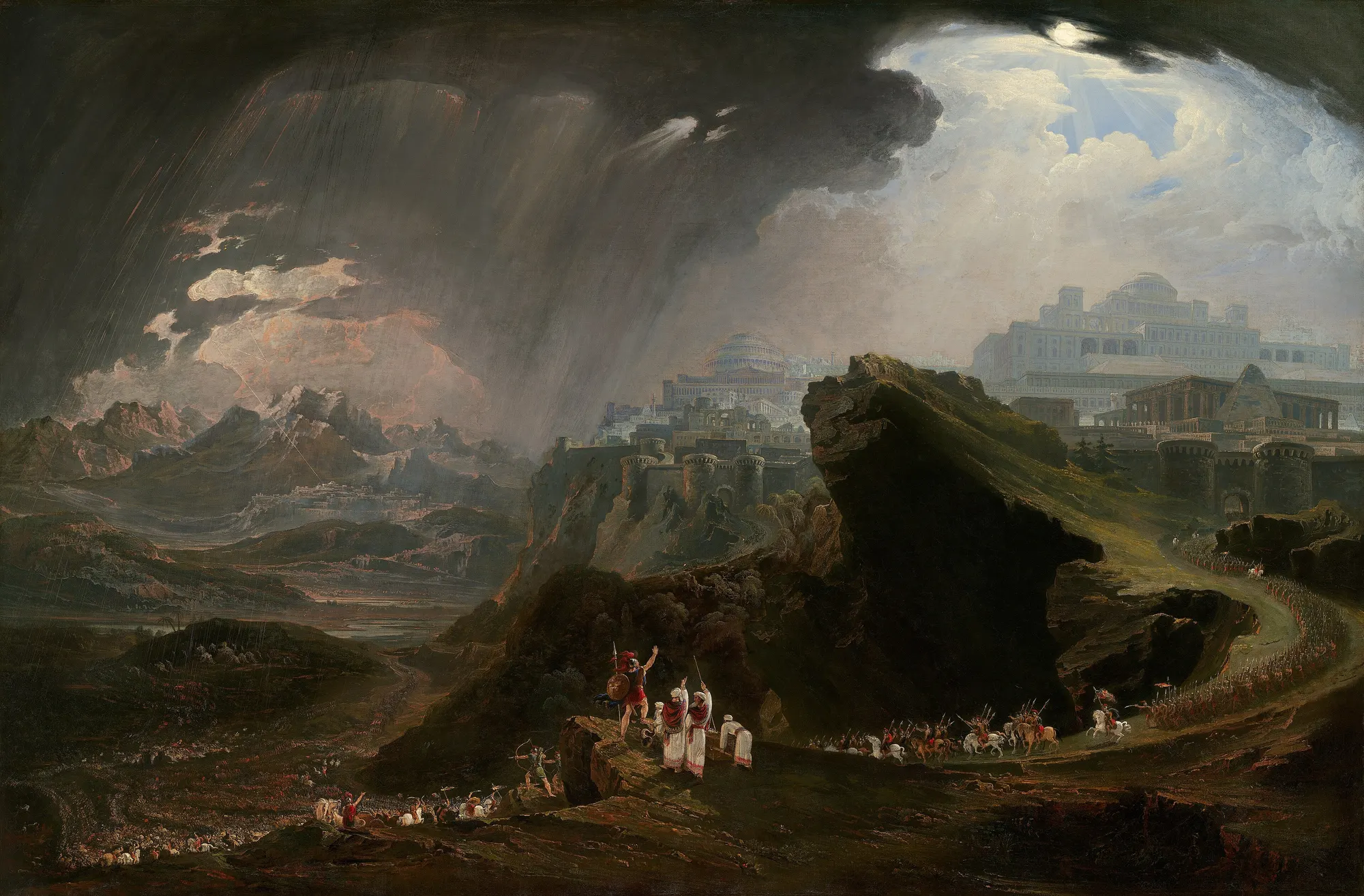
This page draws on Adam Clarke, Commentary on the Bible; Albert Barnes, Notes, Explanatory and Practical, on the Old and New Testaments (1832-1869); Albert Barnes, Notes on the Old Testament; Ephrem the Syrian, COMMENTARY ON TATIAN'S DIATESSARON 19.8; Jamieson, Fausset & Brown, Commentary Critical and Explanatory on the Whole Bible; John Gill, Exposition of the Old Testament (1748-1763) and Keil and Delitzsch, Biblical Commentary on the Old Testament: Joshua, Judges, Ruth.