
Genesis 23:11
in Genesis 23“No, my lord. Listen to me. I give you the field, and I give you the cave that is in it. I give it to you in the presence of my people. Bury your dead.”
BSB
The same verse in ASV and KJV ▾
ASV
Nay, my lord, hear me: the field give I thee, and the cave that is therein, I give it thee; in the presence of the children of my people give I it thee: bury thy dead.
KJV
Nay, my lord, hear me: the field give I thee, and the cave that is therein, I give it thee; in the presence of the sons of my people give I it thee: bury thy dead.
⋯
This verse in Genesis 23
Commentary
6 notes on this verseA commentator
Jamieson, Fausset & Brown1802–1910
Commentary Critical and Explanatory on the Whole Bible (1871)
Ephron answered, Nay, my lord, &c.--Here is a great show of generosity, but it was only a show; for while Abraham wanted only the cave, he joins "the field and the cave"; and though he offered them both as free gifts, he, of course, expected some costly presents in return, without which, he would not have been satisfied.
This site's exposition
Ephron was sitting among the sons of Heth
on Genesis 23:10-11
Ephron has been sitting among the sons of Heth the whole time, at the gate where the elders sat and where a sale was made binding. He offers the ground as a gift in the presence of his people, saying I give you three times in one verse. Abraham asked for the cave, and Ephron adds the field. Jamieson, Fausset and Brown read the speech as generosity that expected to be paid for.
This site's exposition
I give you the field
Adam Clarke reads the public offer as amounting to a legal conveyance, since it was made before the people at the gate. Ephron closes, as the Hittites did in verse 6, with the words bury your dead. Abraham refuses the gift.
The record, by era
The Puritans and the Awakening2 voices
Nay, my lord, hear me,....
Note, If those that profess religion adorn their profession by eminent civility and serviceableness to all, they shall find it will rebound to their own comfort and advantage, as well as to the glory of God.
The Nineteenth Century1 voice
A commentator
Jamieson, Fausset & Brown1802–1910
Commentary Critical and Explanatory on the Whole Bible (1871)
proposed
Ephron answered, Nay, my lord, &c.--Here is a great show of generosity, but it was only a show; for while Abraham wanted only the cave, he joins "the field and the cave"; and though he offered them both as free gifts, he, of course, expected some costly presents in return, without which, he would not have been satisfied.
How the passage was read
What the Jewish commentators add
On the verses either side of this one
Abraham bowed before Ephron in the presence of the people of the land in order to honor him.
This section is reception history: how the passage was read and kept in the Jewish tradition. Where a reading parts from an essential of the Christian faith, the section says so at that point.
Texts and citation data: Sefaria; each excerpt follows its version’s licence. 5 further sources are cited on this chapter that carry no English text this site may quote or only restate the verse.
The words behind it
18 Hebrew wordsEvery Hebrew word of this verse in the order it stands, with what it means and the door to its own study. The last column counts the times a word stands in the whole Bible: the rarer the word, the more the places it appears belong together.
| Hebrew | Sound | Meaning | Word study | In the Bible |
|---|---|---|---|---|
| לֹֽא־ | lo'- | no | H3808 → | 5168 times |
| אֲדֹנִ֣י | ʾadoni | O lord my | H113 → | 333 times |
| שְׁמָעֵ֔נִי | shemaeni | listen to me | H8085 → | 1159 times |
| הַשָּׂדֶה֙ | hasadeh | the field | H7704 → | 334 times |
| נָתַ֣תִּי | natati | I give | H5414 → | 2011 times |
| לָ֔ךְ | lakh | to <the> you | ||
| וְהַמְּעָרָ֥ה | vehamearah | and the cave | H4631 → | 37 times |
| אֲשֶׁר־ | ʾasher- | which | H834 → | 5497 times |
| בּ֖וֹ | bo | [is] in <the> it | ||
| לְךָ֣ | lekha | to <the> you | ||
| נְתַתִּ֑יהָ | netatiha | I give it | H5414 → | 2011 times |
| לְעֵינֵ֧י | leeinei | to [the] eyes of | H5869 → | 887 times |
| בְנֵי־ | venei- | [the] sons of | H1121 → | 4930 times |
| עַמִּ֛י | ʾami | people my | H5971 → | 1873 times |
| נְתַתִּ֥יהָ | netatiha | I give it | H5414 → | 2011 times |
| לָּ֖ךְ | lakh | to <the> you | ||
| קְבֹ֥ר | kevor | bury | H6912 → | 133 times |
| מֵתֶֽךָ׃ | metekha | dead your | H4191 → | 839 times |
לֹֽא־no
lo'-H3808 →5168 times
אֲדֹנִ֣יO lord my
ʾadoniH113 →333 times
שְׁמָעֵ֔נִיlisten to me
shemaeniH8085 →1159 times
הַשָּׂדֶה֙the field
hasadehH7704 →334 times
נָתַ֣תִּיI give
natatiH5414 →2011 times
לָ֔ךְto <the> you
lakh
וְהַמְּעָרָ֥הand the cave
vehamearahH4631 →37 times
אֲשֶׁר־which
ʾasher-H834 →5497 times
בּ֖וֹ[is] in <the> it
bo
לְךָ֣to <the> you
lekha
נְתַתִּ֑יהָI give it
netatihaH5414 →2011 times
לְעֵינֵ֧יto [the] eyes of
leeineiH5869 →887 times
בְנֵי־[the] sons of
venei-H1121 →4930 times
עַמִּ֛יpeople my
ʾamiH5971 →1873 times
נְתַתִּ֥יהָI give it
netatihaH5414 →2011 times
לָּ֖ךְto <the> you
lakh
קְבֹ֥רbury
kevorH6912 →133 times
מֵתֶֽךָ׃dead your
metekhaH4191 →839 times
A shaded row is a word that stands 400 times or fewer in the Bible.
The walk
8 stopsEach card is a verse this one points to, and under it the verses that one points to in turn. Where several paths arrive at the same place, that place is listed first: the text keeps returning to it.
Through
Ruth 4:11“We are witnesses,” said the elders and all the people at the gate. “May the LORD make the woman entering your home like Rachel and Leah, who together built up the house of Israel.…
it leads to
- Genesis 29:32
And Leah conceived and gave birth to a son, and she named him Reuben, for she said, “The LORD has seen my affliction. Surely my husband will love me now.”
- Micah 5:2
But you, Bethlehem Ephrathah, who are small among the clans of Judah, out of you will come forth for Me One to be ruler over Israel—One whose origins are of old, from the days…
- Matthew 2:6
‘But you, Bethlehem, in the land of Judah, are by no means least among the rulers of Judah, for out of you will come a ruler who will be the shepherd of My people…
- Psalms 127:3–5
Children are indeed a heritage from the LORD, and the fruit of the womb is His reward.
- Numbers 26:1–65
After the plague had ended, the LORD said to Moses and Eleazar son of Aaron the priest,
- Genesis 29:32
Through
Ruth 4:9At this, Boaz said to the elders and all the people, “You are witnesses today that I am buying from Naomi all that belonged to Elimelech, Chilion, and Mahlon.
it leads to
- Genesis 23:16–18
Abraham agreed to Ephron’s terms and weighed out for him the price he had named in the hearing of the Hittites: four hundred shekels of silver, according to the standard of the merchants.
- Genesis 23:16–18
Through
Luke 19:24Then he told those standing by, ‘Take the mina from him and give it to the one who has ten minas.’
it leads to
- Luke 16:2
So he called him in to ask, ‘What is this I hear about you? Turn in an account of your management, for you cannot be manager any longer.’
- Luke 12:20
But God said to him, ‘You fool! This very night your life will be required of you. Then who will own what you have accumulated?’
- Luke 16:2
Where this verse is studied
On this page
About Genesis
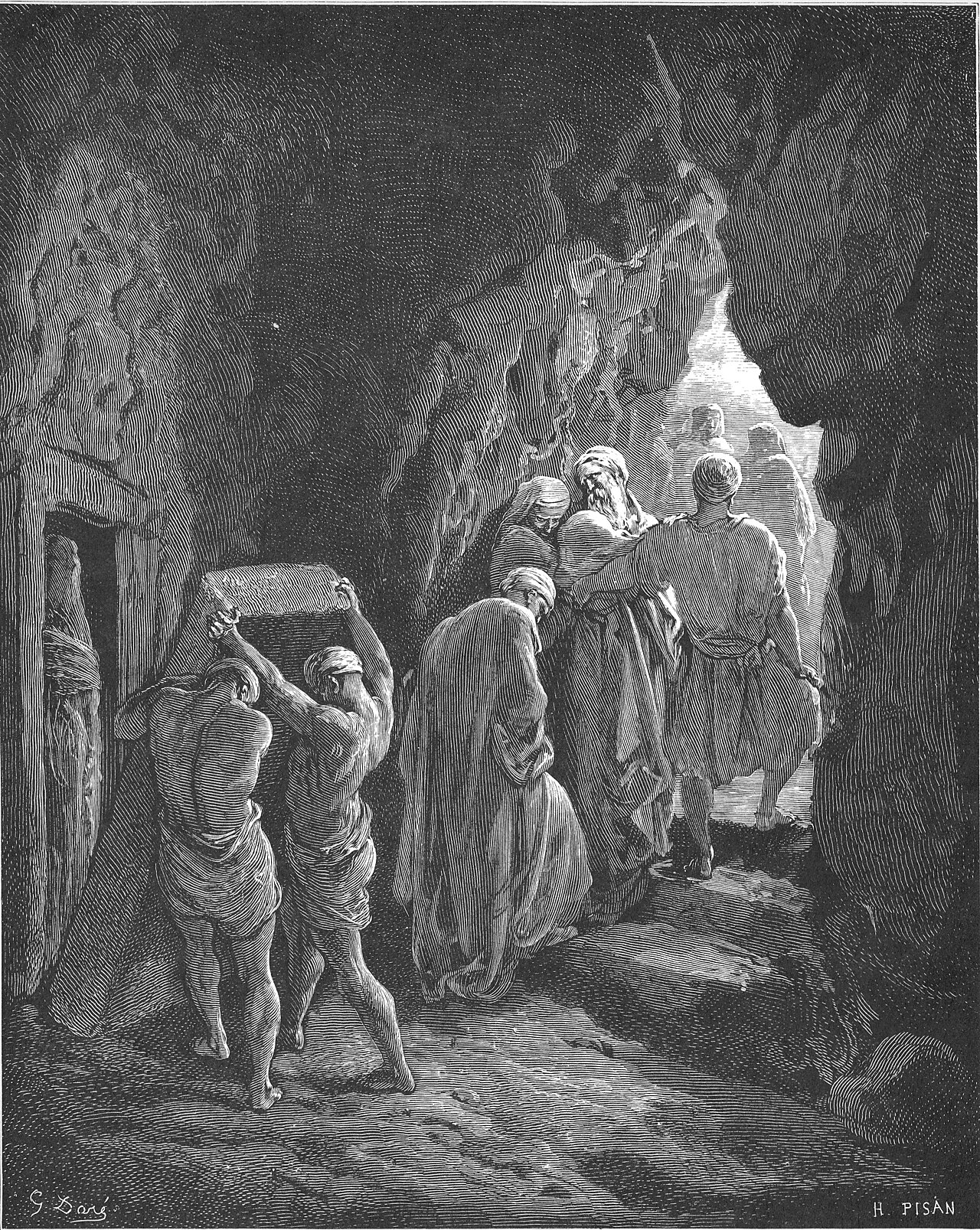
This page draws on Adam Clarke, Commentary on the Bible; Jamieson, Fausset & Brown, Commentary Critical and Explanatory on the Whole Bible; John Gill, Exposition of the Old Testament (1748-1763) and Matthew Henry, Commentary on the Whole Bible.