
Esther 2:1
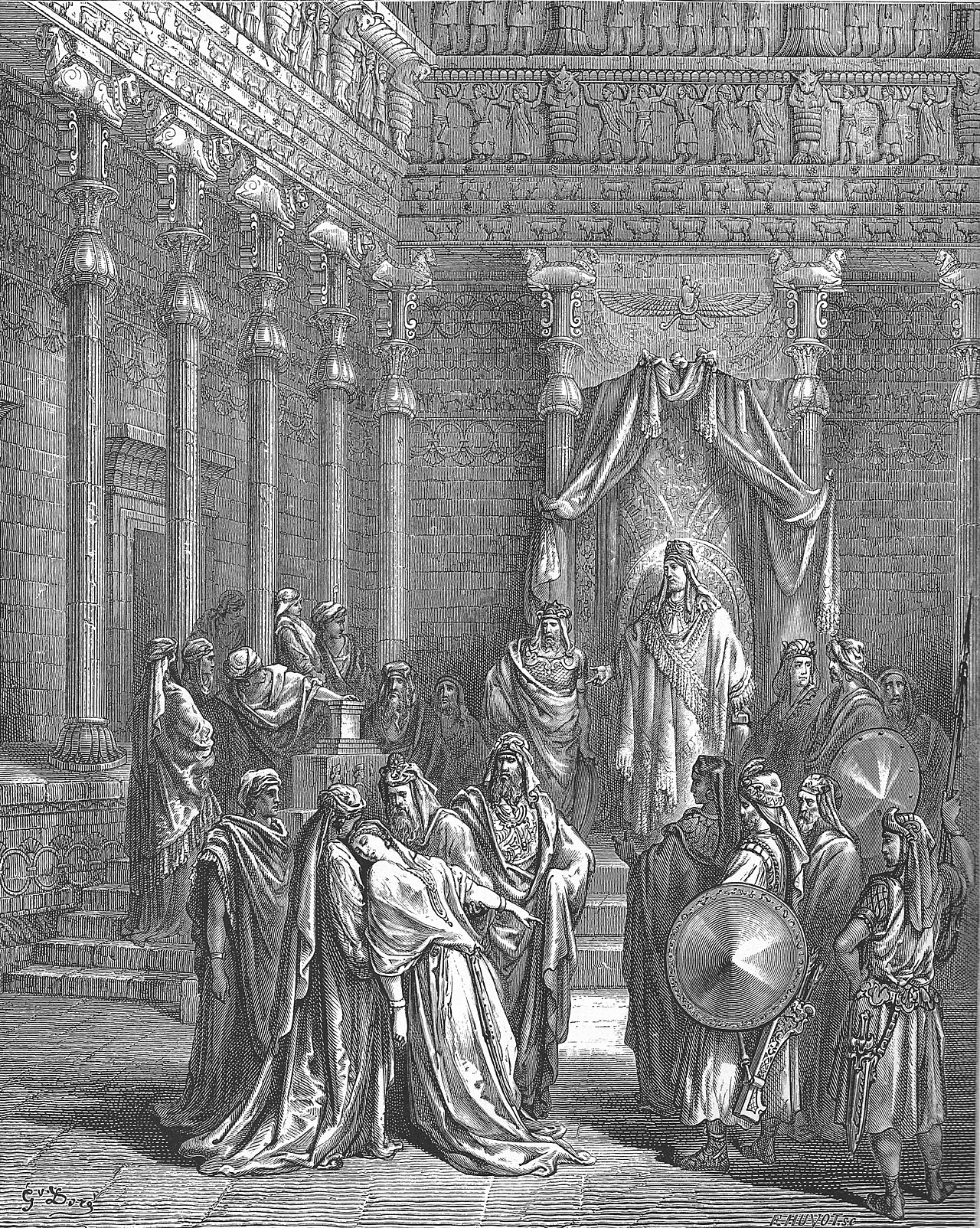
in Esther 2Some time later, when the anger of King Xerxes had subsided, he remembered Vashti and what she had done, and what had been decreed against her.
BSB
The same verse in ASV and KJV ▾
ASV
After these things, when the wrath of king Ahasuerus was pacified, he remembered Vashti, and what she had done, and what was decreed against her.
KJV
After these things, when the wrath of king Ahasuerus was appeased, he remembered Vashti, and what she had done, and what was decreed against her.
⋯
This verse in Esther 2
Commentary
7 notes on this verseThe worldly philosophers drive out an old passion by instilling a new one; they hammer out one nail by hammering in another. It was on this principle that the seven princes of Persia acted toward Ahasuerus, for they subdued his regret for Vashti by inducing him to love other maidens. But whereas they cured one fault by another fault and one sin by another sin, we must overcome our faults by learning to love the opposite virtues. "Depart from evil," says the psalmist, "and do good; seek peace and pursue it."
This site's exposition
he remembered Vashti
on Esther 2:1-4
When the king's anger subsides, "he remembered Vashti and what she had done, and what had been decreed against her". His attendants answer with a policy: commissioners gather "all the beautiful young women into the harem" under Hegai. The one test for the new queen is whoever "pleases the king".
The record, by era
The Medieval Church2 voices
When, therefore, Judea had been repulsed from its relationship with the king, various nations—and the various inhabitants of particular nations from the various parts of the world—were brought in to receive a share in the royal grandeur through the holy preachers, who were ministers of …
After Judea had been expelled from the royal marriage, different peoples and different individuals from each nation from different parts of the world were led to the royal congregation by the holy preachers who were ministers of the evangelical word. They were given into the …
The Puritans and the Awakening1 voice
After these things, when the wrath of King Ahasuerus was appeased,....
The Nineteenth Century2 voices
A commentator
Albert Barnes1798–1870
Notes, Explanatory and Practical, on the Old and New Testaments (1832-1869)
These events must belong to the time between the great assembly held at Susa in Xerxes’ third year (483 B.C.), and the departure of the monarch on his expedition against Greece in his fifth year, 481 B.C.
A commentator
Jamieson, Fausset & Brown1802–1910
Commentary Critical and Explanatory on the Whole Bible (1871)
The damsels, on arrival at the palace, were placed under the custody of "Hege, the king's chamberlain, keeper of the women," that is, the chief eunuch, usually a repulsive old man, on whom the court ladies are very dependent, and whose favor they are always desirous to secure.
How the passage was read
What the Jewish commentators add
He remembered Vashti. Her beauty, and he became sad. 1 He was remorseful having realized that her refusal to appear before him was justified and the decree against her was wrong.
This section is reception history: how the passage was read and kept in the Jewish tradition. Where a reading parts from an essential of the Christian faith, the section says so at that point.
Texts and citation data: Sefaria; each excerpt follows its version’s licence. 4 further sources are cited on this chapter that carry no English text this site may quote or only restate the verse.
The words behind it
17 Hebrew wordsEvery Hebrew word of this verse in the order it stands, with what it means and the door to its own study. The last column counts the times a word stands in the whole Bible: the rarer the word, the more the places it appears belong together.
| Hebrew | Sound | Meaning | Word study | In the Bible |
|---|---|---|---|---|
| אַחַר֙ | ʾachar | after | H310 → | |
| הַדְּבָרִ֣ים | hadevarim | the things | H1697 → | 1440 times |
| הָאֵ֔לֶּה | haeleh | <the> these | H428 → | 746 times |
| כְּשֹׁ֕ךְ | keshokh | when subsided | H7918 → | |
| חֲמַ֖ת | chamat | [the] anger of | H2534 → | 125 times |
| הַמֶּ֣לֶךְ | hamelekh | the king | H4428 → | 2525 times |
| אֲחַשְׁוֵר֑וֹשׁ | ʾachashveroosh | Ahasuerus | H325 → | 31 times |
| זָכַ֤ר | zakhar | he remembered | H2142 → | |
| אֶת־ | ʾet- | <obj.> | H853 → | 10935 times |
| וַשְׁתִּי֙ | vashti | Vashti | H2060 → | 10 times |
| וְאֵ֣ת | veet | and <obj.> | H853 → | 10935 times |
| אֲשֶׁר־ | ʾasher- | [that] which | H834 → | 5497 times |
| עָשָׂ֔תָה | ʾasatah | she had done | H6213 → | 2628 times |
| וְאֵ֥ת | veet | and <obj.> | H853 → | 10935 times |
| אֲשֶׁר־ | ʾasher- | [that] which | H834 → | 5497 times |
| נִגְזַ֖ר | nigzar | it had been decreed | H1504 → | |
| עָלֶֽיהָ׃ | ʾaleiha | on her | H5921 → | 5755 times |
אַחַר֙after
ʾacharH310 →
הַדְּבָרִ֣יםthe things
hadevarimH1697 →1440 times
הָאֵ֔לֶּה<the> these
haelehH428 →746 times
כְּשֹׁ֕ךְwhen subsided
keshokhH7918 →
חֲמַ֖ת[the] anger of
chamatH2534 →125 times
הַמֶּ֣לֶךְthe king
hamelekhH4428 →2525 times
אֲחַשְׁוֵר֑וֹשׁAhasuerus
ʾachashverooshH325 →31 times
זָכַ֤רhe remembered
zakharH2142 →
אֶת־<obj.>
ʾet-H853 →10935 times
וַשְׁתִּי֙Vashti
vashtiH2060 →10 times
וְאֵ֣תand <obj.>
veetH853 →10935 times
אֲשֶׁר־[that] which
ʾasher-H834 →5497 times
עָשָׂ֔תָהshe had done
ʾasatahH6213 →2628 times
וְאֵ֥תand <obj.>
veetH853 →10935 times
אֲשֶׁר־[that] which
ʾasher-H834 →5497 times
נִגְזַ֖רit had been decreed
nigzarH1504 →
עָלֶֽיהָ׃on her
ʾaleihaH5921 →5755 times
A shaded row is a word that stands 400 times or fewer in the Bible.
The walk
5 stopsEach card is a verse this one points to, and under it the verses that one points to in turn. Where several paths arrive at the same place, that place is listed first: the text keeps returning to it.
Through
Esther 7:10So they hanged Haman on the gallows he had prepared for Mordecai. Then the fury of the king subsided.
it leads to
- Psalms 7:16
His trouble recoils on himself, and his violence falls on his own head.
- Daniel 6:24
At the command of the king, the men who had falsely accused Daniel were brought and thrown into the den of lions—they and their children and wives. And before they had reached the bottom…
- Ezekiel 5:13
And when My anger is spent and I have vented My wrath against them, I will be appeased. And when I have spent My wrath on them, they will know that I, the LORD,…
- Judges 15:7
And Samson told them, “Because you have done this, I will not rest until I have taken vengeance upon you.”
- Zechariah 6:8
Then the LORD summoned me and said, “Behold, those going to the land of the north have given rest to My Spirit in the land of the north.”
- Psalms 7:16
Where this verse is studied
On this page
About Esther
This page draws on Adam Clarke, Commentary on the Bible; Albert Barnes, Notes, Explanatory and Practical, on the Old and New Testaments (1832-1869); Jamieson, Fausset & Brown, Commentary Critical and Explanatory on the Whole Bible; Jerome, LETTER 125.14; John Gill, Exposition of the Old Testament (1748-1763); John Wesley, Explanatory Notes upon the Old Testament; Rabanus Maurus, Commentary on Esther and Rabanus Maurus, EXPLANATION ON THE BOOK OF ESTHER 3.