
Esther 2:17
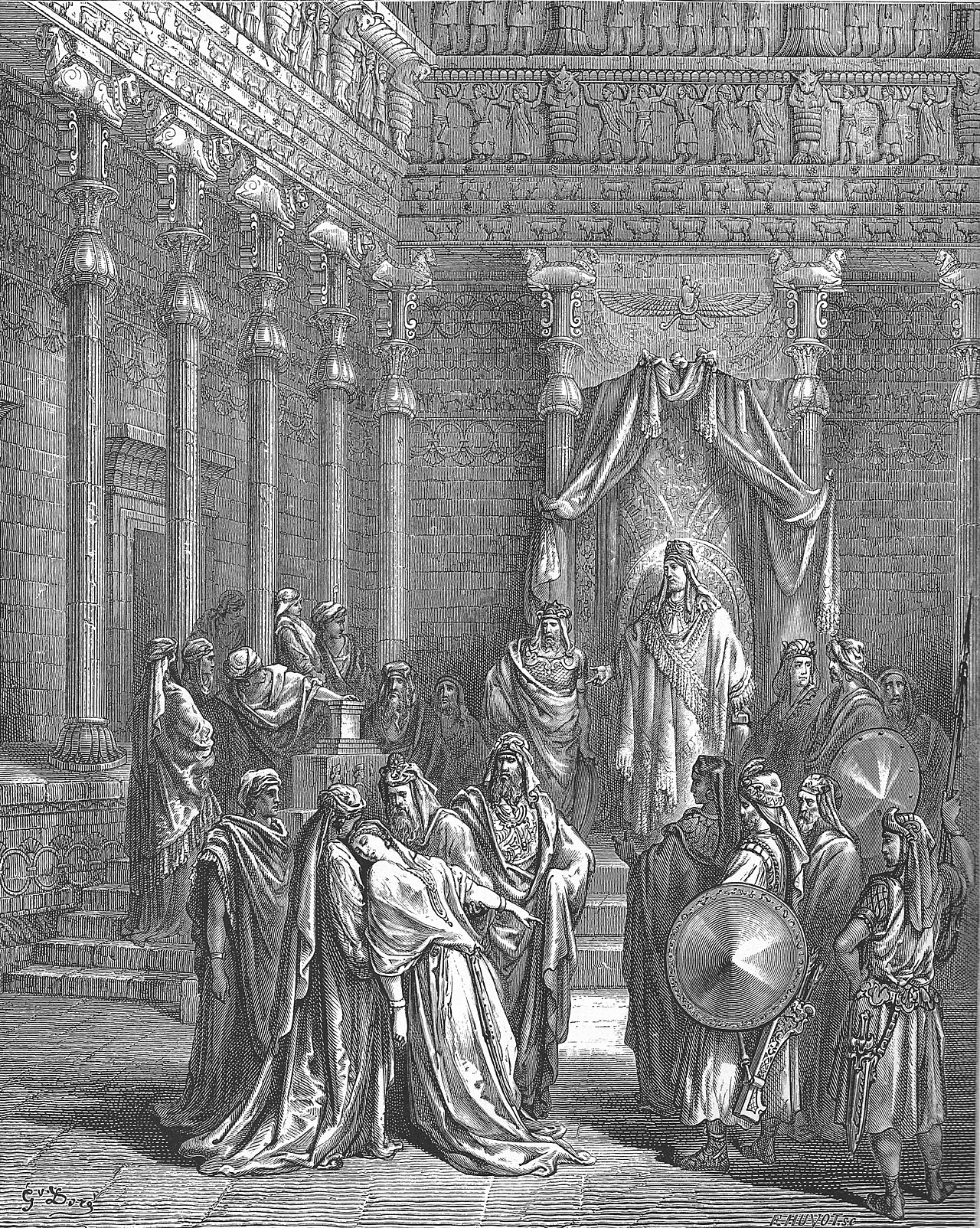
in Esther 2And the king loved Esther more than all the other women, and she found grace and favor in his sight more than all of the other virgins. So he placed the royal crown upon her head and made her queen in place of Vashti.
BSB
The same verse in ASV and KJV ▾
ASV
And the king loved Esther above all the women, and she obtained favor and kindness in his sight more than all the virgins; so that he set the royal crown upon her head, and made her queen instead of Vashti.
KJV
And the king loved Esther above all the women, and she obtained grace and favour in his sight more than all the virgins; so that he set the royal crown upon her head, and made her queen instead of Vashti.
⋯
This verse in Esther 2
Commentary
7 notes on this verseSet the royal crown upon her head - Made her what is now called in the East the Sultana, the queen. She was the mistress of all the rest of the wives, all of whom were obliged to pay her the most profound respect.
This site's exposition
Esther was the daughter of Abihail
on Esther 2:15-18
Esther asks for nothing "except what Hegai, the king’s trusted official in charge of the harem, had advised". In the tenth month of the seventh year the king "loved Esther more than all the other women" and crowned her. No one at court knows she is a Jew.
This site's exposition
And the king loved Esther more
Henry notes that the king needed no further trials and made Esther queen at once. Clarke explains the royal crown as rank over all the other women of the harem, who owed the queen the deepest respect. Bonaventure applied the verse to the Virgin Mary, crowned and reigning.
The record, by era
The Medieval Church2 voices
A commentator
BonaventureCollationes de Septem Donis, Collation 6 · Written in the 13th century.
proposed
The blessed Virgin possesses that price, because she is strong and valiant, sublimely reigning. Whence in Esther it is said that Esther found grace before Ahasuerus above all women, and he placed a diadem upon her head and made her queen. The blessed Virgin on …
Hence we should also bear in mind the crucial moment when Esther was brought to the king's bedchamber: "So she was brought to the bedchamber of King Ahasuerus in the tenth month, which is called Tevet, in the seventh year of his reign; and the …
The Puritans and the Awakening2 voices
And the king loved Esther above all the women,....
Now he needed not to make any further trials, or take time to deliberate; he is soon determined to set the royal crown upon her head, and make her queen,
The words behind it
19 Hebrew wordsEvery Hebrew word of this verse in the order it stands, with what it means and the door to its own study. The last column counts the times a word stands in the whole Bible: the rarer the word, the more the places it appears belong together.
| Hebrew | Sound | Meaning | Word study | In the Bible |
|---|---|---|---|---|
| וַיֶּאֱהַ֨ב | vaiyeehav | and he loved | H157 → | 211 times |
| הַמֶּ֤לֶךְ | hamelekh | the king | H4428 → | 2525 times |
| אֶת־ | ʾet- | <obj.> | H853 → | 10935 times |
| אֶסְתֵּר֙ | ʾester | Esther | H635 → | 55 times |
| מִכָּל־ | mikol | more than all | H3605 → | 5413 times |
| הַנָּשִׁ֔ים | hanashim | the women | H802 → | 781 times |
| וַתִּשָּׂא־ | vatisa'- | and she bore | H5375 → | 656 times |
| חֵ֥ן | chen | favor | H2580 → | 69 times |
| וָחֶ֛סֶד | vachesed | and favor | H2617 → | |
| לְפָנָ֖יו | lefanav | <to> before him | H6440 → | 2123 times |
| מִכָּל־ | mikol | more than all | H3605 → | 5413 times |
| הַבְּתוּלֹ֑ת | habetulot | the virgins | H1330 → | 50 times |
| וַיָּ֤שֶׂם | vaiyasem | and he put | H7760 → | 584 times |
| כֶּֽתֶר־ | keter- | a crown of | H3804 → | 3 times |
| מַלְכוּת֙ | malkhut | royalty | H4438 → | 91 times |
| בְּרֹאשָׁ֔הּ | beroshah | on head her | H7218 → | 599 times |
| וַיַּמְלִיכֶ֖הָ | vaiyamlikheha | and he made queen her | H4427 → | 348 times |
| תַּ֥חַת | tachat | in place of | H8478 → | |
| וַשְׁתִּֽי׃ | vashti | Vashti | H2060 → | 10 times |
וַיֶּאֱהַ֨בand he loved
vaiyeehavH157 →211 times
הַמֶּ֤לֶךְthe king
hamelekhH4428 →2525 times
אֶת־<obj.>
ʾet-H853 →10935 times
אֶסְתֵּר֙Esther
ʾesterH635 →55 times
מִכָּל־more than all
mikolH3605 →5413 times
הַנָּשִׁ֔יםthe women
hanashimH802 →781 times
וַתִּשָּׂא־and she bore
vatisa'-H5375 →656 times
חֵ֥ןfavor
chenH2580 →69 times
וָחֶ֛סֶדand favor
vachesedH2617 →
לְפָנָ֖יו<to> before him
lefanavH6440 →2123 times
מִכָּל־more than all
mikolH3605 →5413 times
הַבְּתוּלֹ֑תthe virgins
habetulotH1330 →50 times
וַיָּ֤שֶׂםand he put
vaiyasemH7760 →584 times
כֶּֽתֶר־a crown of
keter-H3804 →3 times
מַלְכוּת֙royalty
malkhutH4438 →91 times
בְּרֹאשָׁ֔הּon head her
beroshahH7218 →599 times
וַיַּמְלִיכֶ֖הָand he made queen her
vaiyamlikhehaH4427 →348 times
תַּ֥חַתin place of
tachatH8478 →
וַשְׁתִּֽי׃Vashti
vashtiH2060 →10 times
A shaded row is a word that stands 400 times or fewer in the Bible.
The walk
8 stopsEach card is a verse this one points to, and under it the verses that one points to in turn. Where several paths arrive at the same place, that place is listed first: the text keeps returning to it.
Through
1 Samuel 2:8He raises the poor from the dust and lifts the needy from the ash heap. He seats them among princes and bestows on them a throne of honor. For the foundations of the earth…
it leads to
- Psalms 113:7–8
He raises the poor from the dust and lifts the needy from the dump
- Daniel 2:48
Then the king promoted Daniel and gave him many generous gifts. He made him ruler over the entire province of Babylon and chief administrator over all the wise men of Babylon.
- James 2:5
Listen, my beloved brothers: Has not God chosen the poor of this world to be rich in faith and to inherit the kingdom He promised those who love Him?
- Daniel 6:3
Soon, by his extraordinary spirit, Daniel distinguished himself among the administrators and satraps. So the king planned to set him over the whole kingdom.
- Ecclesiastes 4:14
For the youth has come from the prison to the kingship, though he was born poor in his own kingdom.
- Psalms 113:7–8
Through
Ezekiel 17:24Then all the trees of the field will know that I am the LORD. I bring the tall tree down and make the low tree tall. I dry up the green tree and make…
it leads to
- Amos 9:11
“In that day I will restore the fallen tent of David. I will repair its gaps, restore its ruins, and rebuild it as in the days of old,
- 1 Corinthians 1:27–28
But God chose the foolish things of the world to shame the wise; God chose the weak things of the world to shame the strong.
- Isaiah 26:5
For He has humbled those who dwell on high; He lays the lofty city low. He brings it down to the ground; He casts it into the dust.
- Amos 9:11
Where this verse is studied
On this page
About Esther
Who and where
1 name in this verse with a page on the site.
This page draws on Adam Clarke, Commentary on the Bible; Bonaventure, Collationes de Septem Donis, Collation 6; Jamieson Fausset and Brown, Commentary Critical and Explanatory on the Whole Bible; John Gill, Exposition of the Old Testament (1748-1763); Keil, The Books of Ezra, Nehemiah, and Esther; Matthew Henry, Commentary on the Whole Bible and Rabanus Maurus, Commentary on Esther.