
Deuteronomy 27:3
in Deuteronomy 27Write on them all the words of this law when you have crossed over to enter the land that the LORD your God is giving you, a land flowing with milk and honey, just as the LORD, the God of your fathers, has promised you.
BSB
The same verse in ASV and KJV ▾
ASV
and thou shalt write upon them all the words of this law, when thou art passed over; that thou mayest go in unto the land which Jehovah thy God giveth thee, a land flowing with milk and honey, as Jehovah, the God of thy fathers, hath promised thee.
KJV
And thou shalt write upon them all the words of this law, when thou art passed over, that thou mayest go in unto the land which the Lord thy God giveth thee, a land that floweth with milk and honey; as the Lord God of thy fathers hath promised thee.
⋯
This verse in Deuteronomy 27
Commentary
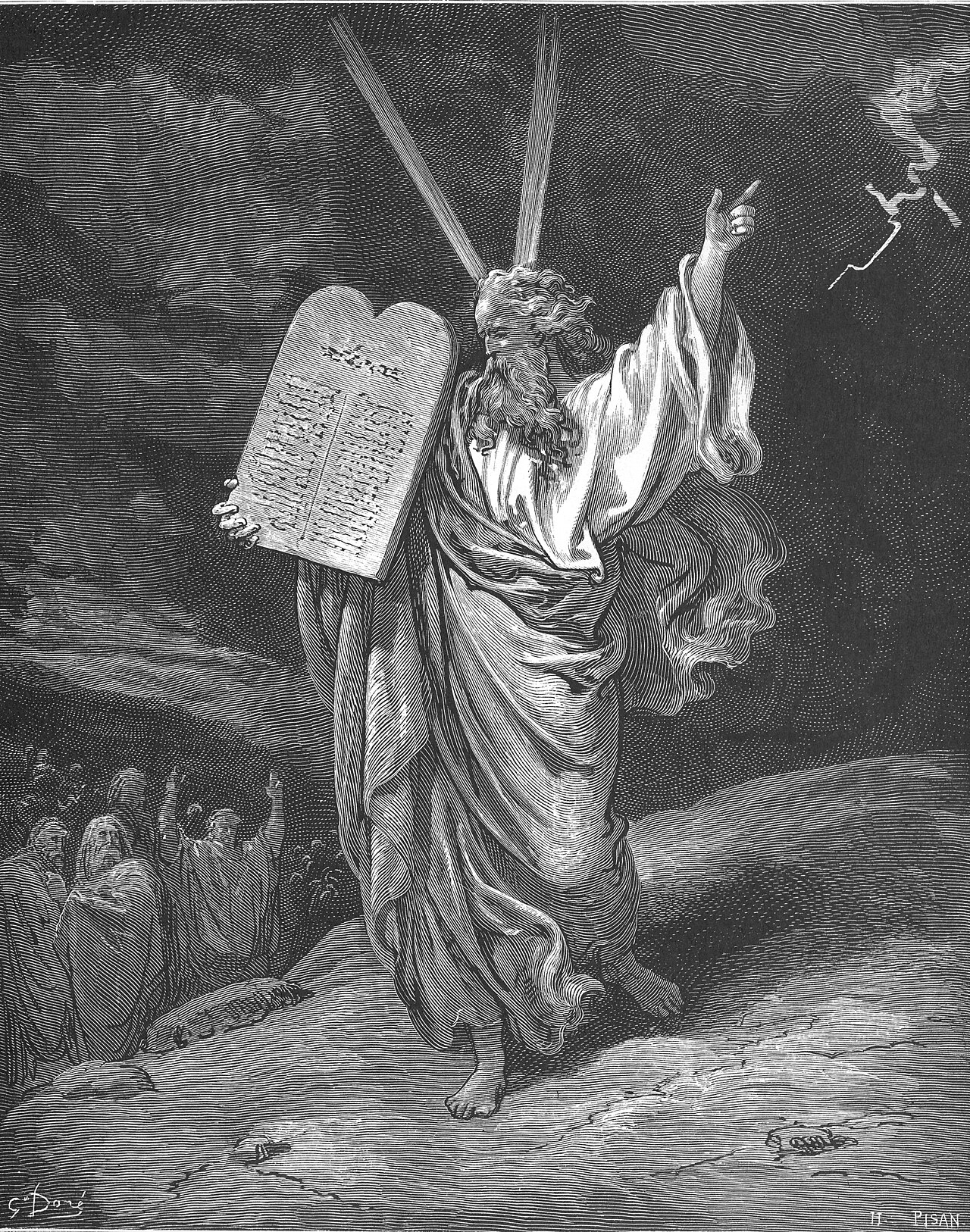
7 notes on this verseAnd thou shall write upon them all the words of this law,.... Not the whole book of Deuteronomy, as some think, at least not the historical part of it, only what concerns the laws of God; and it may be only a summary or abstract of them, and perhaps only the ten commandments.
This site's exposition
And Moses with the elders
on Deuteronomy 27:1-3
Moses commands with the elders of Israel at verse 1, and at verse 9 the priests the Levites stand with him, so the charge comes from the whole leadership of the nation rather than from one voice. The first work ordered for the far side of Jordan is a writing, great stones plaistered with plaister and carrying all the words of this law. Jamieson, Fausset and Brown point to Egyptian inscriptions laid in paint or plaister that have survived three thousand years, and observe that Moses was raised where that craft was practised.
The record, by era
The Puritans and the Awakening2 voices
Others think that the whole book of Deuteronomy was written upon this monument, or at least the statutes and judgments from ch. xii. to the end of ch. xxvi.
), " Write it that thou mayest go in, " that is, "that thou mayest go in with comfort, and assurance of success and settlement, otherwise it were well for thee not to go in at all. Write it as the conditions of thy entry, and own that thou comest in upon these terms and no other: since Canaan is given by promise, it must beheld by obedience." 2.
quarantine:debris (2026-07-29) — leading-punctuation+unbalanced-parens
The Nineteenth Century3 voices
A commentator
Albert Barnes1798–1870
Notes, Explanatory and Practical, on the Old and New Testaments (1832-1869)
All the words of this law - i. e. all the laws revealed from God to the people by Moses, regarded by the Jews as 613 (compare Num 15:38 note). The exhibition of laws in this manner on stones, pillars, or tables, was familiar to the ancients. The laws were probably graven in the stone (“very plainly,” Deu 27:8 is by some rendered “scoop it out well”), as are for the most part the Egyptian hieroglyphics, the “plaister” being afterward added to protect the inscription from the weather.
A commentator
Jamieson, Fausset & Brown1802–1910
Commentary Critical and Explanatory on the Whole Bible (1871)
proposed
thou shalt write upon them all the words of this law--It might be, as some think, the Decalogue; but a greater probability is that it was "the blessings and curses," which comprised in fact an epitome of the law (Jos 8:34).
quarantine:debris (2026-07-29) — starts-lowercase
All the words of this law - After all that has been said by ingenious critics concerning the law ordered to be written on these stones, some supposing the whole Mosaic law to be intended, others, only the decalogue, I am fully of opinion that the (תורה torah) law or ordinance in question simply means the blessings and curses mentioned in this and in the following chapter; and indeed these contained a very good epitome of the whole law in all its promises and threatenings, in reference to the whole of its grand moral design. See at the end of this chapter, Deu 27:26 (note).
The words behind it
28 Hebrew wordsEvery Hebrew word of this verse in the order it stands, with what it means and the door to its own study. The last column counts the times a word stands in the whole Bible: the rarer the word, the more the places it appears belong together.
| Hebrew | Sound | Meaning | Word study | In the Bible |
|---|---|---|---|---|
| וְכָתַבְתָּ֣ | vekhatavta | and you will write | H3789 → | 224 times |
| עֲלֵיהֶ֗ן | ʾaleihen | on them | H5921 → | 5755 times |
| אֶֽת־ | ʾet- | <obj.> | H853 → | 10935 times |
| כָּל־ | kol- | all | H3605 → | 5413 times |
| דִּבְרֵ֛י | divrei | [the] words of | H1697 → | 1440 times |
| הַתּוֹרָ֥ה | hatorah | the law | H8451 → | 219 times |
| הַזֹּ֖את | hazot | <the> this | H2063 → | 603 times |
| בְּעָבְרֶ֑ךָ | beaverekha | when passing over you | H5674 → | 556 times |
| לְמַ֡עַן | lemaan | so that | H4616 → | 272 times |
| אֲשֶׁר֩ | ʾasher | this | H834 → | 5497 times |
| תָּבֹ֨א | tavo' | you may go | H935 → | 2568 times |
| אֶל־ | ʾel- | into | H413 → | 5510 times |
| הָאָ֜רֶץ | haaretz | the land | H776 → | 2504 times |
| אֲֽשֶׁר־ | ʾasher- | which | H834 → | 5497 times |
| יְהוָ֥ה | yahweh | Yahweh | H3068 → | 6520 times |
| אֱלֹהֶ֣יךָ׀ | ʾeloheikha | God your | H430 → | 2601 times |
| נֹתֵ֣ן | noten | [is] about to give | H5414 → | 2011 times |
| לְךָ֗ | lekha | to <the> you | ||
| אֶ֣רֶץ | ʾeretz | a land | H776 → | 2504 times |
| זָבַ֤ת | zavat | flowing of | H2100 → | 42 times |
| חָלָב֙ | chalav | milk | H2461 → | 44 times |
| וּדְבַ֔שׁ | udevash | and honey | H1706 → | 54 times |
| כַּאֲשֶׁ֥ר | kaasher | just as | H834 → | 5497 times |
| דִּבֶּ֛ר | diber | he spoke | H1696 → | 1141 times |
| יְהוָ֥ה | yahweh | Yahweh | H3068 → | 6520 times |
| אֱלֹהֵֽי־ | ʾelohei- | [the] God of | H430 → | 2601 times |
| אֲבֹתֶ֖יךָ | ʾavoteikha | ancestors your | H1 → | 1212 times |
| לָֽךְ׃ | lakh | to <the> you |
וְכָתַבְתָּ֣and you will write
vekhatavtaH3789 →224 times
עֲלֵיהֶ֗ןon them
ʾaleihenH5921 →5755 times
אֶֽת־<obj.>
ʾet-H853 →10935 times
כָּל־all
kol-H3605 →5413 times
דִּבְרֵ֛י[the] words of
divreiH1697 →1440 times
הַתּוֹרָ֥הthe law
hatorahH8451 →219 times
הַזֹּ֖את<the> this
hazotH2063 →603 times
בְּעָבְרֶ֑ךָwhen passing over you
beaverekhaH5674 →556 times
לְמַ֡עַןso that
lemaanH4616 →272 times
אֲשֶׁר֩this
ʾasherH834 →5497 times
תָּבֹ֨אyou may go
tavo'H935 →2568 times
אֶל־into
ʾel-H413 →5510 times
הָאָ֜רֶץthe land
haaretzH776 →2504 times
אֲֽשֶׁר־which
ʾasher-H834 →5497 times
יְהוָ֥הYahweh
yahwehH3068 →6520 times
אֱלֹהֶ֣יךָ׀God your
ʾeloheikhaH430 →2601 times
נֹתֵ֣ן[is] about to give
notenH5414 →2011 times
לְךָ֗to <the> you
lekha
אֶ֣רֶץa land
ʾeretzH776 →2504 times
זָבַ֤תflowing of
zavatH2100 →42 times
חָלָב֙milk
chalavH2461 →44 times
וּדְבַ֔שׁand honey
udevashH1706 →54 times
כַּאֲשֶׁ֥רjust as
kaasherH834 →5497 times
דִּבֶּ֛רhe spoke
diberH1696 →1141 times
יְהוָ֥הYahweh
yahwehH3068 →6520 times
אֱלֹהֵֽי־[the] God of
ʾelohei-H430 →2601 times
אֲבֹתֶ֖יךָancestors your
ʾavoteikhaH1 →1212 times
לָֽךְ׃to <the> you
lakh
A shaded row is a word that stands 400 times or fewer in the Bible.
The walk
8 stopsEach card is a verse this one points to, and under it the verses that one points to in turn. Where several paths arrive at the same place, that place is listed first: the text keeps returning to it.
Through
Hebrews 10:16“This is the covenant I will make with them after those days, declares the Lord. I will put My laws in their hearts and inscribe them on their minds.”
it leads to
- Jeremiah 31:33–34
“But this is the covenant I will make with the house of Israel after those days, declares the LORD. I will put My law in their minds and inscribe it on their hearts. And…
- Hebrews 8:8–12
But God found fault with the people and said: “Behold, the days are coming, declares the Lord, when I will make a new covenant with the house of Israel and with the house of…
- Romans 11:27
And this is My covenant with them when I take away their sins.”
- Jeremiah 31:33–34
Through
Joshua 5:6For the Israelites had wandered in the wilderness forty years, until all the nation’s men of war who had come out of Egypt had died, since they did not obey the LORD. So the…
it leads to
- Numbers 14:23
not one will ever see the land that I swore to give their fathers. None of those who have treated Me with contempt will see it.
- Deuteronomy 2:14
The time we spent traveling from Kadesh-barnea until we crossed over the Brook of Zered was thirty-eight years, until that entire generation of fighting men had perished from the camp, as the LORD had…
- Hebrews 3:11
So I swore on oath in My anger, ‘They shall never enter My rest.’”
- Deuteronomy 2:7
Indeed, the LORD your God has blessed you in all the work of your hands. He has watched over your journey through this vast wilderness. The LORD your God has been with you these…
- Numbers 14:23
Through
Deuteronomy 26:9And He brought us to this place and gave us this land, a land flowing with milk and honey.
it leads to
- Exodus 3:8
I have come down to rescue them from the hand of the Egyptians and to bring them up out of that land to a good and spacious land, a land flowing with milk and…
- Exodus 3:8
Where this verse is studied
On this page
About Deuteronomy
This page draws on Adam Clarke, Commentary on the Bible; Albert Barnes, Notes, Explanatory and Practical, on the Old and New Testaments (1832-1869); Jamieson, Fausset & Brown, Commentary Critical and Explanatory on the Whole Bible; John Gill, Exposition of the Old Testament (1748-1763); Keil and Delitzsch, Biblical Commentary on the Old Testament: The Pentateuch and Matthew Henry, Commentary on the Whole Bible.