
Amos 8:11
in Amos 8Behold, the days are coming, declares the Lord GOD, when I will send a famine on the land—not a famine of bread or a thirst for water, but a famine of hearing the words of the LORD.
BSB
The same verse in ASV and KJV ▾
ASV
Behold, the days come, saith the Lord Jehovah, that I will send a famine in the land, not a famine of bread, nor a thirst for water, but of hearing the words of Jehovah.
KJV
Behold, the days come, saith the Lord God, that I will send a famine in the land, not a famine of bread, nor a thirst for water, but of hearing the words of the Lord:
⋯
This verse in Amos 8
Commentary
11 notes on this verseA commentator
Albert Barnes1798–1870
Notes, Explanatory and Practical, on the Old and New Testaments (1832-1869)
Not a famine for bread - He does not deny that there should be bodily famine too; but this, grievous as it is, would be less grievous than the famine of which he speaks, “the famine of the word of the Lord.” In distress we all go to God. Rib.: “They who now cast out and despise the prophets, when they shall see themselves besieged by the enemy, shall be tormented with a great hunger of hearing the word of the Lord from the mouths of the prophets, and shall find no one to lighten their distresses.
This site's exposition
a famine in the land
on Amos 8:11-12
Verified in the Twelve patterns brief as one of the chapter's keep-hard verses: a famine in the land, not a famine of bread, nor a thirst for water, but of hearing the words of the Lord, the worst deprivation the book names because it removes the very means of repentance the earlier visions still offered. The bench reads the wandering from sea to sea, and from the north even to the east seeking the word and not finding it as prophecy itself withdrawn, the door Amaziah tried to shut in chapter 7 now shut by the Lord's own hand and for a reason no petition can reverse.
The record, by era
The Church Fathers5 voices
When "Joseph was about thirty years old" he was released from his chains and interpreted Pharaoh's dream. He was made the governor of Egypt. During the time of plenty, he gathered in the wheat, so that during the time of famine he would have some to distribute. I think that Joseph's age of thirty came before as a type of the Savior's thirty years. For this second Joseph did not gather in the kind of wheat that first Joseph did in Egypt. He, Jesus, gathers in true and heavenly wheat, so that in the time of abundance he might gather in the wheat that he will give out when famine is sent upon Egypt, "not hunger for bread or thirst for water, but hunger to hear the word of the Lord."
The unreliability of excessive wealth may edify even to the point of eliciting contempt of corporal riches. Wealth is unstable. It is like a wave accustomed to change back and forth due to the violence of the wind. One might suppose that the people of Israel are rich, since they have the adoption of sons and divine worship, the promises and the patriarchs. However, they have become poor because of their sin against the Lord. "But they that seek the Lord shall not be deprived of any good." They have lacked nourishment in a certain way and have suffered hunger. For when they had put to death the bread of life, a hunger for the bread came upon them. A chastisement for the thirst was imposed on them, but "the hunger was not for sensible bread or the thirst for water, but a hunger to hear the Word of God." Therefore "they have wanted and have suffered hunger."
We harm both soul and body if we are guilty of lack of moderation to them both by fattening one beyond need or by causing them to waste away from starvation.… The Lord of all once admonished the Jewish people … by way of extreme indignation in the words, "I will deal you not a famine of bread nor a thirst for water, but a famine of hearing the Word of the Lord," to teach us that while one famine can torture the body, the other famine affects the soul. This very thing that the Lord threatened to inflict on them by way of punishment we now of our own volition secure for ourselves despite God's show of care for us and his provision for us, through the advice of mentors, as well as the reading of Scriptures.
(Verse 11, 12) Behold, the days are coming, says the Lord, when I will send forth (Vulgate: send) a famine upon the land: not a famine of bread, nor a thirst for water, but of hearing the word of the Lord. And they shall wander from sea to sea, and from the north even to the east, they shall run to and fro to seek the word of the Lord, and shall not find it. In that day, the fair virgins and young men shall faint for thirst.
It is prophesied, "Their young men will die by the sword, and their sons and daughters will perish in famine." Those who hindered Jesus from teaching have not simply perished by the sword. But now, after the advent of the Lord, a more profound famine has come upon them. It is "not a famine of bread or thirst of water, but a famine of hearing the Word of the Lord." For the "Lord almighty" no longer "speaks" with them. This famine portends that prophecy would cease. And why do I say prophecy? The Lord ceased teaching them. Even if they bear the title sage a thousand times with them, the Word of the Lord is still not among them, since the verse has been fulfilled: "The Lord took away from Judea and Jerusalem the strong man and strong woman, the giant and the strong man, and the soldier and judge and prophet and diviner and elder and captain of fifty and the admirable adviser and master builder and intelligent pupil." For he is no longer able to say, "Like a master builder I laid a foundation." The builders have passed over, have come to the church, have laid the foundation, Jesus Christ. Those who came after them have also built on him.
4 more voices on this verse
The Puritans and the Awakening2 voices
); yet for this, which is the most mournful judgment of all, they are not here brought in mourning. The Vision of Summer Fruit. 1 Thus hath the Lord G OD shewed unto me: and behold a basket of summer fruit.
quarantine:debris (2026-07-29) — leading-punctuation+unbalanced-parens
Behold, the days come, saith the Lord God,....
The Nineteenth Century2 voices
A commentator
Jamieson, Fausset & Brown1802–1910
Commentary Critical and Explanatory on the Whole Bible (1871)
proposed
When that was destroyed, the Mosaic ritual, which could not exist without it, necessarily ceased. Providence designed it, that, as the law gave way to the Gospel, so all men should perceive it was so, in spite of the Jews' obstinate rejection of the Gospel.
A famine in the land - The most grievous of all famines, a famine of the words of Jehovah; a time in which no prophet should appear, no spiritual counsellor, no faithful reprover, none any longer who would point out the way of salvation, or would assure them of the mercy of God on their repentance and return to him. This is the severest of God’s judgments on this side the worm that never dieth, and the fire that is never quenched.
How the passage was read
What the Jewish commentators add
On the verses either side of this one
And I will turn your festivals into mourning —as the matter is stated: (II Chron:24) “And all Judah and Jerusalem mourned for Josiah.”
This section is reception history: how the passage was read and kept in the Jewish tradition. Where a reading parts from an essential of the Christian faith, the section says so at that point.
Texts and citation data: Sefaria; each excerpt follows its version’s licence. 5 further sources are cited on this chapter that carry no English text this site may quote or only restate the verse.
The words behind it
21 Hebrew wordsEvery Hebrew word of this verse in the order it stands, with what it means and the door to its own study. The last column counts the times a word stands in the whole Bible: the rarer the word, the more the places it appears belong together.
| Hebrew | Sound | Meaning | Word study | In the Bible |
|---|---|---|---|---|
| הִנֵּ֣ה׀ | hineh | here! | H2009 → | 843 times |
| יָמִ֣ים | yamim | days | H3117 → | 2304 times |
| בָּאִ֗ים | baim | [are] coming | H935 → | 2568 times |
| נְאֻם֙ | neum | [the] utterance of | H5002 → | 376 times |
| אֲדֹנָ֣י | ʾadonai | [the] Lord | H136 → | 440 times |
| יְהוִ֔ה | yahweh | Yahweh | H3069 → | 306 times |
| וְהִשְׁלַחְתִּ֥י | vehishlachti | and I will send | H7971 → | 845 times |
| רָעָ֖ב | raav | a famine | H7458 → | |
| בָּאָ֑רֶץ | baaretz | in the land | H776 → | 2504 times |
| לֹֽא־ | lo'- | not | H3808 → | 5168 times |
| רָעָ֤ב | raav | a famine | H7458 → | |
| לַלֶּ֙חֶם֙ | lalechem | for <the> bread | H3899 → | 298 times |
| וְלֹֽא־ | velo'- | and not | H3808 → | 5168 times |
| צָמָ֣א | tzama' | a thirst | H6772 → | |
| לַמַּ֔יִם | lamayim | for <the> water | H4325 → | 581 times |
| כִּ֣י | ki | that | H3588 → | 4482 times |
| אִם־ | ʾim- | except | H518 → | 1069 times |
| לִשְׁמֹ֔עַ | lishmoa' | for hearing | H8085 → | 1159 times |
| אֵ֖ת | ʾet | <obj.> | H853 → | 10935 times |
| דִּבְרֵ֥י | divrei | [the] words of | H1697 → | 1440 times |
| יְהוָֽה׃ | yahweh | Yahweh | H3068 → | 6520 times |
הִנֵּ֣ה׀here!
hinehH2009 →843 times
יָמִ֣יםdays
yamimH3117 →2304 times
בָּאִ֗ים[are] coming
baimH935 →2568 times
נְאֻם֙[the] utterance of
neumH5002 →376 times
אֲדֹנָ֣י[the] Lord
ʾadonaiH136 →440 times
יְהוִ֔הYahweh
yahwehH3069 →306 times
וְהִשְׁלַחְתִּ֥יand I will send
vehishlachtiH7971 →845 times
רָעָ֖בa famine
raavH7458 →
בָּאָ֑רֶץin the land
baaretzH776 →2504 times
לֹֽא־not
lo'-H3808 →5168 times
רָעָ֤בa famine
raavH7458 →
לַלֶּ֙חֶם֙for <the> bread
lalechemH3899 →298 times
וְלֹֽא־and not
velo'-H3808 →5168 times
צָמָ֣אa thirst
tzama'H6772 →
לַמַּ֔יִםfor <the> water
lamayimH4325 →581 times
כִּ֣יthat
kiH3588 →4482 times
אִם־except
ʾim-H518 →1069 times
לִשְׁמֹ֔עַfor hearing
lishmoa'H8085 →1159 times
אֵ֖ת<obj.>
ʾetH853 →10935 times
דִּבְרֵ֥י[the] words of
divreiH1697 →1440 times
יְהוָֽה׃Yahweh
yahwehH3068 →6520 times
A shaded row is a word that stands 400 times or fewer in the Bible.
The walk
8 stopsEach card is a verse this one points to, and under it the verses that one points to in turn. Where several paths arrive at the same place, that place is listed first: the text keeps returning to it.
Through
1 Samuel 3:1And the boy Samuel ministered to the LORD before Eli. Now in those days the word of the LORD was rare and visions were scarce.
it leads to
- Psalms 74:9
There are no signs for us to see. There is no longer any prophet. And none of us knows how long this will last.
Reached by 2 separate paths from here.
- Amos 8:11–12
Behold, the days are coming, declares the Lord GOD, when I will send a famine on the land—not a famine of bread or a thirst for water, but a famine of hearing the words…
- 1 Samuel 3:21
And the LORD continued to appear at Shiloh, because there He revealed Himself to Samuel by His word.
- Psalms 74:9
Through
1 Samuel 28:6He inquired of the LORD, but the LORD did not answer him by dreams or Urim or prophets.
it leads to
- Lamentations 2:9
Her gates have sunk into the ground; He has destroyed and shattered their bars. Her king and her princes are exiled among the nations, the law is no more, and even her prophets find…
Reached by 2 separate paths from here.
- Numbers 12:6
He said, “Hear now My words: If there is a prophet among you, I, the LORD, will reveal Myself to him in a vision; I will speak to him in a dream.
- 1 Samuel 14:37
So Saul inquired of God, “Shall I go down after the Philistines? Will You give them into the hand of Israel?” But God did not answer him that day.
- Numbers 27:21
He shall stand before Eleazar the priest, who will seek counsel for him before the LORD by the judgment of the Urim. At his command, he and all the Israelites with him—the entire congregation—will…
- Lamentations 2:9
Through
Ezekiel 7:26Disaster upon disaster will come, and rumor after rumor. Then they will seek a vision from a prophet, but instruction from the priests will perish, as will counsel from the elders.
it leads to
- Micah 3:6
Therefore night will come over you without visions, and darkness without divination. The sun will set on these prophets, and the daylight will turn black over them.
Reached by 2 separate paths from here.
- Micah 3:6
Where this verse is studied
On this page
About Amos
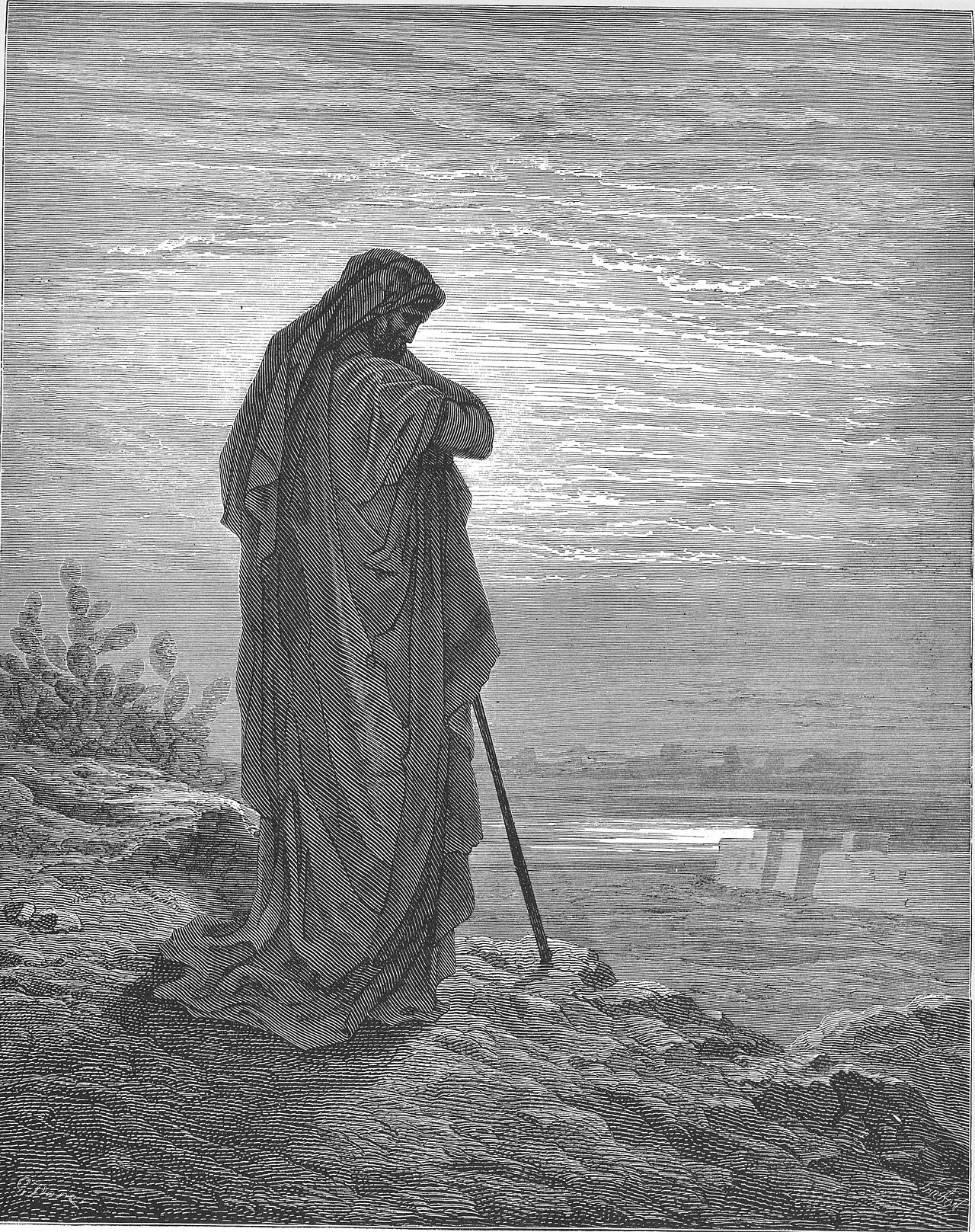
This page draws on 11 works. Open the list of works
This page draws on Adam Clarke, Commentary on the Bible; Albert Barnes, Notes, Explanatory and Practical, on the Old and New Testaments (1832-1869); Basil of Caesarea, HOMILIES ON THE PSALMS 33:7; Carl Friedrich Keil, The Twelve Minor Prophets; Jamieson, Fausset & Brown, Commentary Critical and Explanatory on the Whole Bible; Jerome, Commentary on Amos; John Chrysostom, HOMILIES ON GENESIS 54:4; John Gill, Exposition of the Old Testament (1748-1763); Matthew Henry, Commentary on the Whole Bible; Origen of Alexandria, HOMILIES ON THE GOSPEL OF LUKE 28:5 and Origen of Alexandria, HOMILIES ON JEREMIAH 10:3.