
2 Chronicles 18:7
in 2 Chronicles 18The king of Israel answered, “There is still one man who can ask the LORD, but I hate him because he never prophesies anything good for me, but only bad. He is Micaiah son of Imlah.” “The king should not say that!” Jehoshaphat replied.
BSB
The same verse in ASV and KJV ▾
ASV
And the king of Israel said unto Jehoshaphat, There is yet one man by whom we may inquire of Jehovah: but I hate him; for he never prophesieth good concerning me, but always evil: the same is Micaiah the son of Imla. And Jehoshaphat said, Let not the king say so.
KJV
And the king of Israel said unto Jehoshaphat, There is yet one man, by whom we may enquire of the Lord: but I hate him; for he never prophesied good unto me, but always evil: the same is Micaiah the son of Imla. And Jehoshaphat said, Let not the king say so.
⋯
This verse in 2 Chronicles 18
Commentary
2 notes on this verseThis site's exposition
for he never prophesied good unto me
on 2 Chronicles 18:7-9
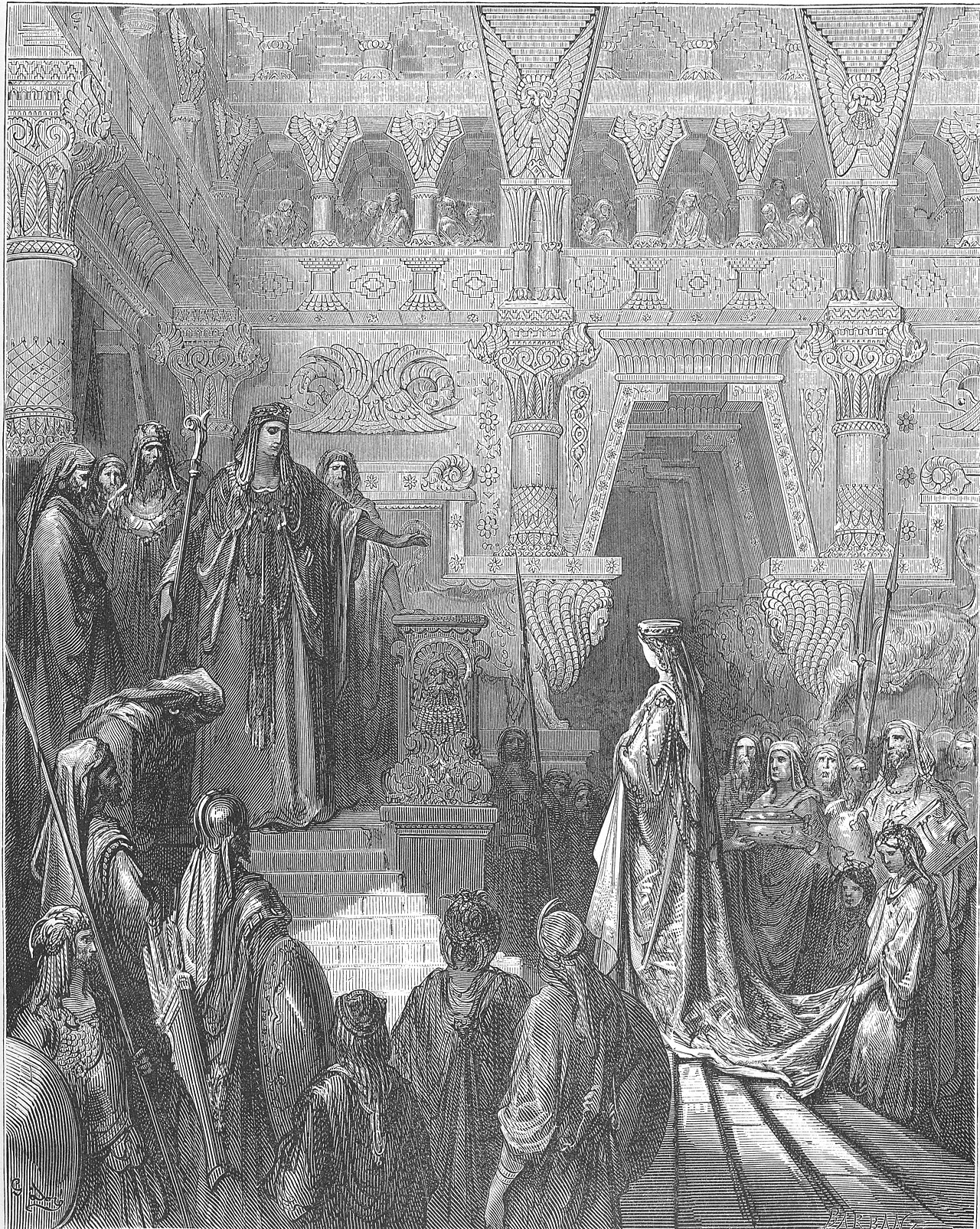
Ahab names his objection to Micaiah before the man is even sent for, I hate him, for he never prophesied good unto me, but always evil, an admission Jehoshaphat rebukes on the spot, let not the king say so. The scene stages the confrontation as royal theater, two kings enthroned in their robes in a void place at the gate of Samaria while all the other prophets perform before them. The Targum's own reading of the moment, recorded by Clarke, has Jehoshaphat praying at the gate while the false prophets around him prophesy lies, a reading that sharpens the contrast the text itself already draws between one true prophet and four hundred flatterers.
The record, by era
The Puritans and the Awakening1 voice
Those do best for themselves that give their friends leave, and particularly their ministers, to deal plainly and faithfully with them, and take their reproofs not only patiently, but kindly. That counsel is not always best for us that is most pleasing to us.
The words behind it
33 Hebrew wordsEvery Hebrew word of this verse in the order it stands, with what it means and the door to its own study. The last column counts the times a word stands in the whole Bible: the rarer the word, the more the places it appears belong together.
| Hebrew | Sound | Meaning | Word study | In the Bible |
|---|---|---|---|---|
| וַיֹּ֣אמֶר | vaiyomer | and he said | H559 → | 5305 times |
| מֶֽלֶךְ־ | melekh- | [the] king of | H4428 → | 2525 times |
| יִשְׂרָאֵ֣ל׀ | yisrael | Israel | H3478 → | 2507 times |
| אֶֽל־ | ʾel- | to | H413 → | 5510 times |
| יְהוֹשָׁפָ֡ט | yehoshafat | Jehoshaphat | H3092 → | 84 times |
| ע֣וֹד | od | still | H5750 → | 490 times |
| אִישׁ־ | ʾish- | a man | H376 → | 1663 times |
| אֶחָ֡ד | ʾechad | one | H259 → | 971 times |
| לִדְרוֹשׁ֩ | lidrovosh | to consult | H1875 → | 164 times |
| אֶת־ | ʾet- | <obj.> | H853 → | 10935 times |
| יְהוָ֨ה | yahweh | Yahweh | H3068 → | 6520 times |
| מֵֽאֹת֜וֹ | meoto | from <obj.> him | H853 → | 10935 times |
| וַאֲנִ֣י | vaani | and I | H589 → | 874 times |
| שְׂנֵאתִ֗יהוּ | senetihu | I hate him | H8130 → | 146 times |
| כִּֽי־ | ki- | for | H3588 → | 4482 times |
| אֵ֠ינֶנּוּ | ʾeinenu | not he | H369 → | 789 times |
| מִתְנַבֵּ֨א | mitnabe' | [is] prophesying | H5012 → | 115 times |
| עָלַ֤י | ʾalai | on me | H5921 → | 5755 times |
| לְטוֹבָה֙ | letovah | <to> good | H2896 → | 538 times |
| כִּ֣י | ki | for | H3588 → | 4482 times |
| כָל־ | khol- | all | H3605 → | 5413 times |
| יָמָ֣יו | yamav | days his | H3117 → | 2304 times |
| לְרָעָ֔ה | leraah | <to> evil | H7451 → | 662 times |
| ה֖וּא | hu' | he | H1931 → | 1879 times |
| מִיכָ֣יְהוּ | mikhayehu | [is] Micaiah | H4321 → | 21 times |
| בֶן־ | ven- | [the] son of | H1121 → | 4930 times |
| יִמְלָ֑א | yimla' | Imlah | H3229 → | |
| וַיֹּ֙אמֶר֙ | vaiyomer | and he said | H559 → | 5305 times |
| יְה֣וֹשָׁפָ֔ט | yehooshafat | Jehoshaphat | H3092 → | 84 times |
| אַל־ | ʾal- | may not | H408 → | 724 times |
| יֹאמַ֥ר | yomar | he say | H559 → | 5305 times |
| הַמֶּ֖לֶךְ | hamelekh | the king | H4428 → | 2525 times |
| כֵּֽן׃ | ken | thus | H3651 → | 771 times |
וַיֹּ֣אמֶרand he said
vaiyomerH559 →5305 times
מֶֽלֶךְ־[the] king of
melekh-H4428 →2525 times
יִשְׂרָאֵ֣ל׀Israel
yisraelH3478 →2507 times
אֶֽל־to
ʾel-H413 →5510 times
יְהוֹשָׁפָ֡טJehoshaphat
yehoshafatH3092 →84 times
ע֣וֹדstill
odH5750 →490 times
אִישׁ־a man
ʾish-H376 →1663 times
אֶחָ֡דone
ʾechadH259 →971 times
לִדְרוֹשׁ֩to consult
lidrovoshH1875 →164 times
אֶת־<obj.>
ʾet-H853 →10935 times
יְהוָ֨הYahweh
yahwehH3068 →6520 times
מֵֽאֹת֜וֹfrom <obj.> him
meotoH853 →10935 times
וַאֲנִ֣יand I
vaaniH589 →874 times
שְׂנֵאתִ֗יהוּI hate him
senetihuH8130 →146 times
כִּֽי־for
ki-H3588 →4482 times
אֵ֠ינֶנּוּnot he
ʾeinenuH369 →789 times
מִתְנַבֵּ֨א[is] prophesying
mitnabe'H5012 →115 times
עָלַ֤יon me
ʾalaiH5921 →5755 times
לְטוֹבָה֙<to> good
letovahH2896 →538 times
כִּ֣יfor
kiH3588 →4482 times
כָל־all
khol-H3605 →5413 times
יָמָ֣יוdays his
yamavH3117 →2304 times
לְרָעָ֔ה<to> evil
leraahH7451 →662 times
ה֖וּאhe
hu'H1931 →1879 times
מִיכָ֣יְהוּ[is] Micaiah
mikhayehuH4321 →21 times
בֶן־[the] son of
ven-H1121 →4930 times
יִמְלָ֑אImlah
yimla'H3229 →
וַיֹּ֙אמֶר֙and he said
vaiyomerH559 →5305 times
יְה֣וֹשָׁפָ֔טJehoshaphat
yehooshafatH3092 →84 times
אַל־may not
ʾal-H408 →724 times
יֹאמַ֥רhe say
yomarH559 →5305 times
הַמֶּ֖לֶךְthe king
hamelekhH4428 →2525 times
כֵּֽן׃thus
kenH3651 →771 times
A shaded row is a word that stands 400 times or fewer in the Bible.
The walk
8 stopsEach card is a verse this one points to, and under it the verses that one points to in turn. Where several paths arrive at the same place, that place is listed first: the text keeps returning to it.
Through
Luke 6:22Blessed are you when people hate you, and when they exclude you and insult you and reject your name as evil because of the Son of Man.
it leads to
- Matthew 5:10–12
Blessed are those who are persecuted because of righteousness, for theirs is the kingdom of heaven.
- Matthew 10:22
You will be hated by everyone because of My name, but the one who perseveres to the end will be saved.
- 1 Peter 4:12–16
Beloved, do not be surprised at the fiery trial that has come upon you, as though something strange were happening to you.
- 1 Peter 3:14
But even if you should suffer for what is right, you are blessed. “Do not fear what they fear; do not be shaken.”
- 1 Thessalonians 2:14–15
For you, brothers, became imitators of the churches of God in Judea that are in Christ Jesus. You suffered from your own countrymen the very things they suffered from the Jews,
- Matthew 5:10–12
Through
1 Kings 18:17When Ahab saw Elijah, he said to him, “Is that you, O troubler of Israel?”
it leads to
- Joshua 7:25
“Why have you brought this trouble upon us?” said Joshua. “Today the LORD will bring trouble upon you!” And all Israel stoned him to death. Then they stoned the others and burned their bodies.
- Joshua 7:25
Through
Amos 5:10There are those who hate the one who reproves in the gate and despise him who speaks with integrity.
it leads to
- 1 Kings 22:8
The king of Israel answered, “There is still one man who can ask the LORD, but I hate him because he never prophesies anything good for me, but only bad. He is Micaiah son…
- Isaiah 29:21
those who indict a man with a word, who ensnare the mediator at the gate, and who with false charges deprive the innocent of justice.
- 1 Kings 22:8
About 2 Chronicles
This page draws on Adam Clarke, Commentary on the Bible and Matthew Henry, Commentary on the Whole Bible.