
1 Kings 7:9
in 1 Kings 7All these buildings were constructed with costly stones, cut to size and trimmed with saws inside and out from the foundation to the eaves, and from the outside to the great courtyard.
BSB
The same verse in ASV and KJV ▾
ASV
All these were of costly stones, even of hewn stone, according to measure, sawed with saws, within and without, even from the foundation unto the coping, and so on the outside unto the great court.
KJV
All these were of costly stones, according to the measures of hewed stones, sawed with saws, within and without, even from the foundation unto the coping, and so on the outside toward the great court.
⋯
This verse in 1 Kings 7
Commentary
4 notes on this verseA commentator
Albert Barnes1798–1870
Notes, Explanatory and Practical, on the Old and New Testaments (1832-1869)
The stones were uniform - all cut to certain fixed measures of length, breadth, and thickness. They were not squared only on the face which showed, but also on the sides which fell within the wall and were not seen. Saws appear in Assyrian sculptures of the age of Sennacherib; and fragments of an iron saw have been found at Nimrud.
This site's exposition
according to the measures of hewed stones
on 1 Kings 7:9-12
Foundation stones of eight and ten cubits, sawed within and without, and a great court built to the same pattern as the inner court of the house of the LORD, three rows of hewed stone and a row of cedar beams. Palace and temple share one masonry vocabulary, which is the section's quiet point: the kingdom's whole public architecture is of a piece with the sanctuary at its center.
The record, by era
The Puritans and the Awakening2 voices
To the coping - From the bottom to the top of the building. And so on - Not only on the outside of the front of the house, which being most visible, men are more careful to adorn; but also of the other side of the house, which looked towards the great court belonging to the king's house.
All these were of costly stones,.... Marble, porphyry, &c. according to the measure of hewed stones, sawed with saws, within and without; they were all hewed, and squared, and polished, and so they appeared both on the inside of the building, and without: even from the foundation unto the coping; from the bottom to the top: and so on the outside toward the great court: where the people used to assemble when they had causes to be tried, and was adjoining to the king's house.
How the passage was read
What the Jewish commentators add
On the verses either side of this one
The foundation was, etc., [of] huge stones. And the foundation which was in the ground was of stones greater than the [standard] size of cut [stones].
This section is reception history: how the passage was read and kept in the Jewish tradition. Where a reading parts from an essential of the Christian faith, the section says so at that point.
Texts and citation data: Sefaria; each excerpt follows its version’s licence. 2 further sources are cited on this chapter that carry no English text this site may quote or only restate the verse.
The words behind it
17 Hebrew wordsEvery Hebrew word of this verse in the order it stands, with what it means and the door to its own study. The last column counts the times a word stands in the whole Bible: the rarer the word, the more the places it appears belong together.
| Hebrew | Sound | Meaning | Word study | In the Bible |
|---|---|---|---|---|
| כָּל־ | kol- | all | H3605 → | 5413 times |
| אֵ֜לֶּה | ʾeleh | these | H428 → | 746 times |
| אֲבָנִ֤ים | ʾavanim | [were] stones | H68 → | 273 times |
| יְקָרֹת֙ | yekarot | costly | H3368 → | 36 times |
| כְּמִדֹּ֣ת | kemidot | according to measurements of | H4060 → | 55 times |
| גָּזִ֔ית | gazit | hewn [stone] | H1496 → | 11 times |
| מְגֹרָר֥וֹת | megorarot | sawn | H1641 → | |
| בַּמְּגֵרָ֖ה | bamegerah | with <the> saw | H4050 → | |
| מִבַּ֣יִת | mibayit | from inside | H1004 → | 2046 times |
| וּמִח֑וּץ | umichutz | and from outside | H2351 → | 164 times |
| וּמִמַּסָּד֙ | umimasad | and from [the] foundation | H4527 → | |
| עַד־ | ʾad- | to | H5704 → | 1261 times |
| הַטְּפָח֔וֹת | hatefachot | the coping stone | H2947 → | |
| וּמִח֖וּץ | umichutz | and from [the] outside | H2351 → | 164 times |
| עַד־ | ʾad- | to | H5704 → | 1261 times |
| הֶחָצֵ֥ר | hechatzer | the court | H2691 → | 191 times |
| הַגְּדוֹלָֽה׃ | hagedolah | <the> great | H1419 → | 526 times |
כָּל־all
kol-H3605 →5413 times
אֵ֜לֶּהthese
ʾelehH428 →746 times
אֲבָנִ֤ים[were] stones
ʾavanimH68 →273 times
יְקָרֹת֙costly
yekarotH3368 →36 times
כְּמִדֹּ֣תaccording to measurements of
kemidotH4060 →55 times
גָּזִ֔יתhewn [stone]
gazitH1496 →11 times
מְגֹרָר֥וֹתsawn
megorarotH1641 →
בַּמְּגֵרָ֖הwith <the> saw
bamegerahH4050 →
מִבַּ֣יִתfrom inside
mibayitH1004 →2046 times
וּמִח֑וּץand from outside
umichutzH2351 →164 times
וּמִמַּסָּד֙and from [the] foundation
umimasadH4527 →
עַד־to
ʾad-H5704 →1261 times
הַטְּפָח֔וֹתthe coping stone
hatefachotH2947 →
וּמִח֖וּץand from [the] outside
umichutzH2351 →164 times
עַד־to
ʾad-H5704 →1261 times
הֶחָצֵ֥רthe court
hechatzerH2691 →191 times
הַגְּדוֹלָֽה׃<the> great
hagedolahH1419 →526 times
A shaded row is a word that stands 400 times or fewer in the Bible.
The walk
5 stopsEach card is a verse this one points to, and under it the verses that one points to in turn. Where several paths arrive at the same place, that place is listed first: the text keeps returning to it.
Through
1 Kings 5:17And the king commanded them to quarry large, costly stones to lay the foundation of the temple with dressed stones.
it leads to
- 1 Kings 6:7
The temple was constructed using finished stones cut at the quarry, so that no hammer or chisel or any other iron tool was heard in the temple while it was being built.
- 1 Chronicles 22:2
So David gave orders to gather the foreigners in the land of Israel, from whom he appointed stonecutters to prepare finished stones for building the house of God.
- 1 Peter 2:6–7
For it stands in Scripture: “See, I lay in Zion a stone, a chosen and precious cornerstone; and the one who believes in Him will never be put to shame.”
- 1 Corinthians 3:11–12
For no one can lay a foundation other than the one already laid, which is Jesus Christ.
- Isaiah 28:16
So this is what the Lord GOD says: “See, I lay a stone in Zion, a tested stone, a precious cornerstone, a sure foundation; the one who believes will never be shaken.
- 1 Kings 6:7
About 1 Kings
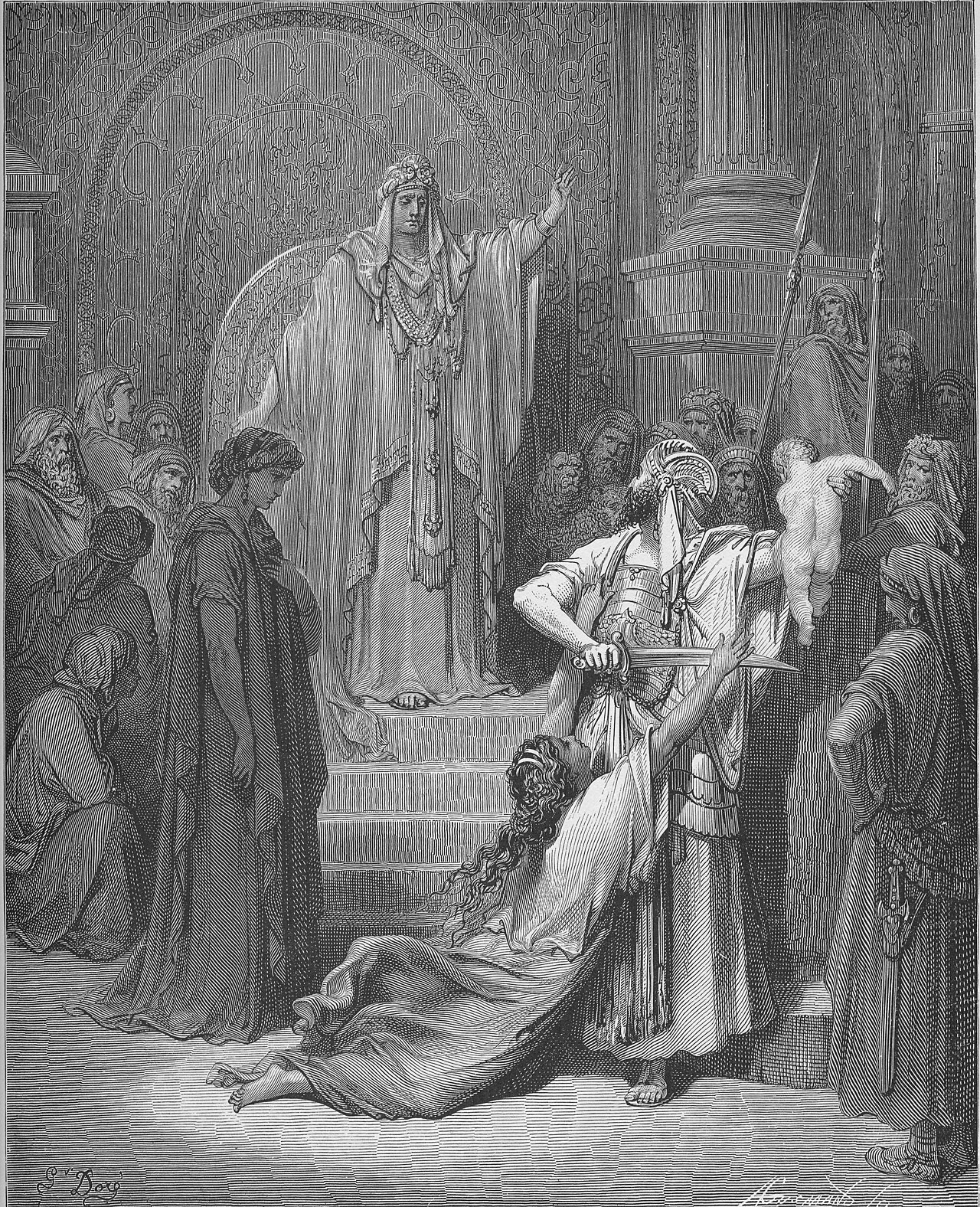
This page draws on Albert Barnes, Notes, Explanatory and Practical, on the Old and New Testaments (1832-1869); John Gill, Exposition of the Old Testament (1748-1763); John Wesley, Explanatory Notes upon the Old Testament and Keil, The Books of the Kings.